-
The BlogBiographies
-
Videos

We invite you to visit the preserved locations along the Liberty Trail and to immerse
yourself in the extraordinary events that determined the fate of a nation.
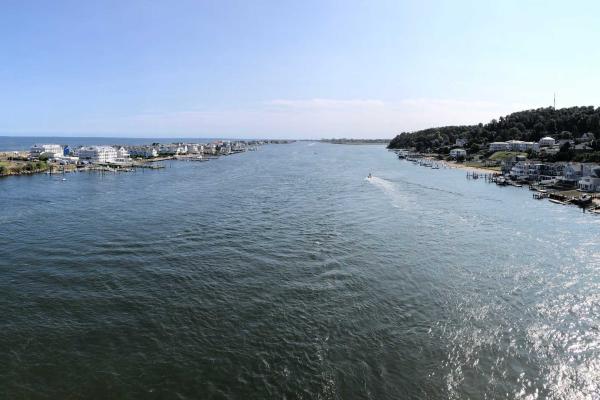
In September 1780, Loyalist Colonel Tye captured Patriot captain Joshua Huddy after a fierce struggle. A Patriot ambush capsized their boat, allowing Huddy to escape while Tye suffered a wound that would prove fatal.
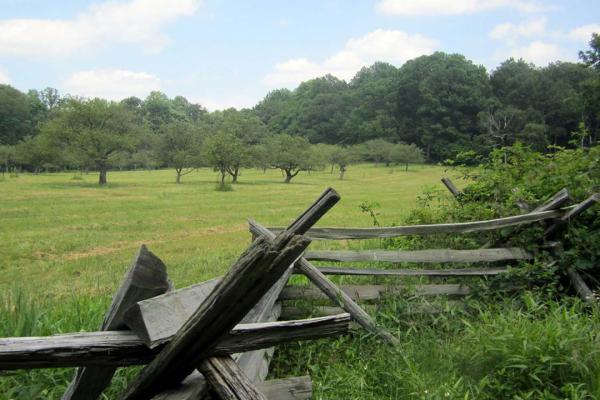
Morristown National Historical Park marks the site of the Continental Army’s 1779-80 encampment under George Washington. It symbolizes America’s fight for independence and Washington’s leadership in uniting the army, remaining a lasting symbol of resilience and patriotism.
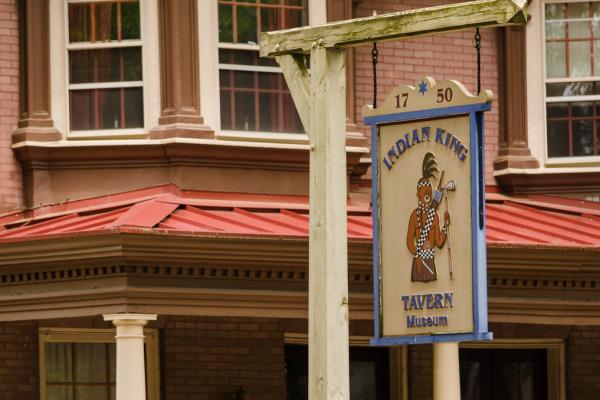
Step into the Indian King Tavern, where revolutionaries once gathered, laws were forged, and history was made. This legendary Haddonfield landmark saw New Jersey declare its independence, adopt its Great Seal, and host both Patriots and British forces in a high stakes struggle for America’s future.
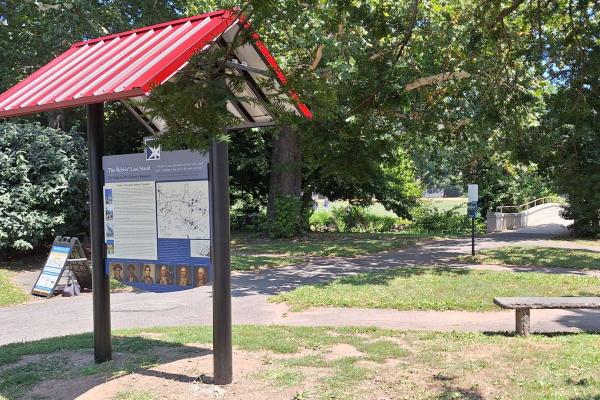
Site of one of the last contested battles of the Revolution's northern theater that protected Washington's encampment at Morristown.
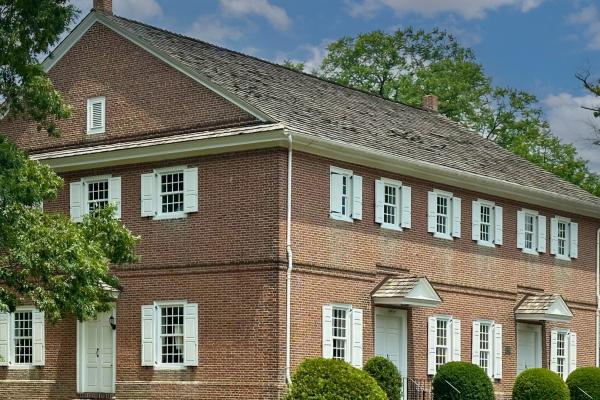
New Jersey militia and Continentals assaulted a British column in-and-around these grounds in mid-June of 1778, just days before a continued series of skirmishes reached their zenith at the Battle of Monmouth.
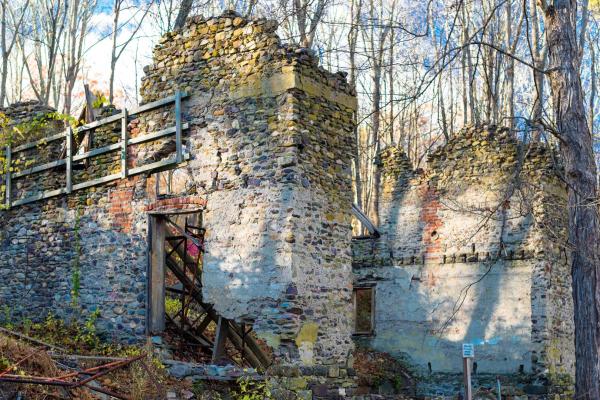
Owned and operated by German immigrants, this site once housed one of the largest ironworks in the colonies that supplied the Continental Army. Started in 1766, it was in operation for over a century.
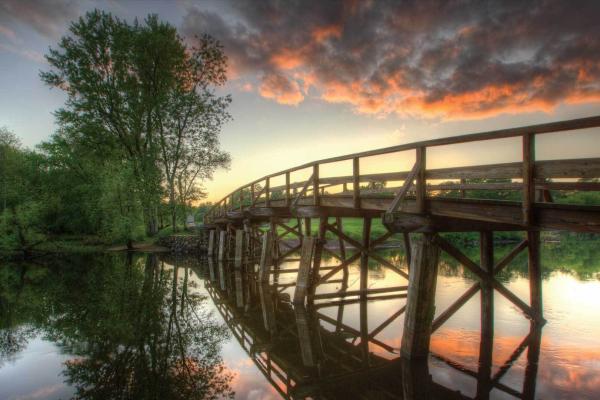
At this bridge, American forces under Colonel Samuel Griffin and foraging parties under Hessian Colonel Carl Ulrich von Donop clashed several times throughout December of 1776.
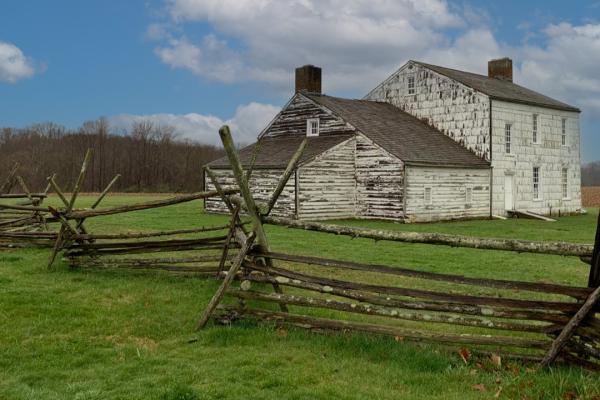
An ordinary farmhouse within Monmouth, it became a hotspot during the Battle of Monmouth as Charles Lee mounted a defense against advancing British troops.
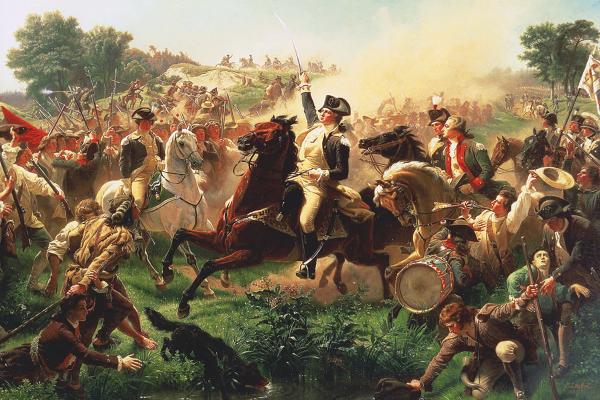
The Battle of Monmouth took place on June 28, 1778, between the Continental Army and British forces, and is now preserved as Monmouth Battlefield State Park.
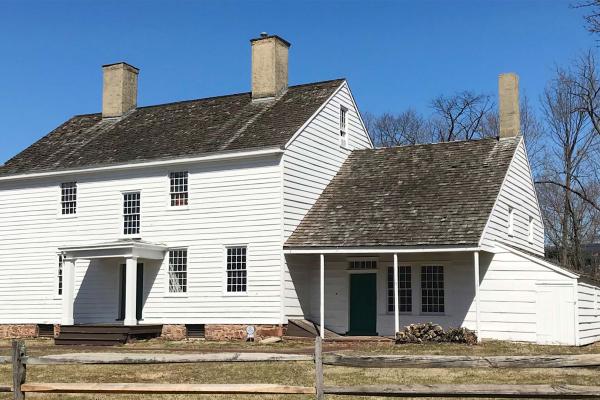
The home of a prominent Philadelphia merchant, this was the largest home built in New Jersey during the Revolution. During the Continental Army's encampment at Middleburg, it served as George Washington's Headquarters.
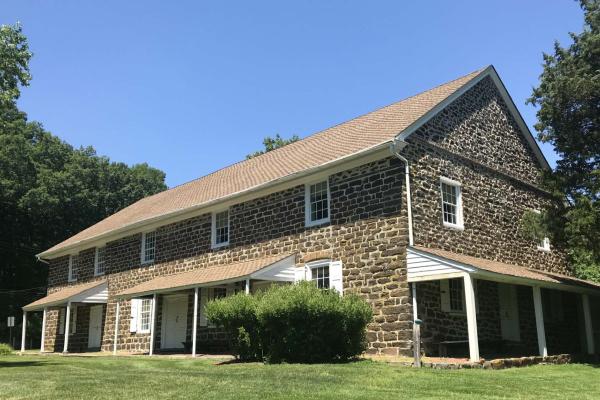
A precursor movement to the Battle of Monmouth, this Quaker meeting house was surrounded by the encampment of British troops under Alexander Leslie in mid-June of 1778.
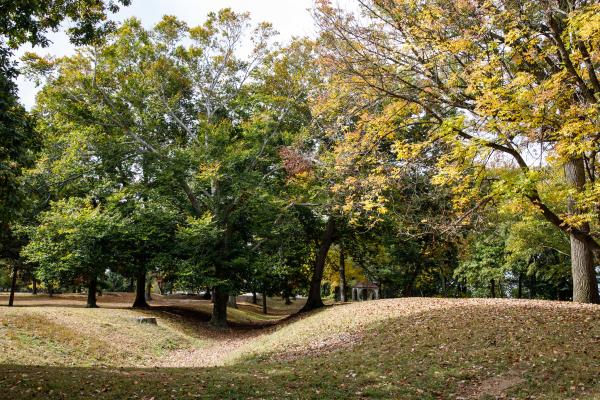
Also known as the Battle of Fort Mercer, Hessian forces under Colonel Von Donop unsuccessfully stormed this fort on the 22 of October, 1777. Halted by combined arms of infantry and ships on the Delaware River, the Hessians suffered significant losses.