Trail Sites

Liberty Trail Historic Sites

Discover the myriad of sites across The Liberty Trail where significant cultural and Revolutionary history unfolded. From military ruins to meticulously restored mansions, immerse yourself in the footsteps of our nation’s history-makers.

States of Interest:

There are no results matching your search. Please try again.

Filter By:
States of Interest

Liberty Trail History Makers

The Revolutionary War was a war unlike any other — one of ideas and ideals, that shaped “the course of human events. Explore the history and personalities from this pivotal time in American history.
Biography

Once a lawyer and surveyor who fought for the royal governor at Alamance, Richard Caswell reinvented himself as a leading Patriot of the American Revolution. After commanding the decisive victory at Moore’s Creek Bridge, he rose to govern North Carolina and later served again despite suffering defeat with Gates’s army at Camden.

Biography

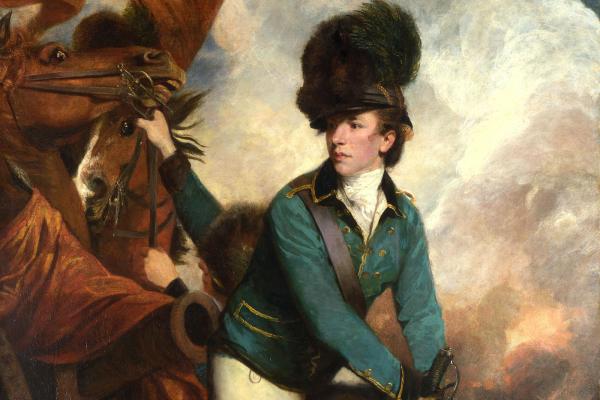
Henry "Light-Horse Harry" Lee was a distinguished cavalry commander during the American Revolution, known for leading "Lee's Legion" and his daring raids in the Southern Campaigns.

Biography

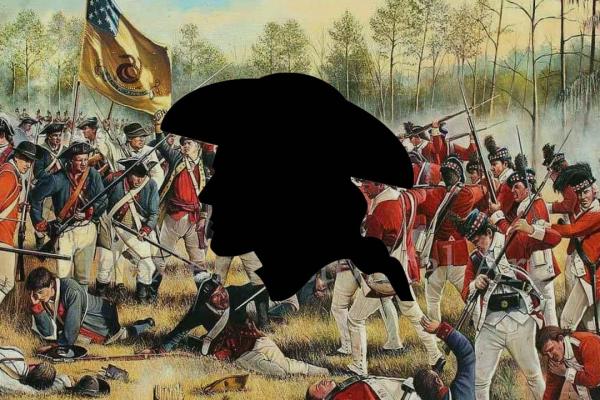
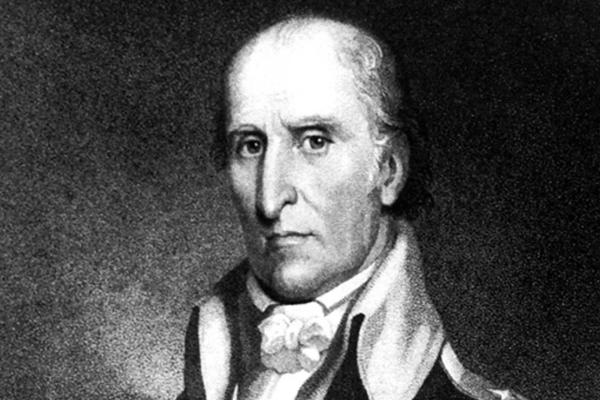
Born in England in 1723 and trained as a physician in London, John Pyle brought his family to Alamance County, North Carolina, where he later emerged as a steadfast Loyalist colonel. In 1781, his misidentification of Patriot troops as British escorts led to the brutal clash known as Pyle’s Defeat, leaving him wounded and maimed—yet ultimately tending to the very Patriot soldiers who had struck down his force.

Biography

James Moore rose from a respected militia officer to a key Revolutionary leader, helping organize North Carolina’s resistance and contributing to the American victory at Battle of Moores Creek Bridge. Promoted to brigadier general, he died in 1777 remembered as one of the state’s most distinguished soldiers of the Revolution.

We invite you to visit the preserved locations along the Liberty Trail and to immerse yourself in the extraordinary events that determined the fate of a nation.
Historic Site | Historic House
Wilmington, NC

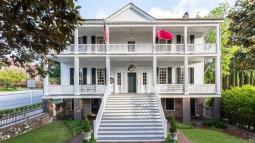
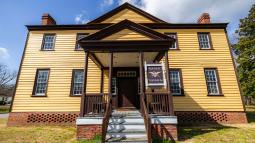
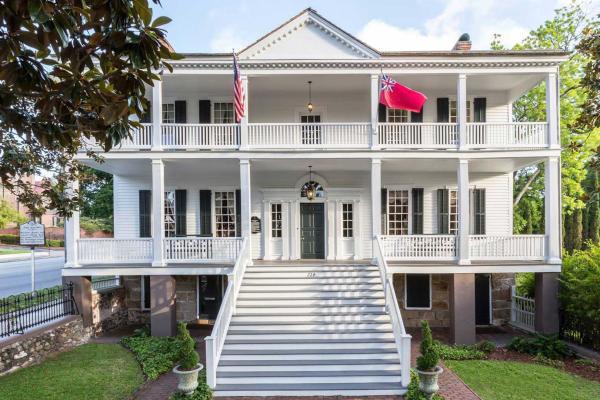
Home to a Loyalist sympathizer, the Burgwin-Wright House stands as one of the oldest structures in Wilmington. In 1781, the likes of Cornwallis and his officers inhabited the home for a brief period.

Battlefield |
Burlington, NC

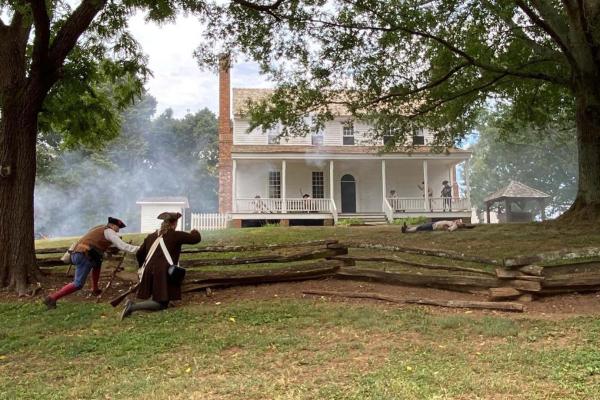
Patriot forces under Andrew Pickens and "Light Horse Harry" successfully rout British forces in Alamance County following Cornwallis' failed attempt to catch Nathanael Greene during the "Race to the Dan"

Battlefield |
Huntersville, NC

In an attempt to stall Cornwallis force, a contingent of Patriots initiated a delaying action which led to the death of General William Davidson

Historic Site |
Edenton, NC

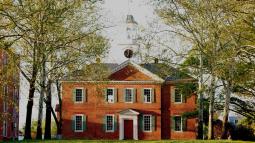
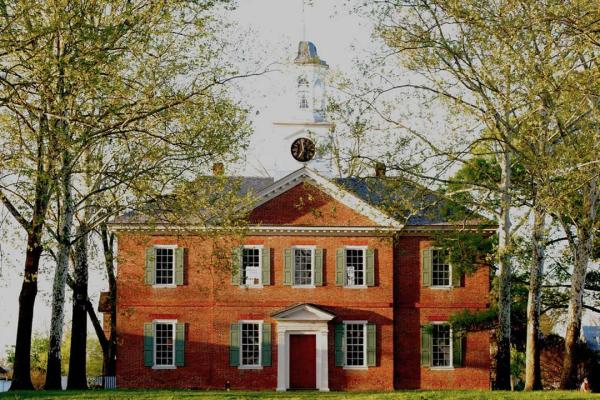
Built in 1767, the Chowan County Courthouse is one of the oldest operating courthouses in the country and still serves the North Carolina Supreme Court to this day.

Battlefield
Lincolnton, NC

Located an hour away from Charlotte, the Ramsour's Mill battleground marks the site of the first Patriot victory in the south following the fall of Charleston.

Historic Site | Historic House
Lenoir, NC

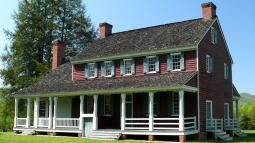
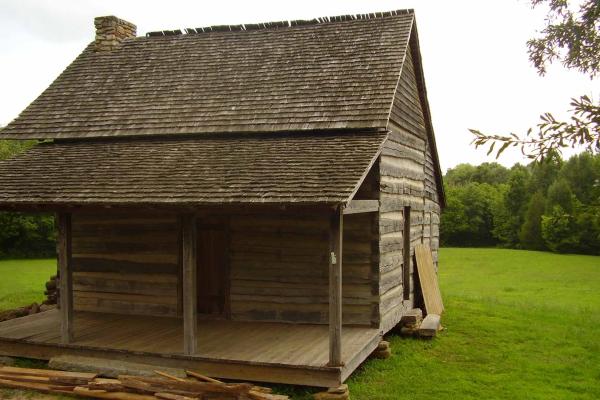
Built in 1792 by Revolutionary War officer William Lenoir, Fort Defiance preserves the homestead that rose near the site of an earlier frontier fort and reflects the legacy of one family for nearly two centuries.

Battlefield | National Park
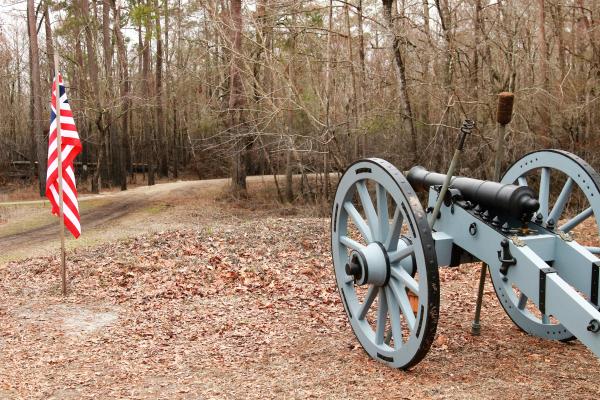
Greensboro, NC

One of the final battles of the Southern Campaign, the Battle of Guilford Courthouse cemented the British path to final defeat at the Battle of Yorktown.

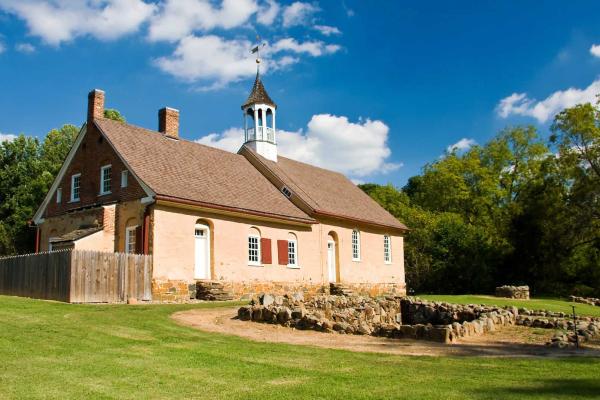
Historic Site | State/County Park
Winston-Salem, NC

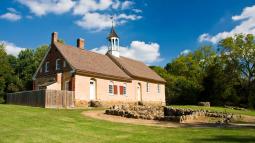
Once a thriving commercial hub, Bethabara was home to a Moravian settlement in Winston-Salem that witnessed the French and Indian War, the Regulator War, and the American Revolution.

Battlefield | State/County Park
Burlington, NC

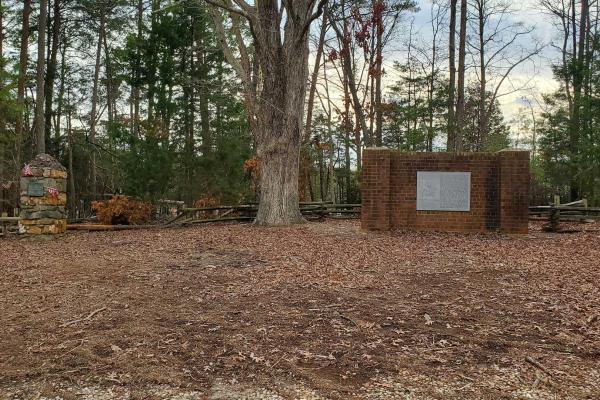
The Battle of Alamance site marks the 1771 clash between royal militia and Regulator rebels, often called the last battle of the colonial period. Visitors can explore monuments and exhibits interpreting this early struggle over authority in the Carolina backcountry.

State/County Park | Historic Site
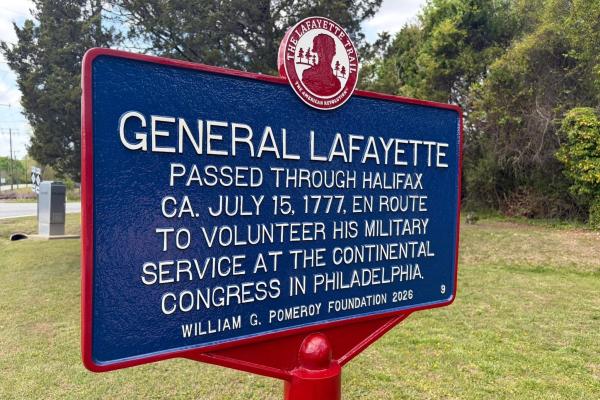
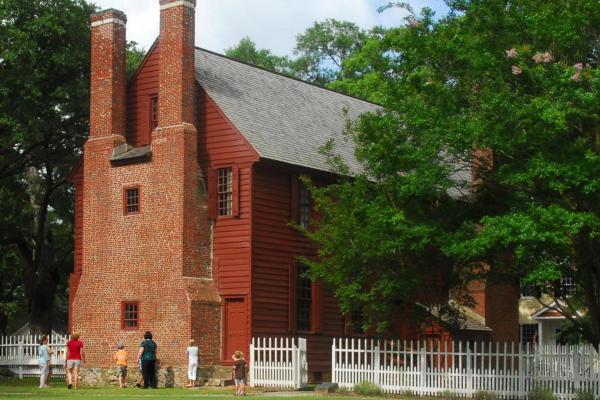
Halifax, NC

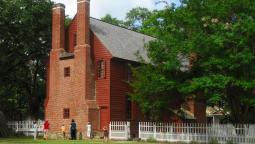
Explore colonial Halifax at a preserved Revolutionary-era town where historic homes, public spaces, and hands-on exhibits reveal how North Carolinians lived, worked, and governed in the 1700s. From influential leaders’ residences to springs, markets, and river landings, the site brings everyday life in a pivotal American community into sharp focus.

Historic Site | State/County Park
Bath, NC

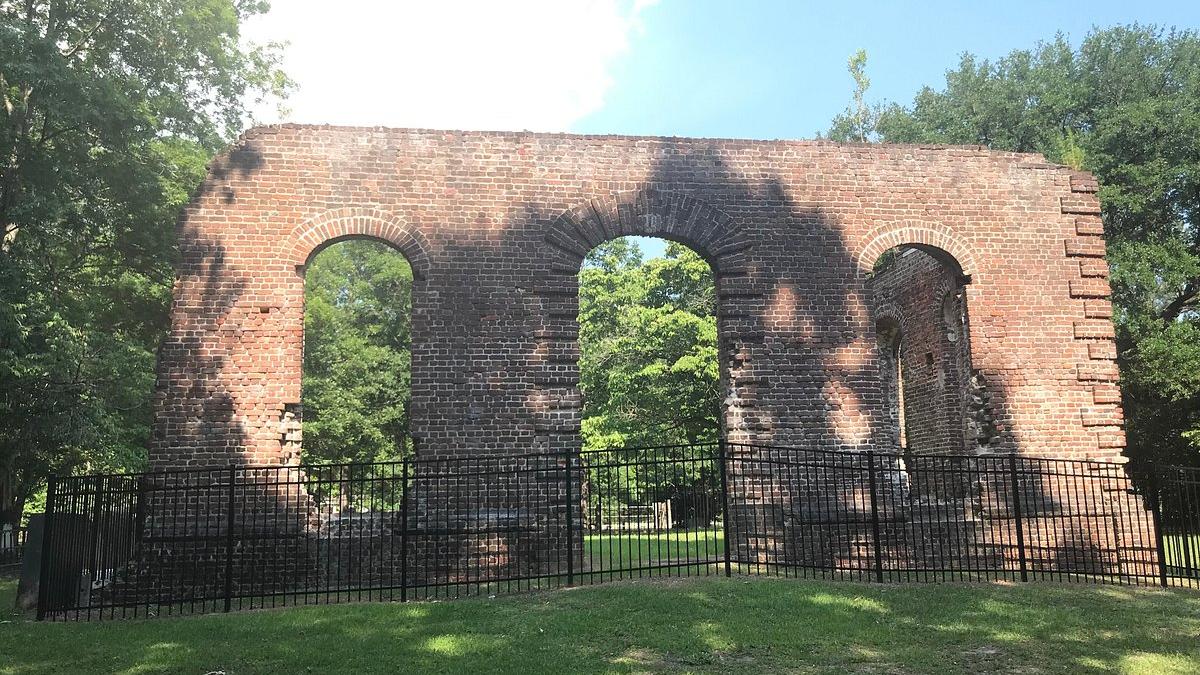
North Carolina's first official town and port of entry, Bath served as an early hub of trade and development during the Colonial period.

State/County Park |
South Mills, NC

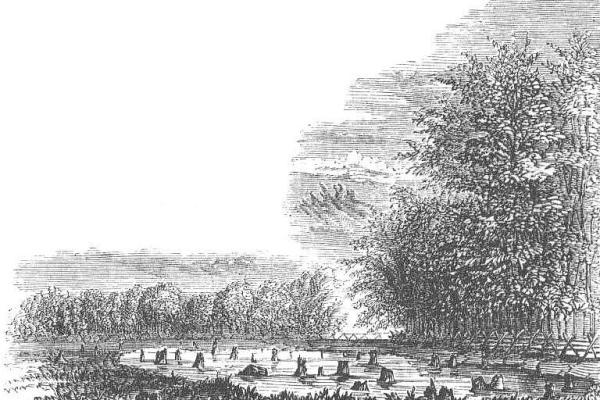
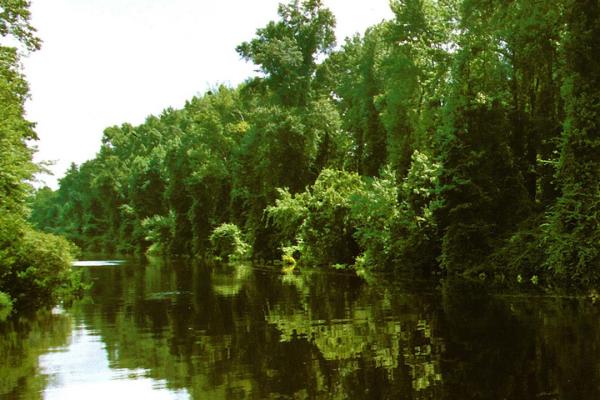
Located just south of the Chesapeake Bay, this "uninhabitable" Great Dismal Swamp was home to thousands of Native Americans and Maroons--self-emancipated slaves--throughout the 18th and 19th centuries.