Trail Sites
Liberty Trail Historic Sites

Discover the myriad of sites across The Liberty Trail where significant cultural and Revolutionary history unfolded. From military ruins to meticulously restored mansions, immerse yourself in the footsteps of our nation’s history-makers.

States of Interest:

There are no results matching your search. Please try again.

Filter By:
States of Interest

Liberty Trail History Makers

The Revolutionary War was a war unlike any other — one of ideas and ideals, that shaped “the course of human events. Explore the history and personalities from this pivotal time in American history.
Biography

Francis Marion was a skilled military leader during the American Revolutionary War, known for his guerilla tactics and strategic maneuvers in the Southern Campaign. His contributions to the war effort and his enduring legacy as a symbol of American resilience and military ingenuity remain today.

Biography

Henry "Light-Horse Harry" Lee was a distinguished cavalry commander during the American Revolution, known for leading "Lee's Legion" and his daring raids in the Southern Campaigns.

Biography

Johann Ewald, a Hessian captain, served in several significant Revolutionary War battles, including White Plains, Bound Brook, and the failed attack on Fort Mercer. He later fought at Yorktown, where he surrendered with the British forces. His detailed wartime diary and maps provide invaluable insights into his experiences in America.

Biography

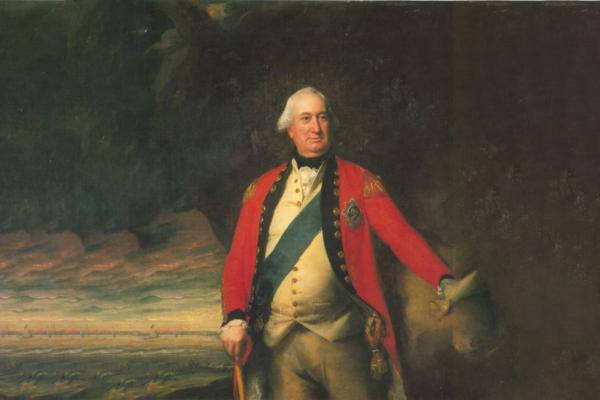
Despite the prominent role Cornwallis played in the Revolution, Henry Clinton was blamed for the loss of the American colonies following the surrender at Yorktown.

Exploring History
We invite you to visit the preserved locations along the Liberty Trail and to immerse yourself in the extraordinary events that determined the fate of a nation.
Historic Site |
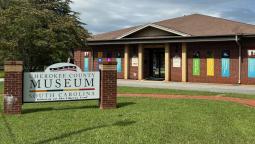
Gaffney, SC

With a rotating collection of artifacts and interactive exhibits, the Cherokee County Museum has something for all ages and interests.

Historic Site | Gardens & Grounds
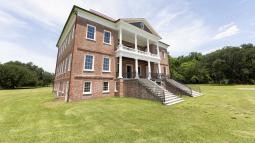
Charlestown, SC

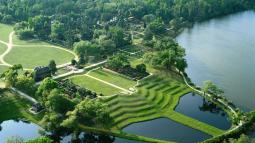
Middleton Place is America’s Oldest Landscaped Gardens and home to a signer of the Declaration of Independence.

Historic Site | Gardens & Grounds
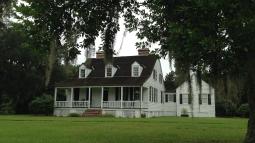
Charleston, SC

The plantation & gardens bears witness to 350 years of American history. Learn about the Europeans who colonized South Carolina, and the enslaved people who worked in the rice fields and gardens.

National Park | Historic Site
Huger, SC

The Francis Marion is a forest literally steeped in history. Marion, dubbed the “Swamp Fox” by the British troops whose supply lines he disrupted with surprise attacks from the swamps.

Historic Site |
Charleston, SC

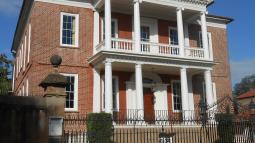
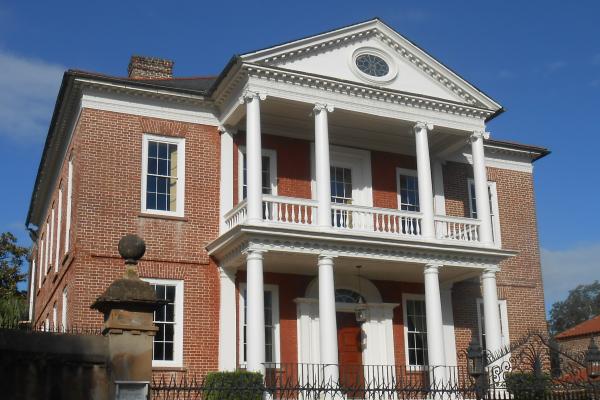
An architectural treasure in its own right, the South Carolina Historical Society Museum is housed in a National Historic Landmark building and features interactive exhibits on the people, places, and movements that shaped the state and nation.

State/County Park | Historic Site
Charleston, SC

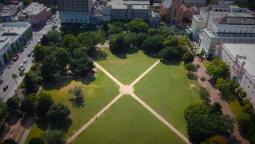
The White Point Garden offers incredible views that span across the Ashley and Cooper Rivers. Fort Sumter, Castle Pinckney, and the Sullivan Island Lighthouse can all be spotted in the distance. The Defenders of Fort Moultrie, a monument honoring South Carolinian soldiers during the Battle of Sullivan's Island is centrally located.

Historic Site | Fort/Outpost
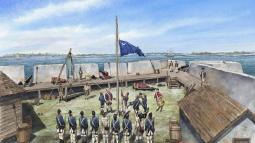
Charleston, SC

One of the many forts that dotted the landscape around Charleston, Patriots seized this fortification and raised the Moultrie flag, which bears resemblance to the modern standard of South Carolina.

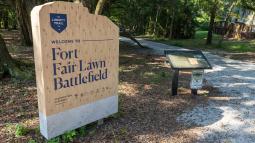
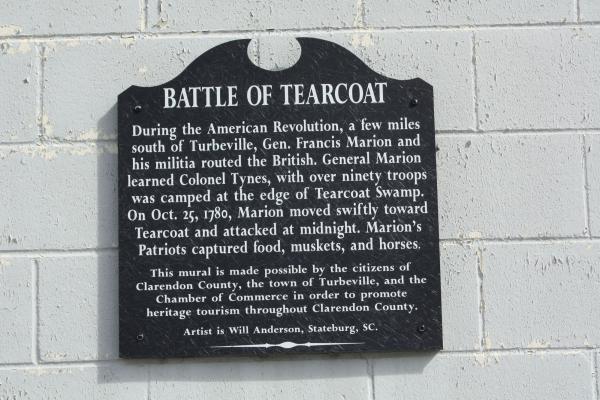
Battlefield
Turbeville, SC

A surprise Patriot attack on Loyalist recruits is a blow to the British

Battlefield
Sullivan's Island, SC

Treacherous waters and Patriot fire foil a British attack on Charleston Harbor

Historic Site
Charleston, SC

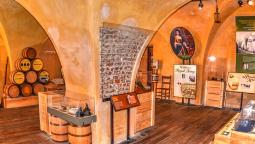
Completed in 1713, The Powder Magazine is South Carolina's oldest government building.

Battlefield | Historic Site
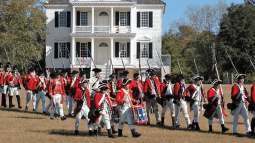
Camden, SC

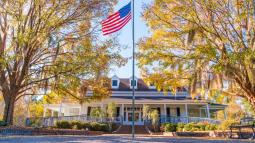
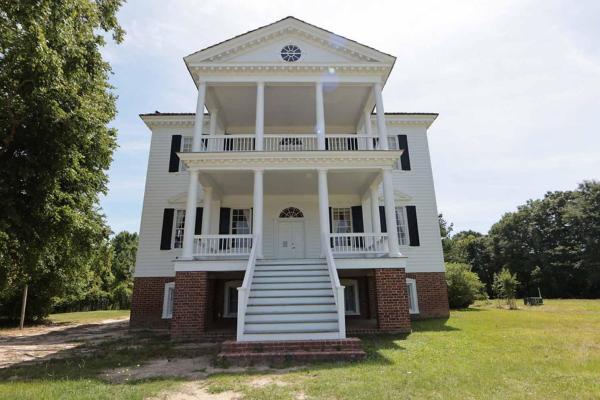
A former British headquarters, explore the reconstructed Kershaw/Cornwallis House, British redoubts, and programs about colonial life.

Battlefield | Historic Site
Moncks Corner, SC

Eighteenth-century Moncks Corner was a crossroads settlement of stores and taverns at the intersection of the Cherokee Path (the Indian traders’ path) and the road from Charleston to Santee. A powder magazine was established in 1760 and the village was occupied as a store depot by the British during the Revolutionary War.