Trail Sites

Liberty Trail Historic Sites

Discover the myriad of sites across The Liberty Trail where significant cultural and Revolutionary history unfolded. From military ruins to meticulously restored mansions, immerse yourself in the footsteps of our nation’s history-makers.

States of Interest:

There are no results matching your search. Please try again.

Filter By:
States of Interest

Liberty Trail History Makers

The Revolutionary War was a war unlike any other — one of ideas and ideals, that shaped “the course of human events. Explore the history and personalities from this pivotal time in American history.
Biography

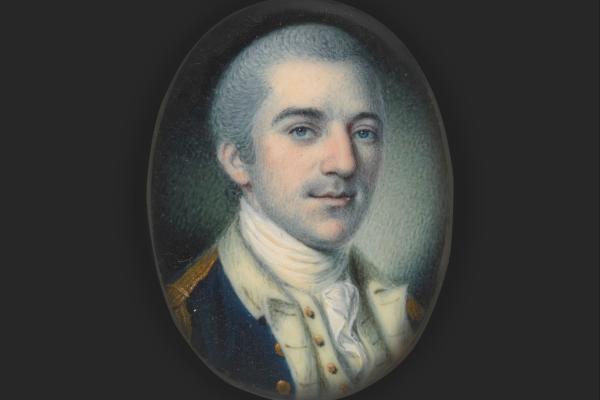
Tarleton, active in the Southern Campaign, came to be known as the ‘butcher’ after Continental soldiers accused his dragoons of disregarding a Patriot surrender by attacking the Americans after they laid down their arms at the Battle of Waxhaws.

Biography

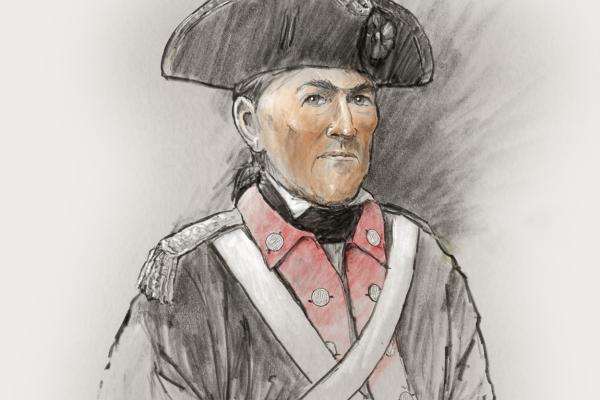
Frontier surveyor turned Patriot officer, William Lenoir carried the Revolution into North Carolina’s backcountry—fighting at Kings Mountain, surviving the chaos of Pyle’s Massacre, and emerging from war as one of Wilkes County’s most enduring civic leaders.
Biography

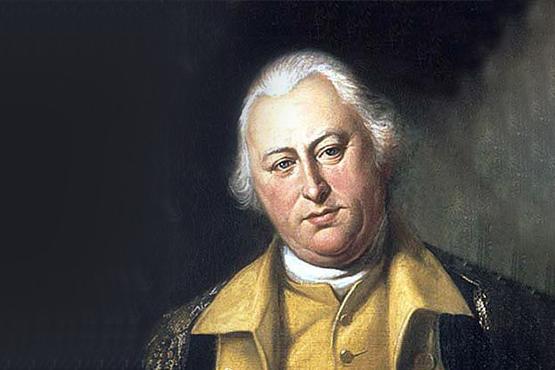
In 1779, after a stalemate in the north, Cornwallis went south as second in command to Sir Henry Clinton. Clinton captured Charleston in May 1780. Cornwallis pressed on to defeat General Horatio Gates at Camden, South Carolina, on August 16, 1780.

We invite you to visit the preserved locations along the Liberty Trail and to immerse yourself in the extraordinary events that determined the fate of a nation.
Historic Site |
Gresham, SC

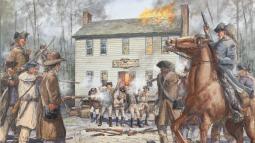
Loyalists ambush a contingent of Patriot militia at a tavern in December of 1780, leading to a massacre

Historic Site | Historic House
McConnells, SC

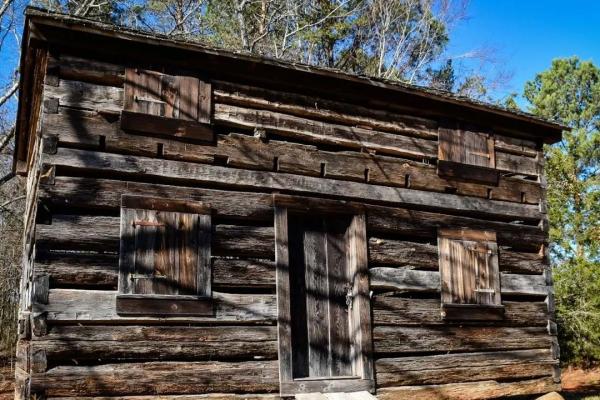
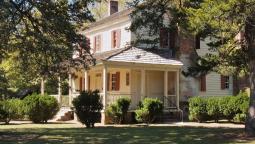
Discover the history of the Scots-Irish and African-Americans through preserved buildings and living history experiences of the Brattonsville community.

Historic Site | Historic House
Clemson, SC

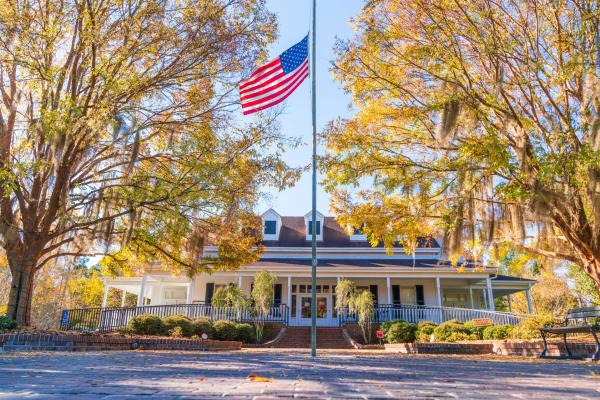
Located near the famous Treaty of Hopewell site, the Hopewell Plantation house was the Pickens' family home and later served as the South Carolina Governor's Mansion.

State/County Park | Historic Site
Charleston, SC

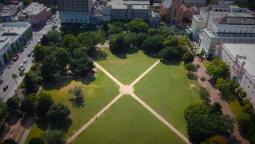
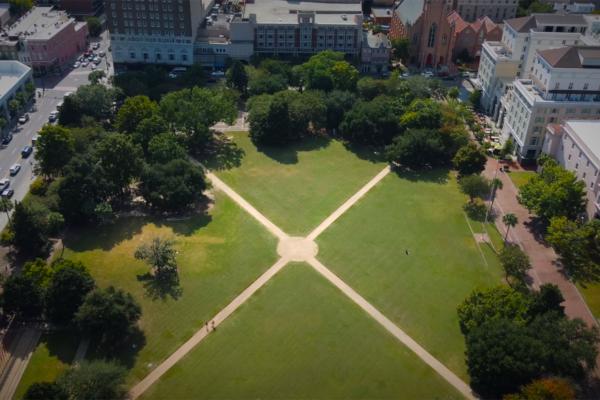
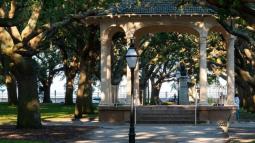
Marion Square, named in honor of Francis Marion, is greenspace in downtown Charleston, South Carolina and features remnants of The Hornwork, a large fortification built in 1758 that played a major role in the fight for independence.

Historic Site
Gaffney, SC

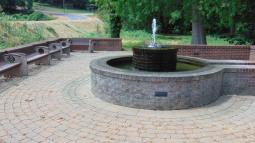
Three unknown British soldiers wounded at the nearby Battle of Cowpens died here at Limestone Springs and were buried on the land by order of Patriot Captain Vardry McBee Sr. and his wife, Hannah Echols.

Historic Site |
Pamplico, SC

Located in the Pee Dee region of South Carolina, it was here that Francis Marion signed a treaty with a local Loyalist militia leader, effectively ending hostilities in the area

Historic Site
Charleston, SC

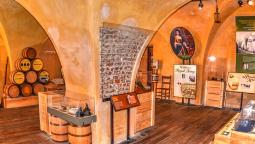
Completed in 1771, the Old Exchange Building is a Charleston landmark and the site of some of the most important events in South Carolina history. Over the last two and a half centuries, the building has been a commercial exchange, custom house, post office, city hall, military headquarters, and museum.

Battlefield | Historic Site
Camden, SC

A former British headquarters, explore the reconstructed Kershaw/Cornwallis House, British redoubts, and programs about colonial life.

Historic Site | Fort/Outpost
Charleston, SC

One of the many forts that dotted the landscape around Charleston, Patriots seized this fortification and raised the Moultrie flag, which bears resemblance to the modern standard of South Carolina.

Battlefield
Pinewood, SC

McLeroth and his 64th Regiment were escorting 200 recruits from Charleston to Camden when Marion, with about 700 men, surprised them at Halfway Swamp.

Battlefield |
Camden, SC

The Battle of Camden was a devastating defeat suffered by the Americans in the British military offensive in the South.

Historic Site | Gardens & Grounds
Charleston, SC

The plantation & gardens bears witness to 350 years of American history. Learn about the Europeans who colonized South Carolina, and the enslaved people who worked in the rice fields and gardens.