-
The BlogBiographies
-
Videos

We invite you to visit the preserved locations along the Liberty Trail and to immerse
yourself in the extraordinary events that determined the fate of a nation.
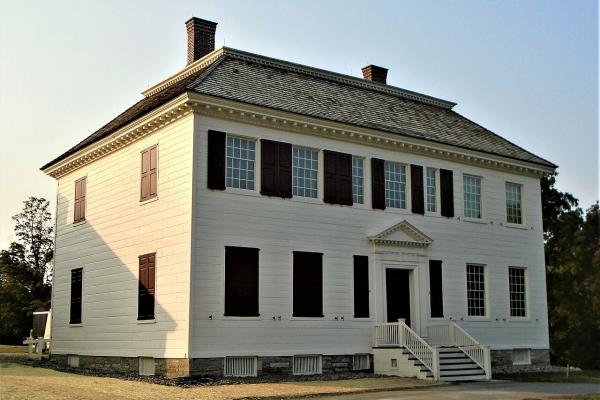
The Johnson Hall State Historic Site was the home of Sir William Johnson, the British Superintendent of Indian Affairs in the Province of New York and a Major General who fought in King George’s War and the French and Indian War.
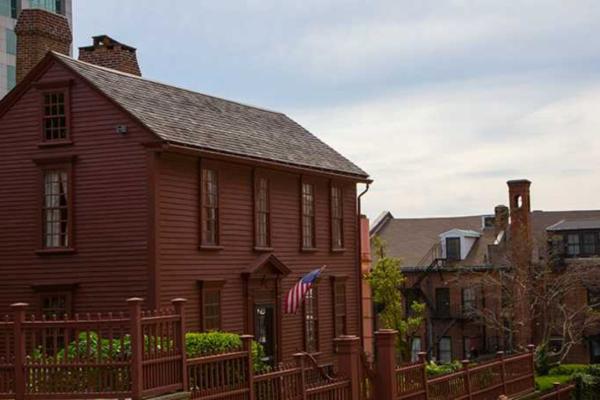
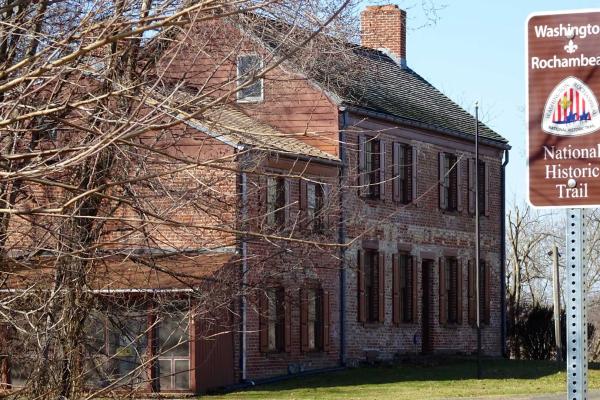
Utilized during the second Middlebrook encampment by the Continental Army, this home served as the headquarters for Nathanael Greene from 1778-1779.
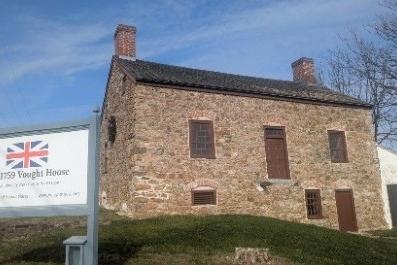
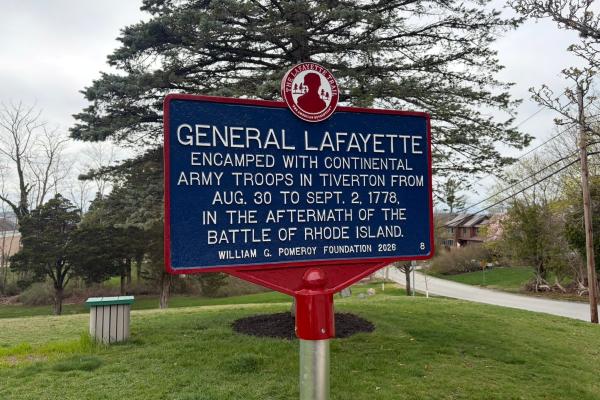
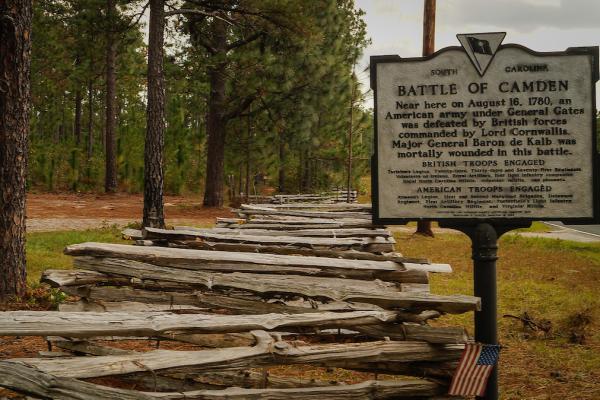
The Battle of Camden was a devastating defeat suffered by the Americans in the British military offensive in the South.
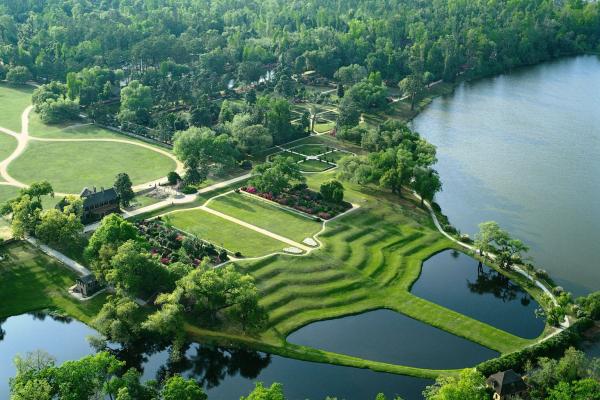
Middleton Place is America’s Oldest Landscaped Gardens and home to a signer of the Declaration of Independence.
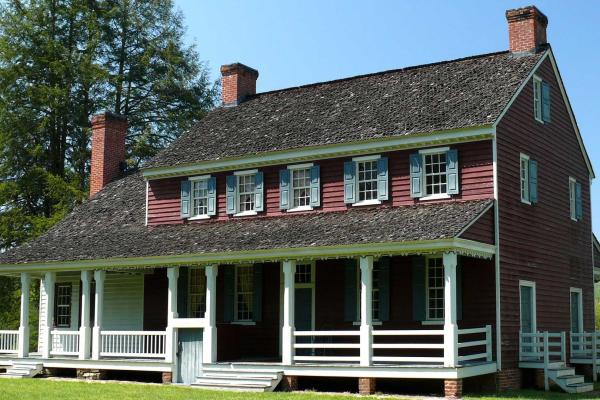
Built in 1792 by Revolutionary War officer William Lenoir, Fort Defiance preserves the homestead that rose near the site of an earlier frontier fort and reflects the legacy of one family for nearly two centuries.
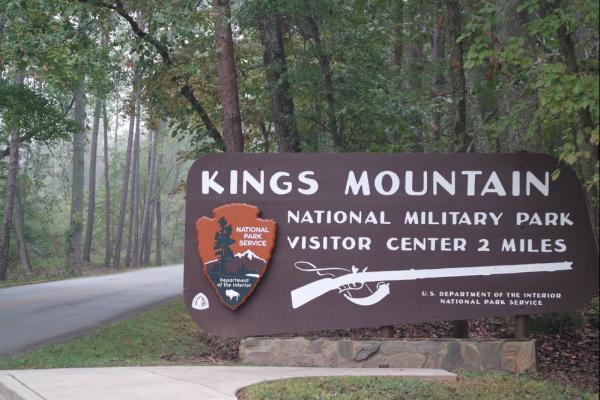
On August 16, 1780, the unexpected Patriot success at Kings Mountain infused those favoring rebellion with new confidence.
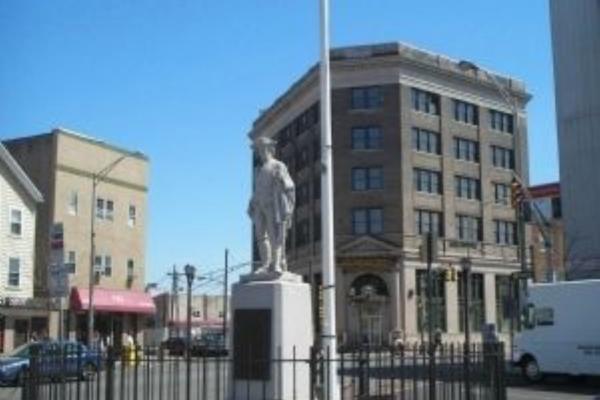
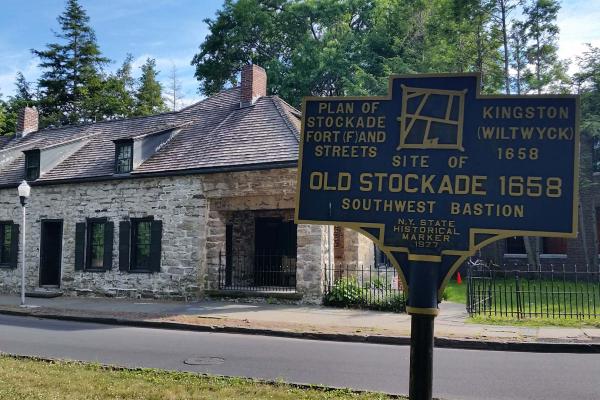
On October 16, 1777, British forces under John Vaughan attacked and burned much of Kingston, New York, then the state’s first capital. Though the raid caused widespread destruction and forced the New York government to flee, it ultimately did little to alter the course of the Revolutionary War.
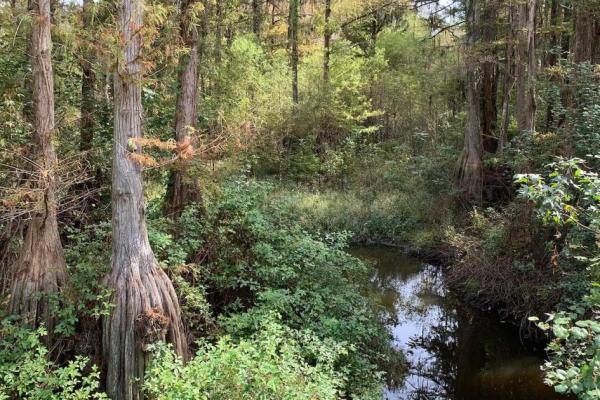
McLeroth and his 64th Regiment were escorting 200 recruits from Charleston to Camden when Marion, with about 700 men, surprised them at Halfway Swamp.