-
The BlogBiographies
-
Videos

We invite you to visit the preserved locations along the Liberty Trail and to immerse
yourself in the extraordinary events that determined the fate of a nation.
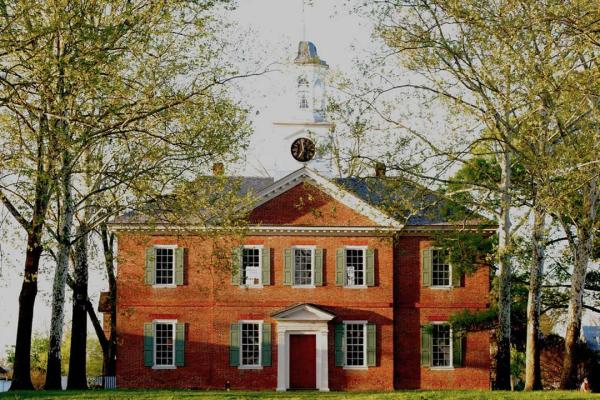
Built in 1767, the Chowan County Courthouse is one of the oldest operating courthouses in the country and still serves the North Carolina Supreme Court to this day.
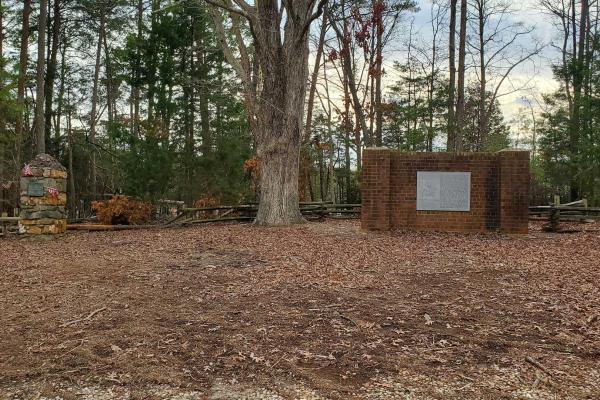
In an attempt to stall Cornwallis force, a contingent of Patriots initiated a delaying action which led to the death of General William Davidson
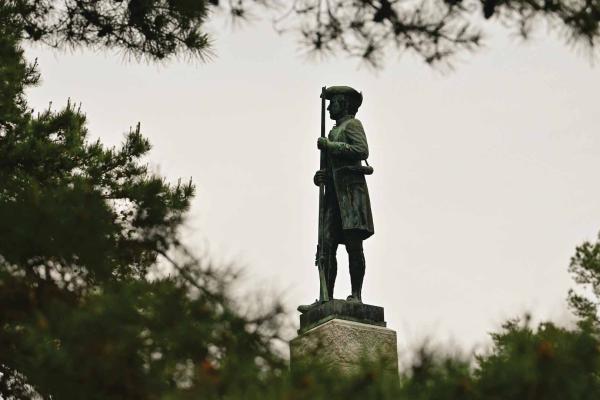
The Battle of Alamance site marks the 1771 clash between royal militia and Regulator rebels, often called the last battle of the colonial period. Visitors can explore monuments and exhibits interpreting this early struggle over authority in the Carolina backcountry.
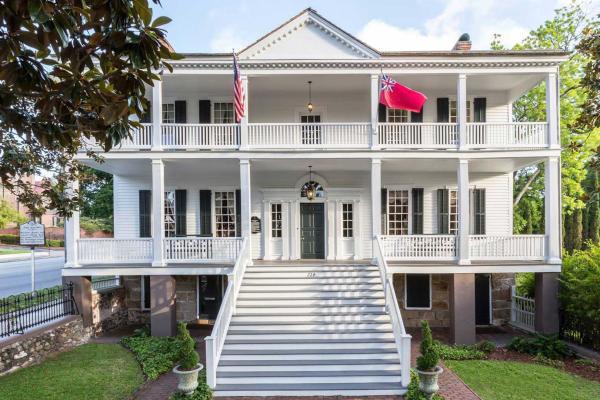
Home to a Loyalist sympathizer, the Burgwin-Wright House stands as one of the oldest structures in Wilmington. In 1781, the likes of Cornwallis and his officers inhabited the home for a brief period.
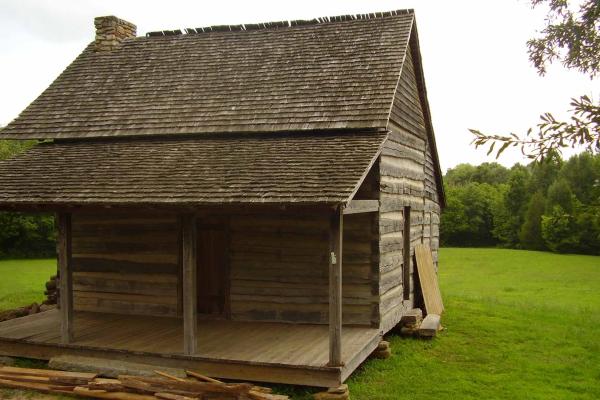
Located an hour away from Charlotte, the Ramsour's Mill battleground marks the site of the first Patriot victory in the south following the fall of Charleston.
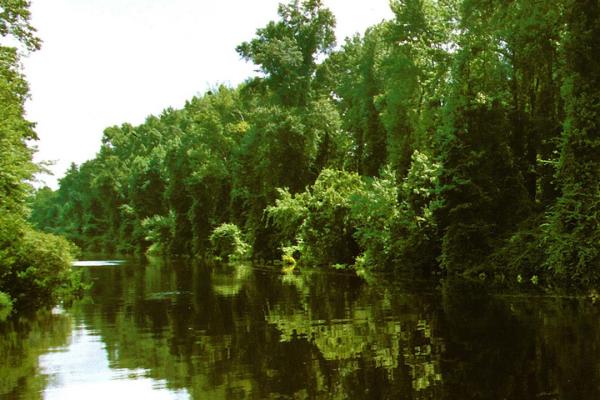
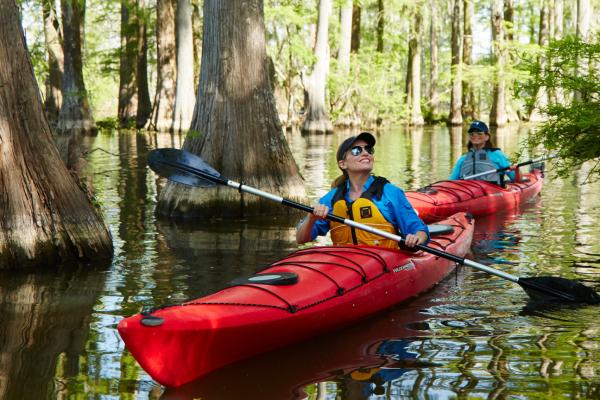
Located just south of the Chesapeake Bay, this "uninhabitable" Great Dismal Swamp was home to thousands of Native Americans and Maroons--self-emancipated slaves--throughout the 18th and 19th centuries.
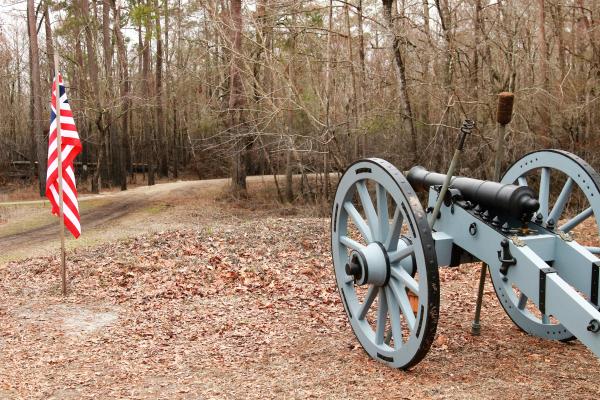
Now the site of one of the last Scottish broadsword charges in history, nearly 1,000 North Carolina Patriots faced off against well-trained Highlanders in the first significant victory for the Patriots in the Revolution
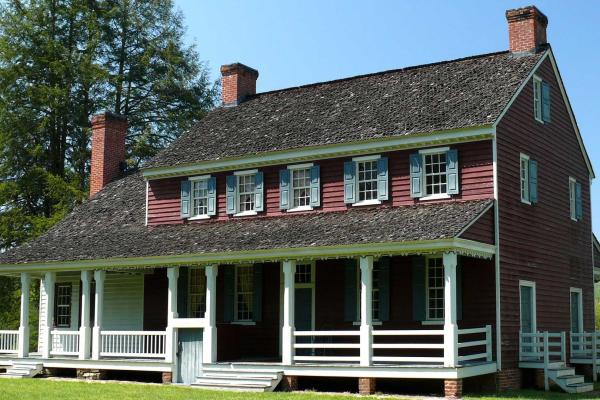
Built in 1792 by Revolutionary War officer William Lenoir, Fort Defiance preserves the homestead that rose near the site of an earlier frontier fort and reflects the legacy of one family for nearly two centuries.
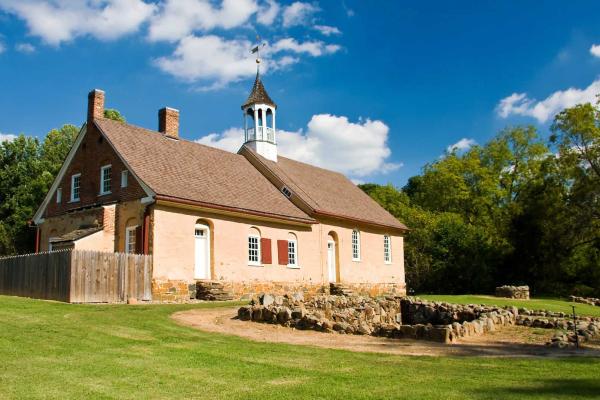
Once a thriving commercial hub, Bethabara was home to a Moravian settlement in Winston-Salem that witnessed the French and Indian War, the Regulator War, and the American Revolution.
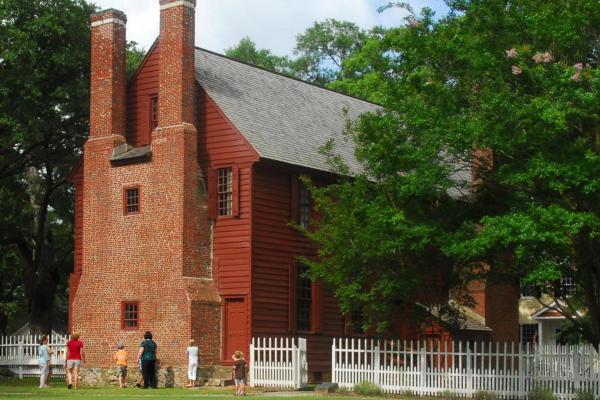
North Carolina's first official town and port of entry, Bath served as an early hub of trade and development during the Colonial period.
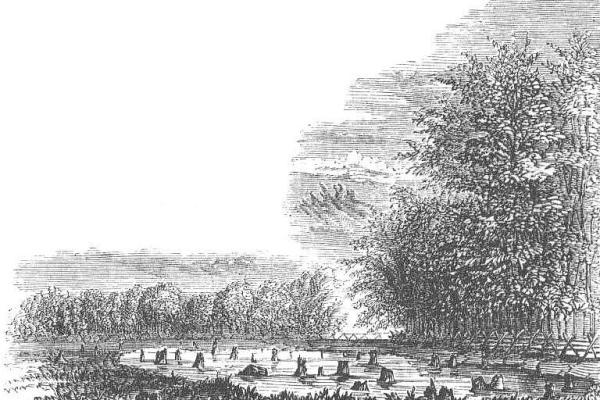
Patriot forces under Andrew Pickens and "Light Horse Harry" successfully rout British forces in Alamance County following Cornwallis' failed attempt to catch Nathanael Greene during the "Race to the Dan"
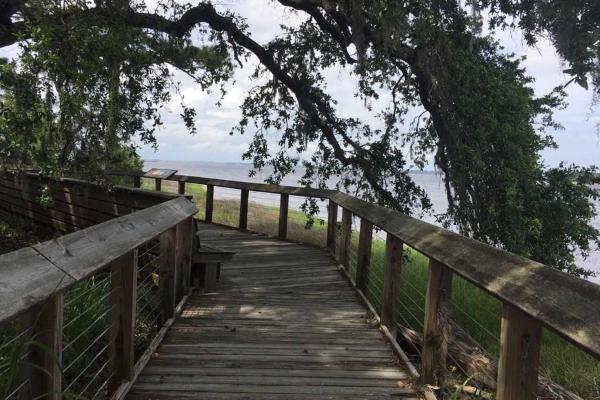
The site of a former colonial port that thrived throughout the mid-18th century, most of the town was reportedly burned down by the British in 1776