-
The BlogBiographies
-
Videos

We invite you to visit the preserved locations along the Liberty Trail and to immerse
yourself in the extraordinary events that determined the fate of a nation.
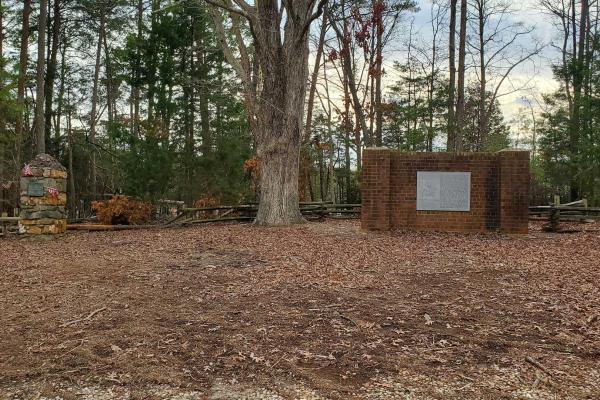
In an attempt to stall Cornwallis force, a contingent of Patriots initiated a delaying action which led to the death of General William Davidson
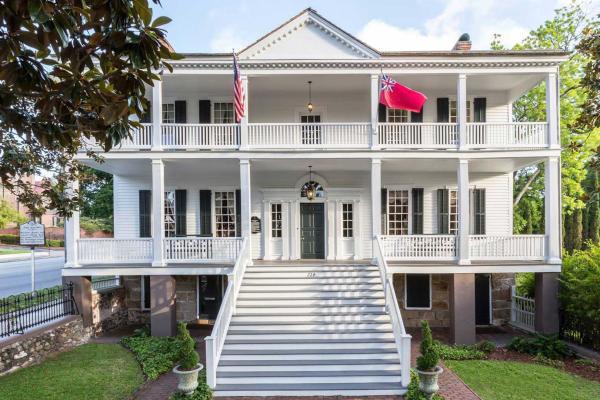
Home to a Loyalist sympathizer, the Burgwin-Wright House stands as one of the oldest structures in Wilmington. In 1781, the likes of Cornwallis and his officers inhabited the home for a brief period.
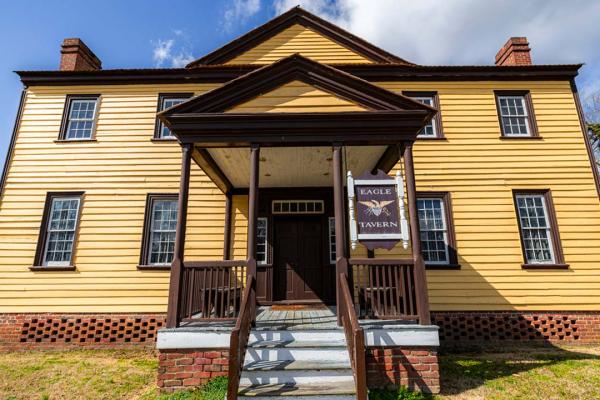
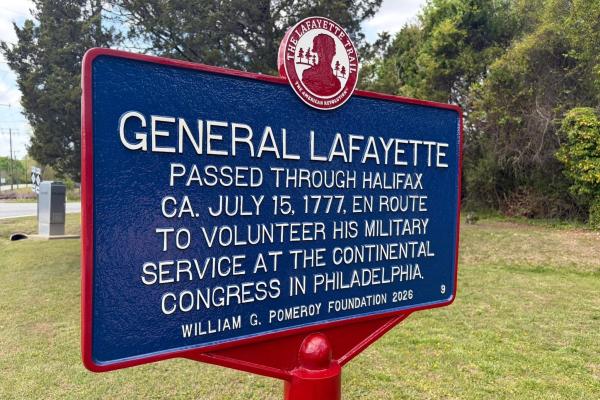
Explore colonial Halifax at a preserved Revolutionary-era town where historic homes, public spaces, and hands-on exhibits reveal how North Carolinians lived, worked, and governed in the 1700s. From influential leaders’ residences to springs, markets, and river landings, the site brings everyday life in a pivotal American community into sharp focus.
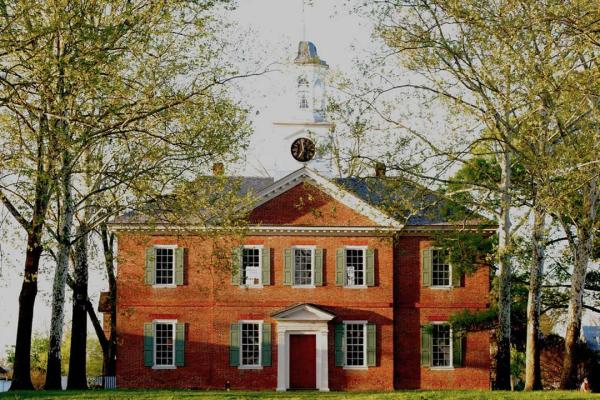
Built in 1767, the Chowan County Courthouse is one of the oldest operating courthouses in the country and still serves the North Carolina Supreme Court to this day.
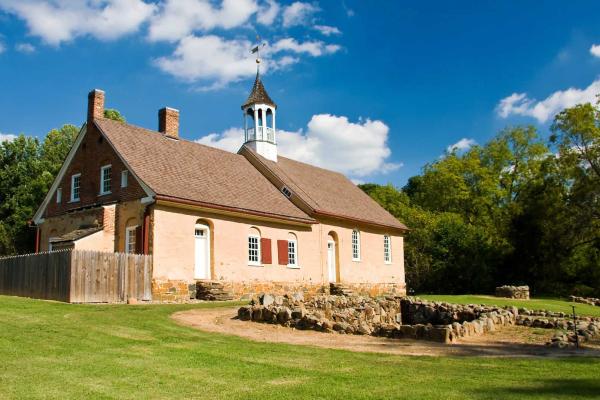
Once a thriving commercial hub, Bethabara was home to a Moravian settlement in Winston-Salem that witnessed the French and Indian War, the Regulator War, and the American Revolution.
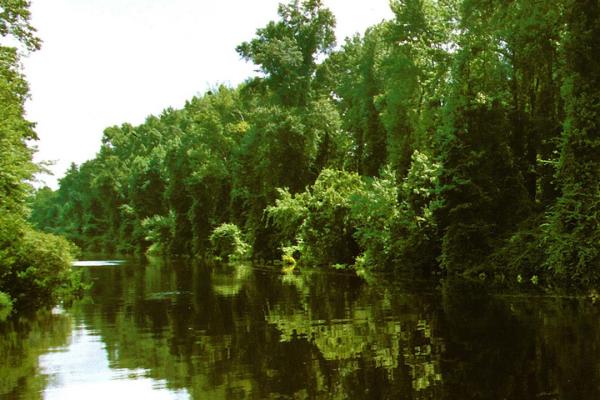
Located just south of the Chesapeake Bay, this "uninhabitable" Great Dismal Swamp was home to thousands of Native Americans and Maroons--self-emancipated slaves--throughout the 18th and 19th centuries.
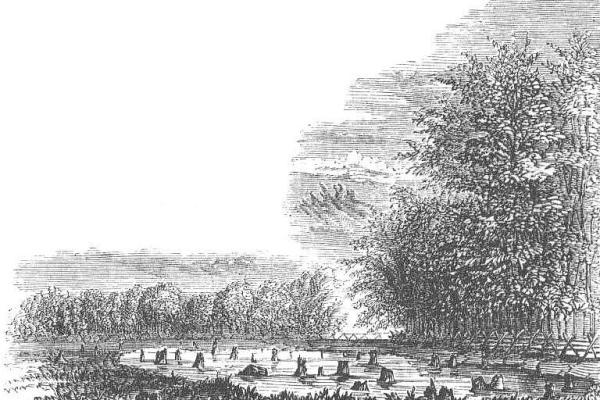
Patriot forces under Andrew Pickens and "Light Horse Harry" successfully rout British forces in Alamance County following Cornwallis' failed attempt to catch Nathanael Greene during the "Race to the Dan"
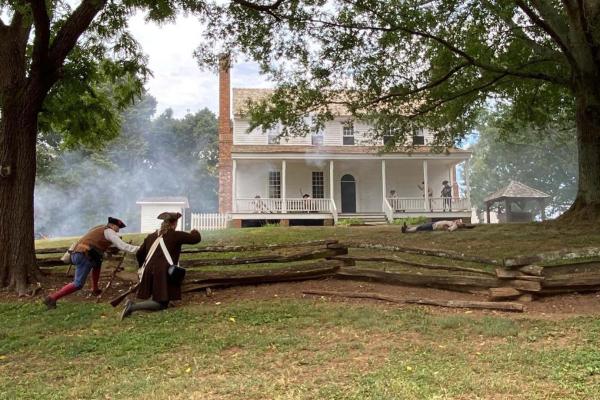
Also known as the Alston House, the House in the Horseshoe served as a Patriot outpost where a four hour skirmish took place on July 29, 1781.
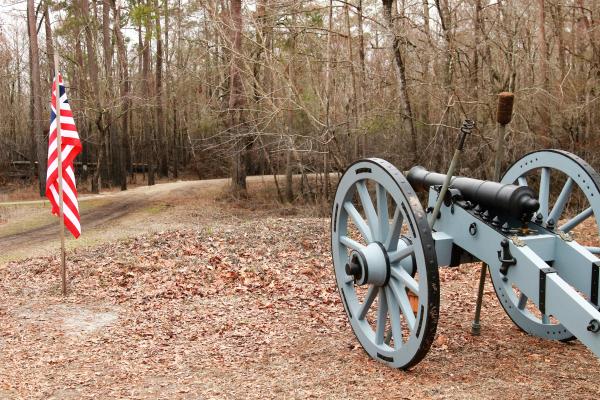
Now the site of one of the last Scottish broadsword charges in history, nearly 1,000 North Carolina Patriots faced off against well-trained Highlanders in the first significant victory for the Patriots in the Revolution
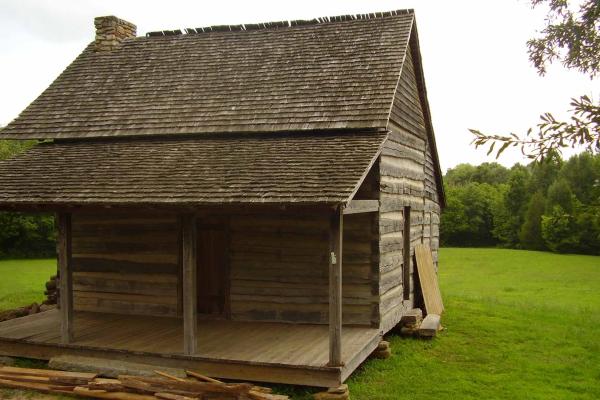
Located an hour away from Charlotte, the Ramsour's Mill battleground marks the site of the first Patriot victory in the south following the fall of Charleston.
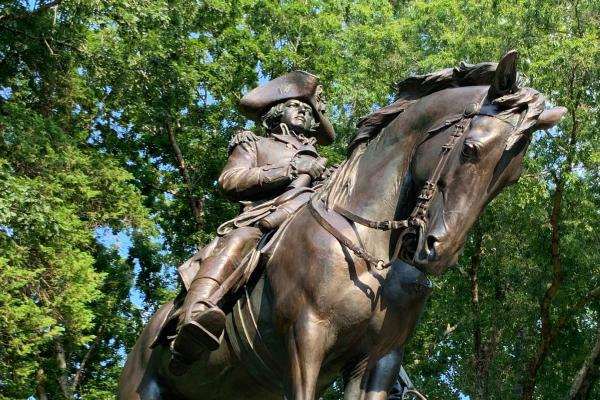
One of the final battles of the Southern Campaign, the Battle of Guilford Courthouse cemented the British path to final defeat at the Battle of Yorktown.