Trail Sites
Liberty Trail Historic Sites

Discover the myriad of sites across The Liberty Trail where significant cultural and Revolutionary history unfolded. From military ruins to meticulously restored mansions, immerse yourself in the footsteps of our nation’s history-makers.

States of Interest:

Liberty Trail History Makers

The Revolutionary War was a war unlike any other — one of ideas and ideals, that shaped “the course of human events. Explore the history and personalities from this pivotal time in American history.
Biography

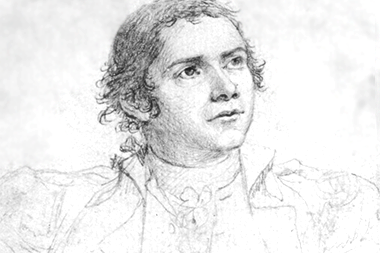
George Washington’s leadership guided the American colonies through revolution and into nationhood. As a general and the first president, he played a crucial role in shaping the United States’ early foundations.

Biography

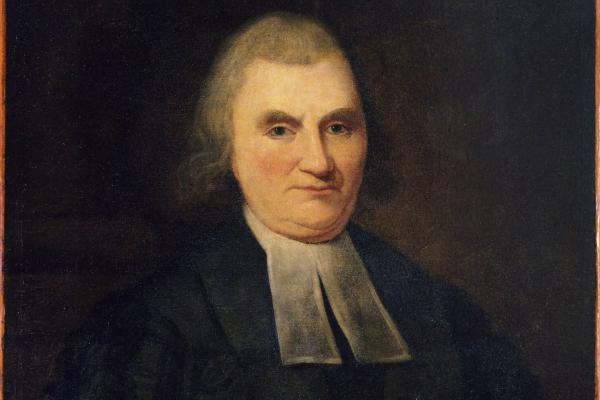
Molly Pitcher remains more legend than fact, but Mary Ludwig Hays closely matches the most famous tale of her bravery. From carrying water on the battlefield to manning a cannon at Monmouth, her story symbolizes the overlooked contributions of women in the American Revolution.

Biography

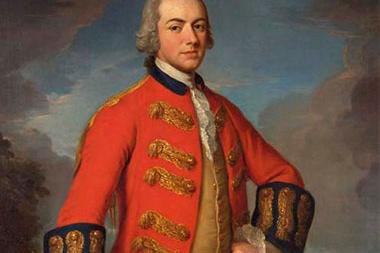
William Alexander, known as “Lord Stirling,” was a wealthy New Yorker who claimed a Scottish title and became a key Continental Army officer during the Revolutionary War, earning distinction at the Battle of Long Island and later serving in major campaigns like Princeton and Brandywine. Despite his aristocratic airs, he proved a loyal patriot and capable commander, ultimately dying of gout in 1783 just before the war’s end.

Exploring History
We invite you to visit the preserved locations along the Liberty Trail and to immerse yourself in the extraordinary events that determined the fate of a nation.
Historic Site |
Manalapan Township, NJ

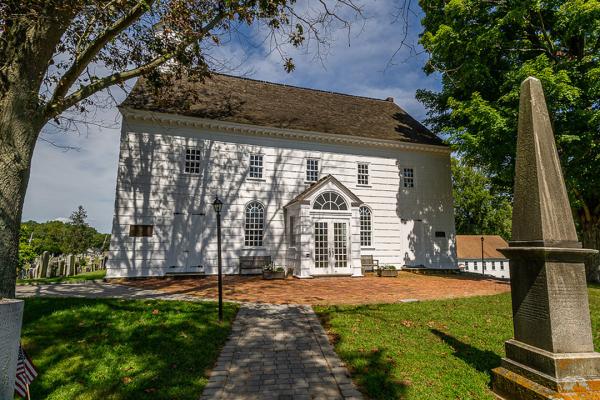
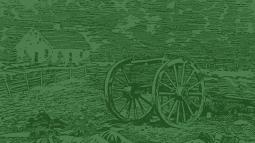
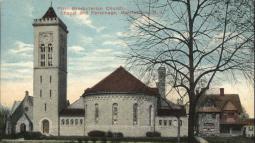
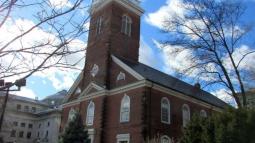
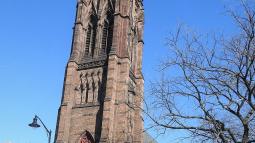
Located just behind the Continental artillery line on Perrine Ridge, this Presbyterian church now houses the remains of several patriots in its cemetery.

Historic Site | State/County Park
Bridgewater, NJ

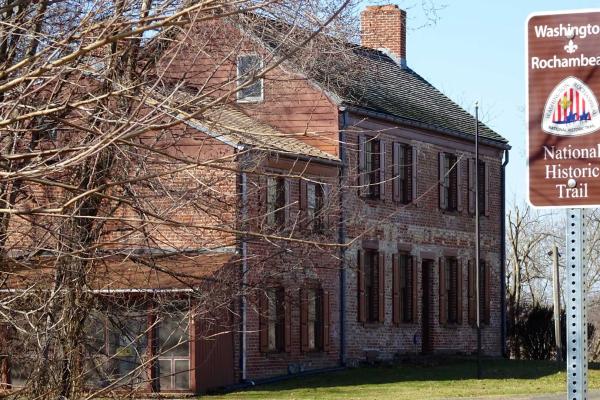
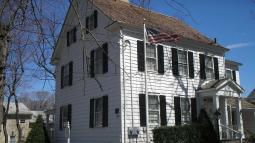
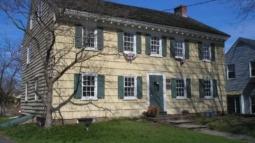
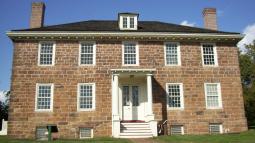
Utilized during the second Middlebrook encampment by the Continental Army, this home served as the headquarters for Nathanael Greene from 1778-1779.

Historic Site |
Mount Laurel Township, NJ

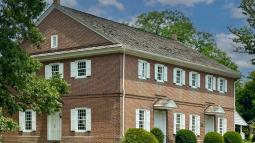
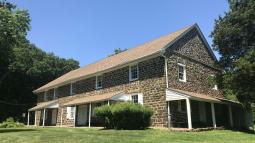
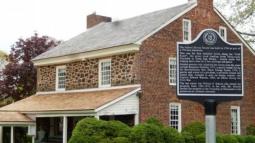
A precursor movement to the Battle of Monmouth, this Quaker meeting house was surrounded by the encampment of British troops under Alexander Leslie in mid-June of 1778.

State/County Park | Historic House
Princeton, NJ

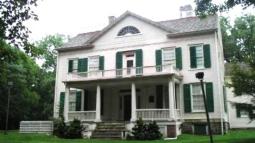
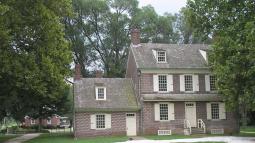
Located on the Princeton Battlefield, this home served as a field hospital in the wake of the battle. At this site, Patriot officer Hugh Mercer died while in care from fatal wounds sustained during the decisive engagement.

Historic Site | Battlefield
Princeton, NJ

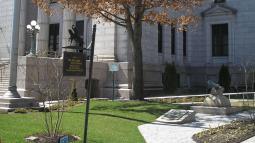
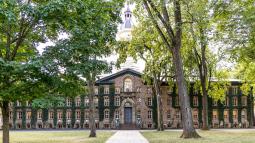
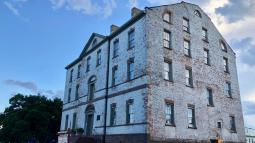
Nassau Hall, once the largest stone building in the colonies, housed the College of New Jersey, now known as Princeton. During the Battle of Princeton in 1777, British troops fortified the building as a last stand defense.

State/County Park | Historic House
Basking Ridge, NJ

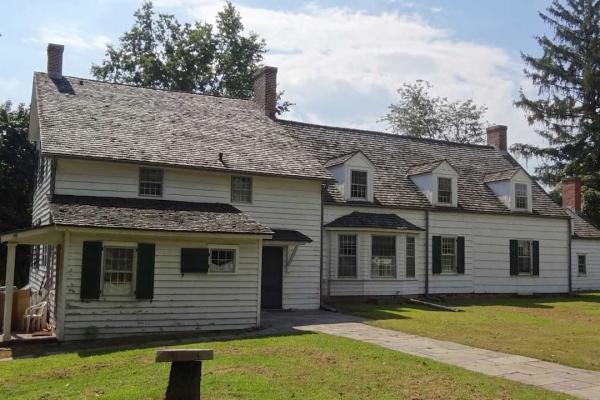
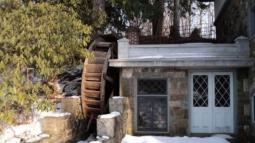
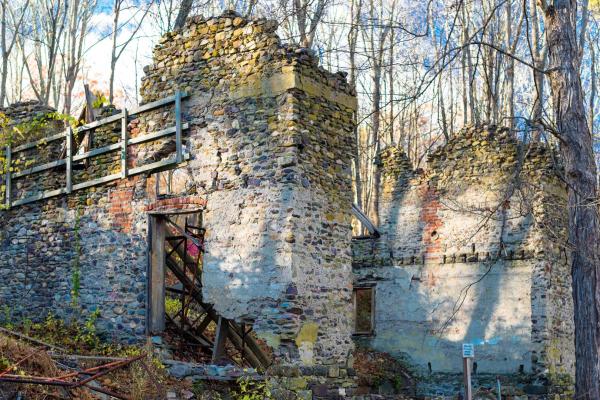
Once a sprawling manor complex in the New Jersey countryside belonging to Major General William Alexander, all that remains are two extant structures and the cellar of the original home.

Historic Site | Historic House
Piscataway, NJ

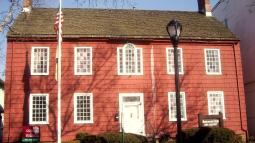
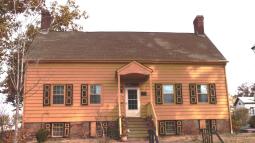
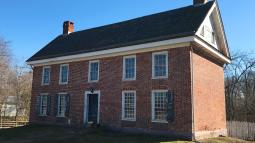
The Cornelius Low House, constructed in 1741, stands today as one of the finest examples of Georgian architecture in New Jersey.

Historic Site |
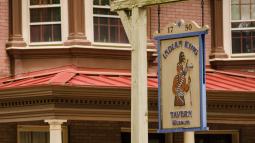
Englishtown, NJ

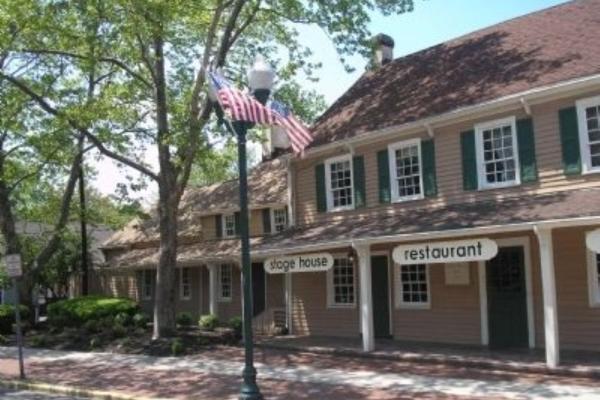
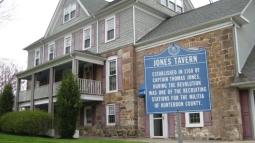
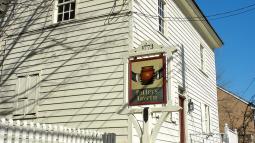
This tavern marked the turning point of Washington's advance against Henry Clinton's column. It was here that the order was given to Charles Lee to attack the next morning, June 28, 1778, thus commencing the Battle of Monmouth.

Historic Site | Fort/Outpost
Bedminister, NJ

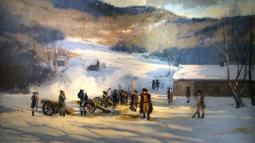
Nestled in the sloping mountains of New Jersey, the birthplace of American military academies can be found. Initially a part of a winter encampment, it became the proving grounds for Patriot artillerists.

State/County Park | Historic House
Titusville, NJ

The location of George Washington's famous crossing of the Delaware, the site is now a state park that offers historical interpretation and several recreational activities.

Historic Site |
Perth Amboy, NJ

The Royal Governor's Mansion of New Jersey is the only remaining proprietary governor's mansion of the original Thirteen Colonies still standing today. Built in the 1760s, it served as the residence gubernatorial residence of William Franklin, Benjamin Franklin's Loyalist son.

Battlefield
Mount Holly, NJ

The Battle of Mount Holly, also known as Iron Works Hill, fought on December 23, 1776, was a minor skirmish in which Hessian Colonel Carl von Donop occupied the town, diverting his forces from Trenton and indirectly contributing to Washington’s victory there three days later.