Trail Sites
Liberty Trail Historic Sites

Discover the myriad of sites across The Liberty Trail where significant cultural and Revolutionary history unfolded. From military ruins to meticulously restored mansions, immerse yourself in the footsteps of our nation’s history-makers.

States of Interest:

There are no results matching your search. Please try again.

Filter By:
States of Interest

Liberty Trail History Makers

The Revolutionary War was a war unlike any other — one of ideas and ideals, that shaped “the course of human events. Explore the history and personalities from this pivotal time in American history.
Biography

Andrew Jackson rose from a war-scarred orphan of the Revolutionary frontier to a celebrated general and populist president, shaping the nation through both battlefield victories and contentious political decisions.

Biography

Despite the prominent role Cornwallis played in the Revolution, Henry Clinton was blamed for the loss of the American colonies following the surrender at Yorktown.

Biography

During the Battle of Camden in August, Rawdon commanded Charges Lord Cornwallis's left wing. After defeat at Cowpens, Cornwallis sought out northern territory, leaving Rawdon behind to defend both Georgia and South Carolina with a miniscule force.

We invite you to visit the preserved locations along the Liberty Trail and to immerse yourself in the extraordinary events that determined the fate of a nation.
Historic Site | Battlefield
Spartanburg, SC

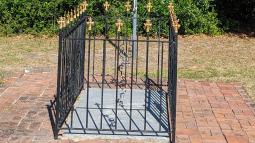
When Jane Black Thomas overheard Loyalists plotting a surprise attack on her son's militia camp, she rode nearly 60 miles through dangerous territory to warn him. Her daring ride gave Colonel John Thomas Jr. and his Spartan Regiment time to prepare an ambush that repelled the attackers — fueling Patriot momentum toward the war-changing Battle of King's Mountain just three months later.

Battlefield
Lancaster, SC

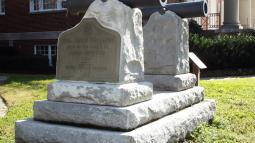
On May 29, 1780, British commander Banastre Tarleton engaged and overwhelmed a Patriot force under the command of Abraham Buford in a dreadful defeat for the Patriots.

Historic Site
Pineville, SC

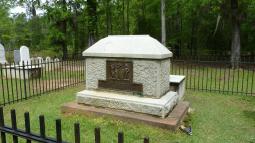
Francis Marion was a skilled military leader during the American Revolutionary War, known for his guerilla tactics and strategic maneuvers in the Southern Campaign. His contributions to the war effort and his enduring legacy as a symbol of American resilience and military ingenuity remain today.

Historic Site | Gardens & Grounds
Charlestown, SC

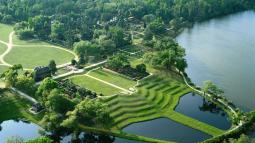
Middleton Place is America’s Oldest Landscaped Gardens and home to a signer of the Declaration of Independence.

National Park | Historic Site
Gaffney, SC
Stretching 330-miles through four states (Virginia, Tennessee, North and South Carolina) the Overmountain Victory National Historic Trail traces the route used by Patriot militia during the pivotal...
Battlefield
Clarendon County, SC

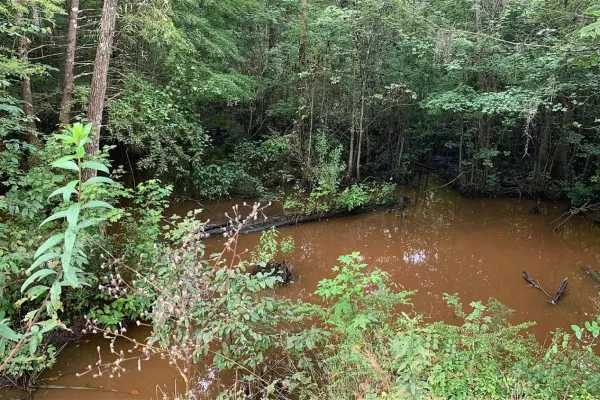
Patriot Francis Marion earns his famous nickname — "The Swamp Fox”— after a futile chase by British Commander Banastre Tarleton

Historic Site | Gardens & Grounds
Charleston, SC

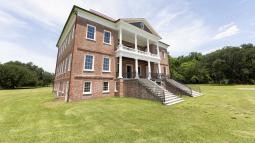
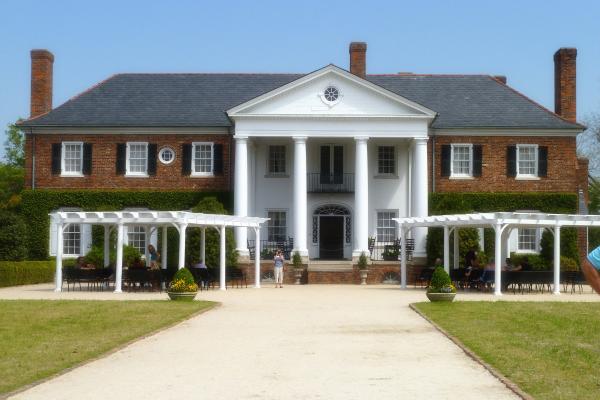
The plantation & gardens bears witness to 350 years of American history. Learn about the Europeans who colonized South Carolina, and the enslaved people who worked in the rice fields and gardens.

Battlefield | Historic Site
Charleston, SC

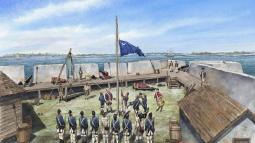
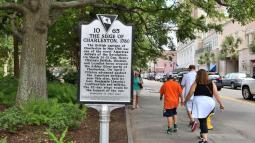
As part of their Southern Campaign, the British set their sights on taking the vital port of Charleston.

Battlefield | National Park
Blacksburg, SC

On August 16, 1780, the unexpected Patriot success at Kings Mountain infused those favoring rebellion with new confidence.

Historic Site |
Pamplico, SC

Located in the Pee Dee region of South Carolina, it was here that Francis Marion signed a treaty with a local Loyalist militia leader, effectively ending hostilities in the area

Historic Site | Historic House
Camden, SC

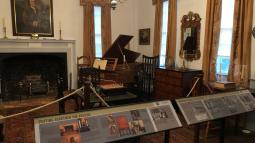
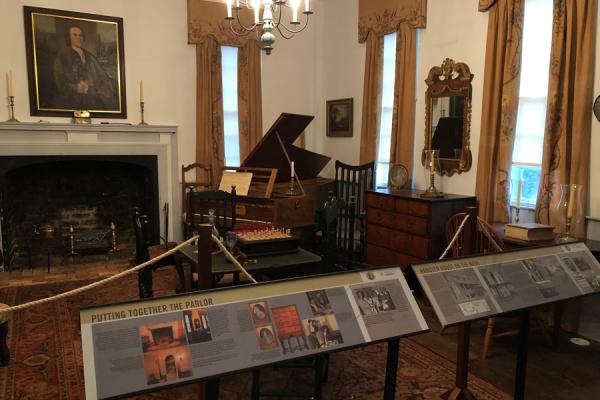
After the Siege of Charleston in 1780, the British established a headquarters at the Kershaw/Cornwallis House. Today the house and grounds are open to tours.

Historic Site | National Park
Mount Pleasant, SC

This park preserves the story of Charles Pinckney and his contributions to the U.S. Constitution, and of 18th century plantation life for free and enslaved people of Snee Farm inhabitants.