-
The BlogBiographies
-
Videos

We invite you to visit the preserved locations along the Liberty Trail and to immerse
yourself in the extraordinary events that determined the fate of a nation.
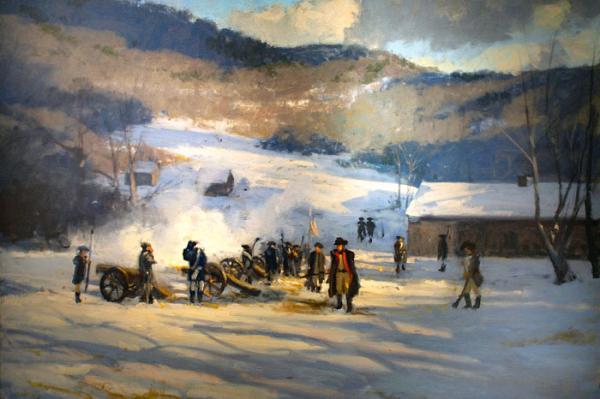
Nestled in the sloping mountains of New Jersey, the birthplace of American military academies can be found. Initially a part of a winter encampment, it became the proving grounds for Patriot artillerists.
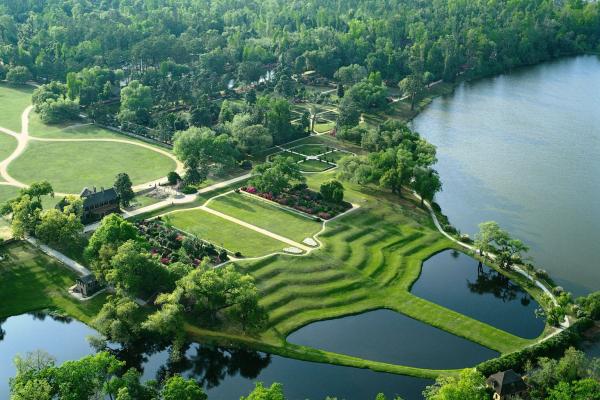
Middleton Place is America’s Oldest Landscaped Gardens and home to a signer of the Declaration of Independence.
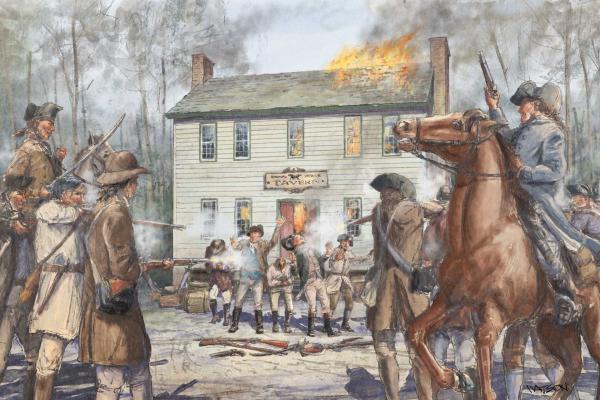
Loyalists ambush a contingent of Patriot militia at a tavern in December of 1780, leading to a massacre
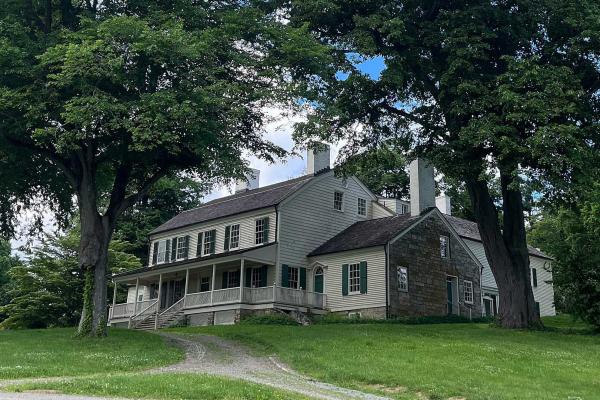
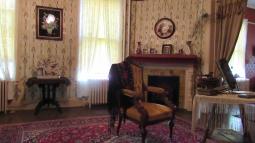
The home and farm of John Jay, one of America's Founding Fathers.
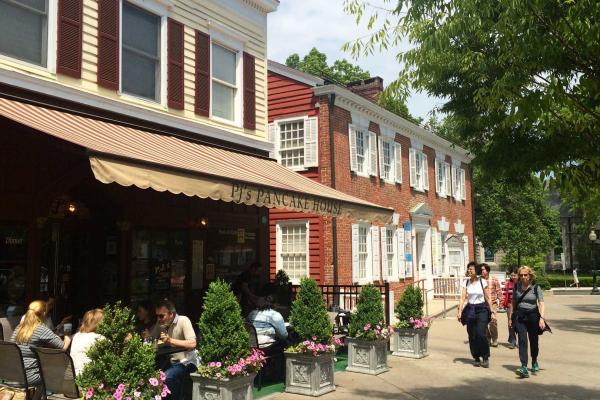
A hidden gem in the borough of Princeton, the Bainbridge House was constructed in the mid-1760s and stands as a hallmark of colonial architecture. Today, it acts as a museum and interpretive center.
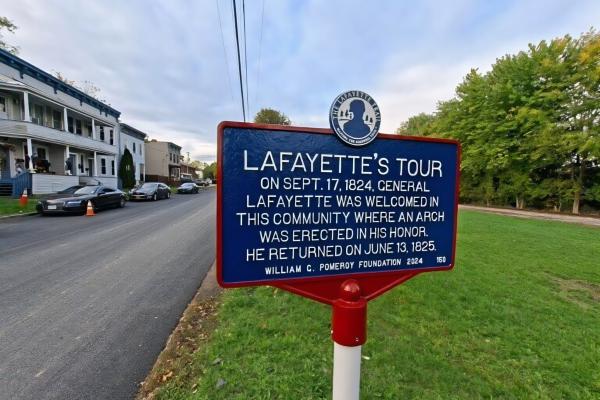
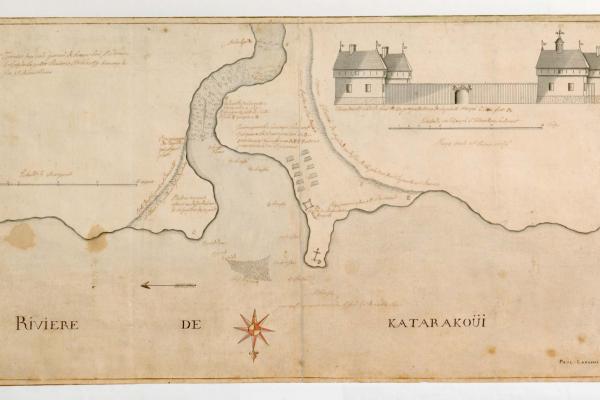
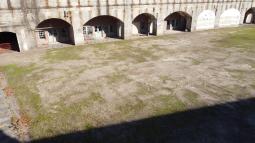
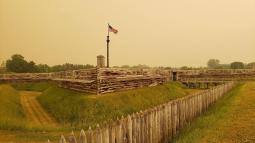
An historic fort established in 1749 that played a meaningful supporting role in both the Revolutionary War and the War of 1812.
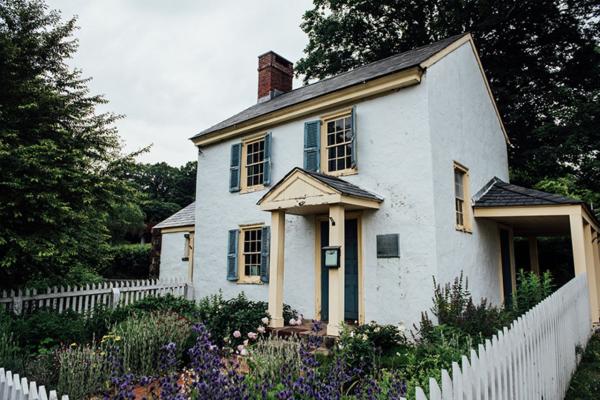
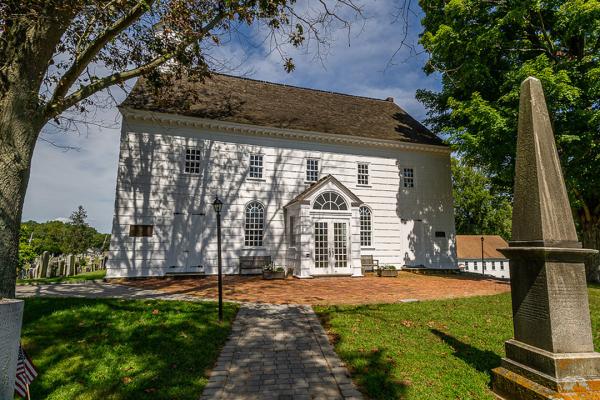
Located just behind the Continental artillery line on Perrine Ridge, this Presbyterian church now houses the remains of several patriots in its cemetery.
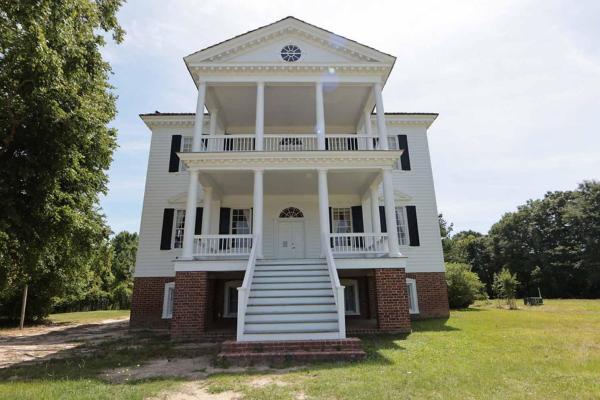
After the Siege of Charleston in 1780, the British established a headquarters at the Kershaw/Cornwallis House. Today the house and grounds are open to tours.
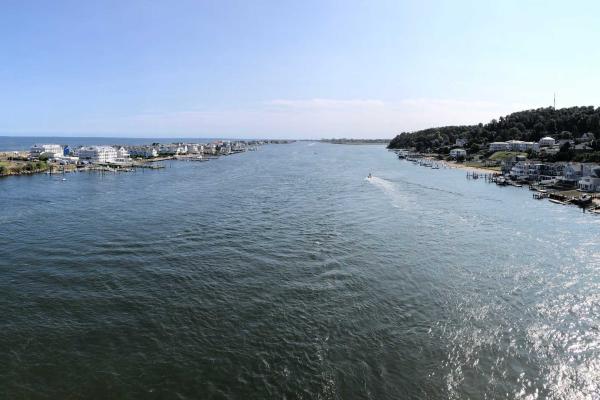
In September 1780, Loyalist Colonel Tye captured Patriot captain Joshua Huddy after a fierce struggle. A Patriot ambush capsized their boat, allowing Huddy to escape while Tye suffered a wound that would prove fatal.