-
The BlogBiographies
-
Videos

We invite you to visit the preserved locations along the Liberty Trail and to immerse
yourself in the extraordinary events that determined the fate of a nation.
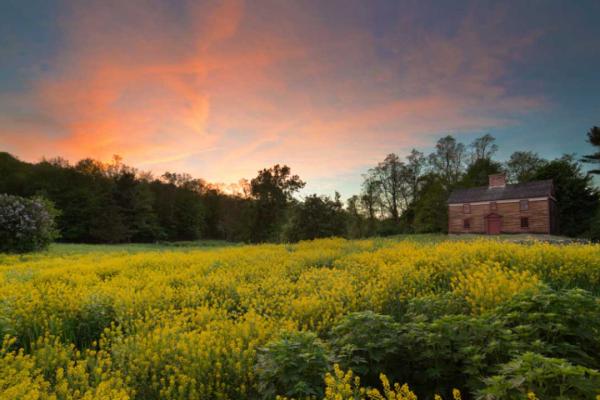
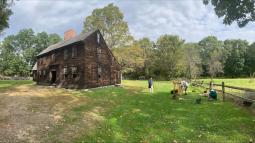
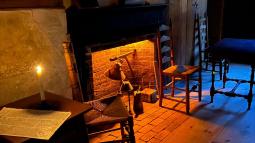
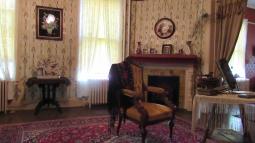
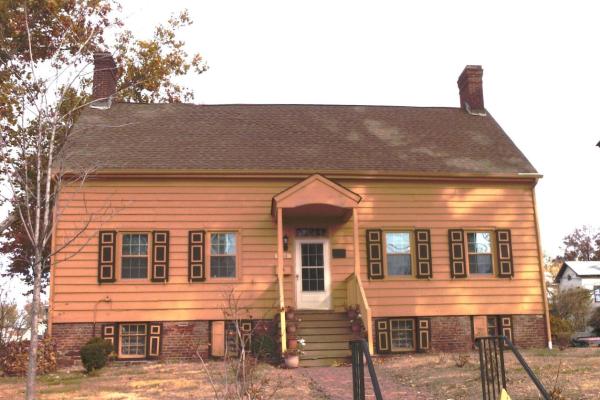
This building was the home of the captain of the Lincoln Minutemen, William Smith, who led his men at the Lexington Green on April 19, 1775.
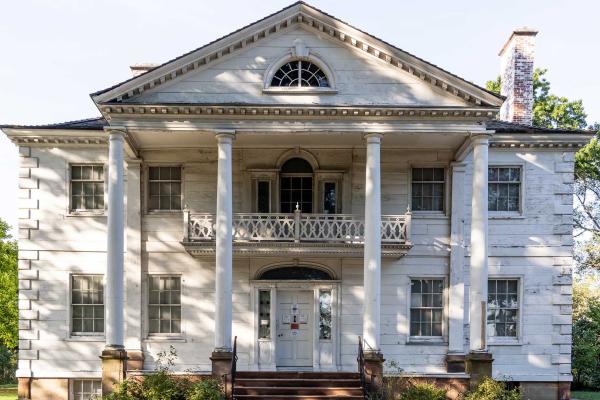
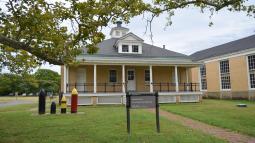
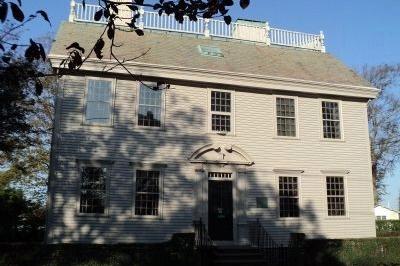
Constructed by a Loyalist prior to the Revolution, this home saw the likes of officers from both sides of the American Revolution.
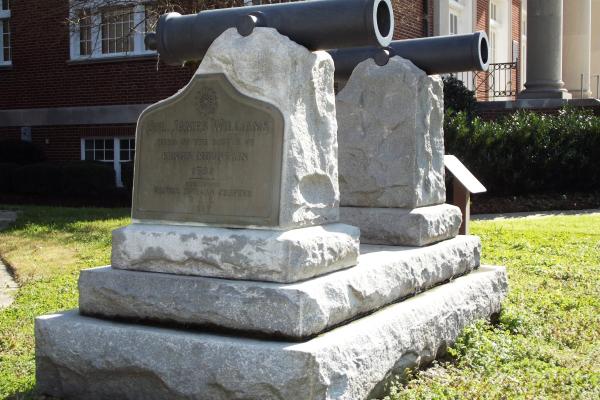
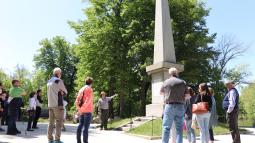
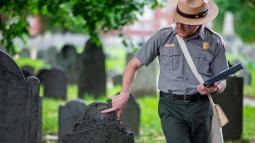
James Henderson Williams, a South Carolina militia colonel and Patriot leader, was killed at the Battle of Kings Mountain in 1780 and is commemorated here, where his remains were later reinterred and a memorial erected in his honor.
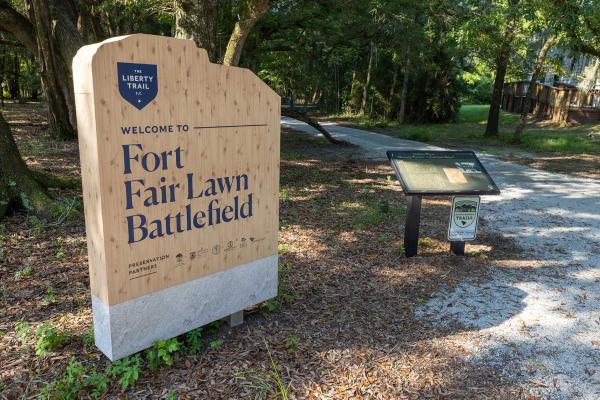
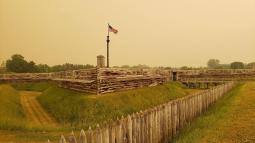
Fort Fair Lawn was a British outpost in 1780–1781 and was the target of a daring Patriot raid on November 17, 1781, and abandoned by the British a week later.
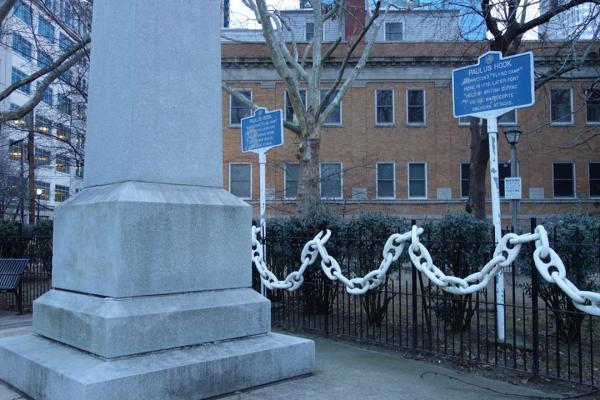
A small victory for the Continental Army, the Battle of Paulus Hook won the reassurances of the Patriots and compelled many to continue the fight for independence.
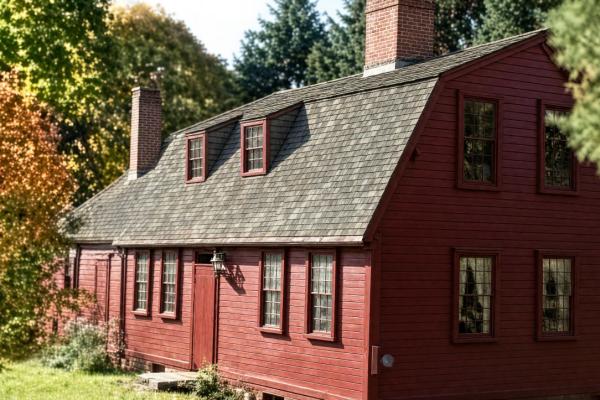
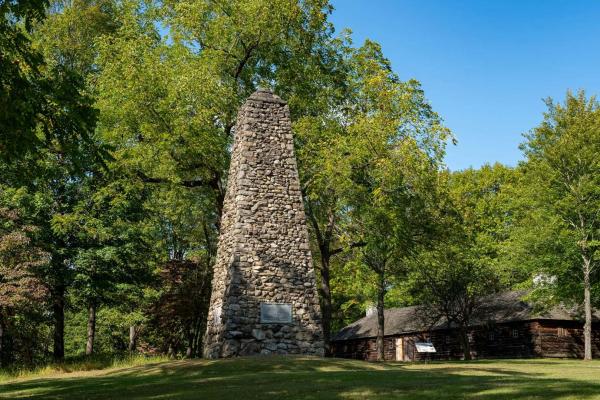
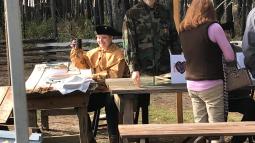
The New Windsor Cantonment Site preserves the final winter encampment of George Washington’s Continental Army, where nearly 7,500 soldiers awaited the war’s end in 1783.
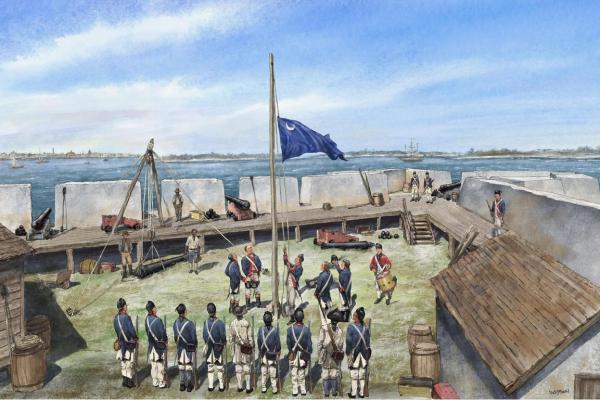
One of the many forts that dotted the landscape around Charleston, Patriots seized this fortification and raised the Moultrie flag, which bears resemblance to the modern standard of South Carolina.