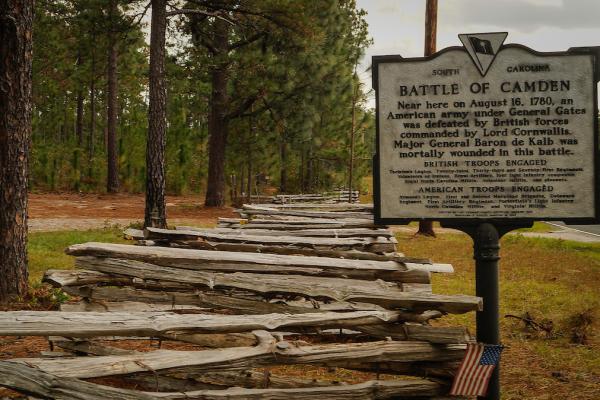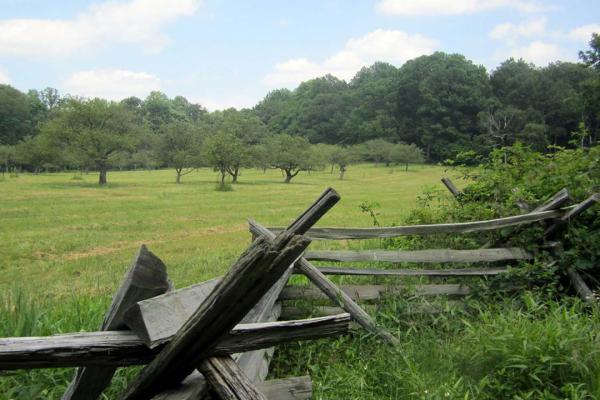
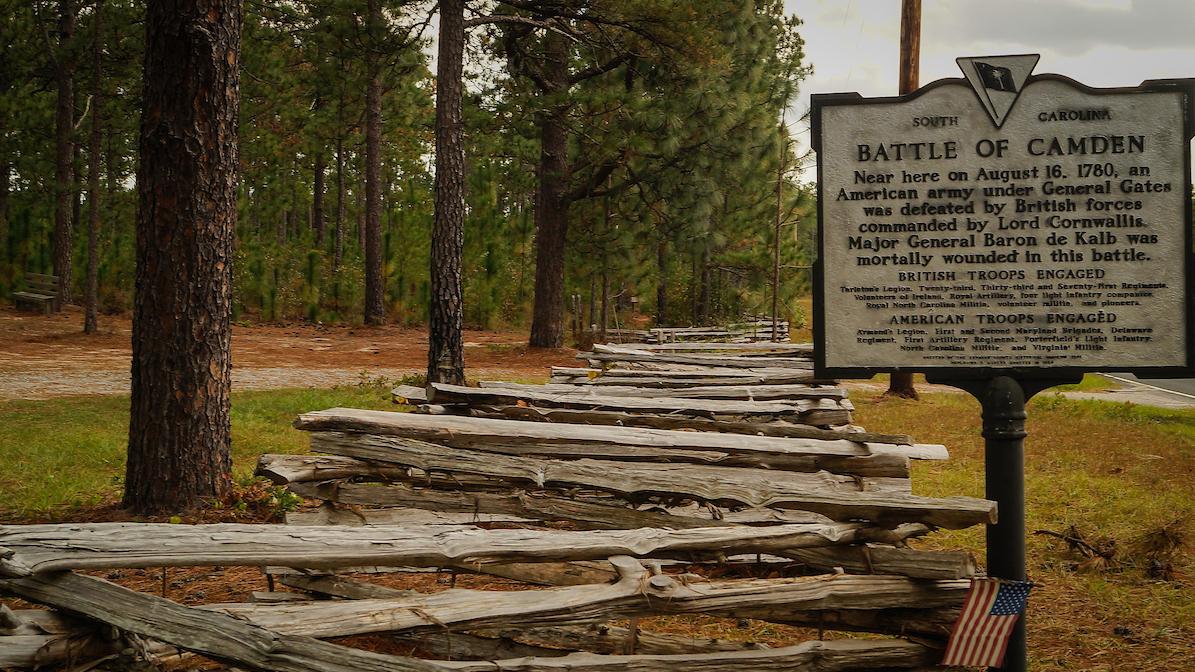
Image of a split rail fence along the side of a road with a historical marker sign reading Battle of Camede
The Liberty Trail

Trail Sites
The Liberty Trail connects National Parks, SC State Parks, and local sites with a series of new battlefield parks being developed through The Liberty Trail partnership. Combining the preservation with unique on-site interpretation and cutting-edge digital features, The Liberty Trail connects visitors to the extraordinary events that came to pass nearly 250 years ago and honor the patriots that decided the Revolution’s outcomes in South Carolina.
What's New On The Liberty Trail
Plan Your Visit
States of Interest:
States
Filter By:
Location Type
Experiences
Outdoor Activities
Events
The Liberty Trail Storytellers
Exploring the history and stories of the American Revolution.
Exploring History
We invite you to visit the preserved locations along the Liberty Trail and to immerse yourself in the extraordinary events that determined the fate of a nation.
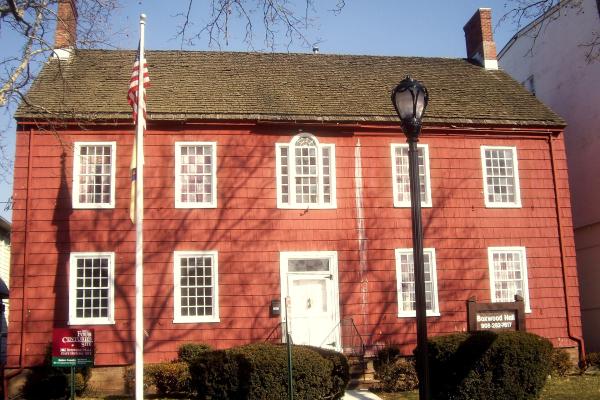
State/County Park | Historic House
Princeton, NJ

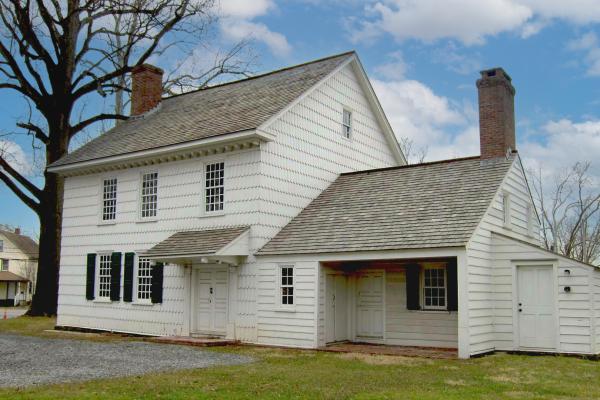
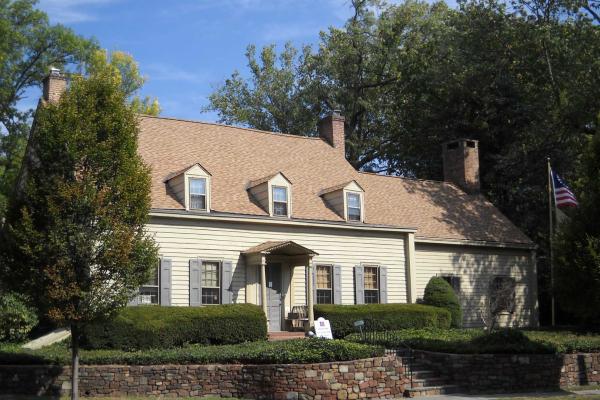
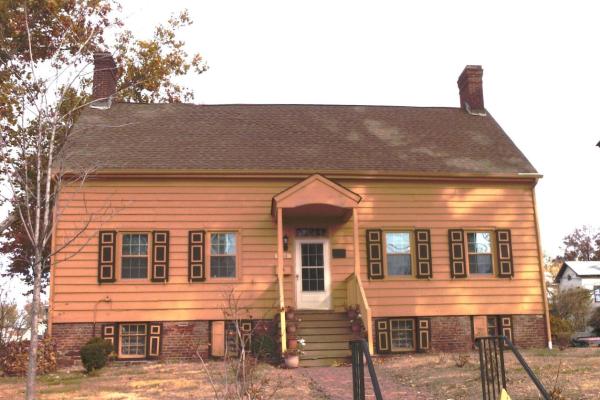
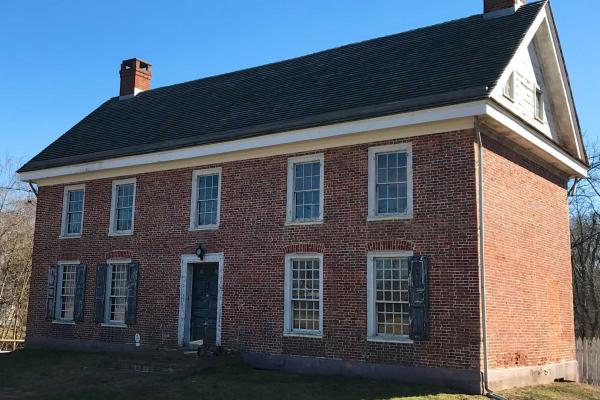
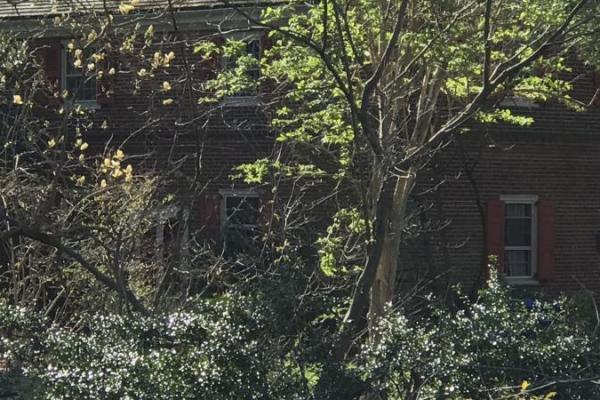
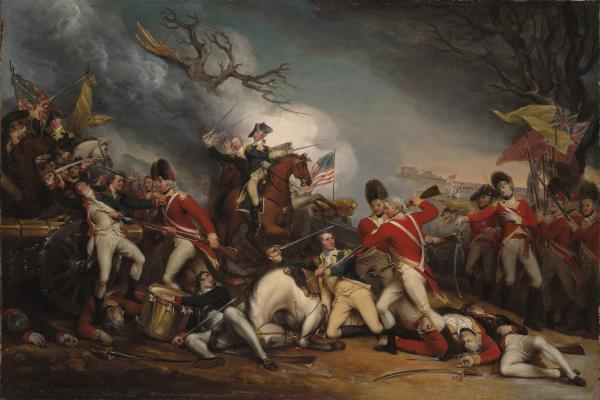
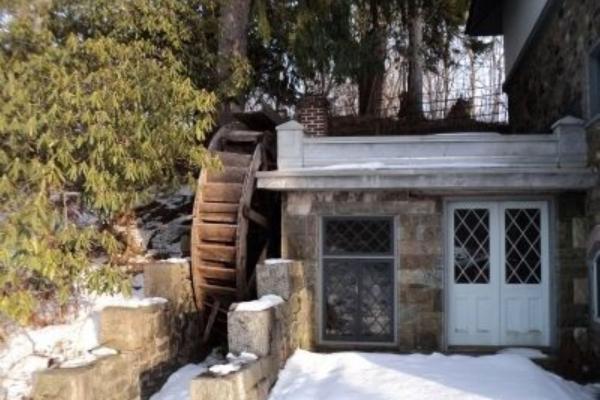
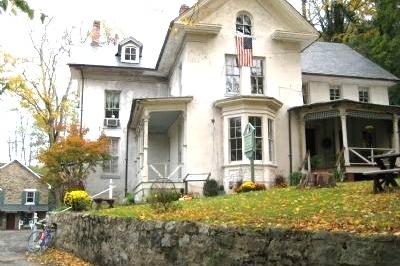
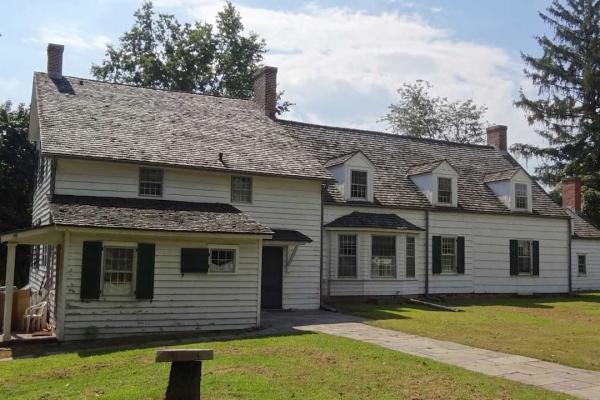
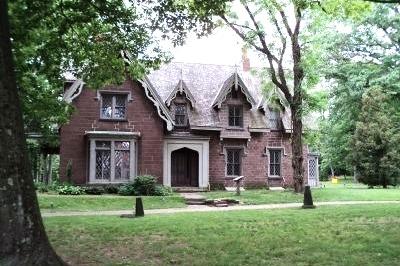
Located on the Princeton Battlefield, this home served as a field hospital in the wake of the battle. At this site, Patriot officer Hugh Mercer died while in care from fatal wounds sustained during the decisive engagement.

State/County Park | Historic House
Wayne, NJ

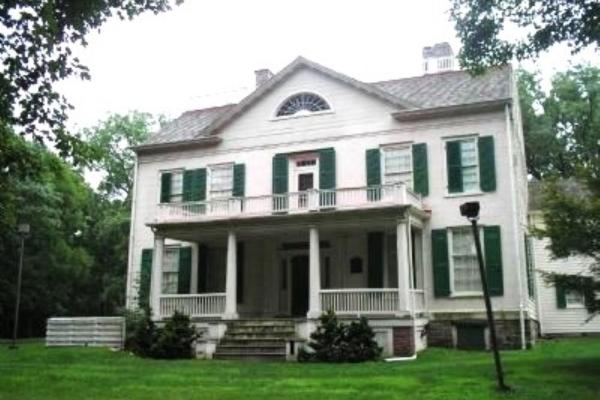
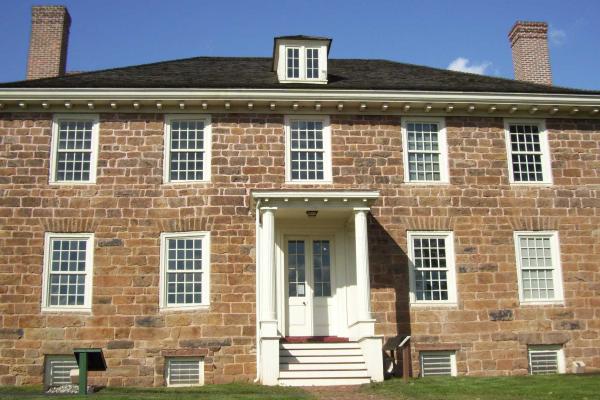
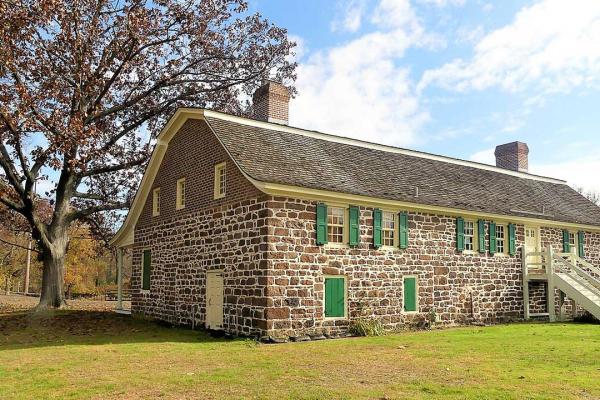
The Dey Mansion, built around 1770, served as General George Washington’s headquarters in 1780 during a pivotal time in the American Revolution. As one of his surviving field headquarters, it offers a lasting connection to the strategic decisions, military challenges, and historic events that shaped the fight for independence.

Historic Site |
Morristown, NJ

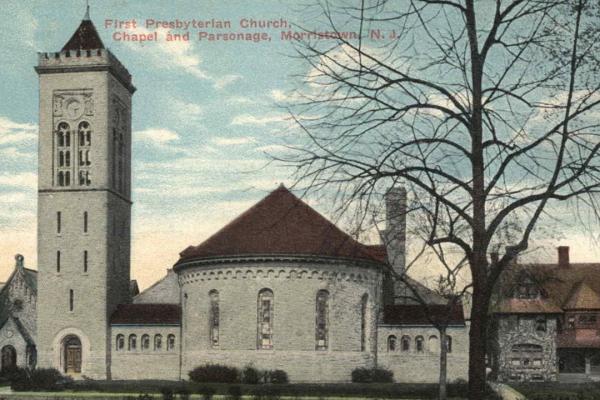
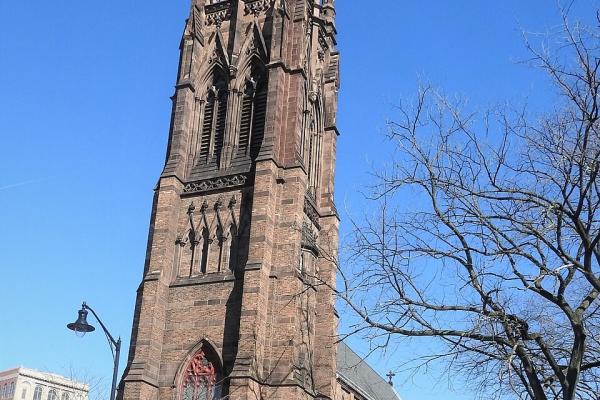
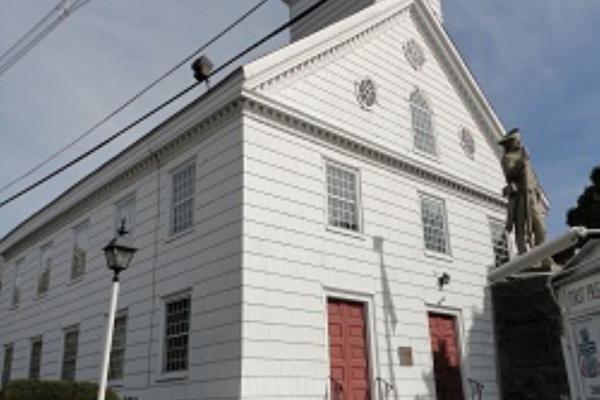
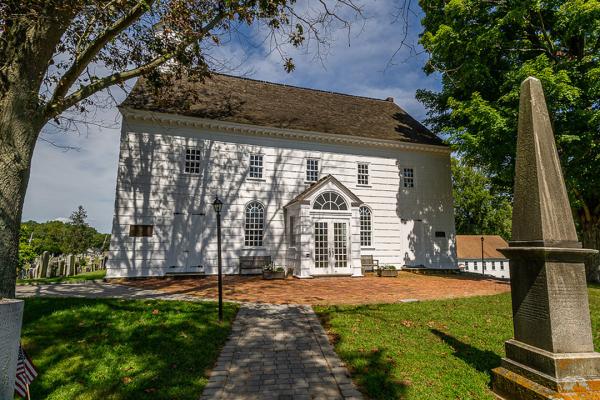
Located along the Morristown Green, the former site of the original First Presbyterian Church once acted as the infirmary for smallpox inoculated Continentals

Historic Site |
Mount Laurel Township, NJ

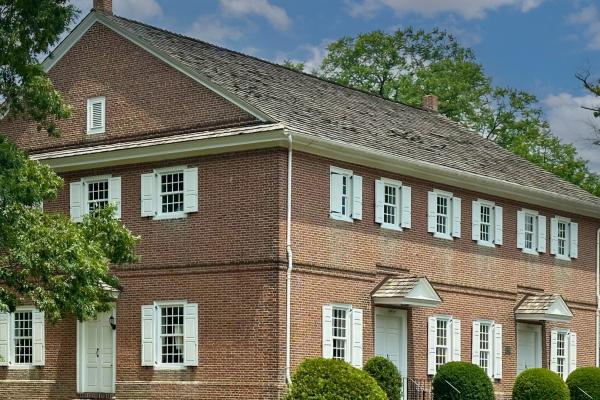
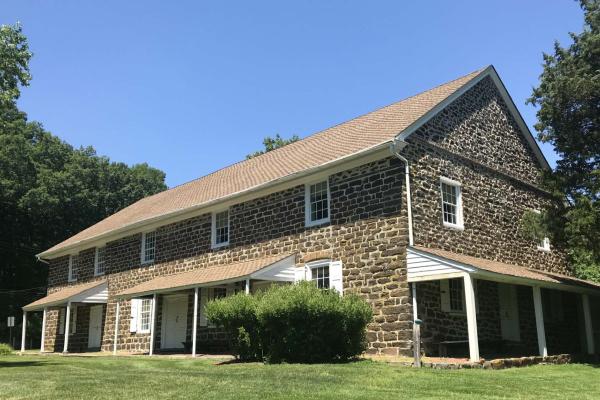
A precursor movement to the Battle of Monmouth, this Quaker meeting house was surrounded by the encampment of British troops under Alexander Leslie in mid-June of 1778.

Battlefield |
Freehold, NJ

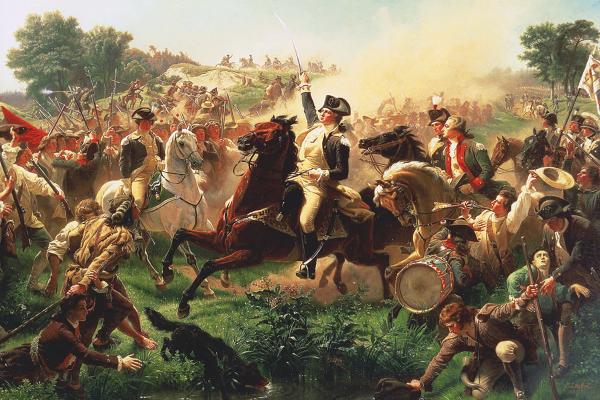
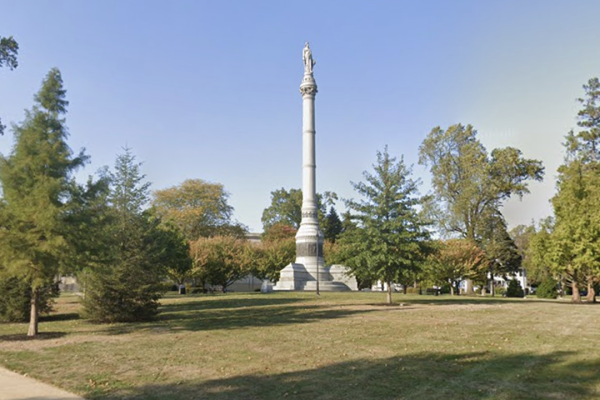
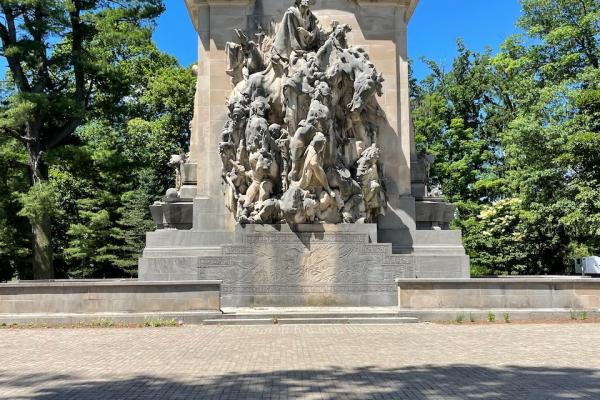
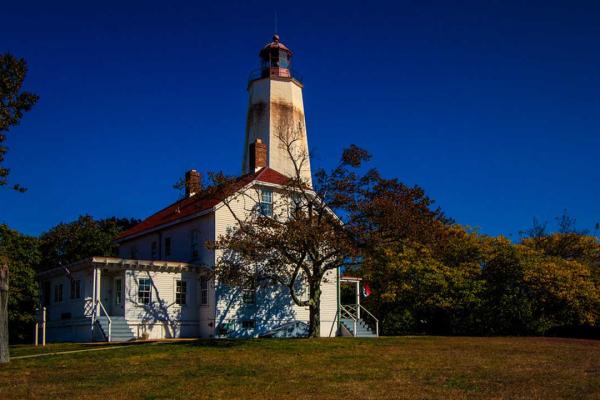
A 94-foot monument now marks the spot that where the Battle of Monmouth commenced on June 28, 1778. A series of bronze plaques line the monument that depict famous scenes from the engagement.

Historic Site |
Trenton, NJ

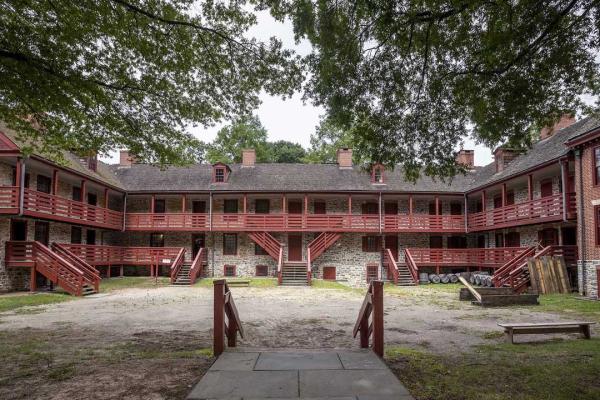
The Old Barracks Museum is located in Trenton, New Jersey and stands as one of the last military structures dating back the French & Indian War and the American Revolution.

Historic Site | State/County Park
Piscataway, NJ

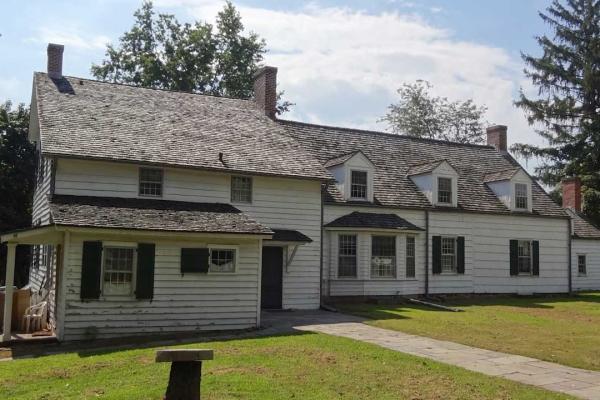
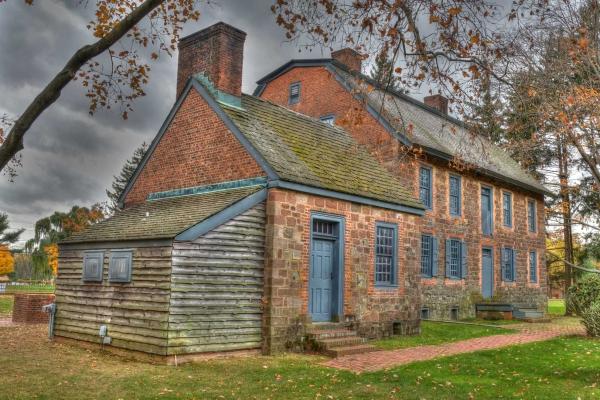
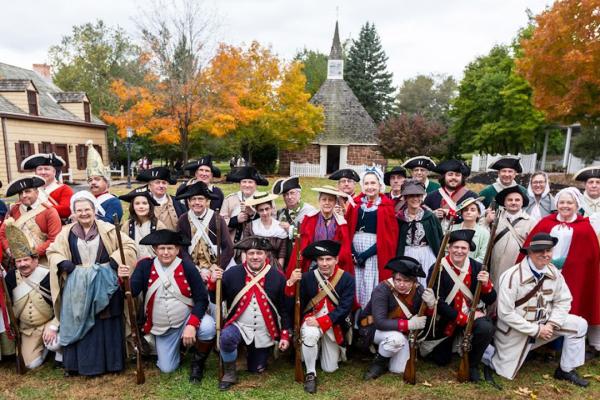
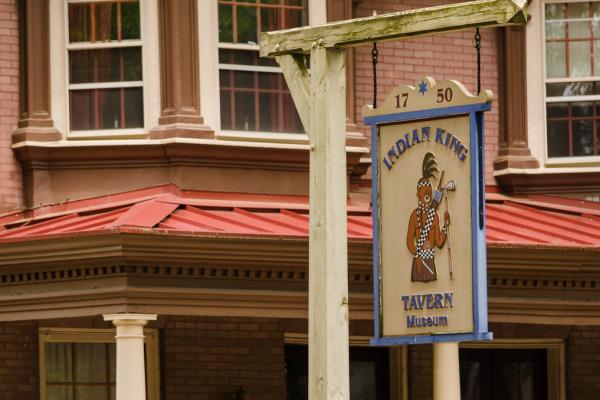
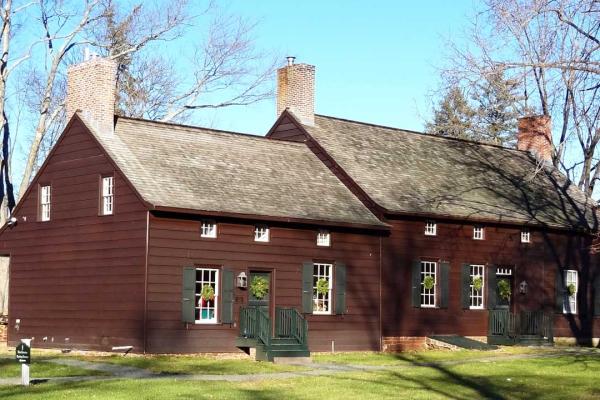
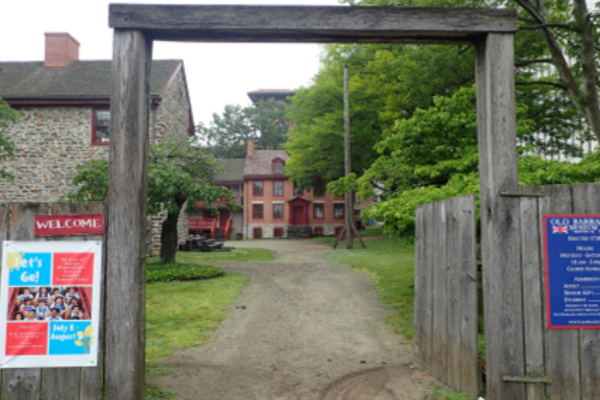
The East Jersey Old Town Village is a collection of historic structures dating the 18th century. Today, living historians walk the grounds, bringing the Revolution and the Colonial Era to life.

Historic Site |
Perth Amboy, NJ

The Royal Governor's Mansion of New Jersey is the only remaining proprietary governor's mansion of the original Thirteen Colonies still standing today. Built in the 1760s, it served as the residence gubernatorial residence of William Franklin, Benjamin Franklin's Loyalist son.

Battlefield | Fort/Outpost
National Park, NJ

Also known as the Battle of Fort Mercer, Hessian forces under Colonel Von Donop unsuccessfully stormed this fort on the 22 of October, 1777. Halted by combined arms of infantry and ships on the Delaware River, the Hessians suffered significant losses.

National Park | Historic Site
Morristown, NJ

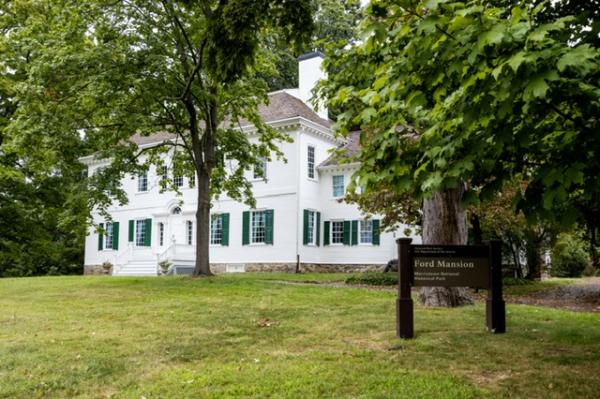
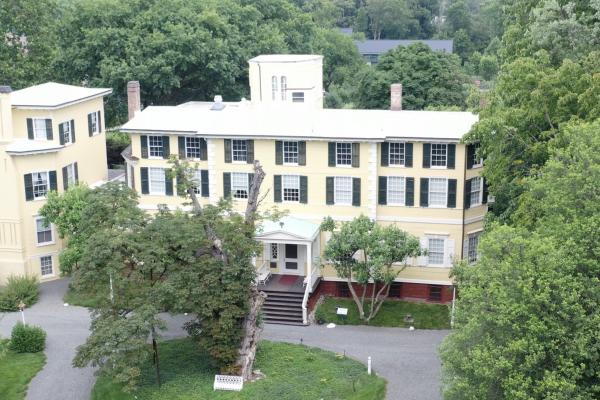
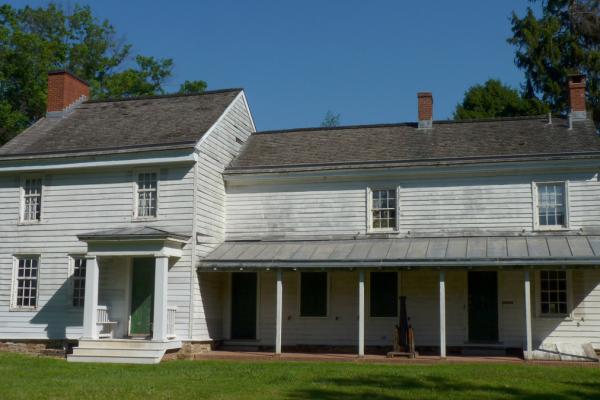
Jockey Hollow, the site of General Washington’s winter encampment in 1779-1780, played a key role in forging the Continental Army's strength and unity. The nearby Wick House, once home to Major General Arthur St. Clair, now stands as a historic landmark, offering a glimpse into the hardships and strategies of that fateful winter.

Historic Site | Historic House
Bedminister, NJ

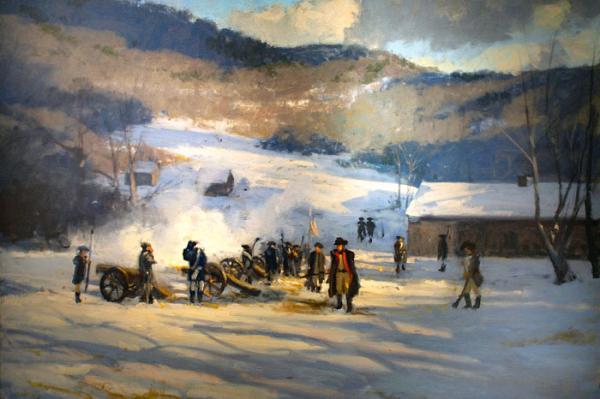
The only surviving building associated with the Pluckemin Artillery Cantonment, America's first military academy, it served as the headquarters of Henry Knox during the Middlebrook encampment of 1778-1779.

National Park | Historic Site
Morristown, NJ

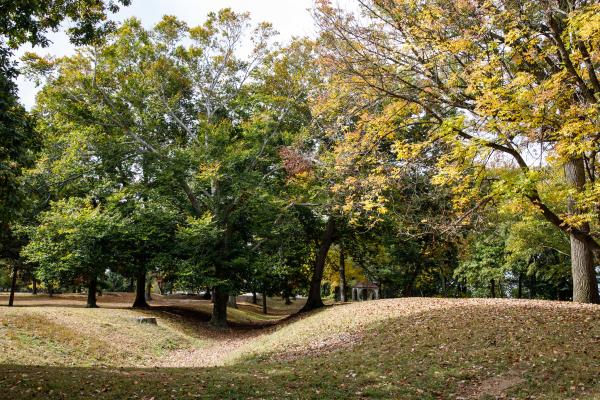
Morristown National Historical Park marks the site of the Continental Army’s 1779-80 encampment under George Washington. It symbolizes America’s fight for independence and Washington’s leadership in uniting the army, remaining a lasting symbol of resilience and patriotism.