The Liberty Trail—North Carolina

​​Your Path on The Liberty Trail NC

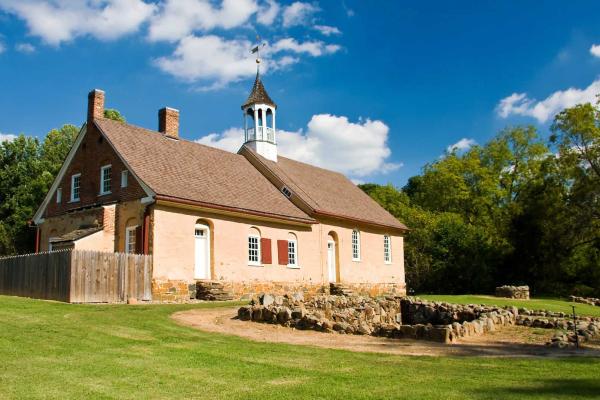
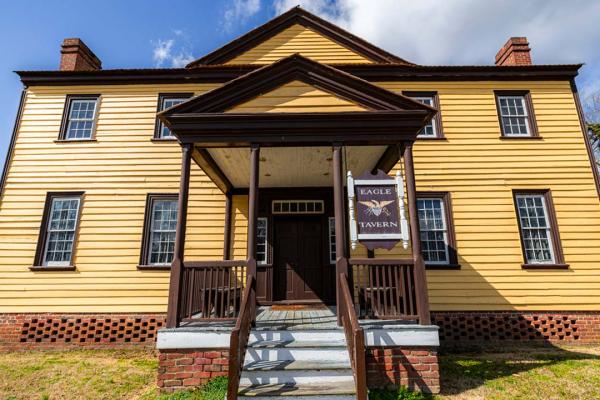
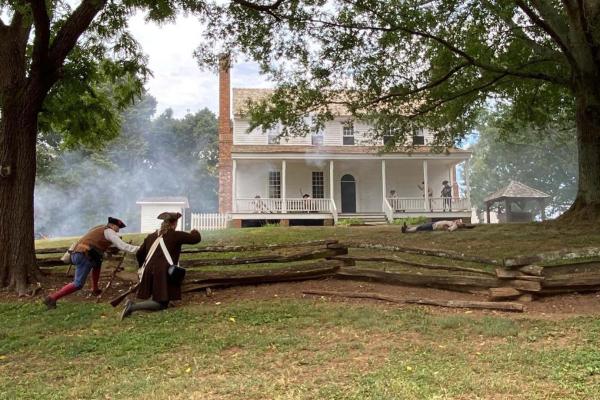
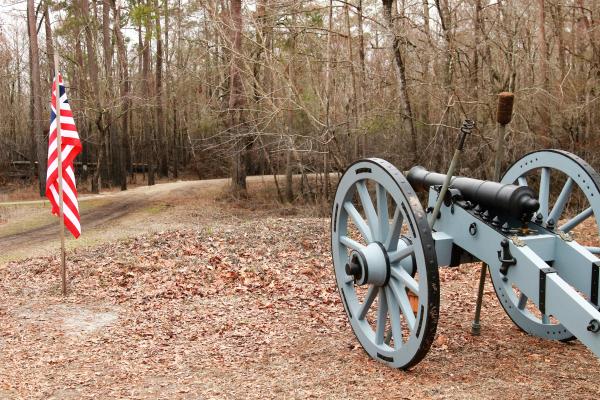
North Carolina played a pivotal role in the struggle for independence, from the decisive Patriot victory at Battle of Moore's Creek Bridge to the hard-fought clash at Battle of Guilford Courthouse that weakened British resolve in the South. Its patriots, challenging terrain, and determined spirit helped turn the tide of the war and hasten the road to American independence.

The Liberty Trail

Plan Your Visit
States of Interest:
States
Filter By:
Location Type
Experiences
Outdoor Activities
Events
North Carolina Tours Along the Trail

Explore the many guided tours of The Liberty Trail

Filter by
North Carolina
Tour
Greensboro, NC
North Carolina
Tour
Lincolnton, NC
North Carolina
Tour
Burlington, NC
North Carolina Storytellers
Exploring the history and stories of the American Revolution.
North Carolina Videos Along The Liberty Trail
Exploring the history and stories of the American Revolution.

Liberty Trail History Makers

The Revolutionary War was a war unlike any other — one of ideas and ideals, that shaped “the course of human events. Explore the history and personalities from this pivotal time in American history.
Biography

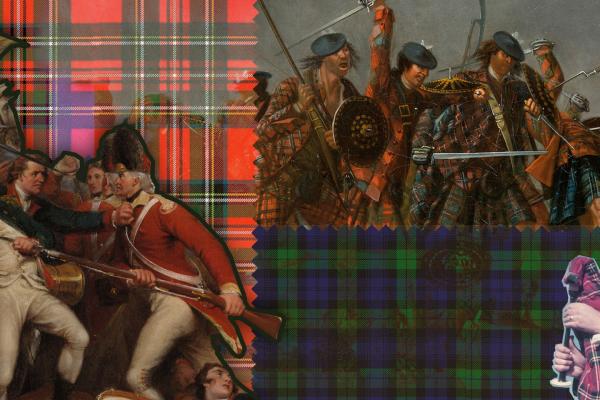
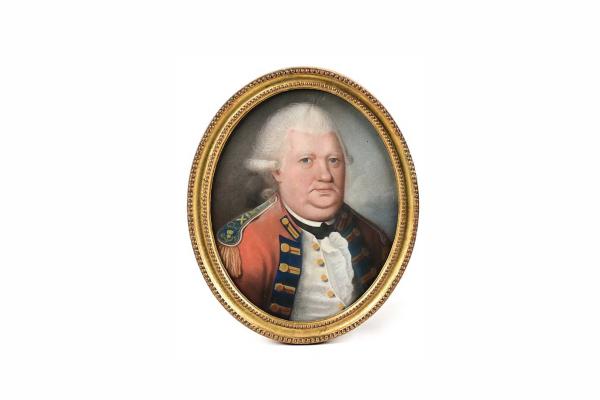
A career soldier loyal to the Crown, Donald MacDonald fought at Culloden before crossing the Atlantic to rally Scottish Highlanders for Britain during the American Revolution. His effort was cut short when he was captured after the Battle of Moore’s Creek Bridge and held by Patriot forces for more than a year.

Biography

Tarleton, active in the Southern Campaign, came to be known as the ‘butcher’ after Continental soldiers accused his dragoons of disregarding a Patriot surrender by attacking the Americans after they laid down their arms at the Battle of Waxhaws.

Biography

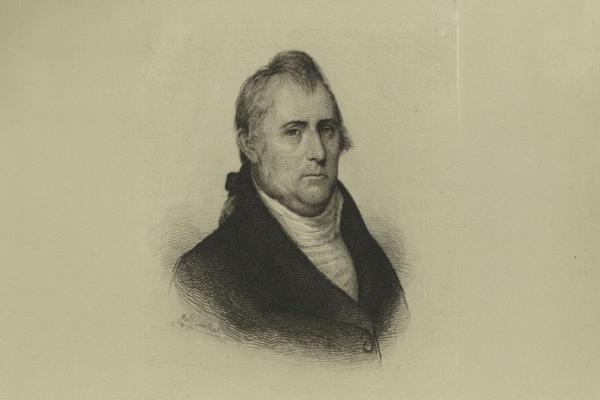
Frontier surveyor turned Patriot officer, William Lenoir carried the Revolution into North Carolina’s backcountry—fighting at Kings Mountain, surviving the chaos of Pyle’s Massacre, and emerging from war as one of Wilkes County’s most enduring civic leaders.

Biography

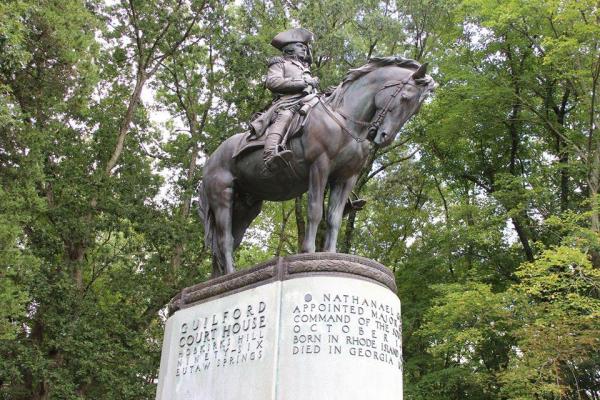
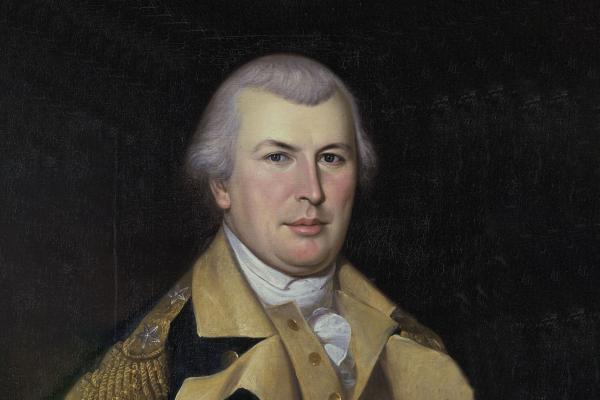
Soon after Greene took command of the southern theater, the tide of war began to turn in favor of the Patriots. Greene and his men turned south to reconquer the South Carolina backcountry. Throughout 1781, Greene steadily drove the British back to Charleston, which they abandoned the following December.