The Liberty Trail—South Carolina

Discover The Liberty Trail South Carolina

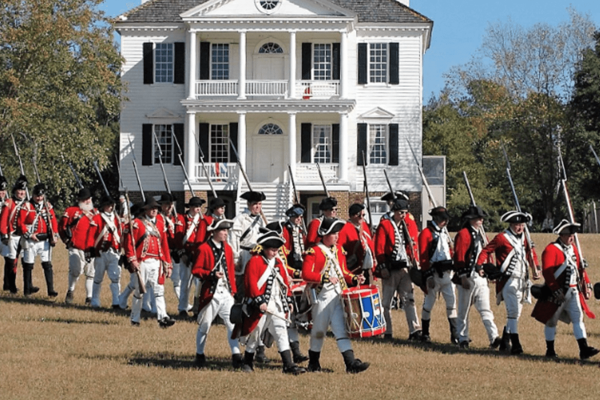
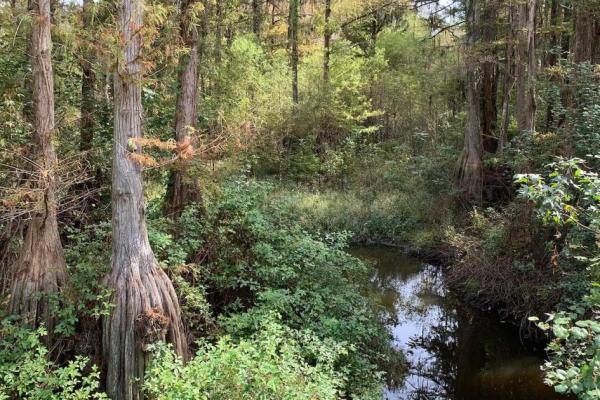
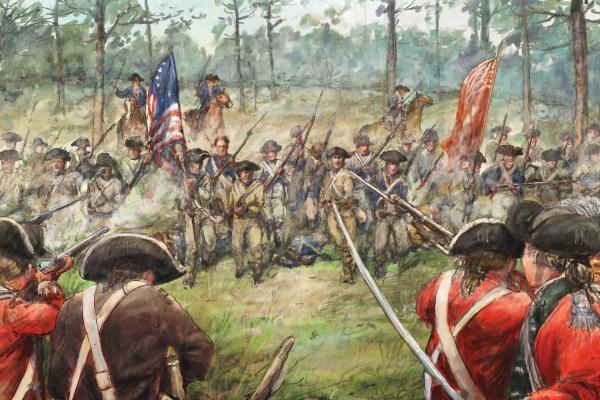
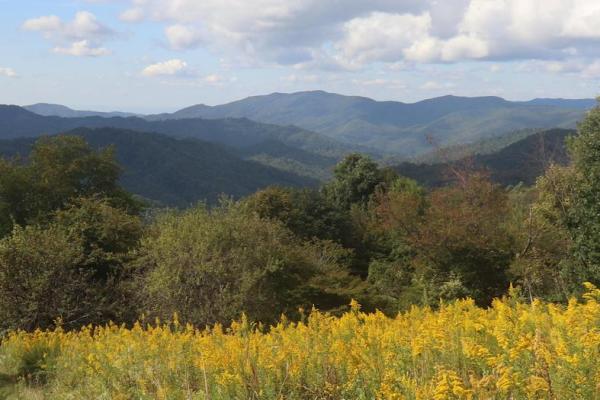
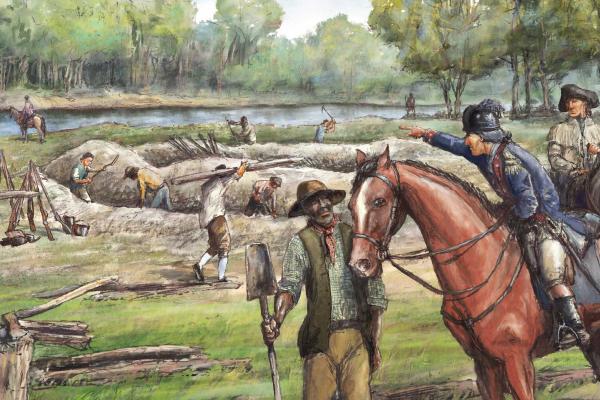
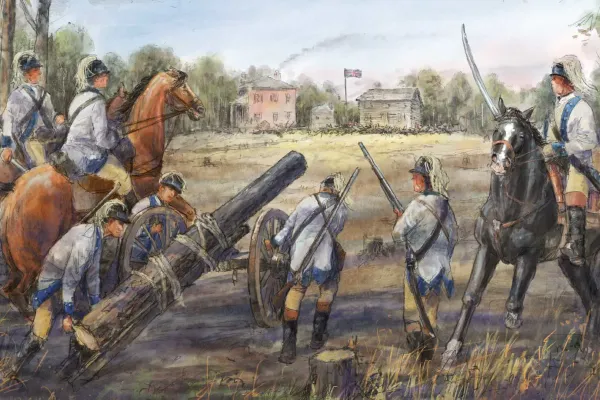
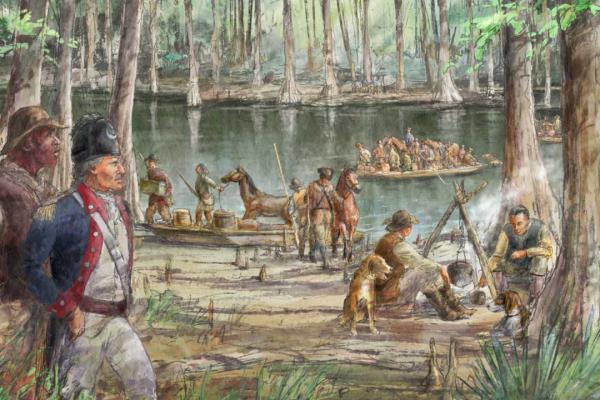
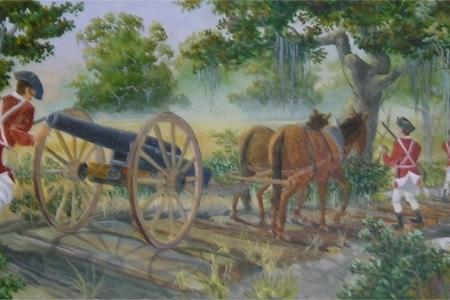
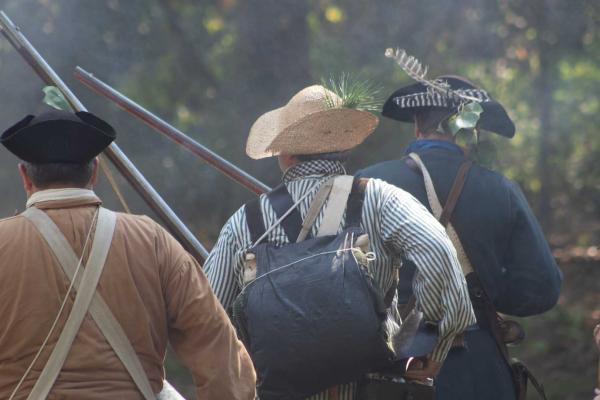
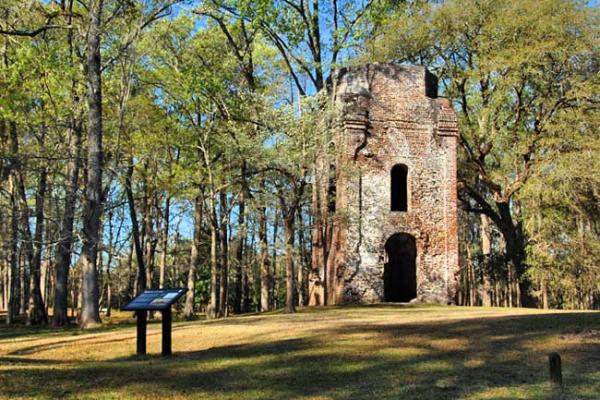
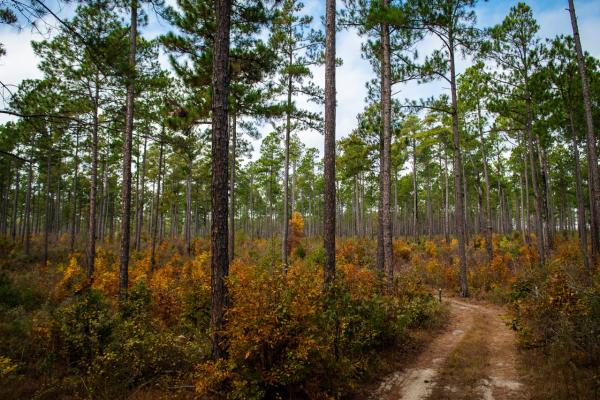
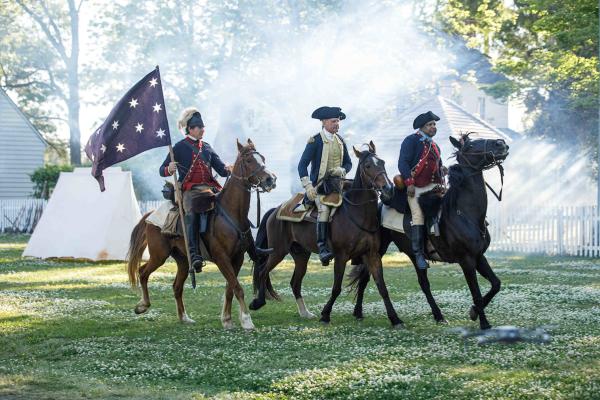
America’s independence was secured in South Carolina across its swamps, fields, woods and mountains. These events of 1779-1782 directly led to victory in the Revolutionary War. We call this history The Liberty Trail.
Learn More

The Liberty Trail

Plan Your Visit
States of Interest:
States
Filter By:
Location Type
Experiences
Outdoor Activities
Events
South Carolina Storytellers
Exploring the history and stories of the American Revolution.
What's New on The Liberty Trail

Liberty Trail History Makers

The Revolutionary War was a war unlike any other — one of ideas and ideals, that shaped “the course of human events. Explore the history and personalities from this pivotal time in American history.
Biography

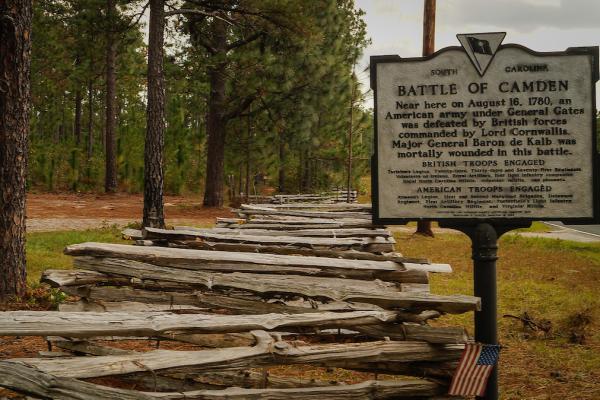
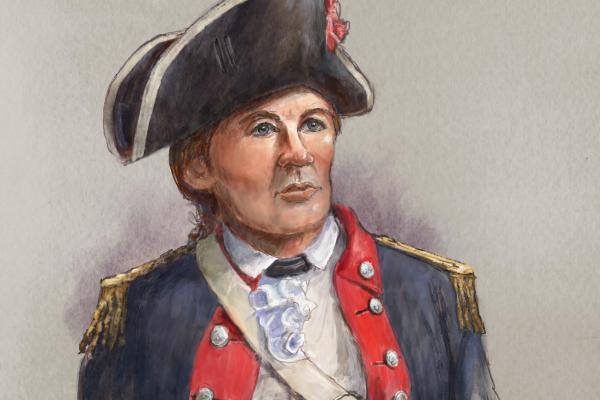
After the British victory at the Battle of Camden in August 1780, Major Patrick Ferguson was dispatched to the Southern Colonies. His task was to recruit members to fight for the Loyalist militia and protect Cornwallis’s left flank as he attempted to move through the Carolinas.

Biography

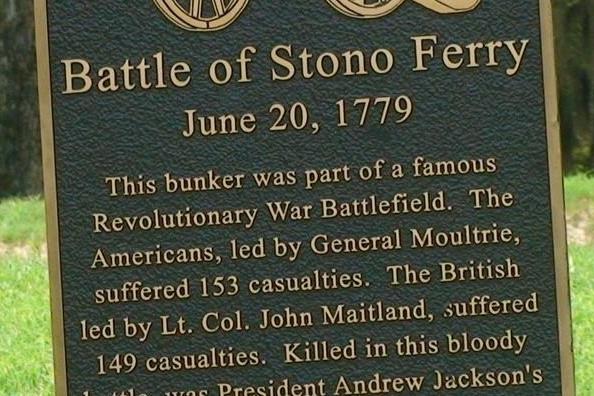
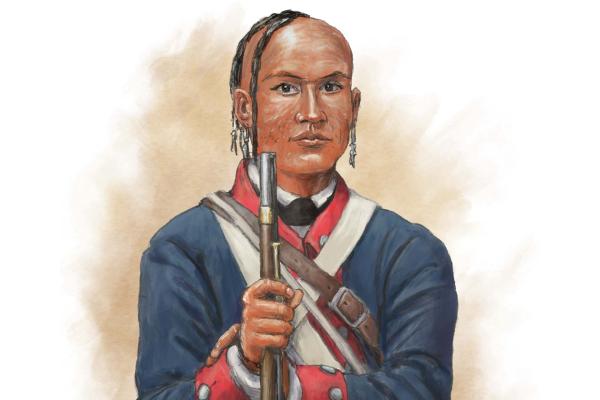
Peter Harris, a Catawba Indian who survived a devastating smallpox epidemic as a child, served bravely in the Continental Army during the American Revolution, fighting in key battles like Stono Ferry and Rocky Mount; despite his contributions, he later petitioned South Carolina for a pension, poignantly describing himself as "one of the lingering embers of an almost extinguished race," and was granted $60 a year just before his death in 1823.

Biography

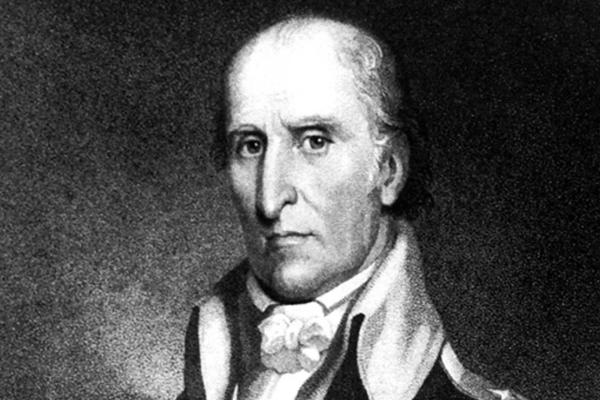
Robert Kirkwood served at major battles of the Revolution, including Monmouth, Camden, and Cowpens, where Kirkwood led his Delawareans to play a decisive role in Daniel Morgan’s victory. Kirkwood went on to lead his men at Guilford Courthouse, Hobkirk Hill, Ninety-Six, and Eutaw Springs.

Biography

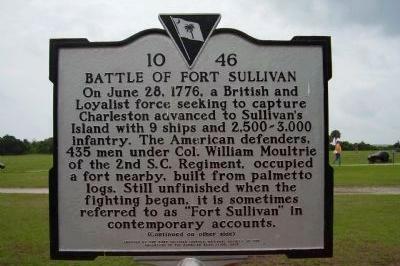
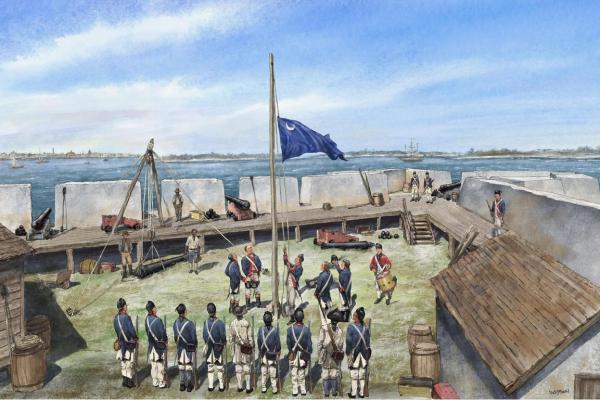
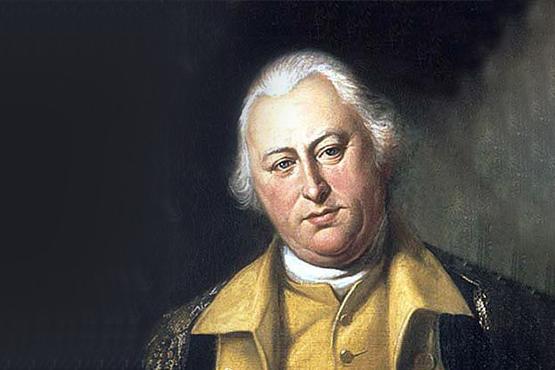
On June 28, 1776, the British attacked Sullivan’s Island. Against impossible odds and outnumbered 2,200 British troops to 435 soldiers within the fort, Moultrie successfully prevented land and sea invasions of Charleston. The British retreated to New York and would not return to South Carolina until 1780.