
The Liberty Trail announces app and on-site binoculars in Charleston's Marion Square created through Anglo-American partnership
-
The BlogBiographies
-
Videos

The Liberty Trail announces app and on-site binoculars in Charleston's Marion Square created through Anglo-American partnership









Explore the many guided tours of The Liberty Trail
We invite you to visit the preserved locations along the Liberty Trail and to immerse
yourself in the extraordinary events that determined the fate of a nation.
Discover a part of our nation’s history at historic landmarks and events.
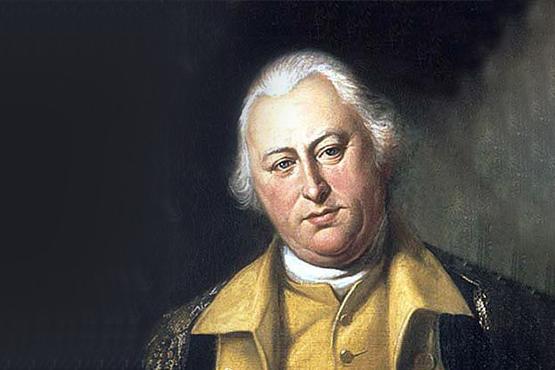
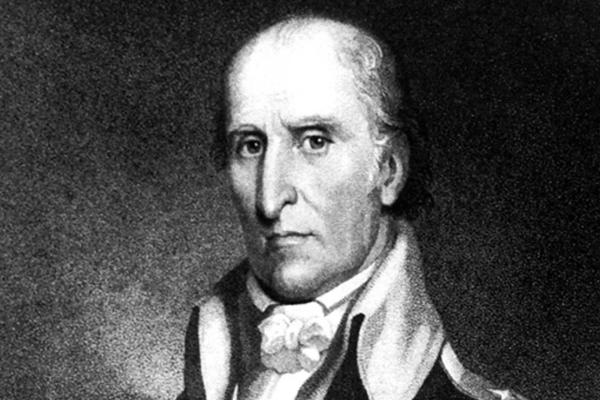
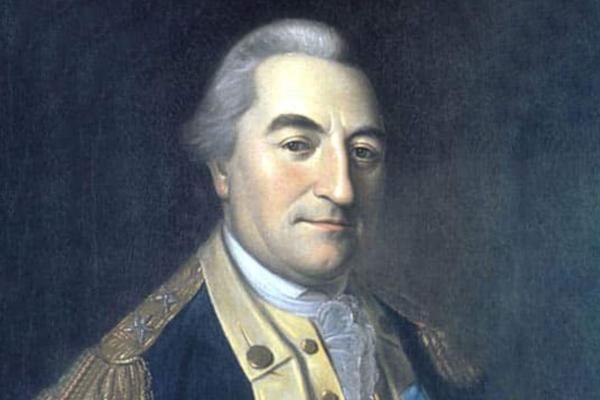
When British forces besieged Charleston, Lincoln was forced to surrender over 5,000 men. Denied honors of war in surrender, Lincoln was paroled and returned to Washington’s army. After the Battle of Yorktown, Lincoln accepted the surrender from the British, allowing him to have revenge for his defeat in Charleston.
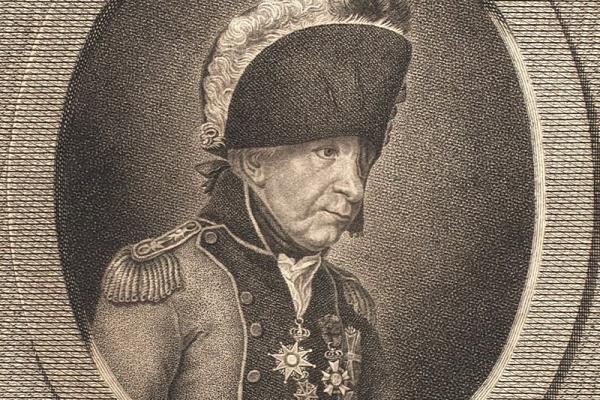
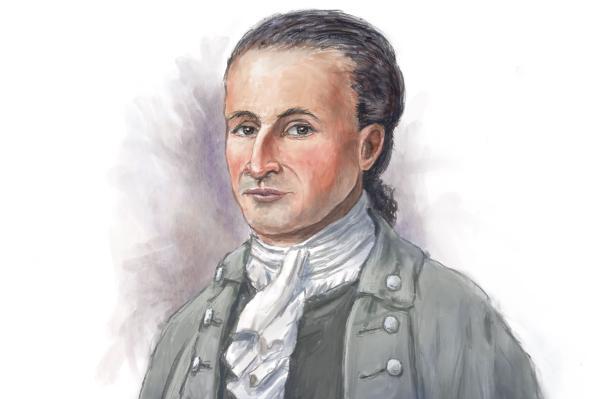
Johann Ewald, a Hessian captain, served in several significant Revolutionary War battles, including White Plains, Bound Brook, and the failed attack on Fort Mercer. He later fought at Yorktown, where he surrendered with the British forces. His detailed wartime diary and maps provide invaluable insights into his experiences in America.
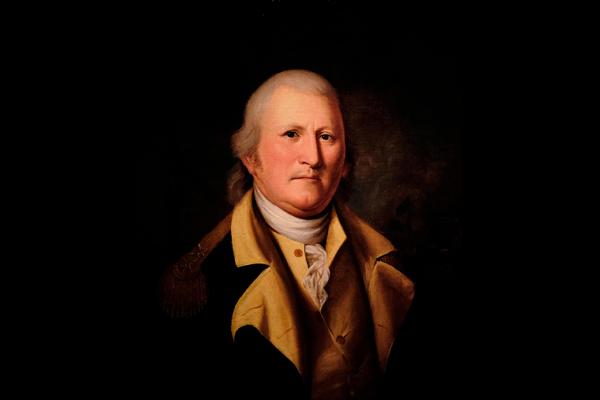
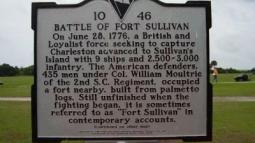
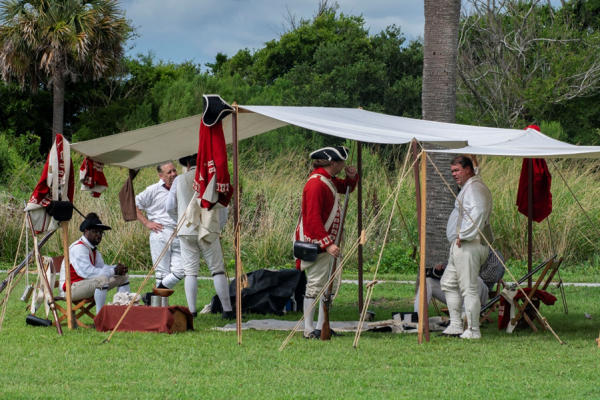
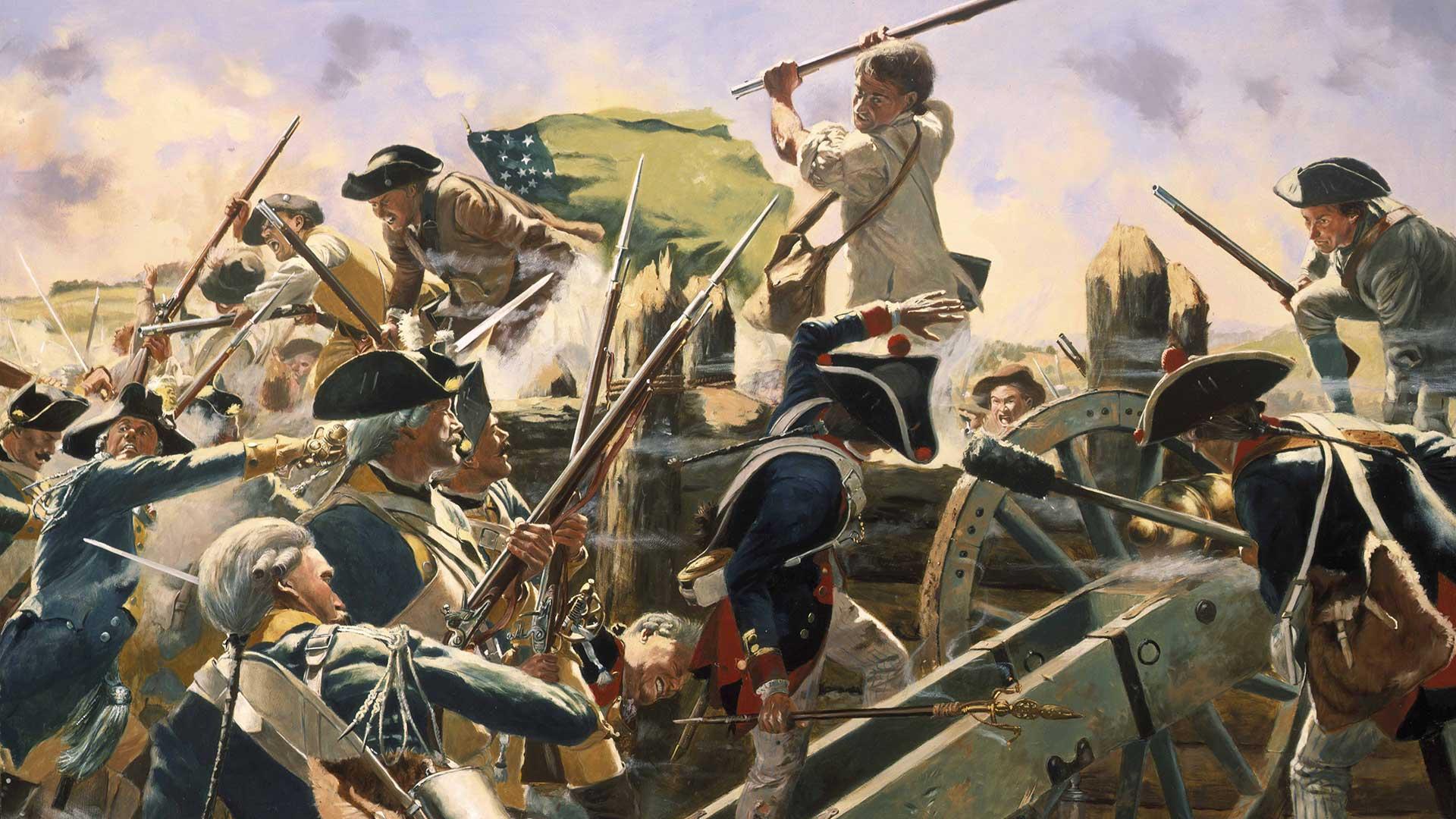
On June 28, 1776, the British attacked Sullivan’s Island. Against impossible odds and outnumbered 2,200 British troops to 435 soldiers within the fort, Moultrie successfully prevented land and sea invasions of Charleston. The British retreated to New York and would not return to South Carolina until 1780.
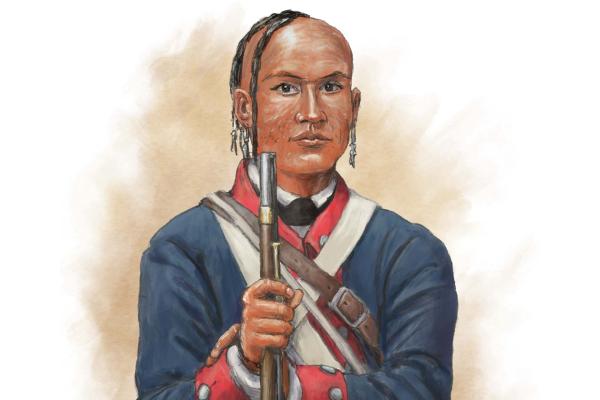
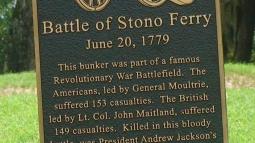
Peter Harris, a Catawba Indian who survived a devastating smallpox epidemic as a child, served bravely in the Continental Army during the American Revolution, fighting in key battles like Stono Ferry and Rocky Mount; despite his contributions, he later petitioned South Carolina for a pension, poignantly describing himself as "one of the lingering embers of an almost extinguished race," and was granted $60 a year just before his death in 1823.