The Liberty Trail
- parking
- accessible_parking
- wheelchair_accessible
- restrooms
- wifi






- restrooms
- wheelchair_accessible

- parking
- accessible_parking
- wheelchair_accessible
- restrooms






- parking
- accessible_parking
- wheelchair_accessible
- restrooms


- parking
- accessible_parking
- wheelchair_accessible
- pet_friendly



- wifi
- parking
- restrooms
- wheelchair_accessible



- parking
- accessible_parking
- wheelchair_accessible
- pet_friendly



- parking
- accessible_parking
- wheelchair_accessible
- restrooms
- wifi

- parking
- restrooms
- pet_friendly

- parking
- accessible_parking
- wheelchair_accessible
- restrooms
- wifi






- parking
- accessible_parking
- wheelchair_accessible


- parking
- restrooms
- wheelchair_accessible





- parking
- accessible_parking
- restrooms
- pet_friendly

- parking
- accessible_parking
- wheelchair_accessible
- restrooms



- parking
- accessible_parking
- wheelchair_accessible
- restrooms
- wifi
- parking
- accessible_parking
- wheelchair_accessible
- restrooms
- wifi

- parking
- wheelchair_accessible
- restrooms
- pet_friendly










- parking
- restrooms
- wheelchair_accessible




















- parking
- accessible_parking
- restrooms



This Day on the Liberty Trail
Uncovering History
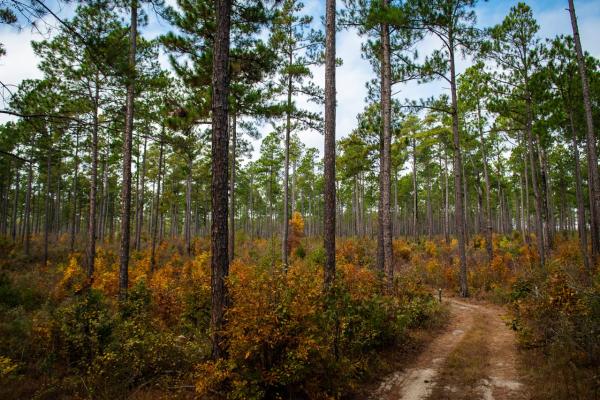
We invite you to visit the preserved locations along the Liberty Trail and to immerse
yourself in the extraordinary events that determined the fate of a nation.
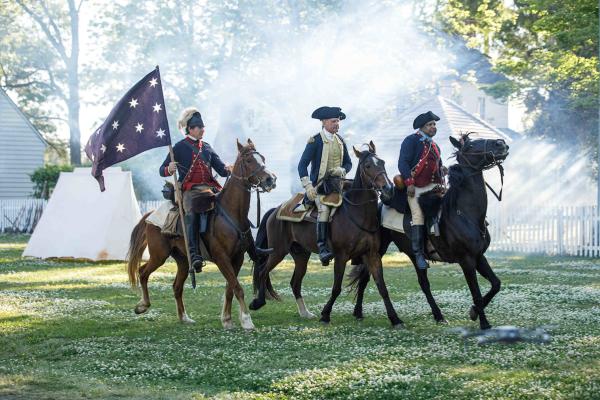
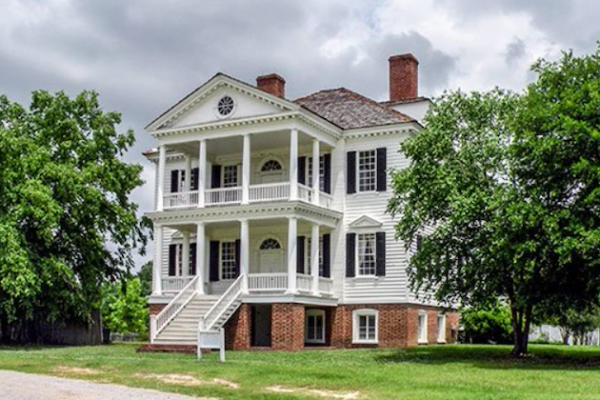
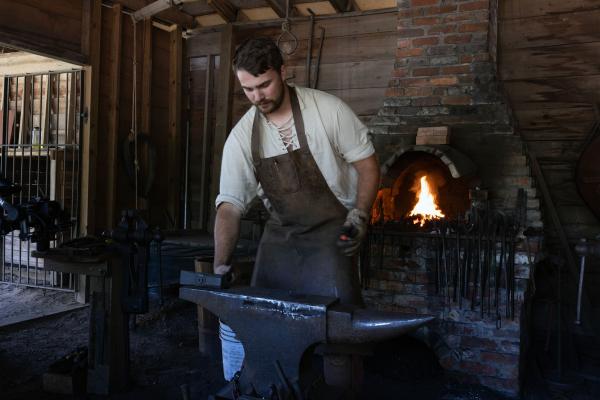

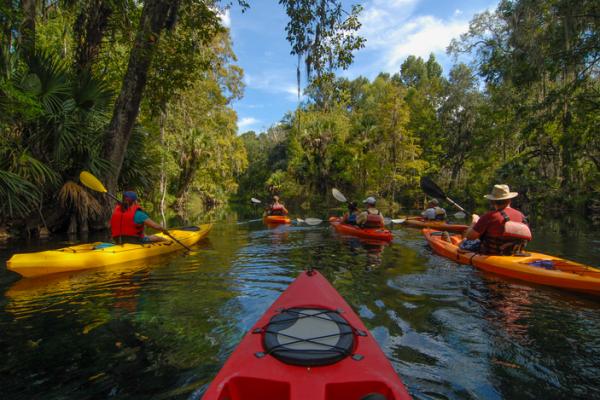
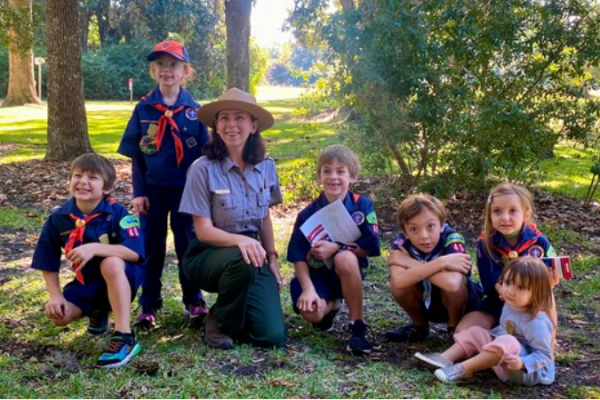
Family Friendly Adventures
Discover a part of our nation’s history at historic landmarks and events.


Liberty Trail History Makers
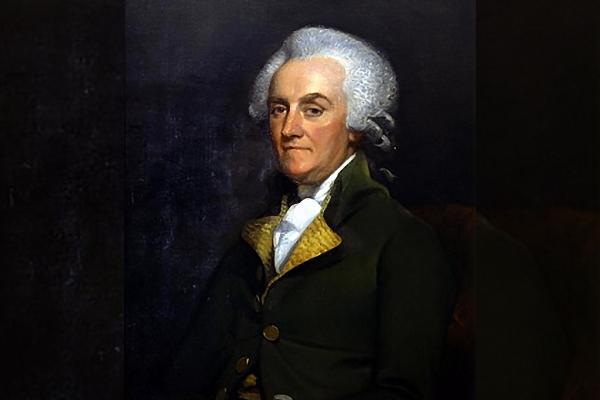
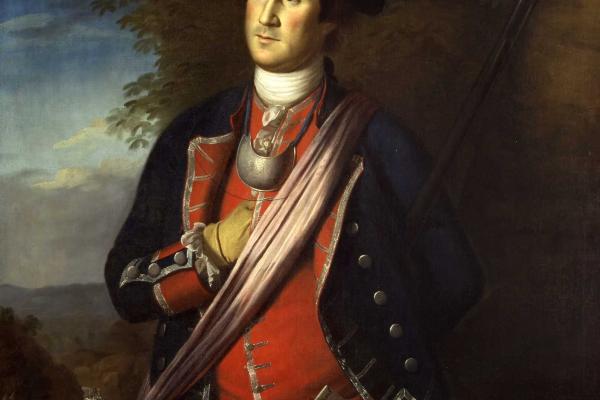
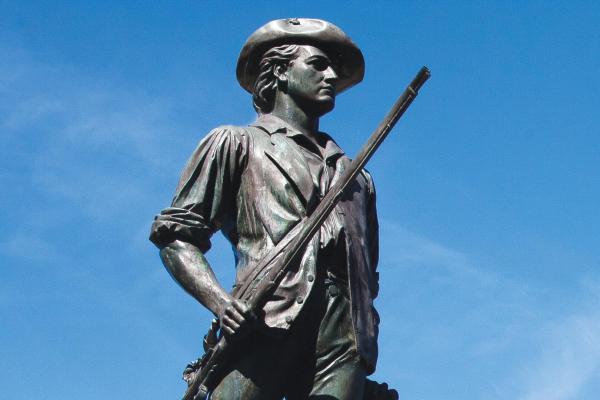
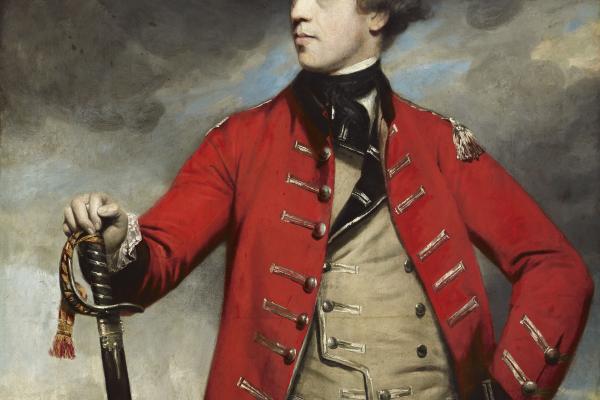
The Revolutionary War was a war unlike any other — one of ideas and ideals, that shaped “the course of human events. Explore the history and personalities from this pivotal time in American history.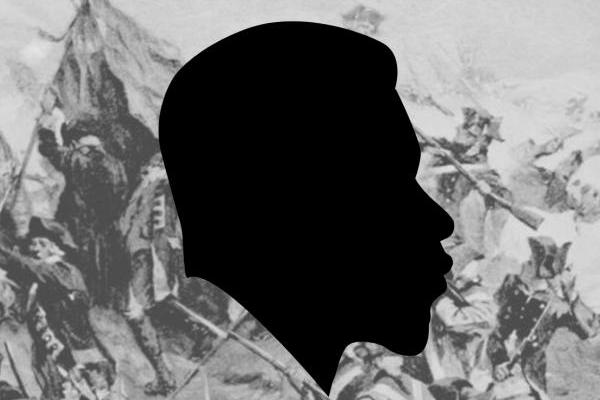
Drury Harris, a free Black man, served as a private in the 3rd South Carolina Regiment during the American Revolution, fighting in key battles like Savannah, Charleston, and Cowpens, where he was wounded; after the war, he settled in South Carolina, married, and was later granted a pension, living until 1834.
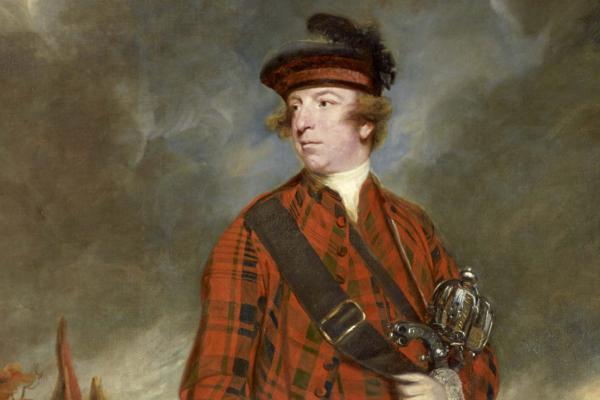
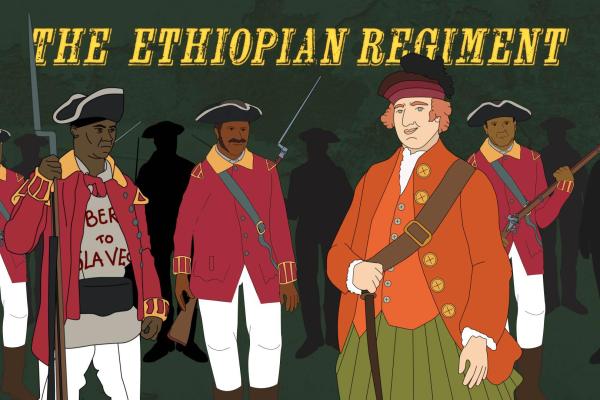
Known for Lord Dunmore's Proclamation, which promised freedom to any enslaved man who fought for Britain during the Revolution, Lord Dunmore served as governor of both New York and Virginia and as a staunch defender of the Crown.
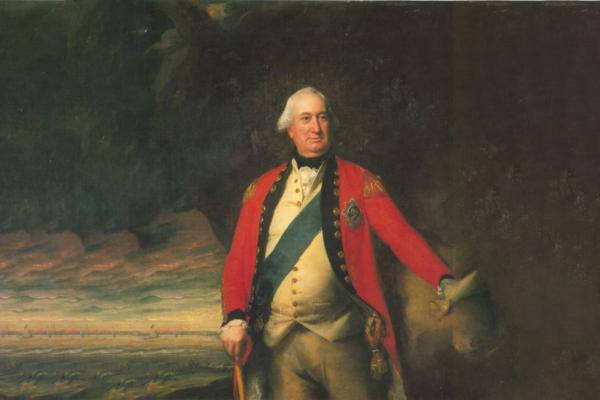
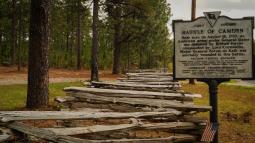
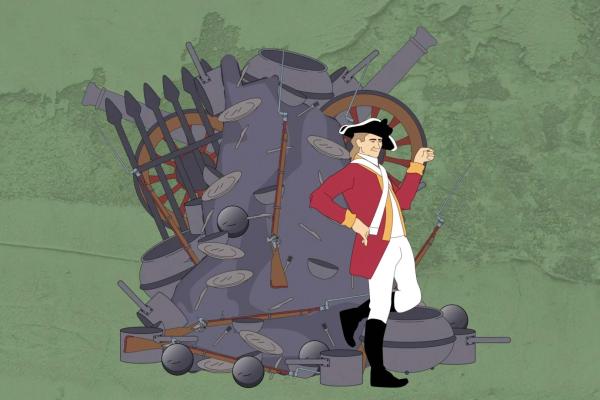
In 1779, after a stalemate in the north, Cornwallis went south as second in command to Sir Henry Clinton. Clinton captured Charleston in May 1780. Cornwallis pressed on to defeat General Horatio Gates at Camden, South Carolina, on August 16, 1780.
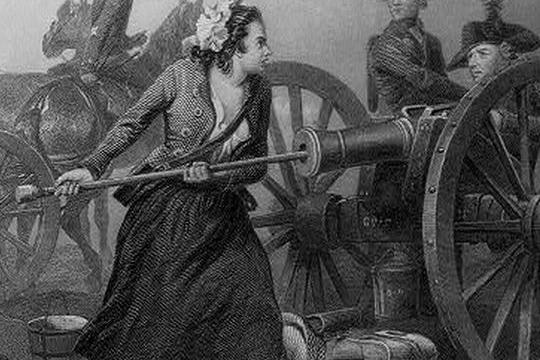
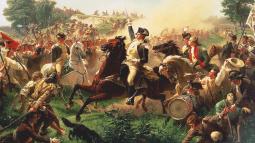
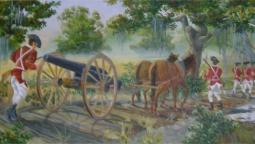
Molly Pitcher remains more legend than fact, but Mary Ludwig Hays closely matches the most famous tale of her bravery. From carrying water on the battlefield to manning a cannon at Monmouth, her story symbolizes the overlooked contributions of women in the American Revolution.