The Liberty Trail
- parking
- accessible_parking
- wheelchair_accessible
- restrooms
- wifi
- restrooms
- wheelchair_accessible
- parking
- accessible_parking
- wheelchair_accessible
- restrooms

- parking
- accessible_parking
- wheelchair_accessible
- restrooms
- parking
- accessible_parking
- wheelchair_accessible
- pet_friendly
- wifi
- parking
- restrooms
- wheelchair_accessible

- parking
- accessible_parking
- wheelchair_accessible
- pet_friendly
- parking
- accessible_parking
- wheelchair_accessible
- restrooms
- wifi
- parking
- restrooms
- pet_friendly

- parking
- accessible_parking
- wheelchair_accessible
- restrooms
- wifi
- parking
- accessible_parking
- wheelchair_accessible

- parking
- restrooms
- wheelchair_accessible



- parking
- accessible_parking
- restrooms
- pet_friendly
- parking
- accessible_parking
- wheelchair_accessible
- restrooms
- parking
- accessible_parking
- wheelchair_accessible
- restrooms
- wifi
- parking
- accessible_parking
- wheelchair_accessible
- restrooms
- wifi
- parking
- wheelchair_accessible
- restrooms
- pet_friendly

- parking
- restrooms
- wheelchair_accessible



- parking
- accessible_parking
- restrooms
This Day on the Liberty Trail

Uncovering History
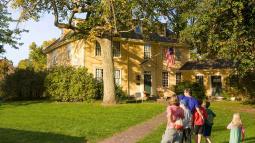
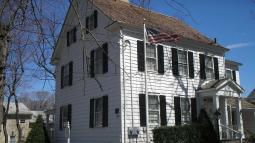
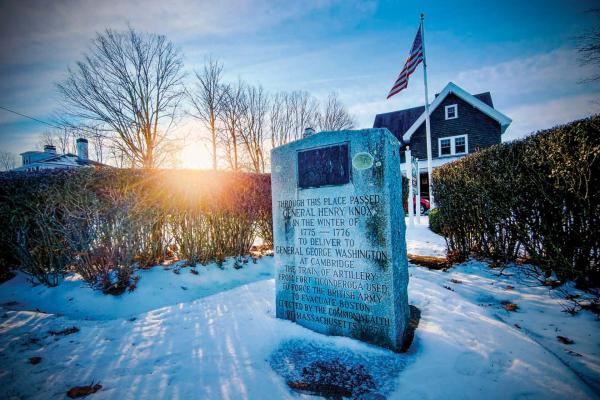
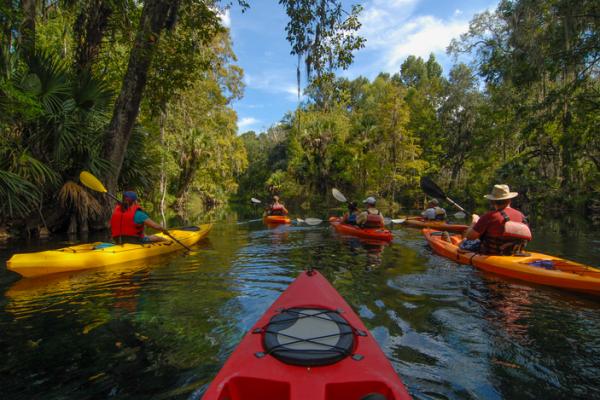
We invite you to visit the preserved locations along the Liberty Trail and to immerse
yourself in the extraordinary events that determined the fate of a nation.
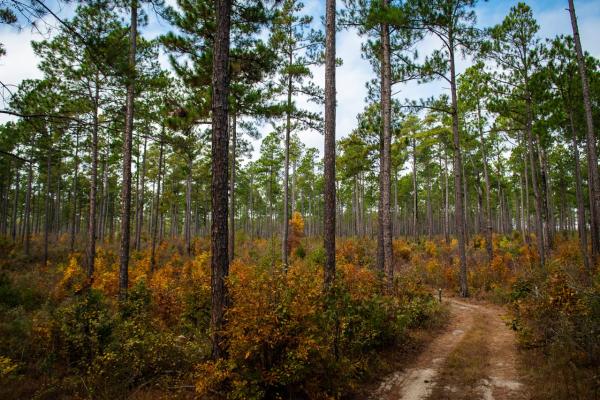
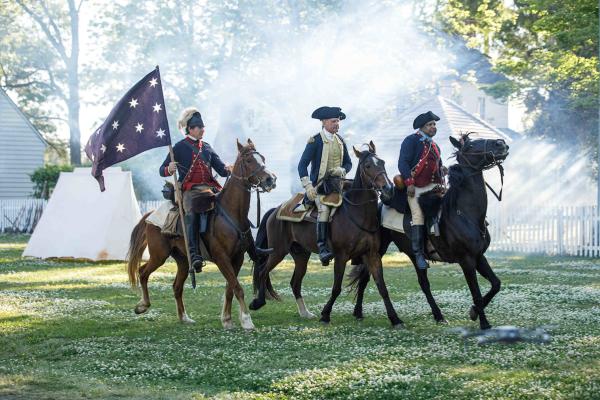
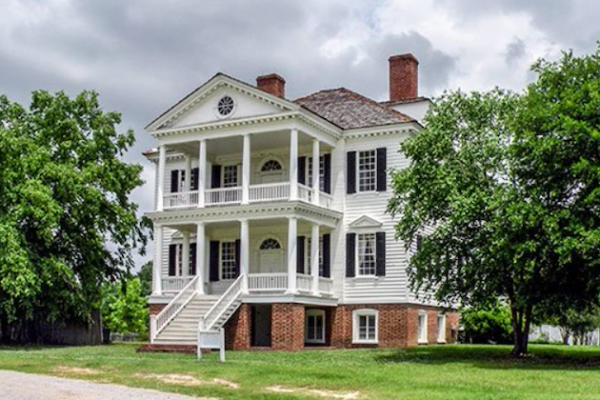
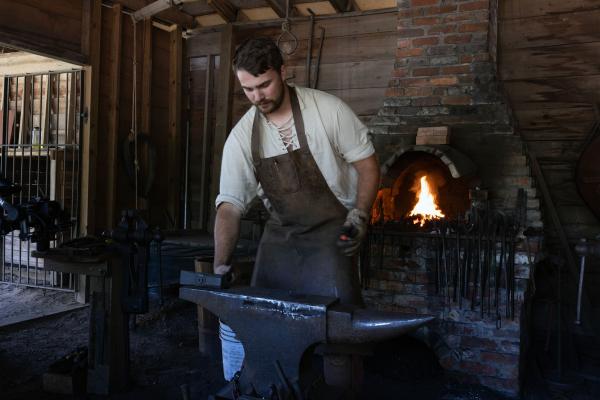
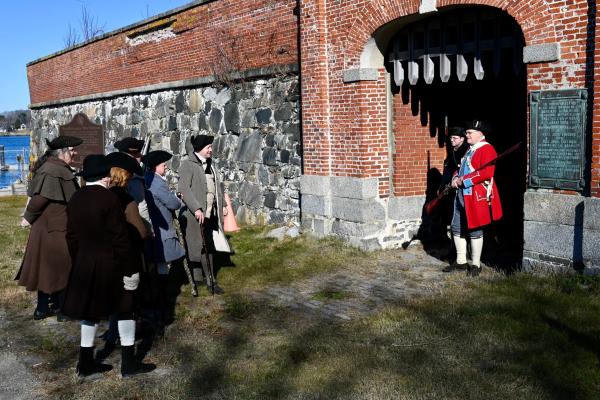
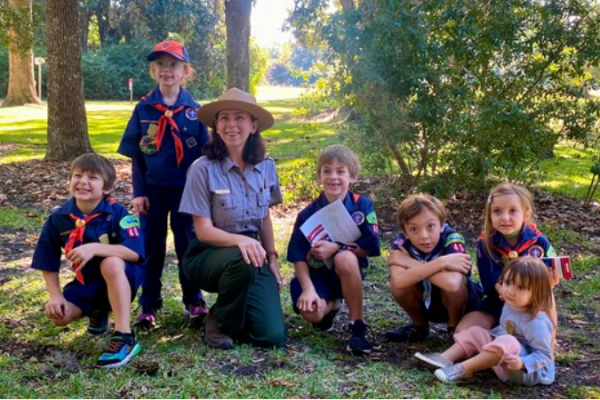
Family Friendly Adventures
Discover a part of our nation’s history at historic landmarks and events.


Liberty Trail History Makers
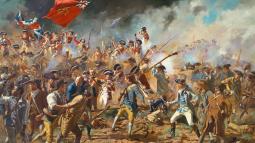
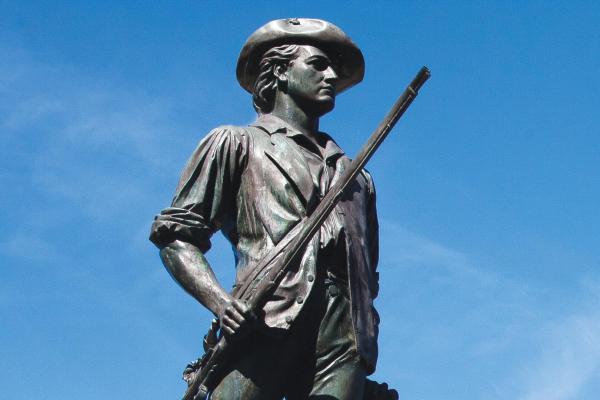
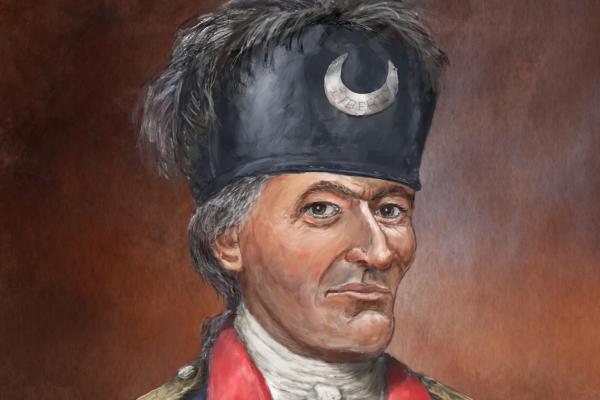
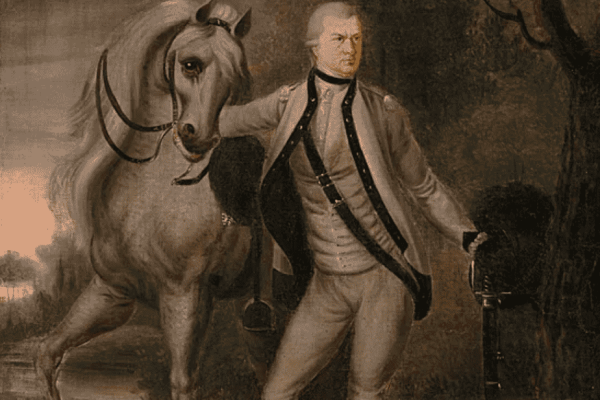
The Revolutionary War was a war unlike any other — one of ideas and ideals, that shaped “the course of human events. Explore the history and personalities from this pivotal time in American history.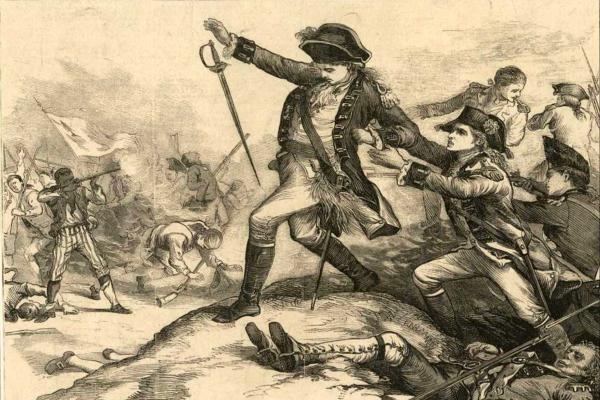
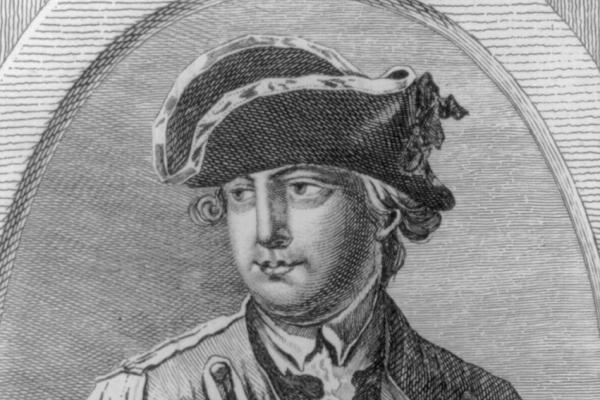
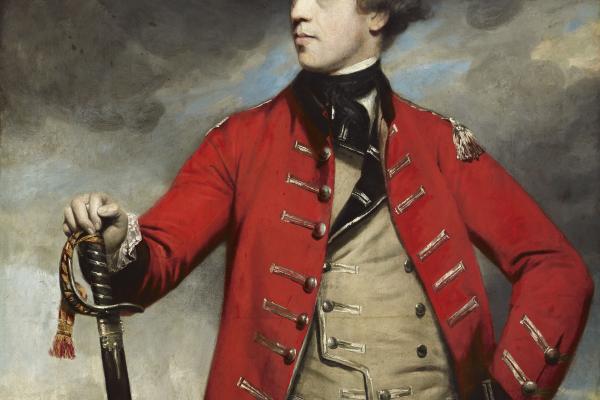
A British officer, Pitcairn led troops at Lexington and Concord, then commanded a reserve force at Bunker Hill. He was wounded multiple times during the battle and died later from his injuries.
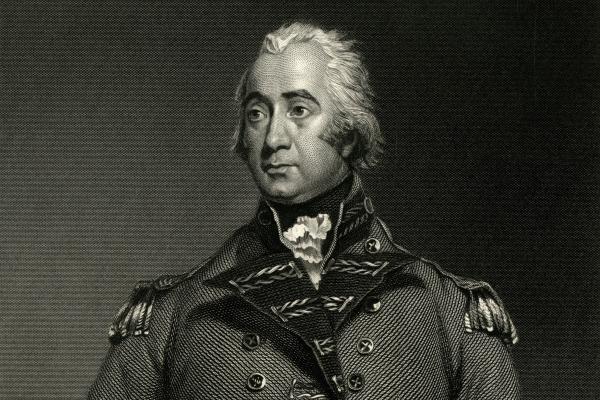
During the Battle of Camden in August, Rawdon commanded Charges Lord Cornwallis's left wing. After defeat at Cowpens, Cornwallis sought out northern territory, leaving Rawdon behind to defend both Georgia and South Carolina with a miniscule force.
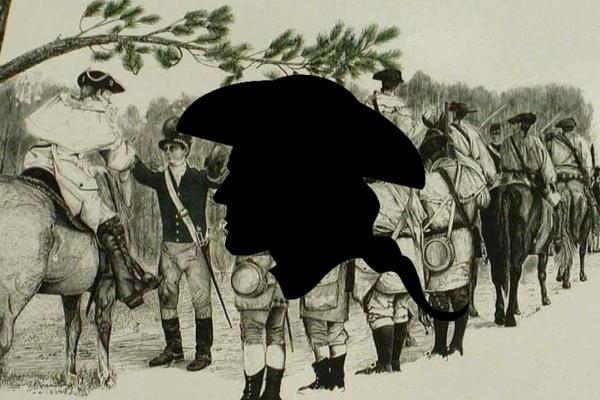
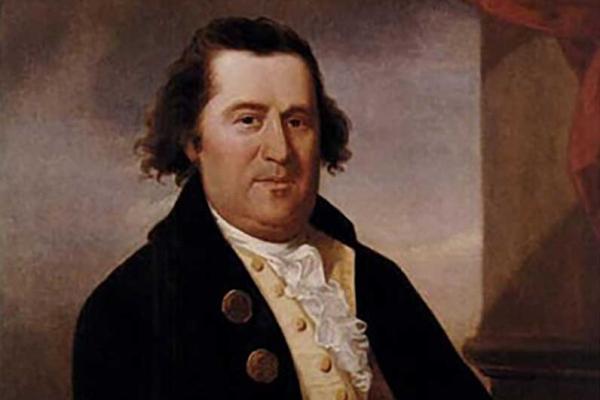
Born in England in 1723 and trained as a physician in London, John Pyle brought his family to Alamance County, North Carolina, where he later emerged as a steadfast Loyalist colonel. In 1781, his misidentification of Patriot troops as British escorts led to the brutal clash known as Pyle’s Defeat, leaving him wounded and maimed—yet ultimately tending to the very Patriot soldiers who had struck down his force.
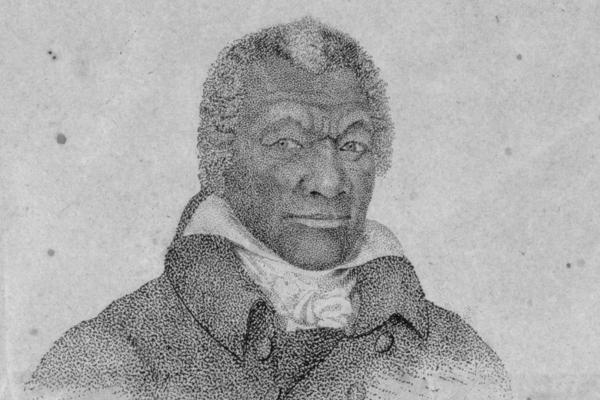
Enlsaved in the midst of the American Revolution, James Armistead was recruited by Patriot forces to spy on Cornwallis and the British War Department during the Siege of Yorktown.