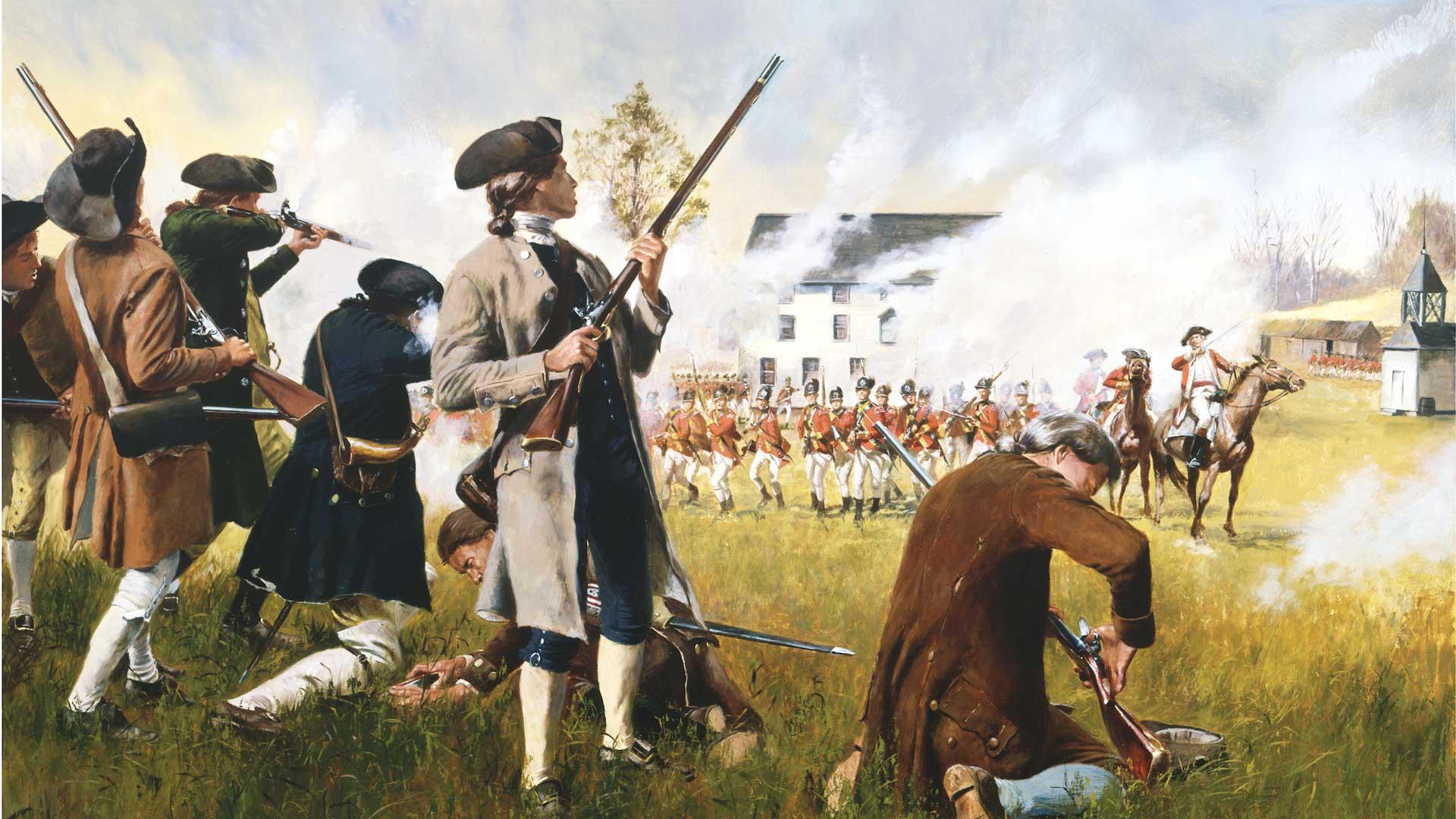
The Liberty Trail
- parking
- accessible_parking
- wheelchair_accessible
- restrooms
- wifi







- restrooms
- wheelchair_accessible


- parking
- accessible_parking
- wheelchair_accessible
- restrooms





- parking
- accessible_parking
- wheelchair_accessible
- restrooms


- parking
- accessible_parking
- wheelchair_accessible
- pet_friendly



- wifi
- parking
- restrooms
- wheelchair_accessible



- parking
- accessible_parking
- wheelchair_accessible
- pet_friendly


- parking
- accessible_parking
- wheelchair_accessible
- restrooms
- wifi

- parking
- restrooms
- pet_friendly

- parking
- accessible_parking
- wheelchair_accessible
- restrooms
- wifi







- parking
- accessible_parking
- wheelchair_accessible


- parking
- restrooms
- wheelchair_accessible




- parking
- accessible_parking
- restrooms
- pet_friendly

- parking
- accessible_parking
- wheelchair_accessible
- restrooms





- parking
- accessible_parking
- wheelchair_accessible
- restrooms
- wifi
- parking
- accessible_parking
- wheelchair_accessible
- restrooms
- wifi

- parking
- wheelchair_accessible
- restrooms
- pet_friendly








- parking
- restrooms
- wheelchair_accessible






















- parking
- accessible_parking
- restrooms



This Day on the Liberty Trail

Uncovering History
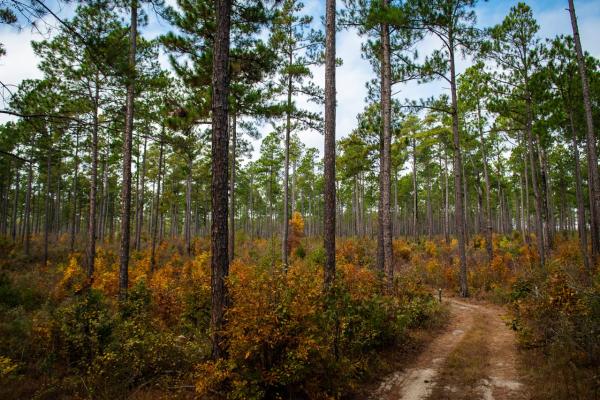
We invite you to visit the preserved locations along the Liberty Trail and to immerse
yourself in the extraordinary events that determined the fate of a nation.
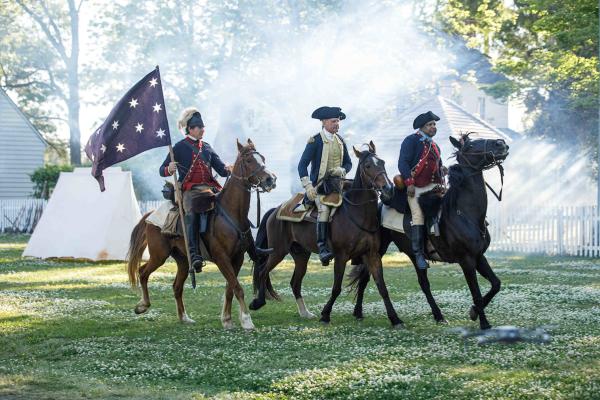
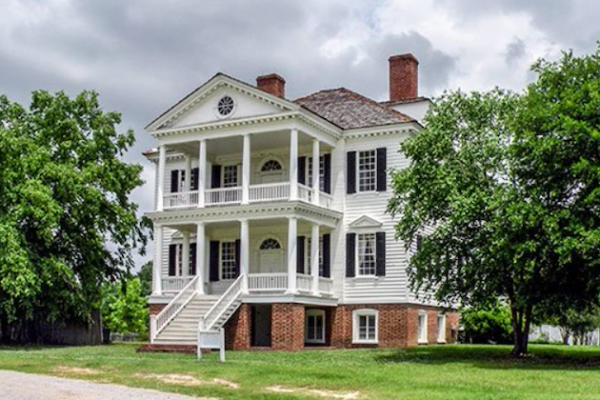
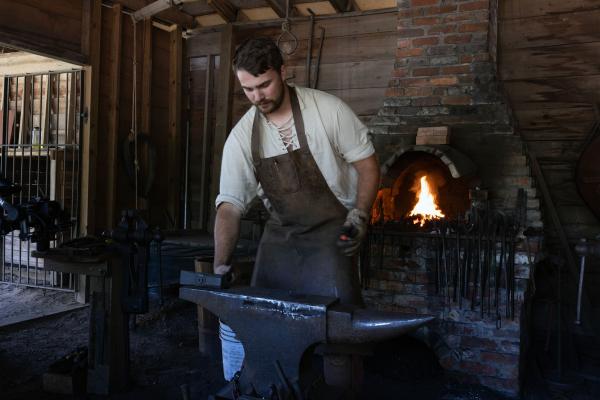

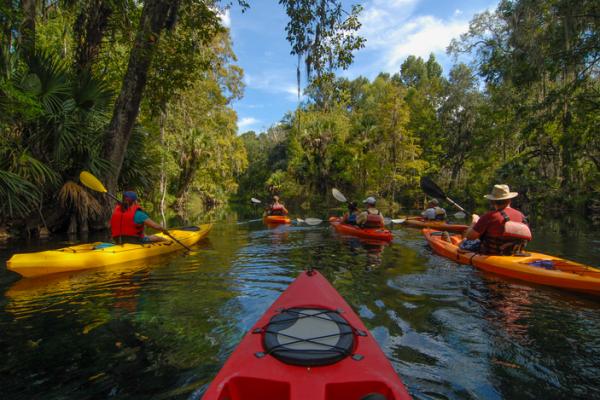
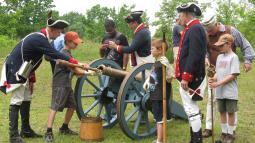
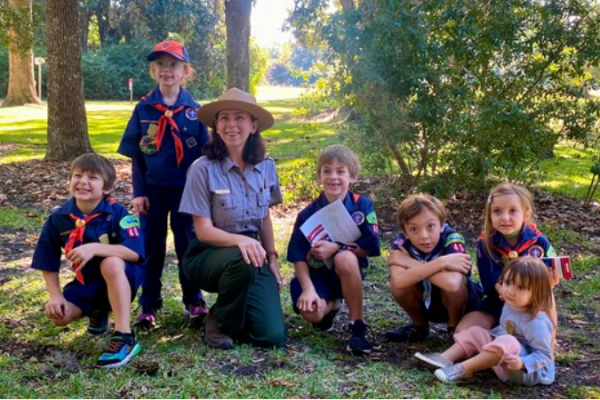
Family Friendly Adventures
Discover a part of our nation’s history at historic landmarks and events.


Liberty Trail History Makers
The Revolutionary War was a war unlike any other — one of ideas and ideals, that shaped “the course of human events. Explore the history and personalities from this pivotal time in American history.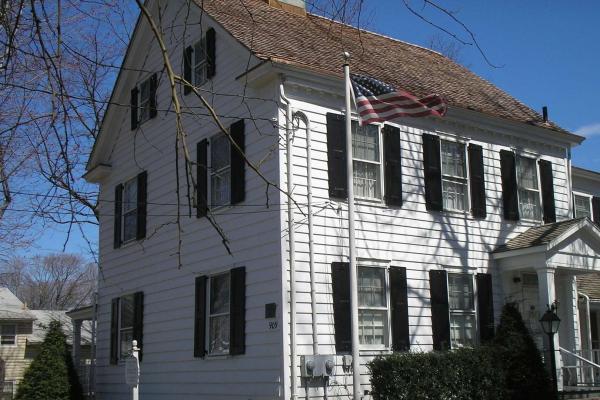
Hannah Caldwell of Connecticut Farms, New Jersey was a civilian casualty of the American Revolution. She died instantly when a British soldier fired into her home on June 7, 1780. Recognized as a patriot by the Daughters of the American Revolution, her gravestone reads, "was killed at Connecticut Farms by a shot from a British Soldier. Cruelly sacrificed by the enemies of her husband and her country.”
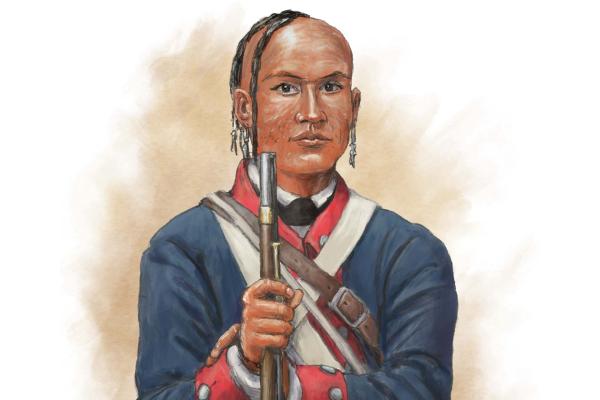
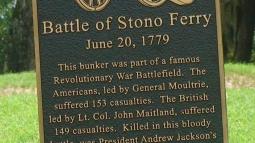
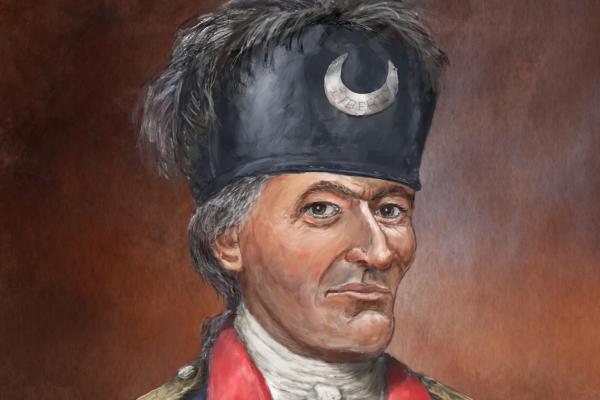
Peter Harris, a Catawba Indian who survived a devastating smallpox epidemic as a child, served bravely in the Continental Army during the American Revolution, fighting in key battles like Stono Ferry and Rocky Mount; despite his contributions, he later petitioned South Carolina for a pension, poignantly describing himself as "one of the lingering embers of an almost extinguished race," and was granted $60 a year just before his death in 1823.
James Carter, a native of Virginia, fought bravely in pivotal battles like Camden and Yorktown during the American Revolution, earning a land bounty and a pension for his service, and was recognized as a "free person of color" at age eighty-five in the 1840 census.
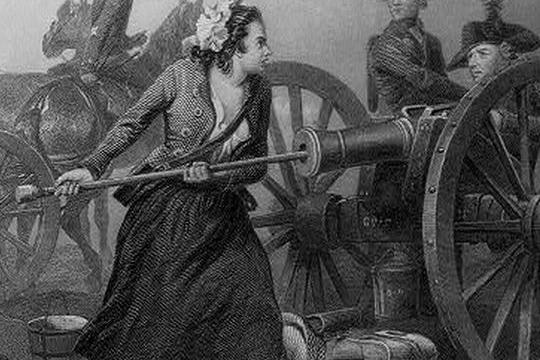
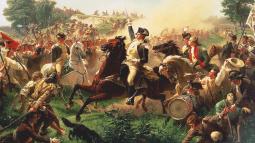
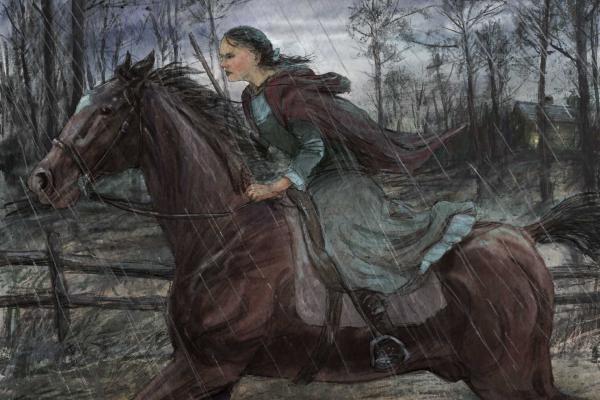
Molly Pitcher remains more legend than fact, but Mary Ludwig Hays closely matches the most famous tale of her bravery. From carrying water on the battlefield to manning a cannon at Monmouth, her story symbolizes the overlooked contributions of women in the American Revolution.