The Liberty Trail
- parking
- accessible_parking
- wheelchair_accessible
- restrooms
- wifi

- restrooms
- wheelchair_accessible
- parking
- accessible_parking
- wheelchair_accessible
- restrooms

- parking
- accessible_parking
- wheelchair_accessible
- restrooms
- parking
- accessible_parking
- wheelchair_accessible
- pet_friendly
- wifi
- parking
- restrooms
- wheelchair_accessible

- parking
- accessible_parking
- wheelchair_accessible
- pet_friendly
- parking
- accessible_parking
- wheelchair_accessible
- restrooms
- wifi
- parking
- restrooms
- pet_friendly

- parking
- accessible_parking
- wheelchair_accessible
- restrooms
- wifi

- parking
- accessible_parking
- wheelchair_accessible


- parking
- restrooms
- wheelchair_accessible



- parking
- accessible_parking
- restrooms
- pet_friendly
- parking
- accessible_parking
- wheelchair_accessible
- restrooms
- parking
- accessible_parking
- wheelchair_accessible
- restrooms
- wifi
- parking
- accessible_parking
- wheelchair_accessible
- restrooms
- wifi
- parking
- wheelchair_accessible
- restrooms
- pet_friendly

- parking
- restrooms
- wheelchair_accessible



- parking
- accessible_parking
- restrooms

This Day on the Liberty Trail
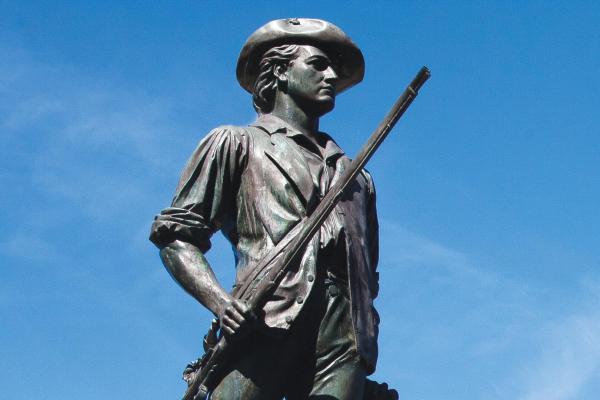
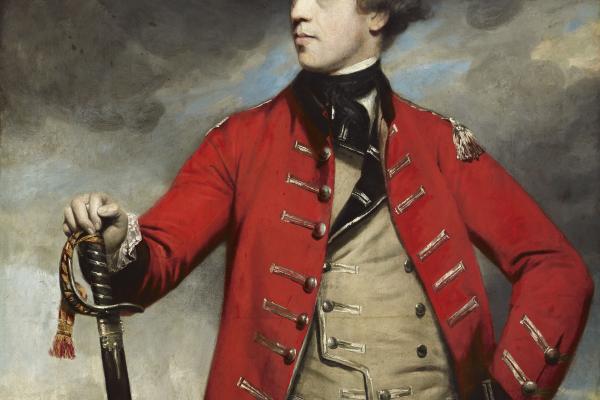
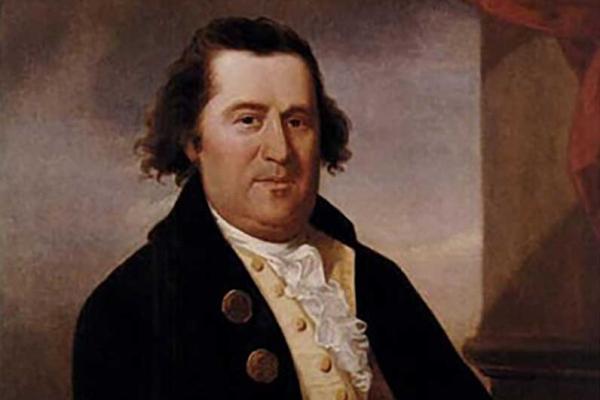
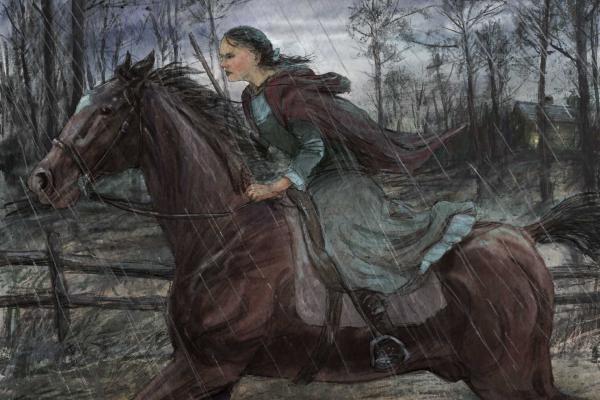
Uncovering History
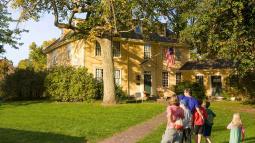
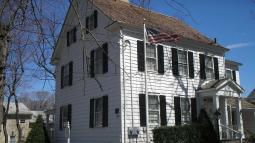
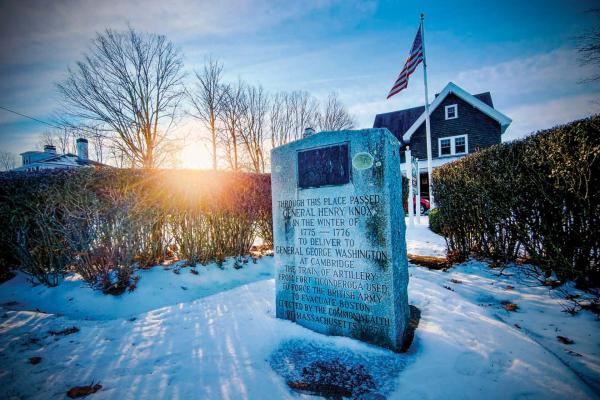
We invite you to visit the preserved locations along the Liberty Trail and to immerse
yourself in the extraordinary events that determined the fate of a nation.
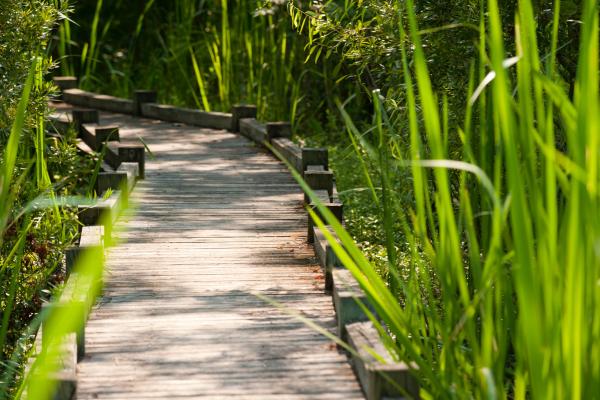
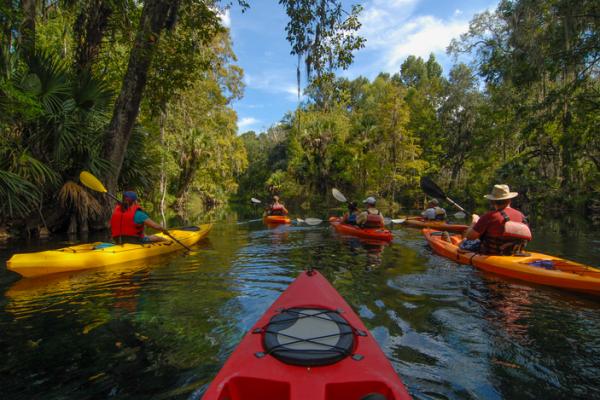
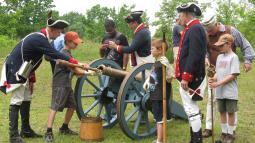
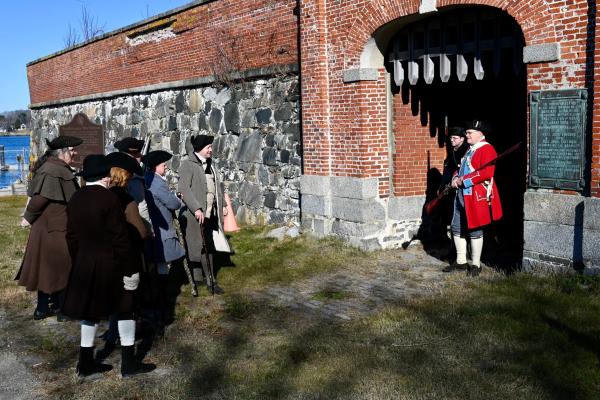
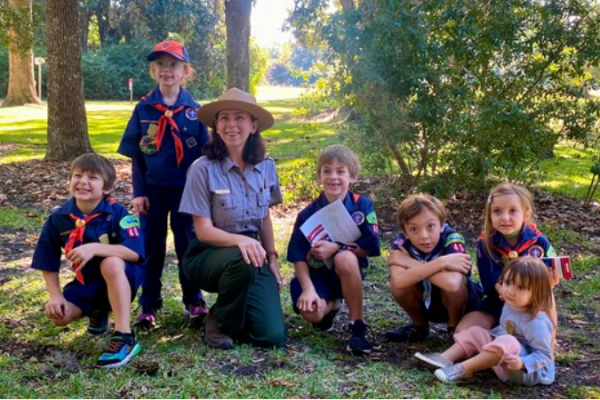
Family Friendly Adventures
Discover a part of our nation’s history at historic landmarks and events.

Liberty Trail History Makers
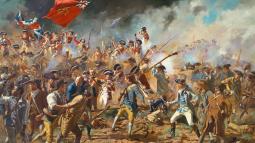
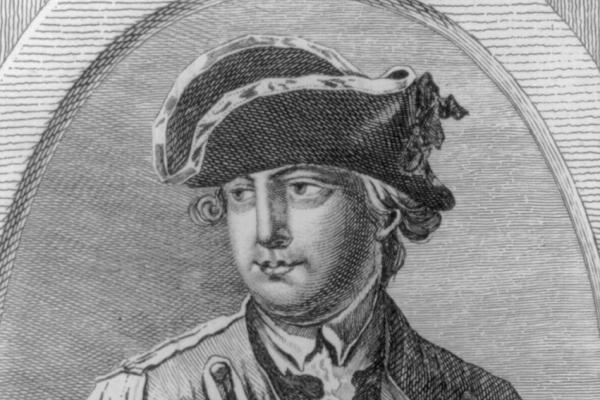
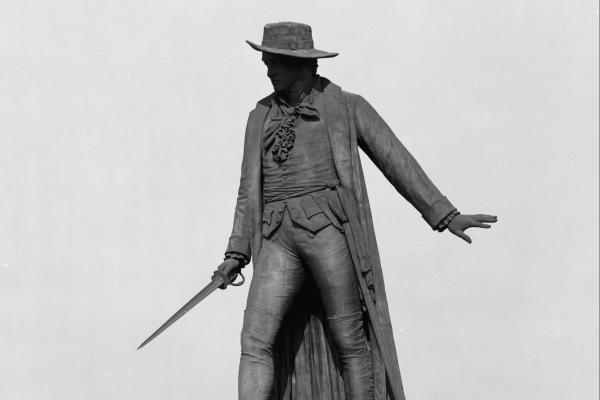
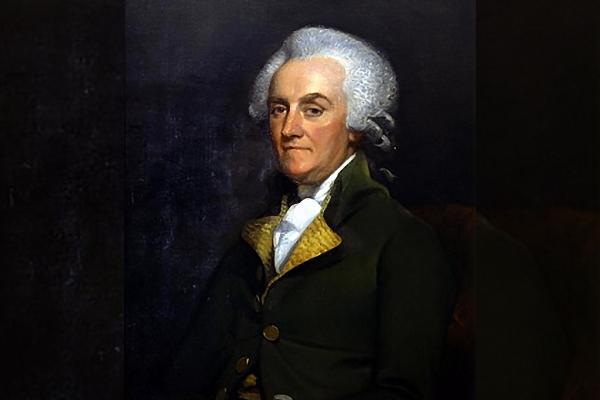
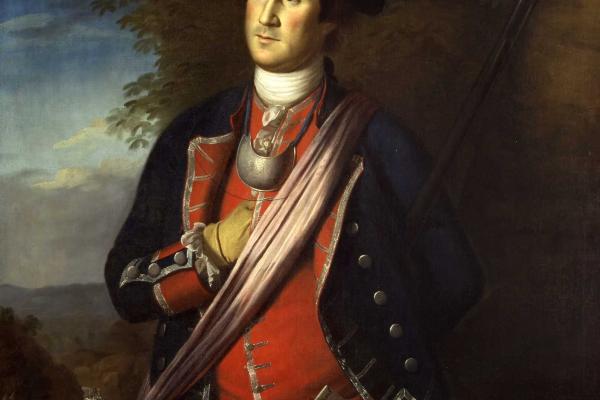
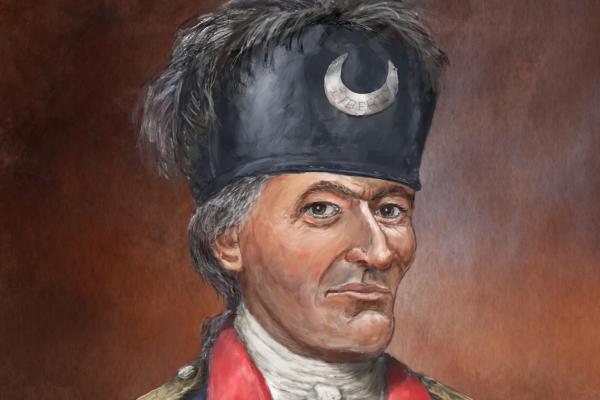
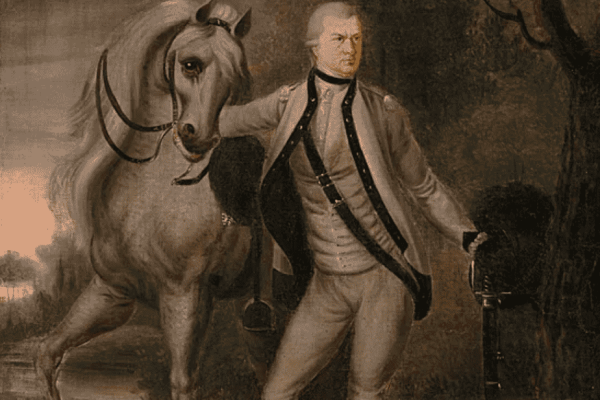
The Revolutionary War was a war unlike any other — one of ideas and ideals, that shaped “the course of human events. Explore the history and personalities from this pivotal time in American history.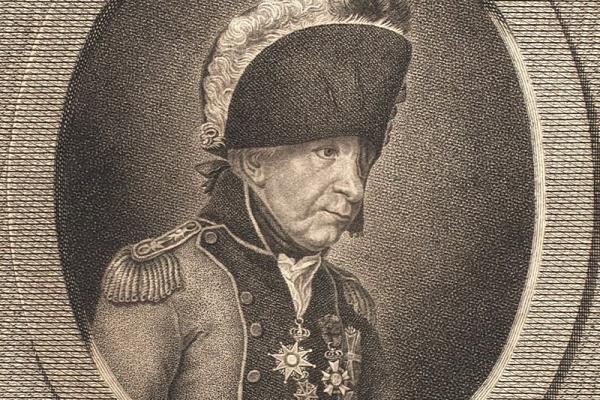
Johann Ewald, a Hessian captain, served in several significant Revolutionary War battles, including White Plains, Bound Brook, and the failed attack on Fort Mercer. He later fought at Yorktown, where he surrendered with the British forces. His detailed wartime diary and maps provide invaluable insights into his experiences in America.
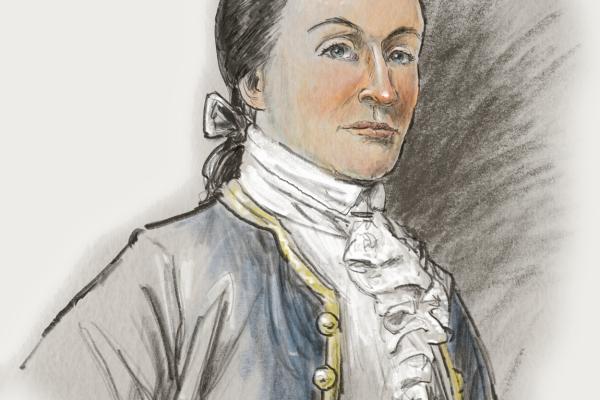
Though his Quaker faith precluded him from taking up arms, Lushington made the decision to join the Patriot cause and fight against the British during the American Revolution. Largely an outsider, joining the army may have been a means for Lushington to gain further acceptance within Charleston's social elite.
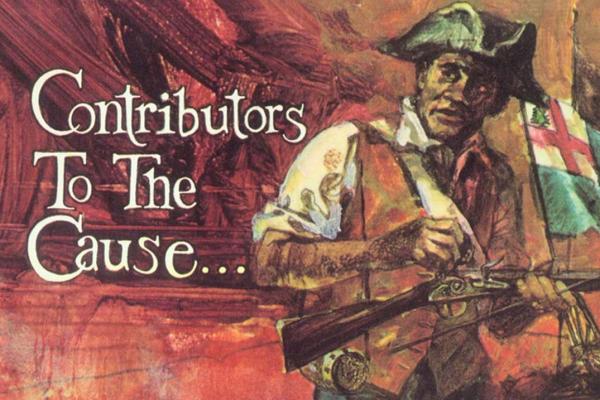
A former slave who fought heroically at Bunker Hill, Poor served throughout the Revolutionary War and earned recognition for his bravery.
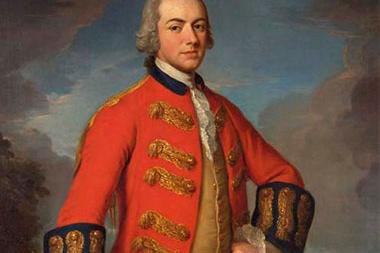
Despite the prominent role Cornwallis played in the Revolution, Henry Clinton was blamed for the loss of the American colonies following the surrender at Yorktown.