The Liberty Trail
- parking
- accessible_parking
- wheelchair_accessible
- restrooms
- wifi

- restrooms
- wheelchair_accessible

- parking
- accessible_parking
- wheelchair_accessible
- restrooms


- parking
- accessible_parking
- wheelchair_accessible
- restrooms
- parking
- accessible_parking
- wheelchair_accessible
- pet_friendly


- wifi
- parking
- restrooms
- wheelchair_accessible

- parking
- accessible_parking
- wheelchair_accessible
- pet_friendly

- parking
- accessible_parking
- wheelchair_accessible
- restrooms
- wifi
- parking
- restrooms
- pet_friendly

- parking
- accessible_parking
- wheelchair_accessible
- restrooms
- wifi

- parking
- accessible_parking
- wheelchair_accessible


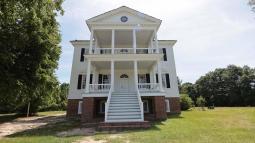
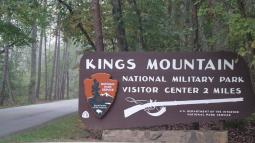
- parking
- restrooms
- wheelchair_accessible
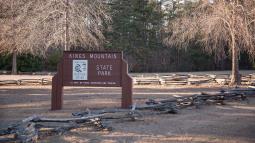


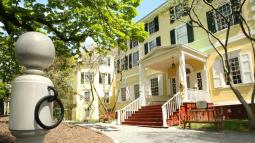

- parking
- accessible_parking
- restrooms
- pet_friendly
- parking
- accessible_parking
- wheelchair_accessible
- restrooms
- parking
- accessible_parking
- wheelchair_accessible
- restrooms
- wifi
- parking
- accessible_parking
- wheelchair_accessible
- restrooms
- wifi

- parking
- wheelchair_accessible
- restrooms
- pet_friendly


- parking
- restrooms
- wheelchair_accessible












- parking
- accessible_parking
- restrooms

This Day on the Liberty Trail
Uncovering History
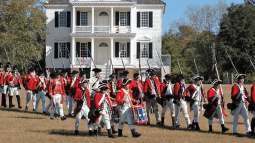
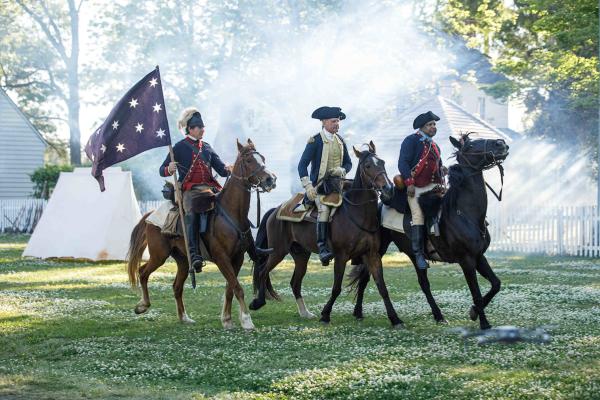
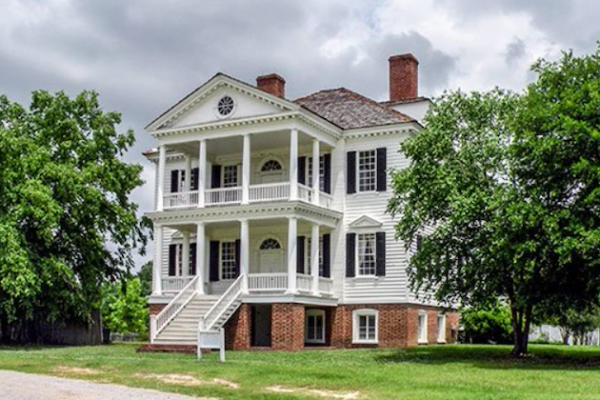
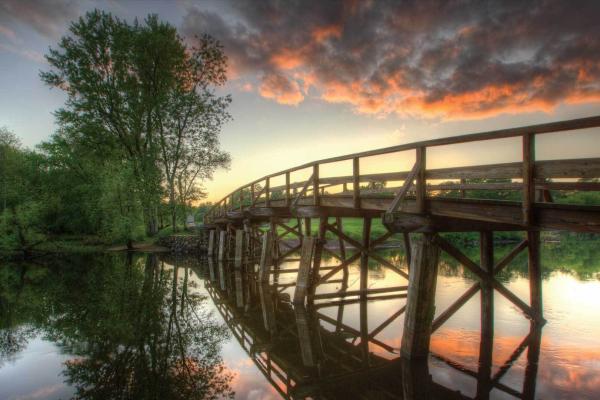
We invite you to visit the preserved locations along the Liberty Trail and to immerse
yourself in the extraordinary events that determined the fate of a nation.
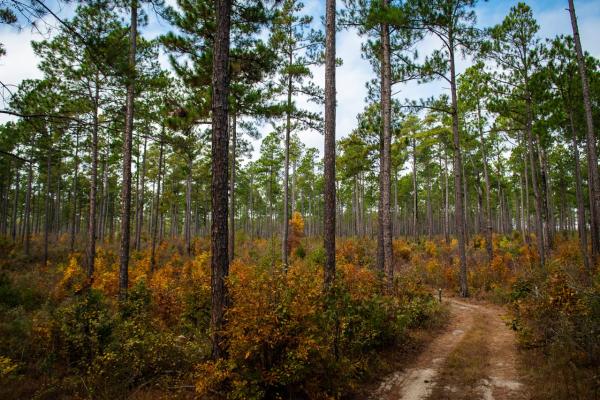

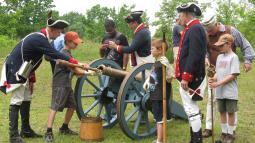
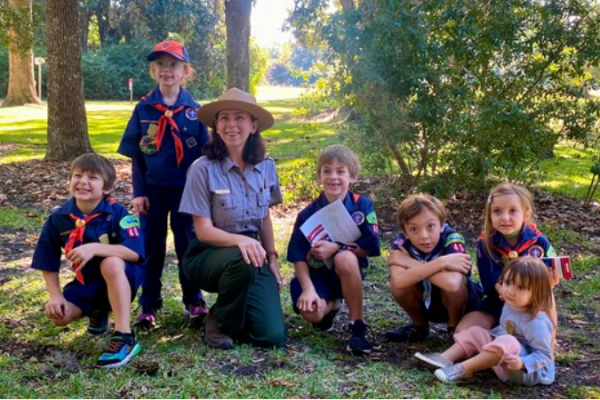
Family Friendly Adventures
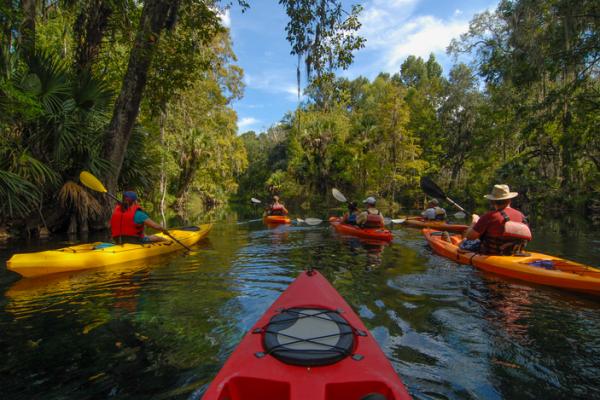
Discover a part of our nation’s history at historic landmarks and events.


Liberty Trail History Makers
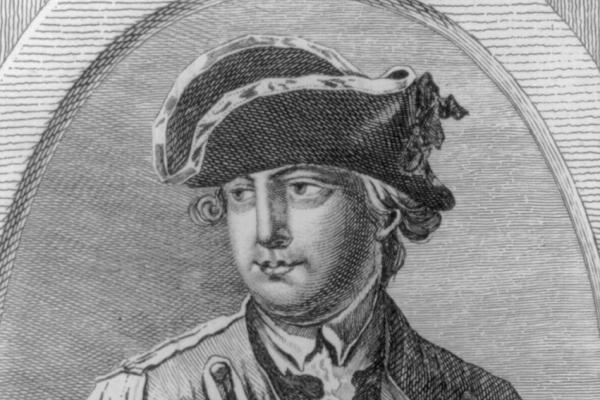
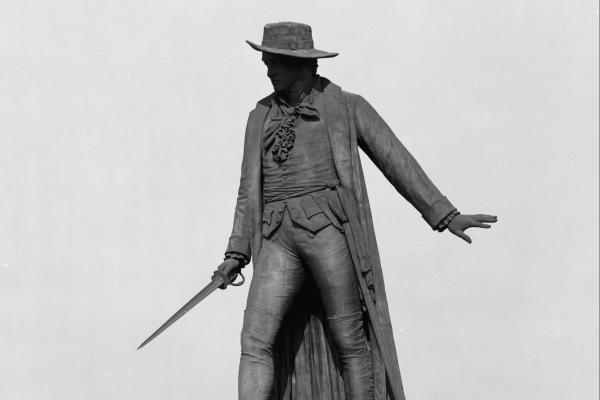
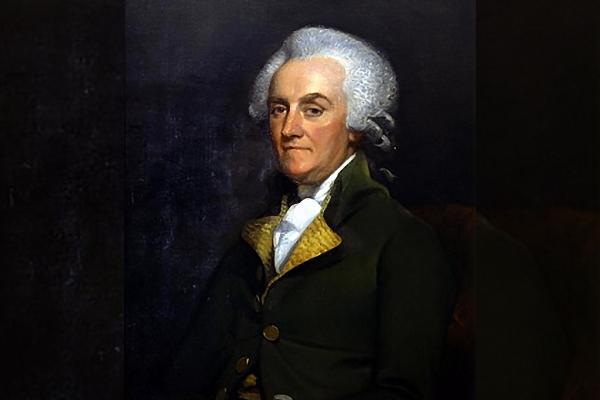
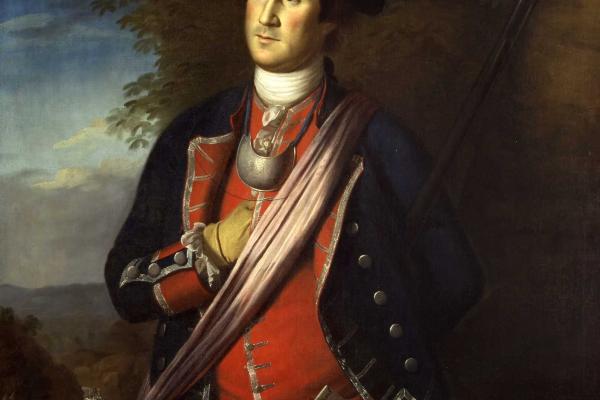
The Revolutionary War was a war unlike any other — one of ideas and ideals, that shaped “the course of human events. Explore the history and personalities from this pivotal time in American history.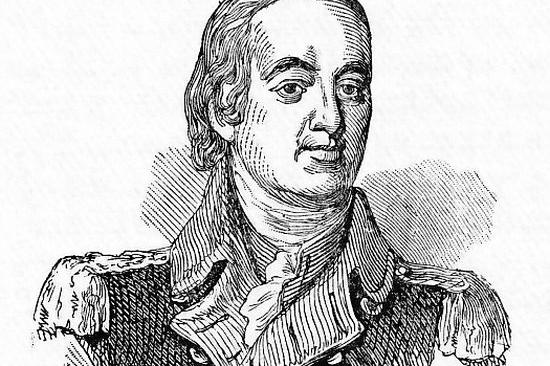
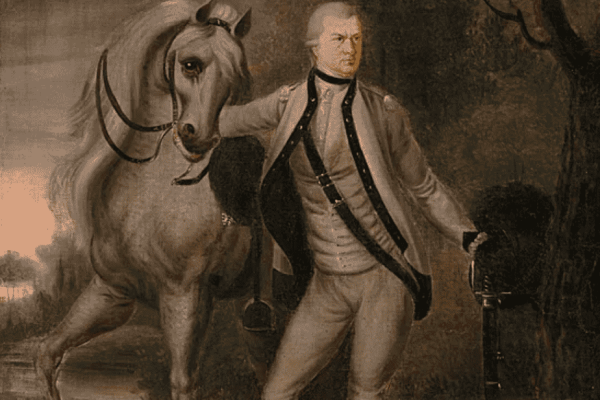
William Alexander, known as “Lord Stirling,” was a wealthy New Yorker who claimed a Scottish title and became a key Continental Army officer during the Revolutionary War, earning distinction at the Battle of Long Island and later serving in major campaigns like Princeton and Brandywine. Despite his aristocratic airs, he proved a loyal patriot and capable commander, ultimately dying of gout in 1783 just before the war’s end.
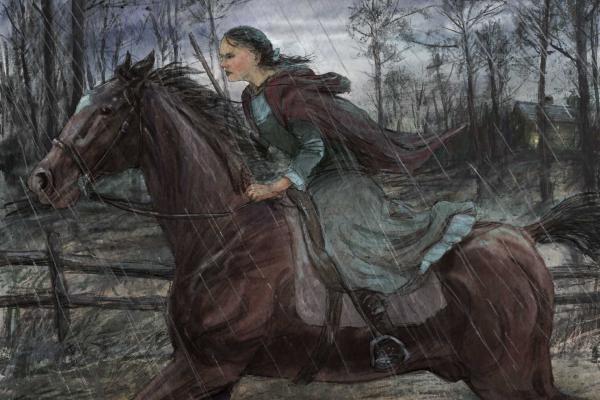
As opposed to Paul Revere, Sybil Ludington avoided capture during her ride to warn colonists of an advancing British column. Riding miles in downpouring rain and against all odds, Sybil's story remained in obscurity until the 1960s.
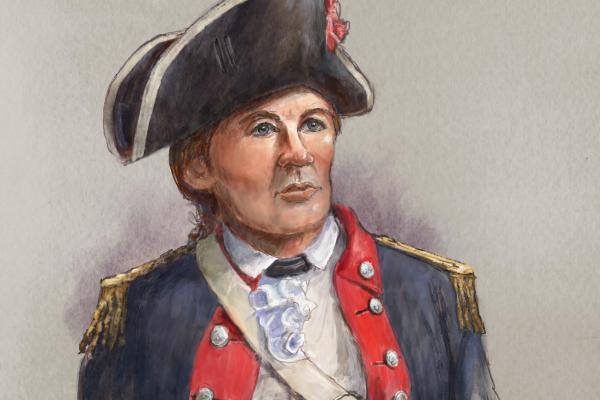
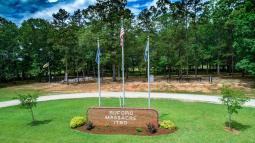
Commander of a Virginia unit during the American Revolution, Abraham Buford saw his troops massacred by Banastre Tarleton and his British Legion at the Battle of Waxhaws in South Carolina.
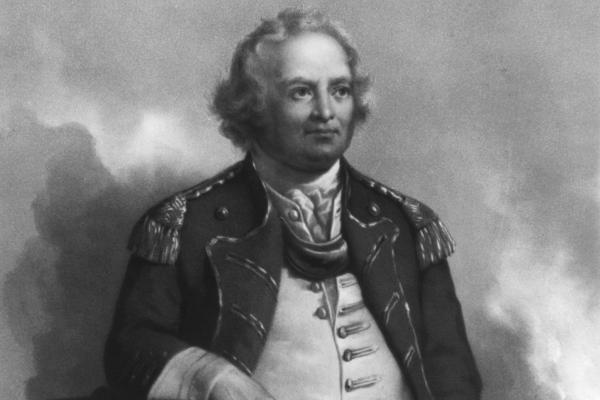
A seasoned officer from the French and Indian War, Putnam played a key role in the Battle of Bunker Hill, but his military career ended after a series of setbacks and a debilitating stroke.