The Liberty Trail—New Jersey

​​Your Path on The Liberty Trail New Jersey

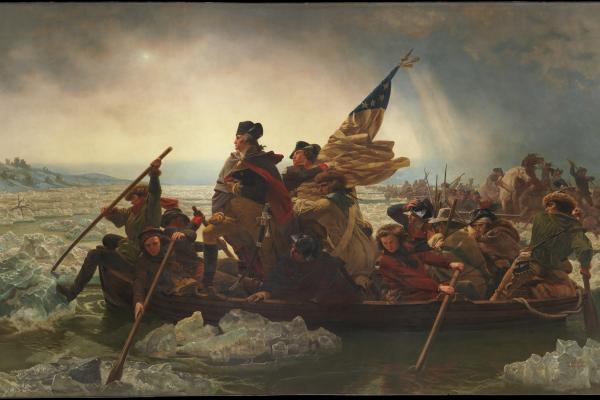
New Jersey played a major role in the fight for independence, from Washington’s daring crossing of the Delaware River to the Battle of Princeton. Its location caused the Continental and British armies to clash on this ground repeatedly throughout the War for Independence.
The Liberty Trail

Plan Your Visit
States of Interest:
States
Filter By:
Location Type
Experiences
Outdoor Activities
Events
New Jersey Storytellers
Exploring the history and stories of the American Revolution.
What's New on The Liberty Trail

Liberty Trail History Makers

The Revolutionary War was a war unlike any other — one of ideas and ideals, that shaped “the course of human events. Explore the history and personalities from this pivotal time in American history.
Biography

Born into Scottish nobility, William Leslie pursued a military career with the British Army, confident in his superiority over the American rebels. However, his life was cut short at the Battle of Princeton, where, despite his disdain for the revolutionaries, he was honored in death by none other than General George Washington and his old friend, Benjamin Rush.

Biography

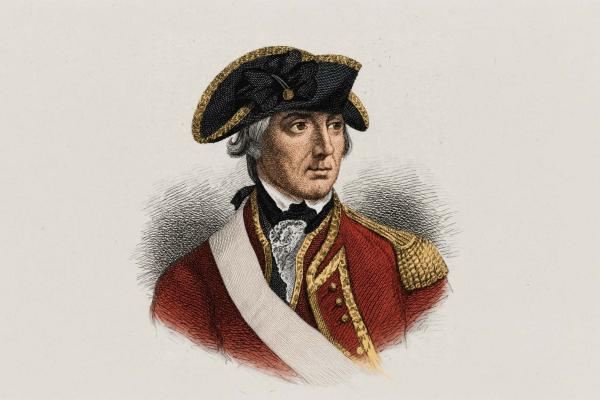
In 1779, after a stalemate in the north, Cornwallis went south as second in command to Sir Henry Clinton. Clinton captured Charleston in May 1780. Cornwallis pressed on to defeat General Horatio Gates at Camden, South Carolina, on August 16, 1780.

Biography

Hannah Caldwell of Connecticut Farms, New Jersey was a civilian casualty of the American Revolution. She died instantly when a British soldier fired into her home on June 7, 1780. Recognized as a patriot by the Daughters of the American Revolution, her gravestone reads, "was killed at Connecticut Farms by a shot from a British Soldier. Cruelly sacrificed by the enemies of her husband and her country.”

Biography

Charles Lee (February 6, 1732 - October 2, 1782) was a Major General in the American Revolutionary War. He was second-in-command to General George Washington, though he was known for his efforts to undermine General Washington. In 1780, Lee formally resigned from the Continental Army and retired to Philadelphia.