The Liberty Trail
- parking
- accessible_parking
- wheelchair_accessible
- restrooms
- wifi

- restrooms
- wheelchair_accessible
- parking
- accessible_parking
- wheelchair_accessible
- restrooms

- parking
- accessible_parking
- wheelchair_accessible
- restrooms
- parking
- accessible_parking
- wheelchair_accessible
- pet_friendly

- wifi
- parking
- restrooms
- wheelchair_accessible

- parking
- accessible_parking
- wheelchair_accessible
- pet_friendly
- parking
- accessible_parking
- wheelchair_accessible
- restrooms
- wifi
- parking
- restrooms
- pet_friendly

- parking
- accessible_parking
- wheelchair_accessible
- restrooms
- wifi
- parking
- accessible_parking
- wheelchair_accessible

- parking
- restrooms
- wheelchair_accessible



- parking
- accessible_parking
- restrooms
- pet_friendly
- parking
- accessible_parking
- wheelchair_accessible
- restrooms
- parking
- accessible_parking
- wheelchair_accessible
- restrooms
- wifi
- parking
- accessible_parking
- wheelchair_accessible
- restrooms
- wifi
- parking
- wheelchair_accessible
- restrooms
- pet_friendly

- parking
- restrooms
- wheelchair_accessible



- parking
- accessible_parking
- restrooms

This Day on the Liberty Trail
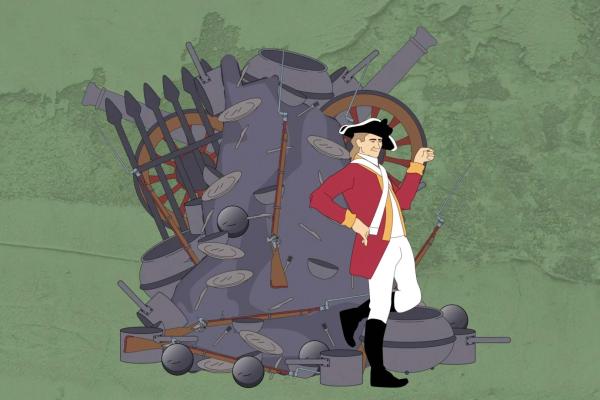
Uncovering History
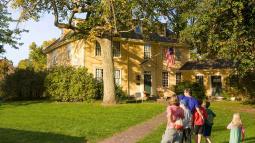
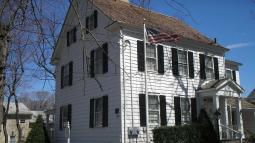
We invite you to visit the preserved locations along the Liberty Trail and to immerse
yourself in the extraordinary events that determined the fate of a nation.
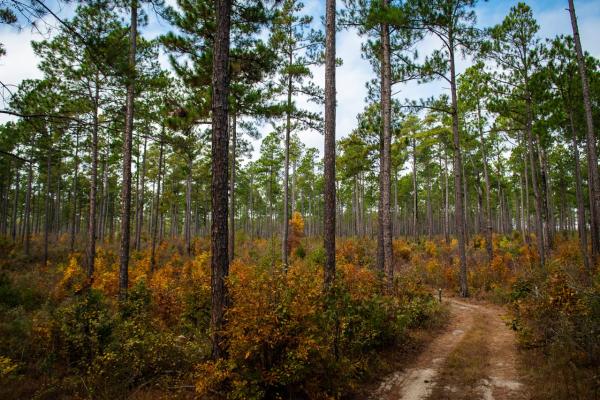
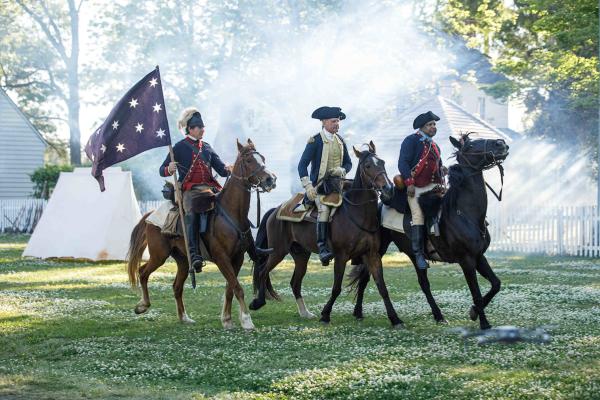
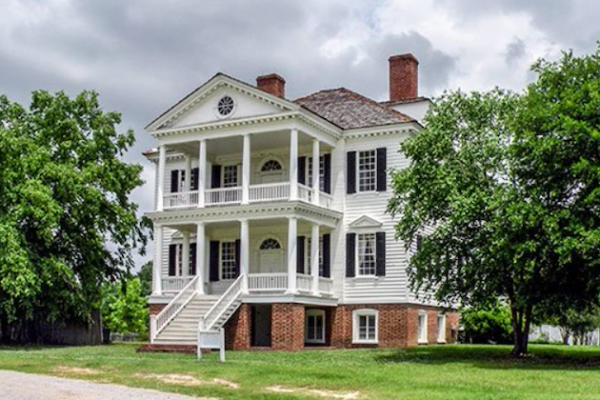
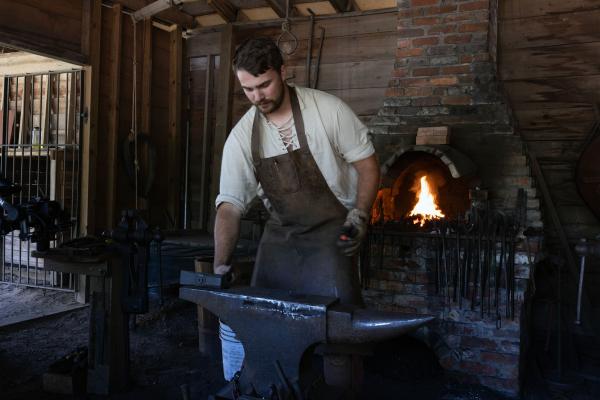
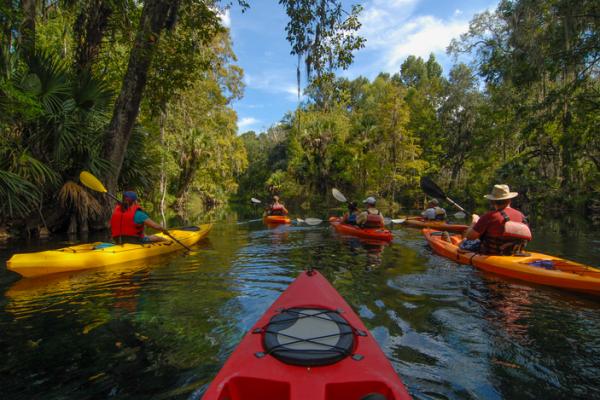
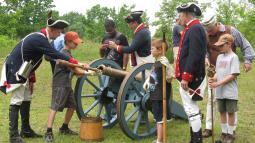
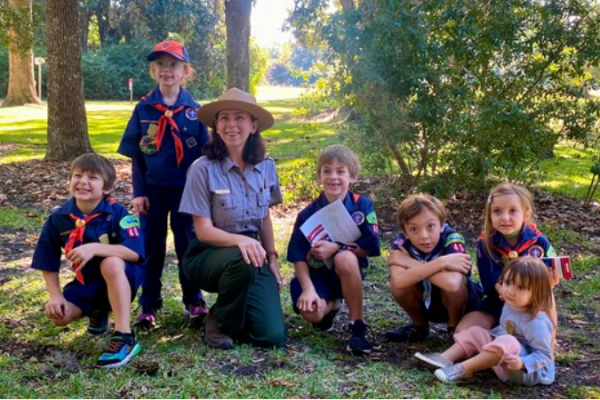
Family Friendly Adventures
Discover a part of our nation’s history at historic landmarks and events.

Liberty Trail History Makers
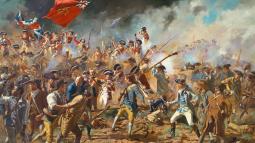
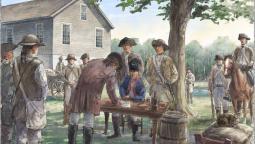
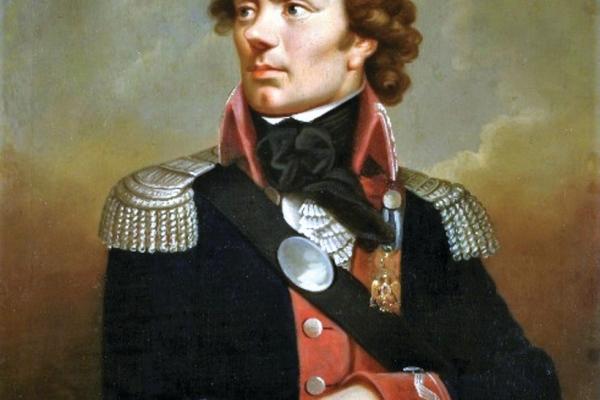
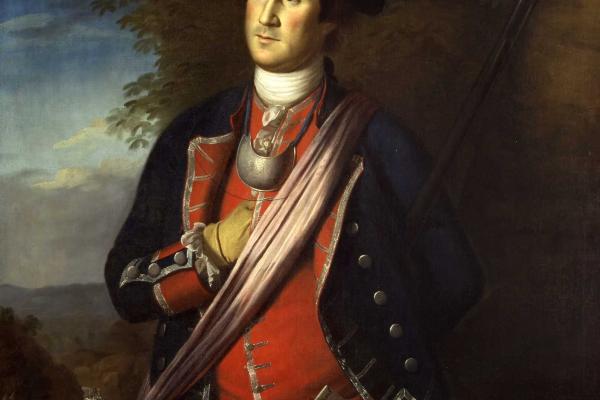
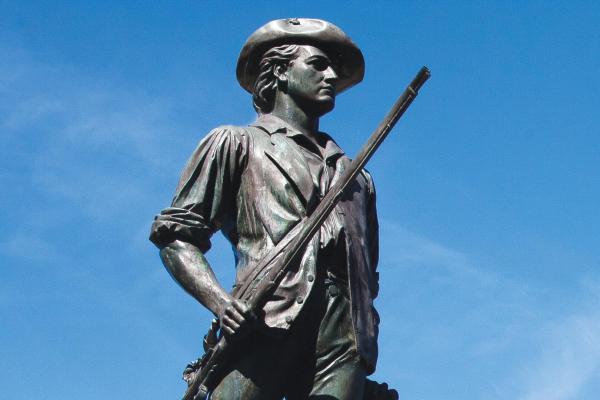
The Revolutionary War was a war unlike any other — one of ideas and ideals, that shaped “the course of human events. Explore the history and personalities from this pivotal time in American history.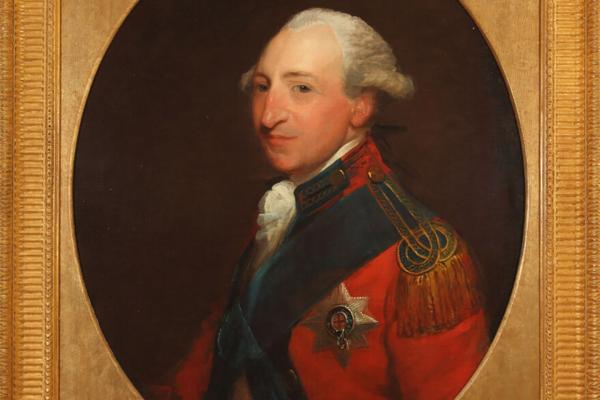
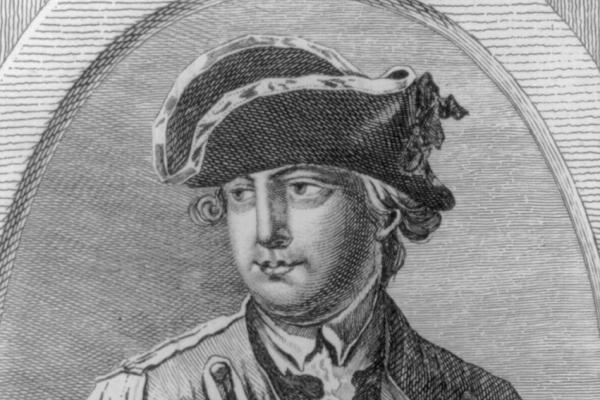
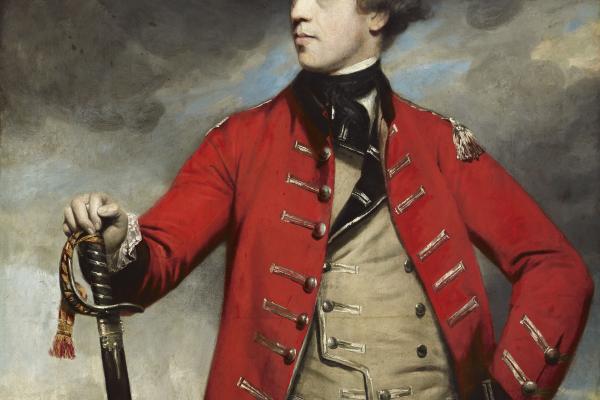
A British officer during the American Revolution, Percy helped during the retreat from Concord in 1775 and fought at Long Island and Fort Washington. Frustrated with British leadership, he returned to England, prospered as a landowner, and died in 1817.
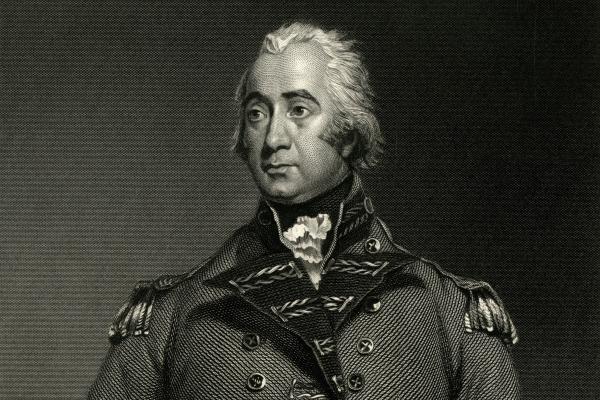
During the Battle of Camden in August, Rawdon commanded Charges Lord Cornwallis's left wing. After defeat at Cowpens, Cornwallis sought out northern territory, leaving Rawdon behind to defend both Georgia and South Carolina with a miniscule force.
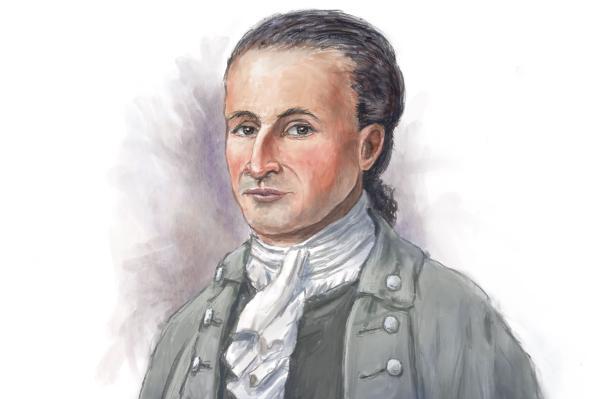
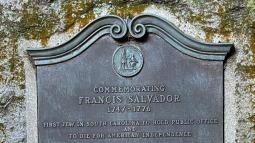
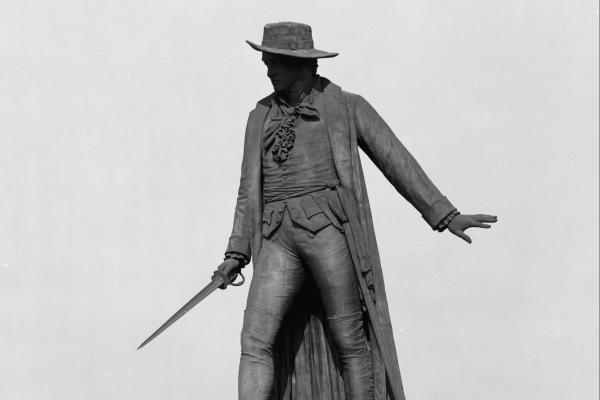
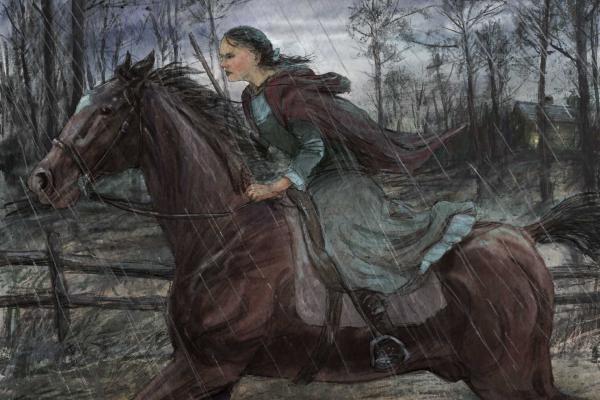
Salvador earned the nickname "Southern Paul Revere" when he rode over 30 miles to warn militia units in the backcountry of South Carolina of an Indian attack.
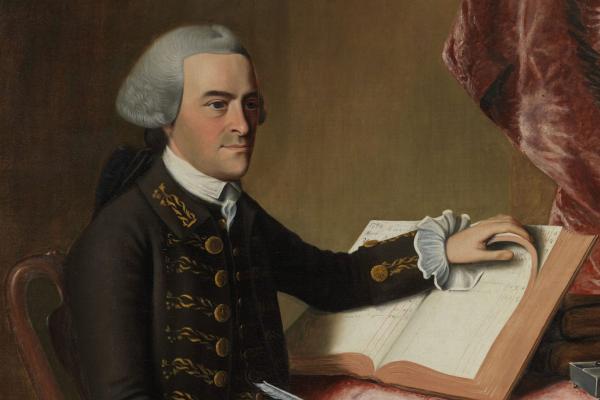
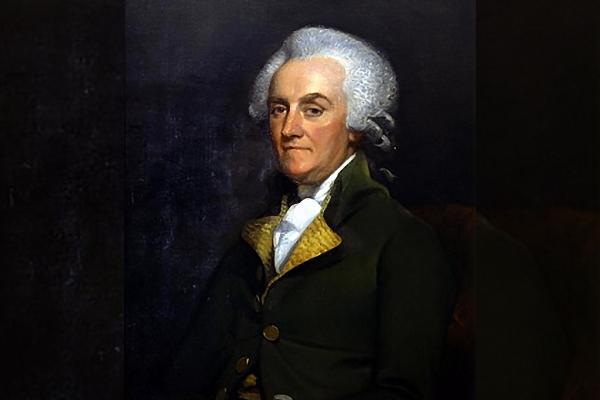
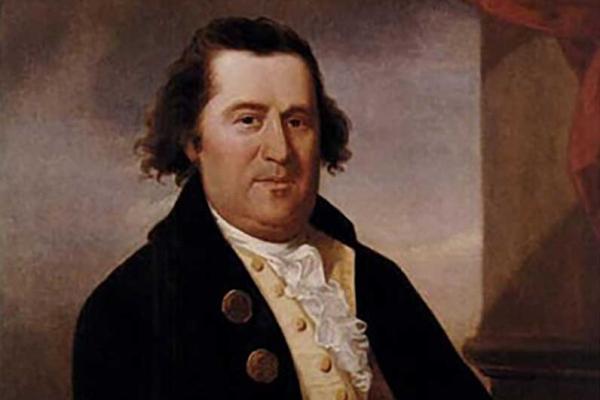
A wealthy merchant and political leader from Massachusetts, Hancock was a key figure in the American Revolution, serving as president of the Second Continental Congress, signing the Declaration of Independence, and later serving as governor of Massachusetts.