The Liberty Trail
- parking
- accessible_parking
- wheelchair_accessible
- restrooms
- wifi



- restrooms
- wheelchair_accessible

- parking
- accessible_parking
- wheelchair_accessible
- restrooms



- parking
- accessible_parking
- wheelchair_accessible
- restrooms
- parking
- accessible_parking
- wheelchair_accessible
- pet_friendly


- wifi
- parking
- restrooms
- wheelchair_accessible

- parking
- accessible_parking
- wheelchair_accessible
- pet_friendly

- parking
- accessible_parking
- wheelchair_accessible
- restrooms
- wifi
- parking
- restrooms
- pet_friendly

- parking
- accessible_parking
- wheelchair_accessible
- restrooms
- wifi


- parking
- accessible_parking
- wheelchair_accessible


- parking
- restrooms
- wheelchair_accessible




- parking
- accessible_parking
- restrooms
- pet_friendly
- parking
- accessible_parking
- wheelchair_accessible
- restrooms



- parking
- accessible_parking
- wheelchair_accessible
- restrooms
- wifi
- parking
- accessible_parking
- wheelchair_accessible
- restrooms
- wifi

- parking
- wheelchair_accessible
- restrooms
- pet_friendly




- parking
- restrooms
- wheelchair_accessible


















- parking
- accessible_parking
- restrooms

This Day on the Liberty Trail

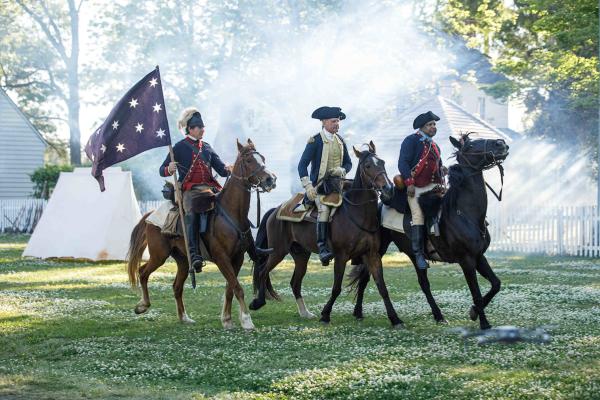
Uncovering History
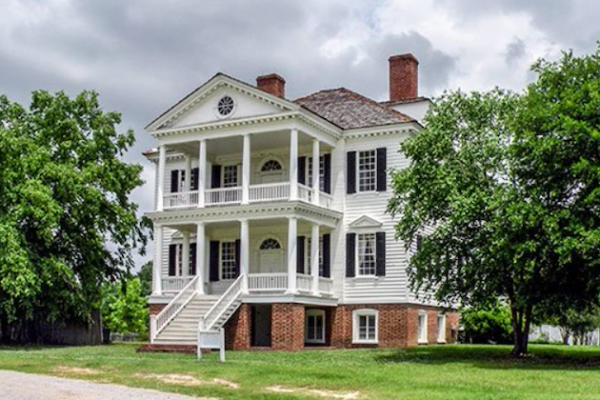
We invite you to visit the preserved locations along the Liberty Trail and to immerse
yourself in the extraordinary events that determined the fate of a nation.
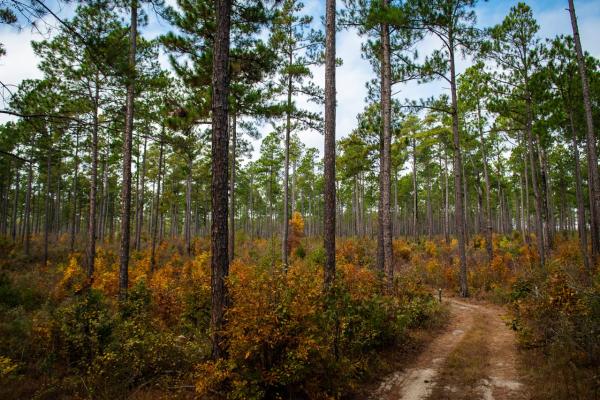

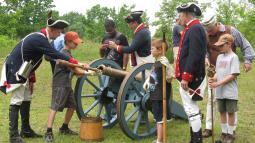
Family Friendly Adventures
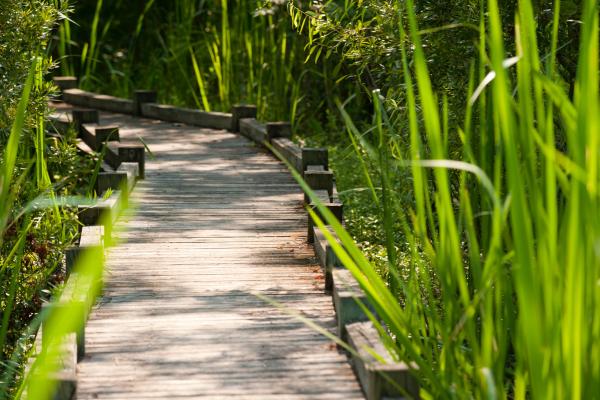
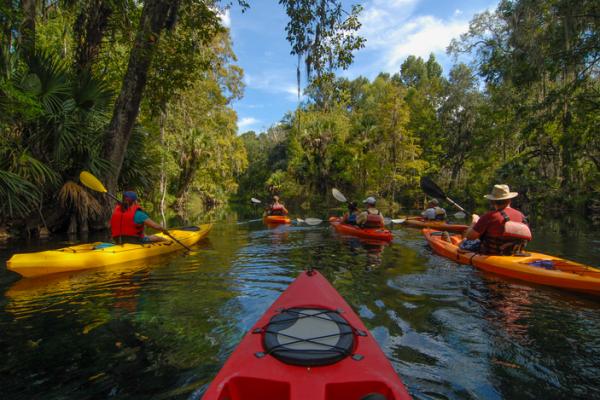
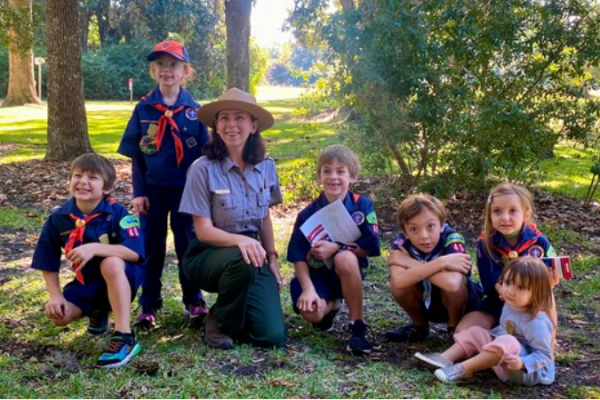
Discover a part of our nation’s history at historic landmarks and events.


Liberty Trail History Makers
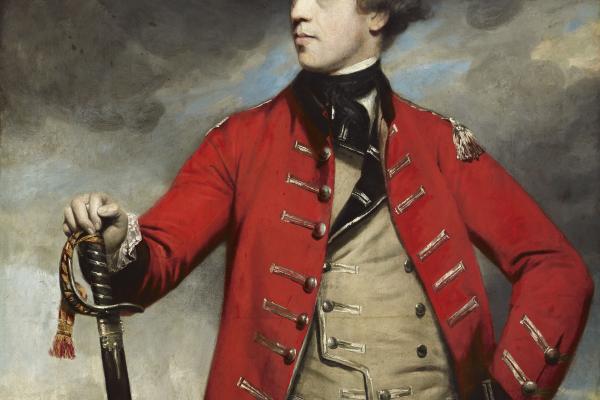
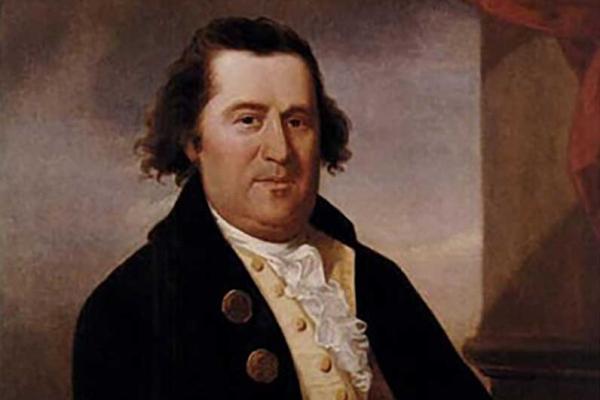
The Revolutionary War was a war unlike any other — one of ideas and ideals, that shaped “the course of human events. Explore the history and personalities from this pivotal time in American history.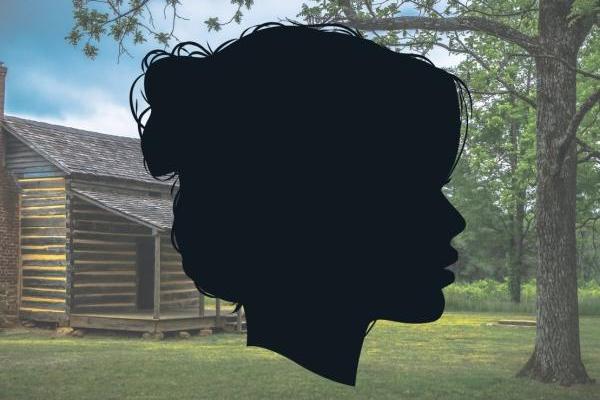
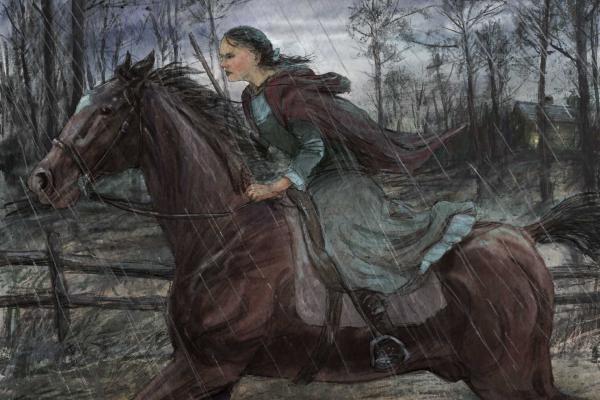
Katy Barry, born Margaret Catherine Moore, played a crucial role as a messenger and spy for the American troops, earning her the title "Heroine of the Battle of Cowpens," and her legacy is preserved at Walnut Grove Manor in South Carolina.
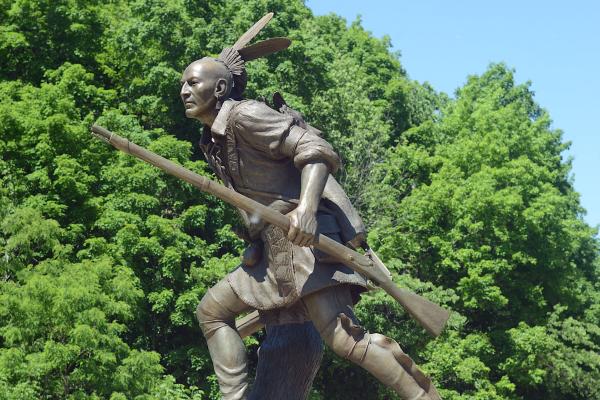
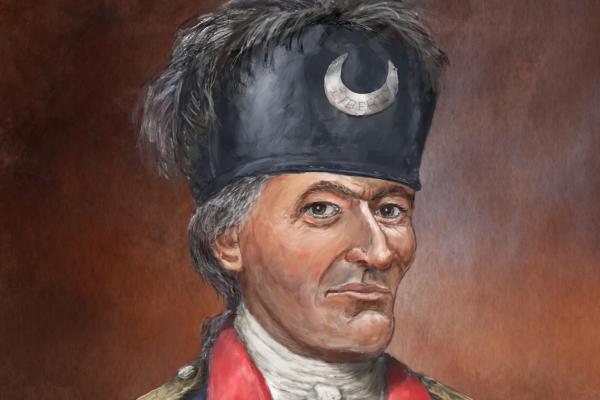
Daniel Nimham, the last sachem of the Wappinger Indians, led his people through land disputes and the American Revolution, ultimately dying in the Battle of Kingsbridge in 1778, where he and his Stockbridge warriors fought alongside the Patriots against the British.
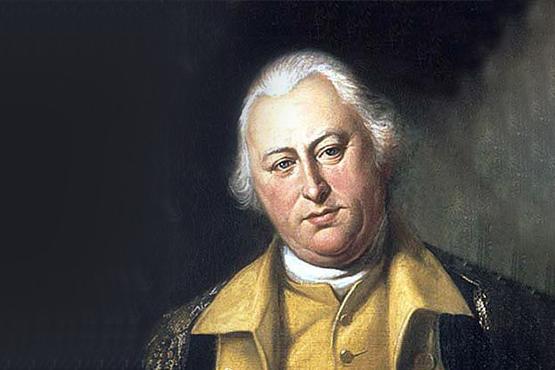
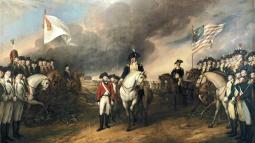
When British forces besieged Charleston, Lincoln was forced to surrender over 5,000 men. Denied honors of war in surrender, Lincoln was paroled and returned to Washington’s army. After the Battle of Yorktown, Lincoln accepted the surrender from the British, allowing him to have revenge for his defeat in Charleston.
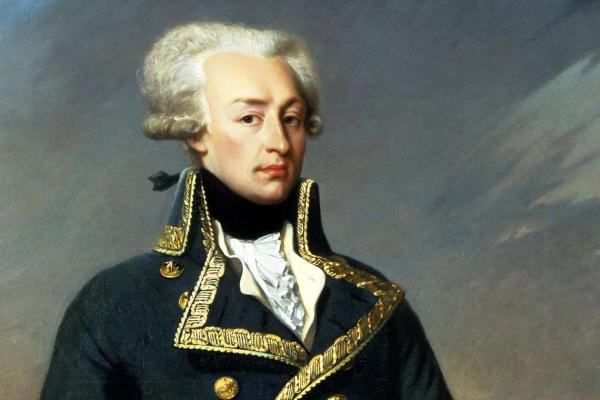
Joining the American Revolution prior to France's formal entrance into the war, the Marquis de Lafayette served as one of George Washington's most trusted generals.