The Liberty Trail
- parking
- accessible_parking
- wheelchair_accessible
- restrooms
- wifi

- restrooms
- wheelchair_accessible
- parking
- accessible_parking
- wheelchair_accessible
- restrooms


- parking
- accessible_parking
- wheelchair_accessible
- restrooms
- parking
- accessible_parking
- wheelchair_accessible
- pet_friendly
- wifi
- parking
- restrooms
- wheelchair_accessible

- parking
- accessible_parking
- wheelchair_accessible
- pet_friendly
- parking
- accessible_parking
- wheelchair_accessible
- restrooms
- wifi
- parking
- restrooms
- pet_friendly

- parking
- accessible_parking
- wheelchair_accessible
- restrooms
- wifi
- parking
- accessible_parking
- wheelchair_accessible


- parking
- restrooms
- wheelchair_accessible



- parking
- accessible_parking
- restrooms
- pet_friendly
- parking
- accessible_parking
- wheelchair_accessible
- restrooms

- parking
- accessible_parking
- wheelchair_accessible
- restrooms
- wifi
- parking
- accessible_parking
- wheelchair_accessible
- restrooms
- wifi

- parking
- wheelchair_accessible
- restrooms
- pet_friendly


- parking
- restrooms
- wheelchair_accessible















- parking
- accessible_parking
- restrooms

This Day on the Liberty Trail

Uncovering History
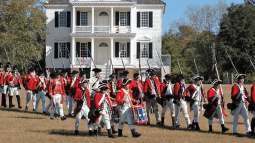
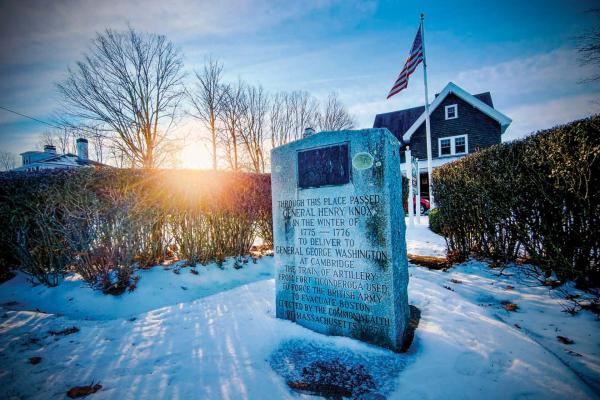
We invite you to visit the preserved locations along the Liberty Trail and to immerse
yourself in the extraordinary events that determined the fate of a nation.
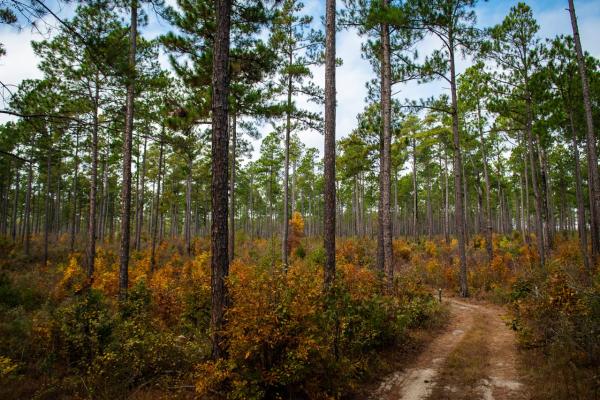
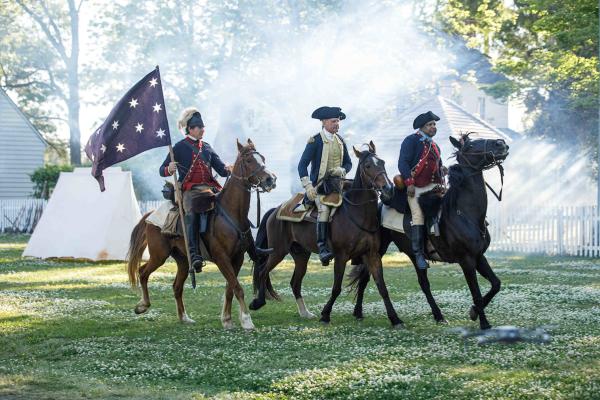
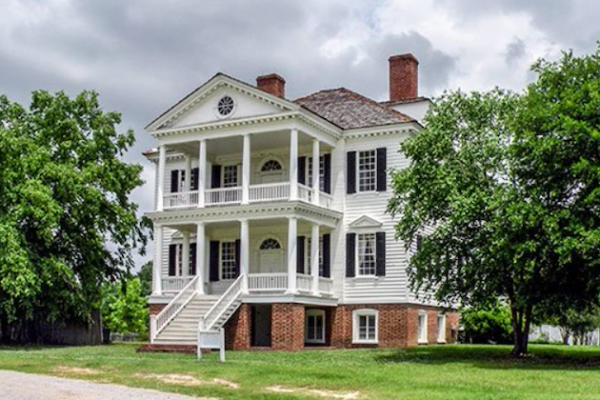
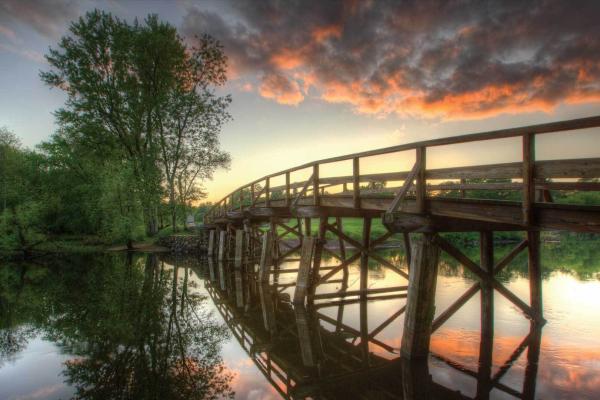
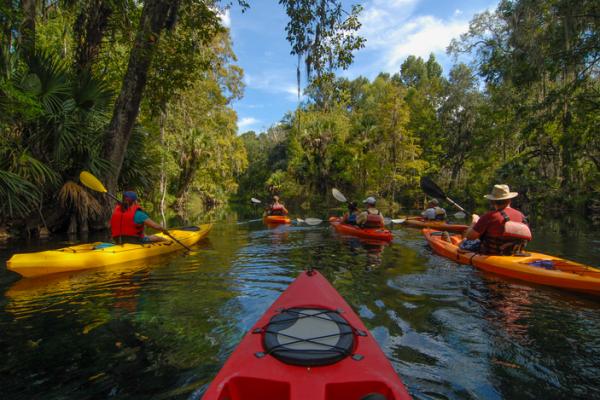
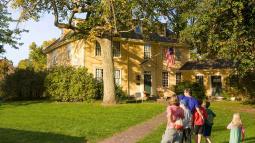
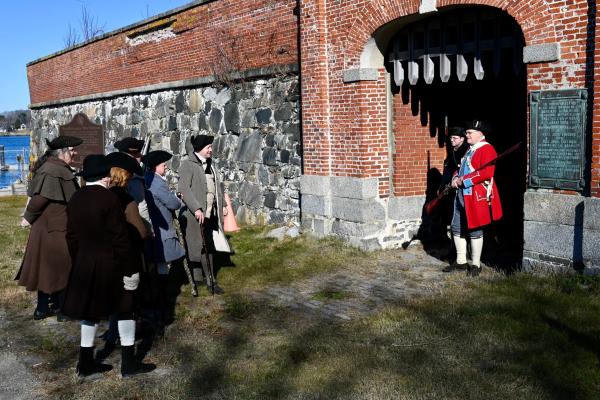
Family Friendly Adventures
Discover a part of our nation’s history at historic landmarks and events.
Liberty Trail History Makers
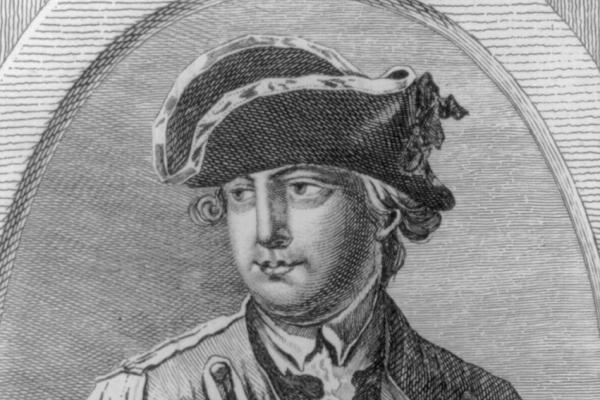
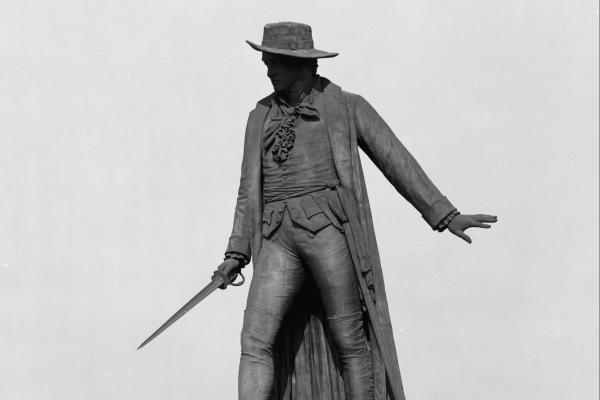
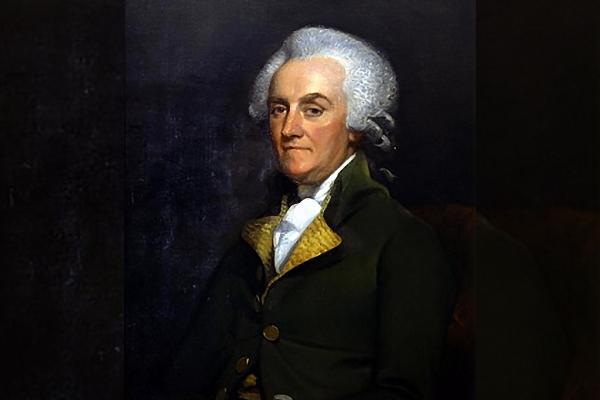
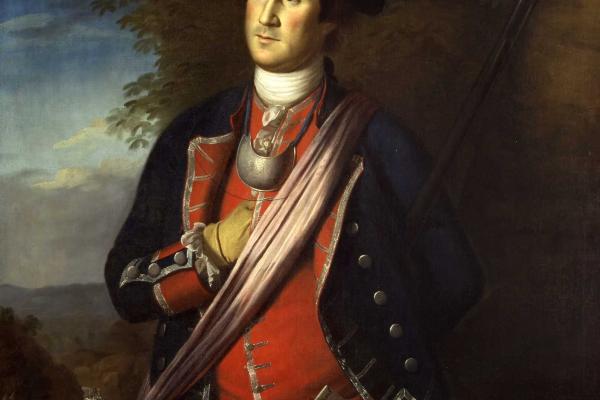
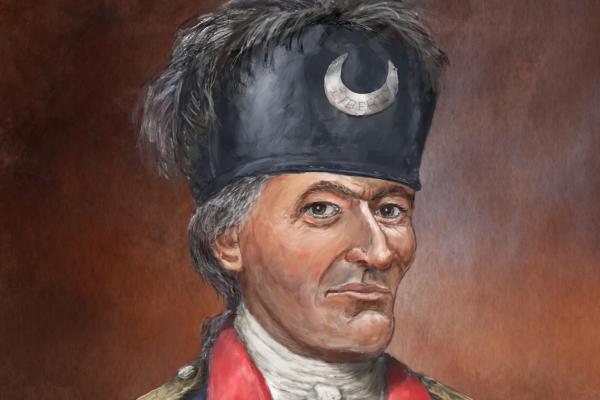
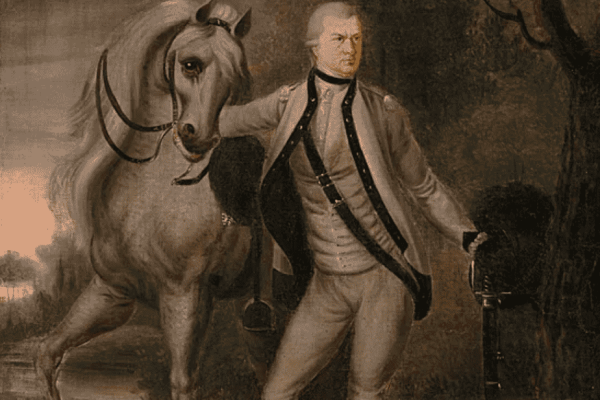
The Revolutionary War was a war unlike any other — one of ideas and ideals, that shaped “the course of human events. Explore the history and personalities from this pivotal time in American history.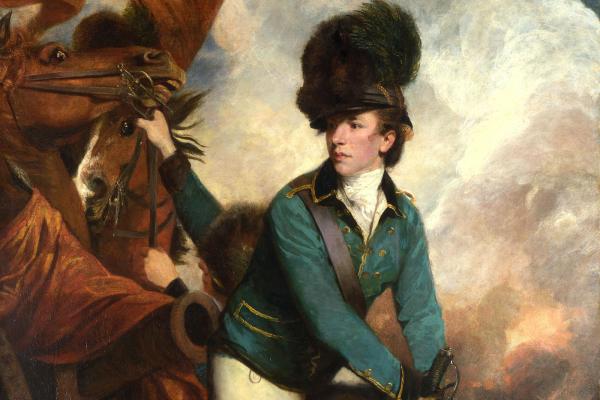
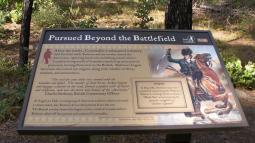
Tarleton, active in the Southern Campaign, came to be known as the ‘butcher’ after Continental soldiers accused his dragoons of disregarding a Patriot surrender by attacking the Americans after they laid down their arms at the Battle of Waxhaws.
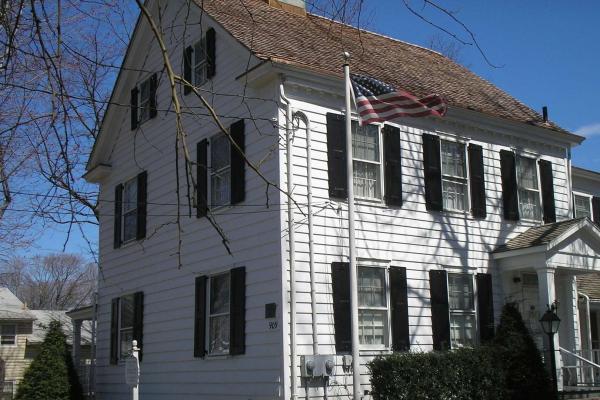
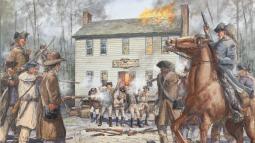
Hannah Caldwell of Connecticut Farms, New Jersey was a civilian casualty of the American Revolution. She died instantly when a British soldier fired into her home on June 7, 1780. Recognized as a patriot by the Daughters of the American Revolution, her gravestone reads, "was killed at Connecticut Farms by a shot from a British Soldier. Cruelly sacrificed by the enemies of her husband and her country.”
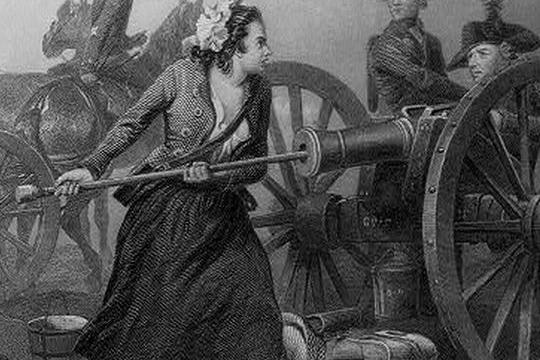
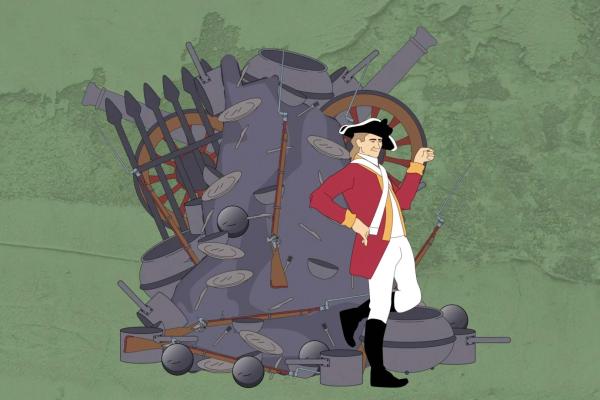
Molly Pitcher remains more legend than fact, but Mary Ludwig Hays closely matches the most famous tale of her bravery. From carrying water on the battlefield to manning a cannon at Monmouth, her story symbolizes the overlooked contributions of women in the American Revolution.
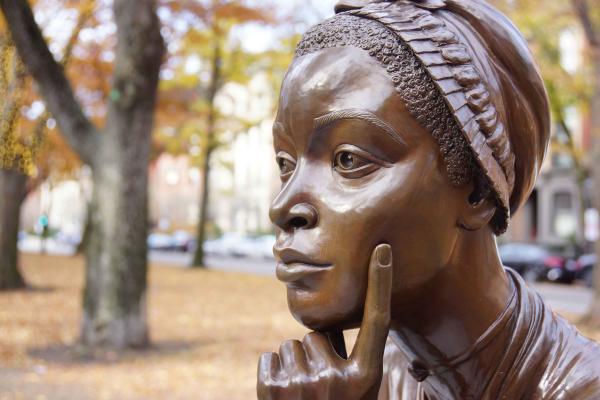
Phillis Wheatley, an enslaved woman from Massachusetts, became a celebrated poet, publishing a book in 1773, corresponding with prominent figures like George Washington, and demonstrating the literary talent of African Americans before dying in poverty at 31.