The Liberty Trail
- parking
- accessible_parking
- wheelchair_accessible
- restrooms
- wifi



- restrooms
- wheelchair_accessible
- parking
- accessible_parking
- wheelchair_accessible
- restrooms


- parking
- accessible_parking
- wheelchair_accessible
- restrooms
- parking
- accessible_parking
- wheelchair_accessible
- pet_friendly

- wifi
- parking
- restrooms
- wheelchair_accessible



- parking
- accessible_parking
- wheelchair_accessible
- pet_friendly


- parking
- accessible_parking
- wheelchair_accessible
- restrooms
- wifi
- parking
- restrooms
- pet_friendly

- parking
- accessible_parking
- wheelchair_accessible
- restrooms
- wifi
- parking
- accessible_parking
- wheelchair_accessible


- parking
- restrooms
- wheelchair_accessible




- parking
- accessible_parking
- restrooms
- pet_friendly

- parking
- accessible_parking
- wheelchair_accessible
- restrooms


- parking
- accessible_parking
- wheelchair_accessible
- restrooms
- wifi
- parking
- accessible_parking
- wheelchair_accessible
- restrooms
- wifi

- parking
- wheelchair_accessible
- restrooms
- pet_friendly




- parking
- restrooms
- wheelchair_accessible















- parking
- accessible_parking
- restrooms


This Day on the Liberty Trail

Uncovering History
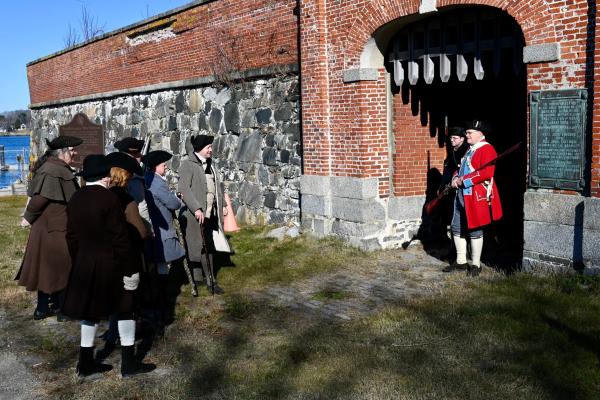
We invite you to visit the preserved locations along the Liberty Trail and to immerse
yourself in the extraordinary events that determined the fate of a nation.
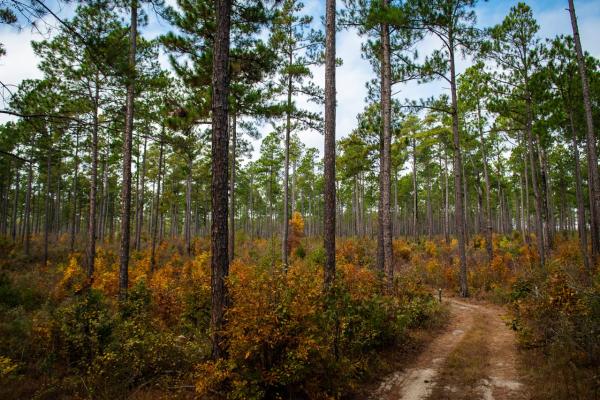
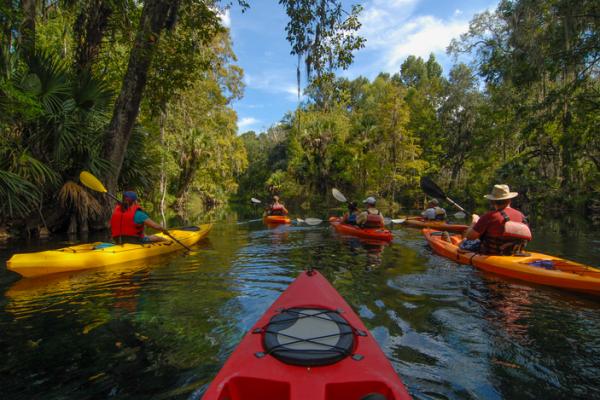
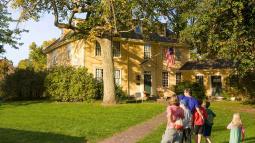
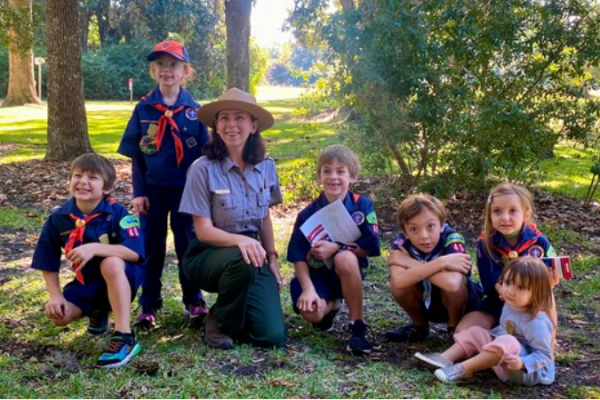
Family Friendly Adventures
Discover a part of our nation’s history at historic landmarks and events.


Liberty Trail History Makers
The Revolutionary War was a war unlike any other — one of ideas and ideals, that shaped “the course of human events. Explore the history and personalities from this pivotal time in American history.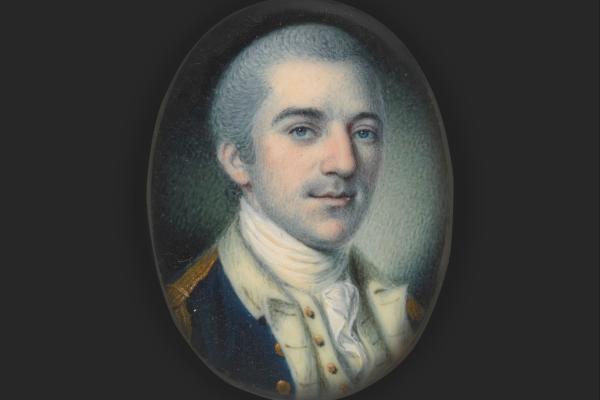
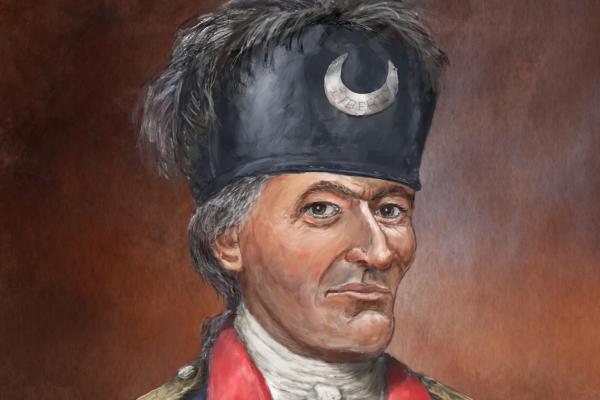
After the siege of Yorktown, Laurens returned to his home state of South Carolina where Nathanael Greene appointed Laurens to lead Lee’s Legion and his light troops. Along with this command, Laurens’s new responsibilities included the gathering and analysis of intelligence for Greene.
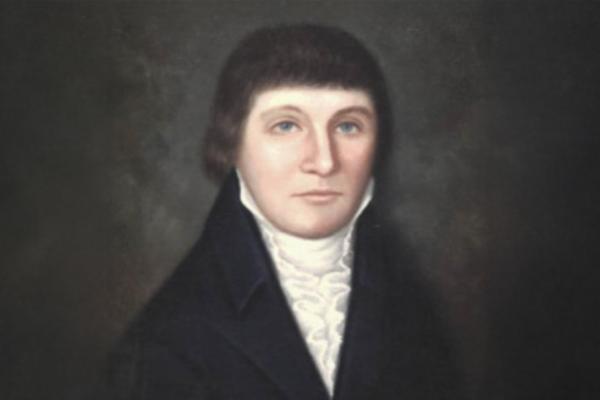
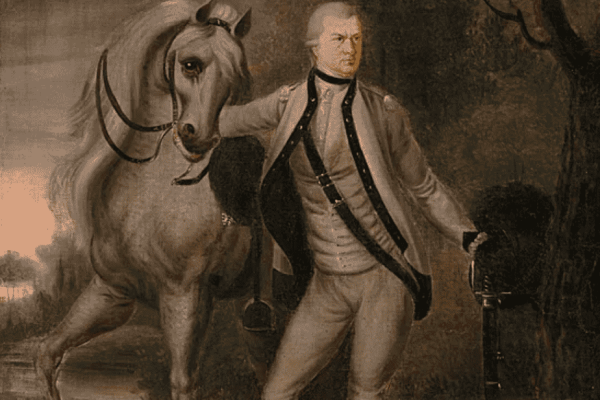
Once a lawyer and surveyor who fought for the royal governor at Alamance, Richard Caswell reinvented himself as a leading Patriot of the American Revolution. After commanding the decisive victory at Moore’s Creek Bridge, he rose to govern North Carolina and later served again despite suffering defeat with Gates’s army at Camden.
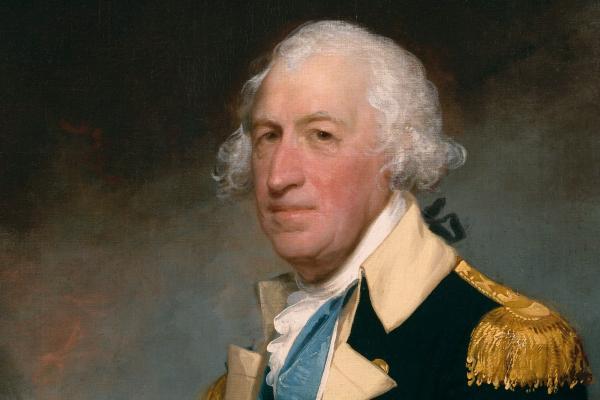
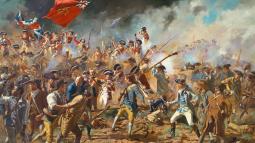
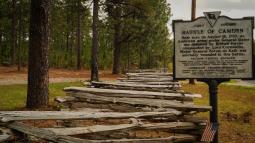
At the Battle of Camden, British General Lord Cornwallis routed Gates’s army and captured nearly 1,000 men, including their supplies, baggage, and artillery. There was no organized retreat, and Gates rode near 170 miles north in three days to flee. It destroyed his reputation and his new southern army.
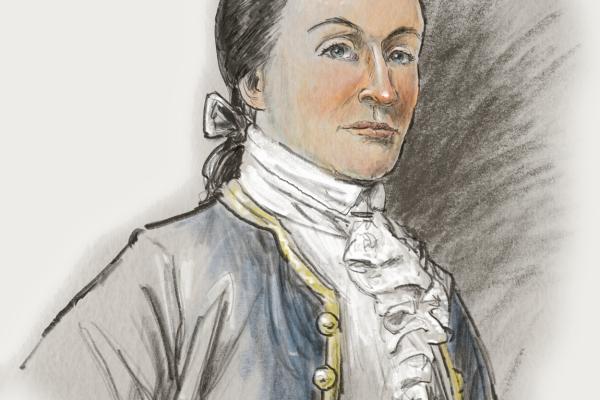
Though his Quaker faith precluded him from taking up arms, Lushington made the decision to join the Patriot cause and fight against the British during the American Revolution. Largely an outsider, joining the army may have been a means for Lushington to gain further acceptance within Charleston's social elite.