The Liberty Trail
- parking
- accessible_parking
- wheelchair_accessible
- restrooms
- wifi
- restrooms
- wheelchair_accessible
- parking
- accessible_parking
- wheelchair_accessible
- restrooms

- parking
- accessible_parking
- wheelchair_accessible
- restrooms
- parking
- accessible_parking
- wheelchair_accessible
- pet_friendly


- wifi
- parking
- restrooms
- wheelchair_accessible



- parking
- accessible_parking
- wheelchair_accessible
- pet_friendly

- parking
- accessible_parking
- wheelchair_accessible
- restrooms
- wifi
- parking
- restrooms
- pet_friendly

- parking
- accessible_parking
- wheelchair_accessible
- restrooms
- wifi

- parking
- accessible_parking
- wheelchair_accessible

- parking
- restrooms
- wheelchair_accessible



- parking
- accessible_parking
- restrooms
- pet_friendly
- parking
- accessible_parking
- wheelchair_accessible
- restrooms
- parking
- accessible_parking
- wheelchair_accessible
- restrooms
- wifi
- parking
- accessible_parking
- wheelchair_accessible
- restrooms
- wifi

- parking
- wheelchair_accessible
- restrooms
- pet_friendly

- parking
- restrooms
- wheelchair_accessible














- parking
- accessible_parking
- restrooms

This Day on the Liberty Trail

Uncovering History
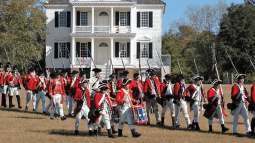
We invite you to visit the preserved locations along the Liberty Trail and to immerse
yourself in the extraordinary events that determined the fate of a nation.
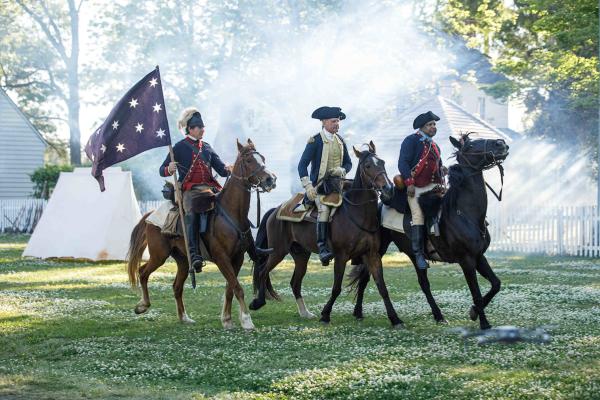

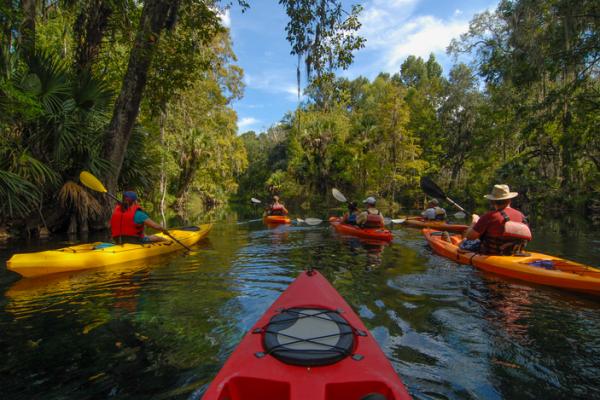
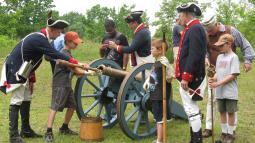
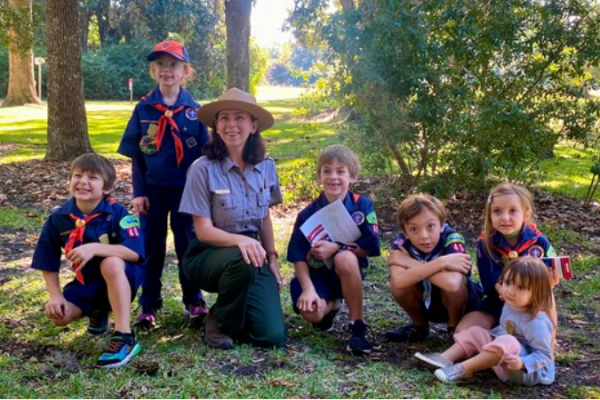
Family Friendly Adventures
Discover a part of our nation’s history at historic landmarks and events.

Liberty Trail History Makers
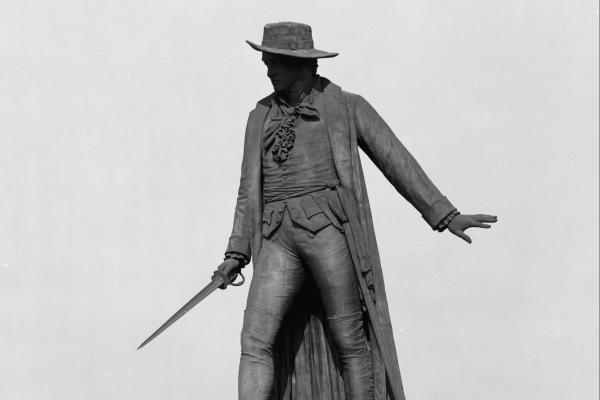
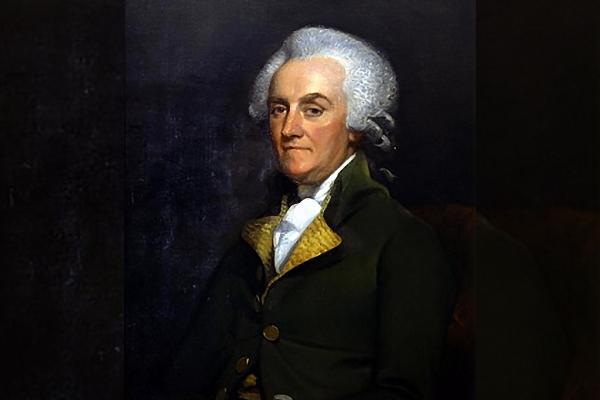
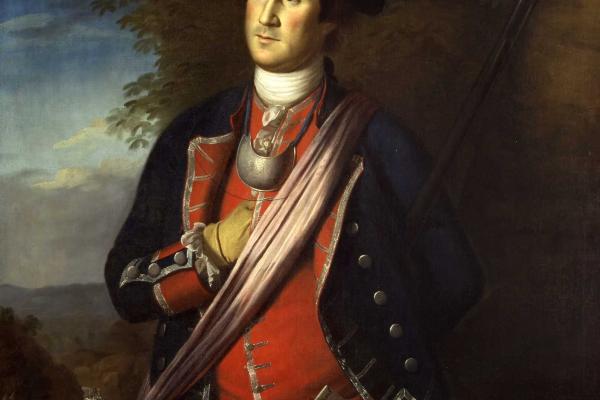
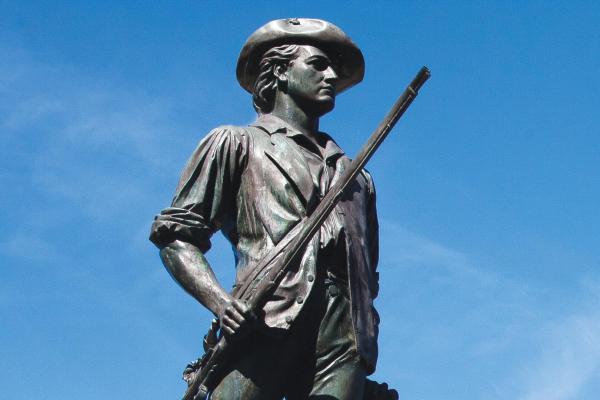
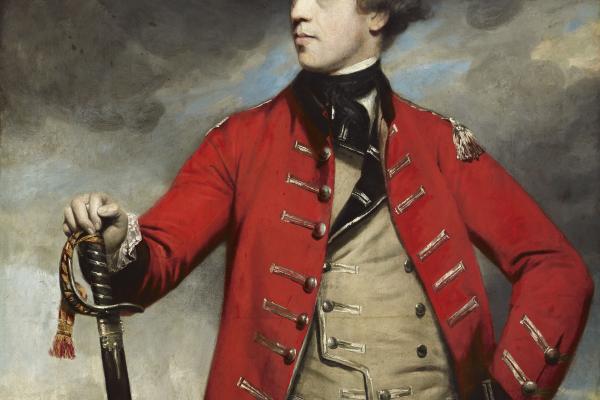
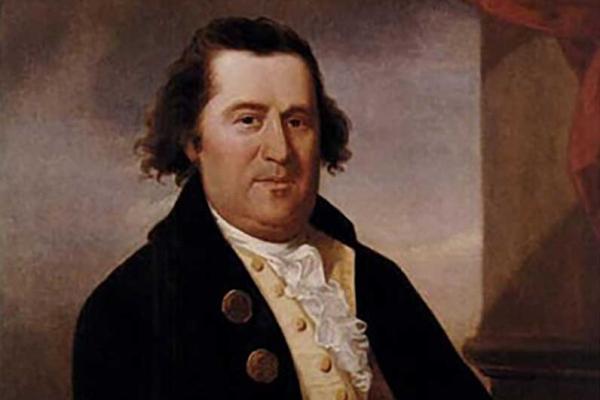
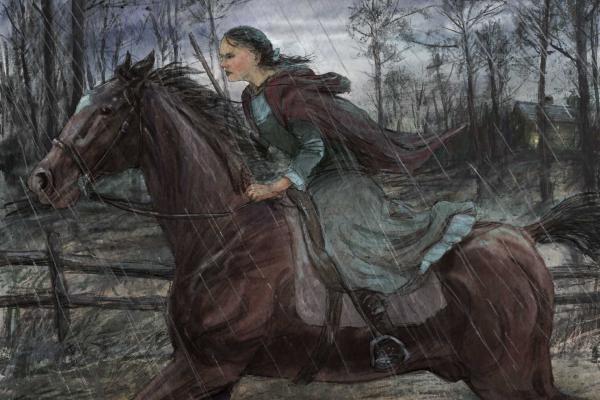
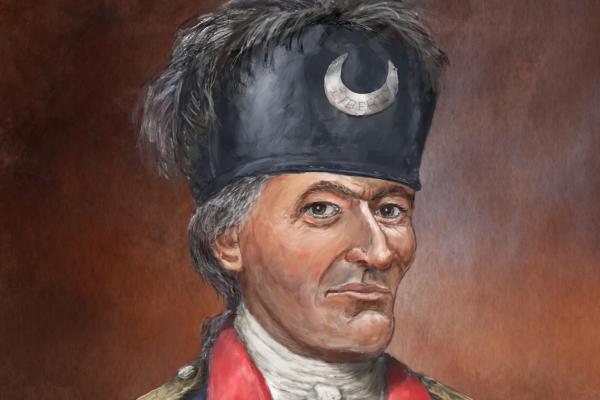
The Revolutionary War was a war unlike any other — one of ideas and ideals, that shaped “the course of human events. Explore the history and personalities from this pivotal time in American history.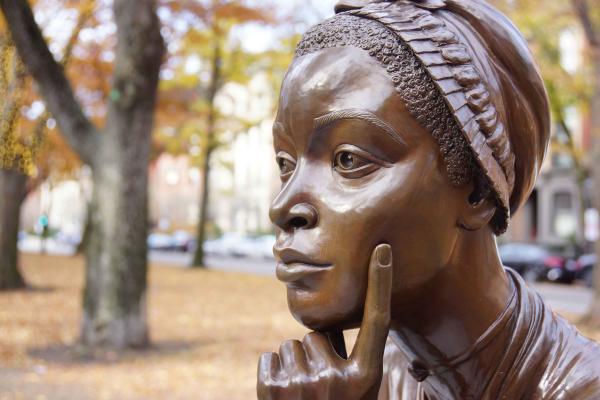
Phillis Wheatley, an enslaved woman from Massachusetts, became a celebrated poet, publishing a book in 1773, corresponding with prominent figures like George Washington, and demonstrating the literary talent of African Americans before dying in poverty at 31.
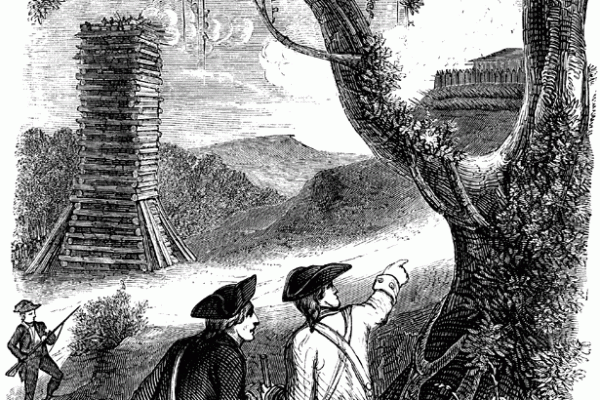
Hezekiah Maham, a South Carolina planter and military officer, gained fame during the American Revolution for his innovative siege tactics and leadership of "Maham's Legion." Post-war, he served in politics but became controversial for refusing to pay debts and aggressively confronting a deputy.
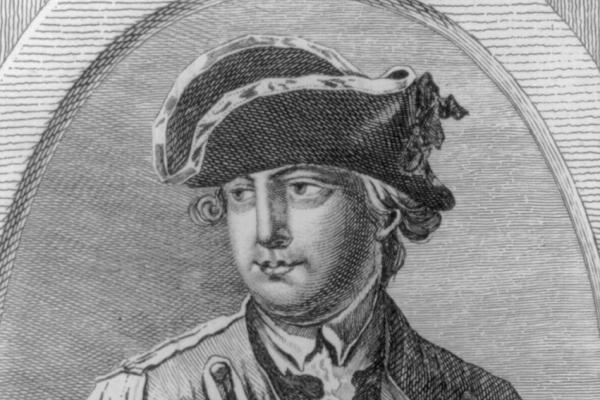
Charles Lee (February 6, 1732 - October 2, 1782) was a Major General in the American Revolutionary War. He was second-in-command to General George Washington, though he was known for his efforts to undermine General Washington. In 1780, Lee formally resigned from the Continental Army and retired to Philadelphia.
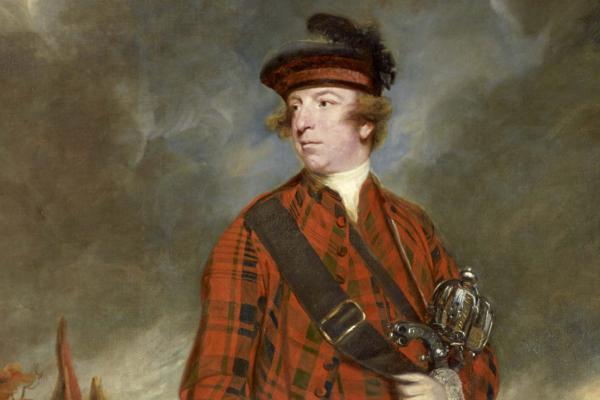
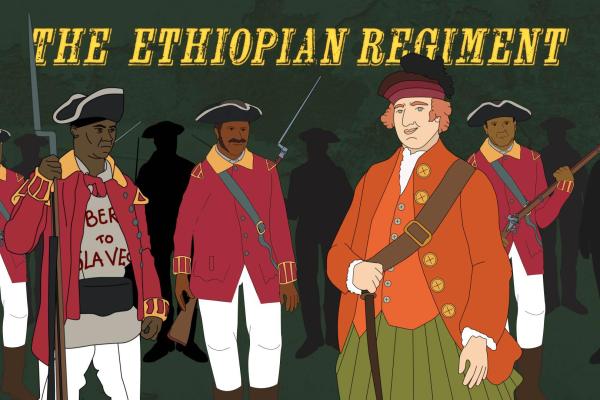
Known for Lord Dunmore's Proclamation, which promised freedom to any enslaved man who fought for Britain during the Revolution, Lord Dunmore served as governor of both New York and Virginia and as a staunch defender of the Crown.