Trail Sites
Liberty Trail Historic Sites
Discover the myriad of sites across The Liberty Trail where significant cultural and Revolutionary history unfolded. From military ruins to meticulously restored mansions, immerse yourself in the footsteps of our nation’s history-makers.

States of Interest:
New York
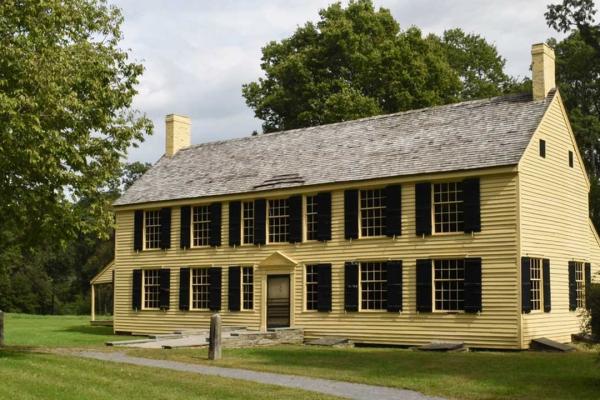
National Park | Historic House
Schuylerville, NY

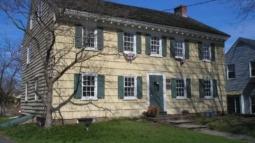
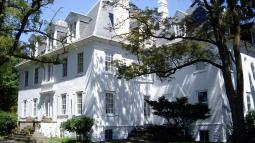
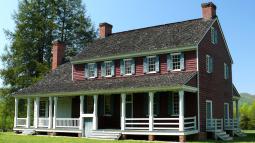
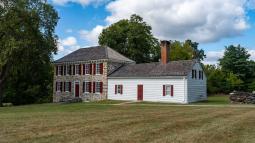
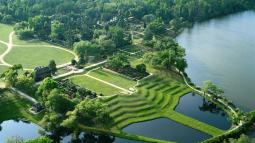
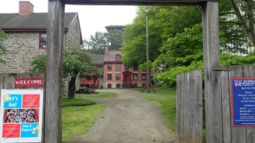
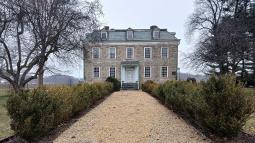
This property is located in the "Old Saratoga" unit of Saratoga National Historical Park.

New York
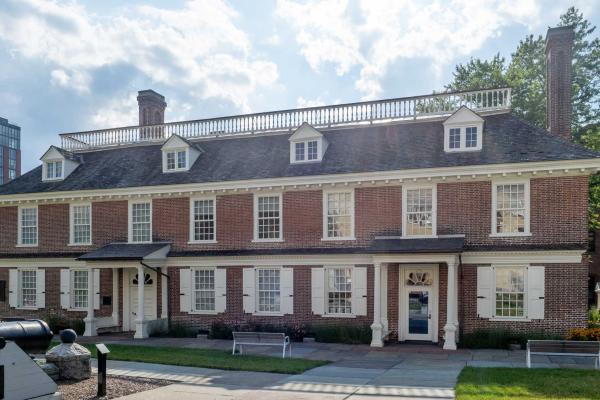
State/County Park | Historic House
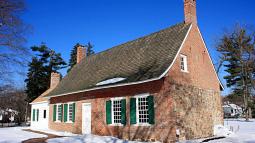
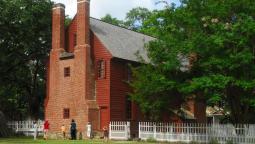
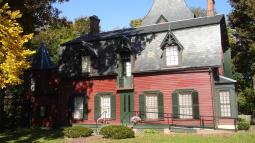
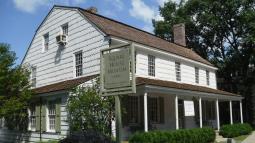
Yonkers, NY

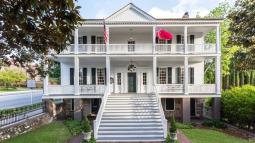
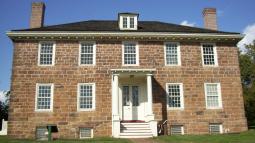
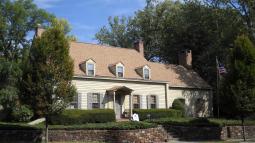
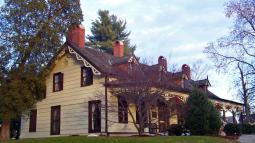
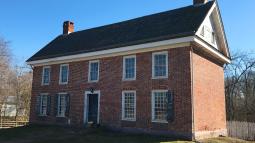
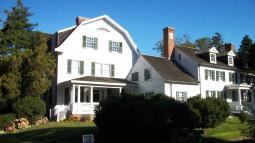
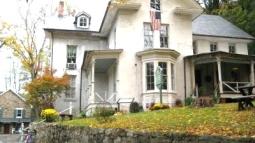
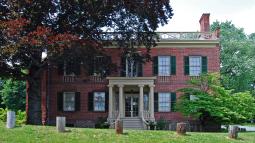
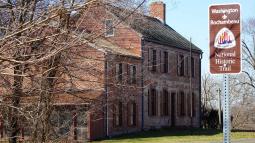
Historic home of the Philipse family, staunch Loyalists during the Revolutionary War.

New Jersey
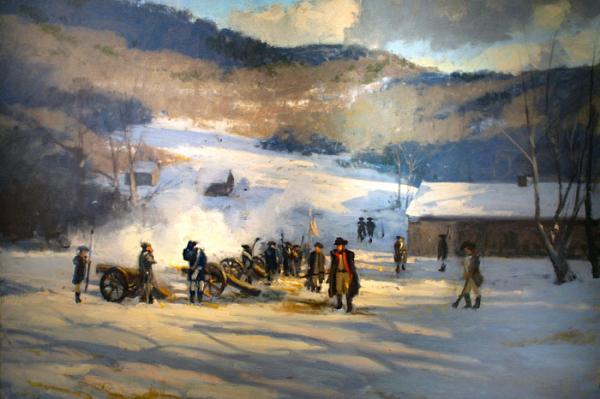
Historic Site | Fort/Outpost
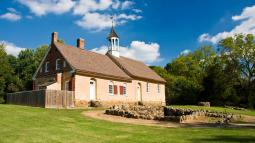
Bedminister, NJ

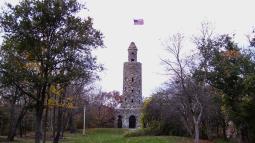
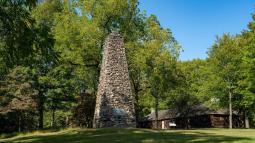
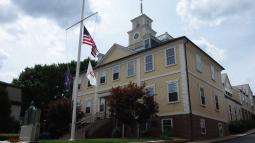
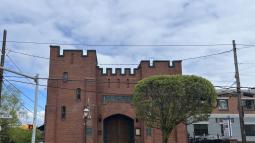
Nestled in the sloping mountains of New Jersey, the birthplace of American military academies can be found. Initially a part of a winter encampment...

Rhode Island
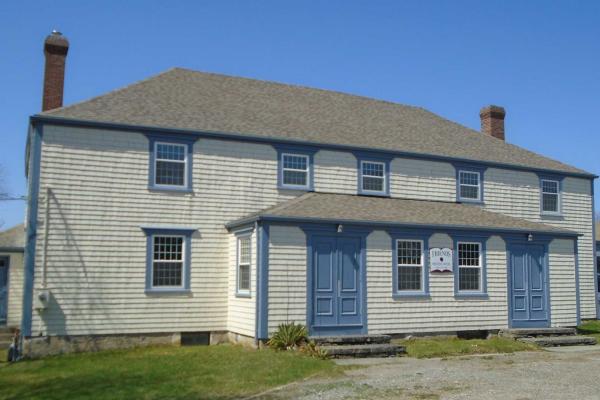
Historic Site
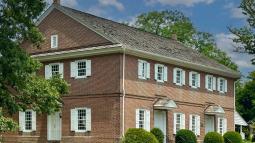
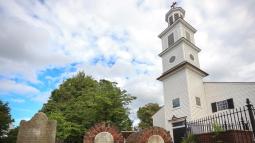
Portsmouth, RI

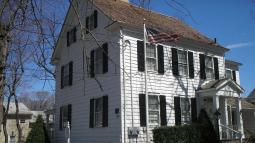
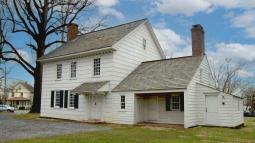
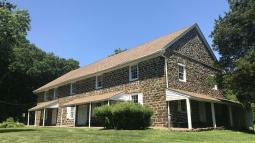
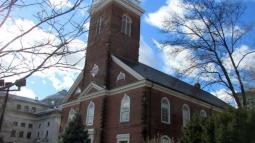
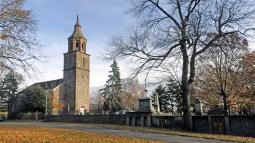
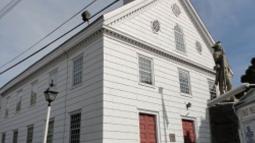
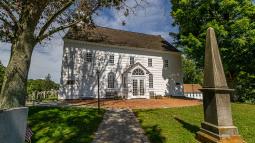
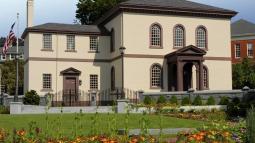
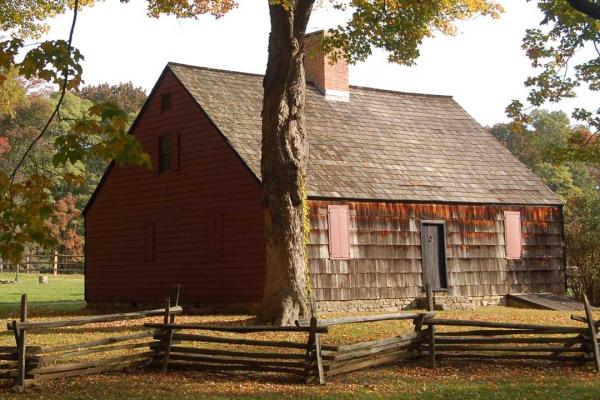
Constructed at the turn of the 18th century, the Portsmouth Friends Meeting House thus witnessed several events, including the British occupation of...

New Jersey
Historic Site
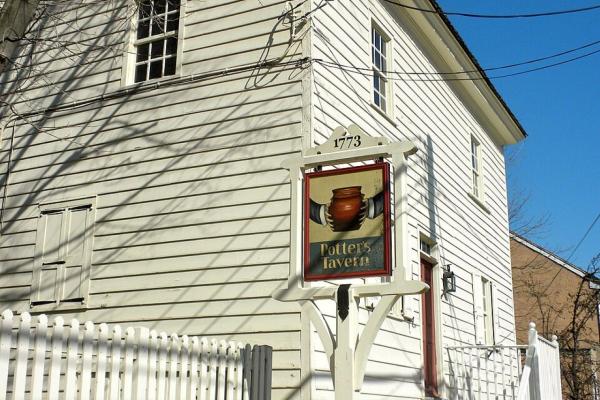
Bridgeton, NJ
Rhode Island
Historic Site
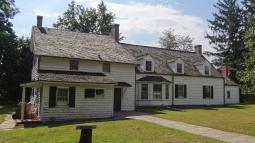
Middletown, RI

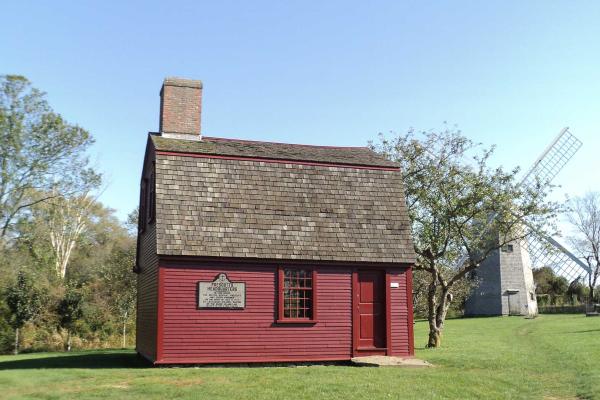
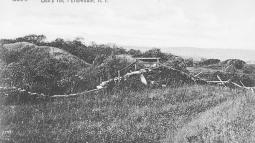
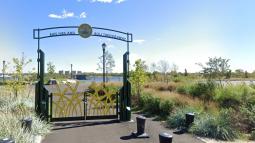
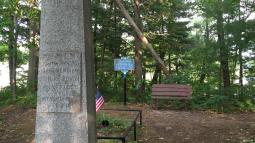
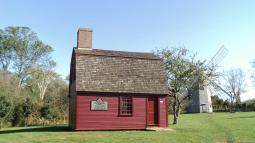
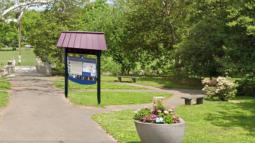
Site of a daring and successful attempt to capture a British general in 1777.

New Jersey
Historic Site
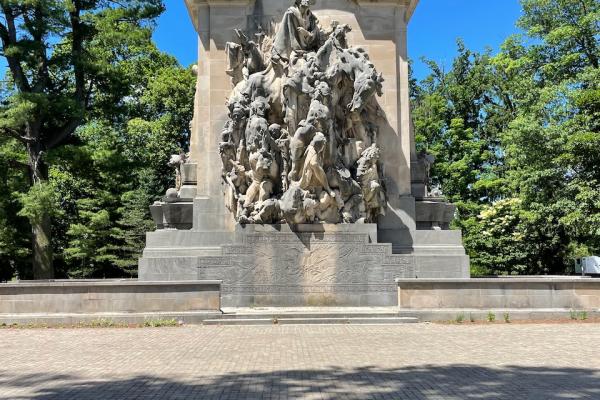
Princeton, NJ
New York
Historic Site | Historic House
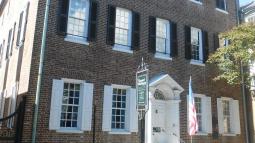
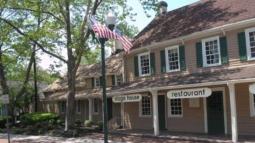
Oyster Bay, NY

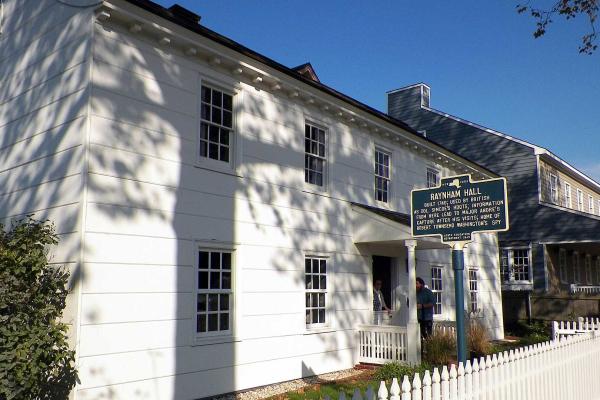
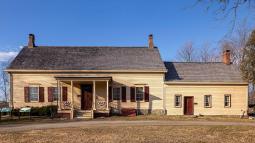
Raynham Hall was the home of the Townsend family, one of the founding families of Oyster Bay, on Long Island, New York, and a member of George...

New Jersey
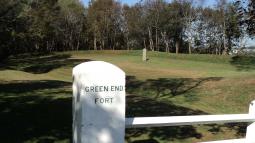
State/County Park | Fort/Outpost
National Park, NJ

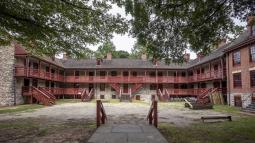
Also known as the Battle of Fort Mercer, Hessian forces under Colonel Von Donop unsuccessfully stormed this fort on the 22 of October, 1777. Halted by...

Filter By:
States of Interest

Liberty Trail History Makers

The Revolutionary War was a war unlike any other — one of ideas and ideals, that shaped “the course of human events. Explore the history and personalities from this pivotal time in American history.
Biography

Drury Harris, a free Black man, served as a private in the 3rd South Carolina Regiment during the American Revolution, fighting in key battles like Savannah, Charleston, and Cowpens, where he was wounded; after the war, he settled in South Carolina, married, and was later granted a pension, living until 1834.

Biography

Tony Small, a formerly enslaved man, saved British soldier Lord Edward FitzGerald after the Battle of Eutaw Springs in 1781. Grateful, FitzGerald freed Small, who became his assistant and followed him to Ireland. They remained close until FitzGerald's death in 1798, after which Small settled near London.

Biography

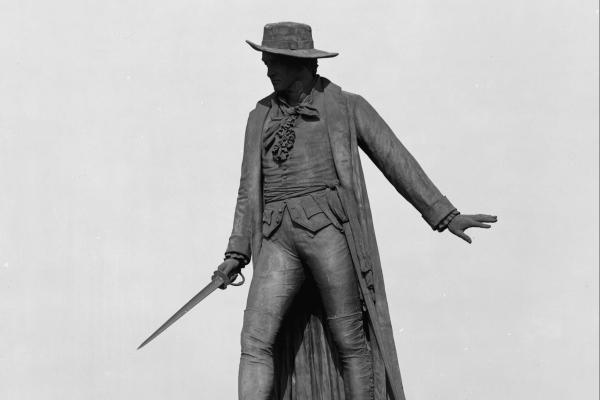
William Prescott led colonial forces at the Battle of Bunker Hill, where his strategic defense and command helped inflict heavy British casualties, despite ultimately being forced to retreat.

Biography

Caesar was kidnapped from Africa as a child and sold into slavery, yet decades later he joined the Marblehead Regiment and fought for the American cause at key moments of the Revolution, including the evacuation of Long Island and Washington’s crossing of the Delaware.

We invite you to visit the preserved locations along the Liberty Trail and to immerse yourself in the extraordinary events that determined the fate of a nation.
National Park | Historic Site
Morristown, NJ

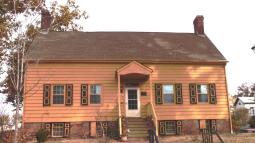
Jockey Hollow, the site of General Washington’s winter encampment in 1779-1780, played a key role in forging the Continental Army's strength and unity. The nearby Wick House, once home to Major General Arthur St. Clair, now stands as a historic landmark, offering a glimpse into the hardships and strategies of that fateful winter.

Historic Site | Historic House
Lorton, VA

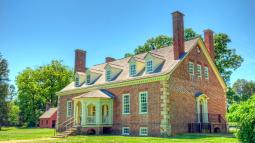
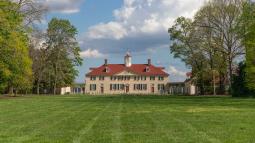
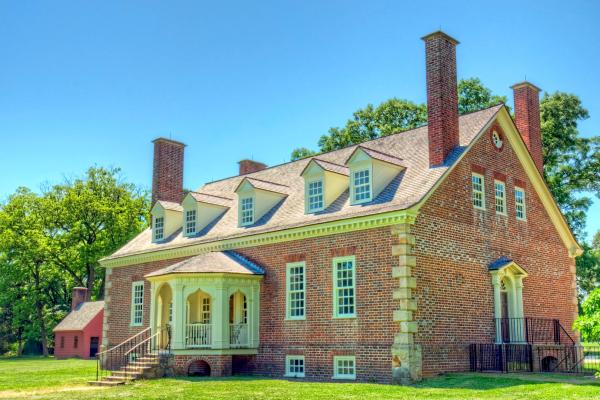
The home to Founding Father George Mason, this mansion is slightly atypical of Georgian architecture due to its unique interior design that blends styles from across Europe and Asia.

Historic Site | Gardens & Grounds
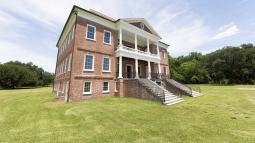
Mt Pleasant, SC

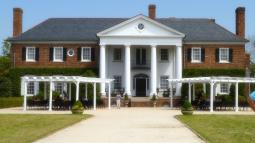
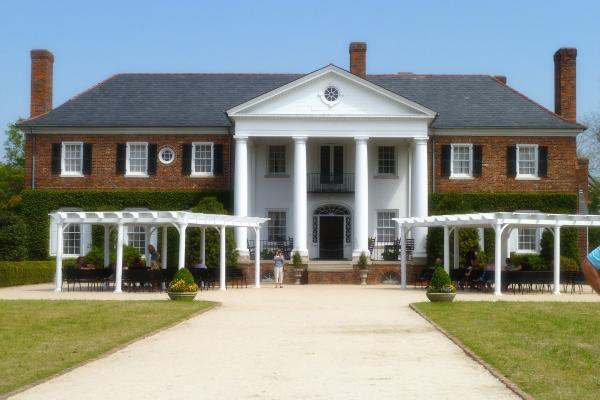
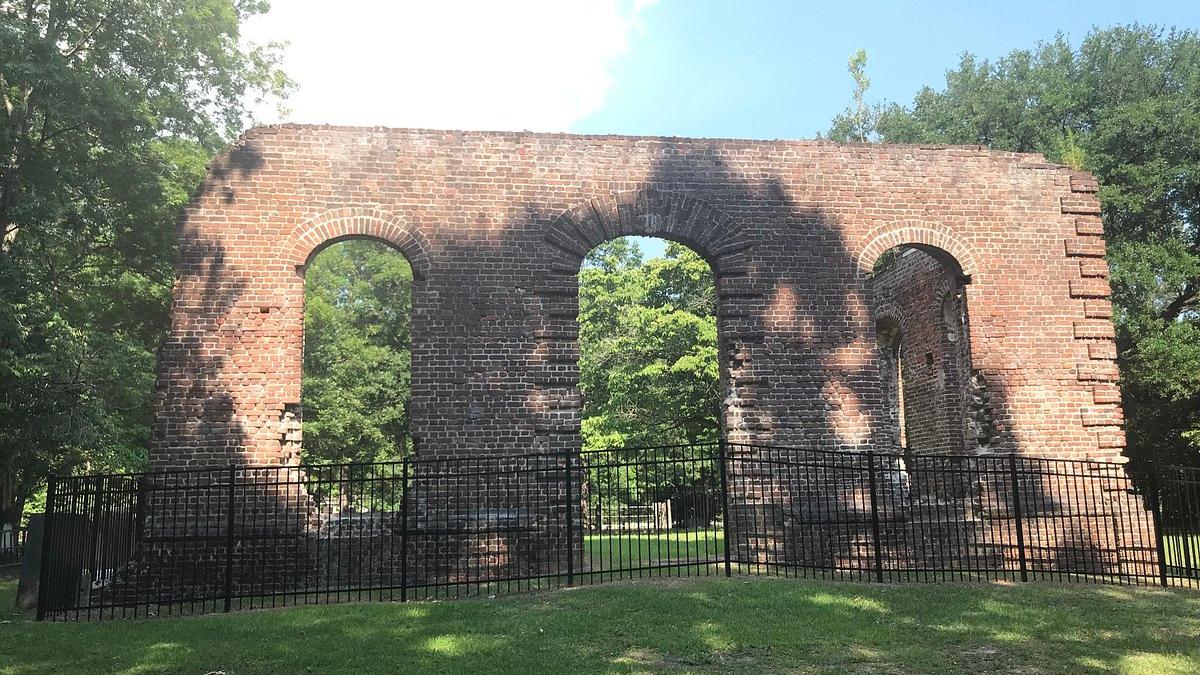
Boone Hall was influential in the history of South Carolina. Explore the house and grounds of this Colonial Plantation, as well as a live presentation of the Gullah Culture adapted by African slaves.

Historic Site |
Providence, RI

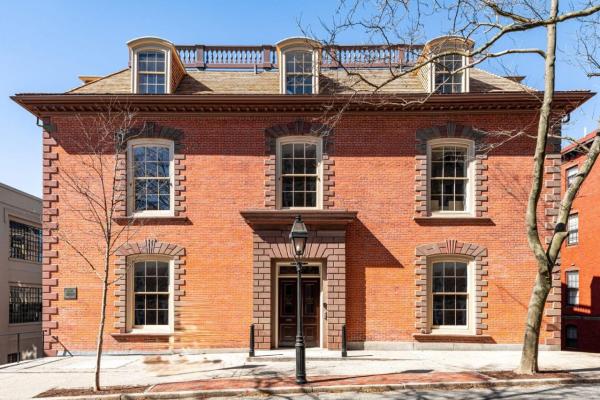
One of the six remaining original, Colonial-Era state houses and the site of Rhode Island's renouncement of the British Crown.

Battlefield | Fort/Outpost
Ticonderoga, NY

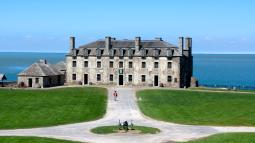
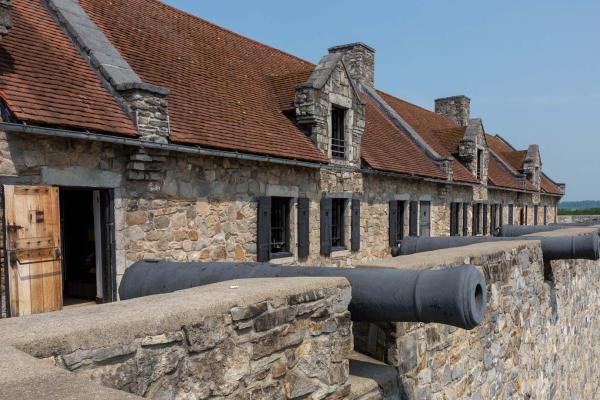
A formidable fortress on the banks of the Hudson and Lake Champlain, this stone bastion was the source of Henry Knox's artillery in the opening years of the Revolution. Today, it's a hallmark of living history with interpreters being found at every corner.

Historic Site |
Providence, RI

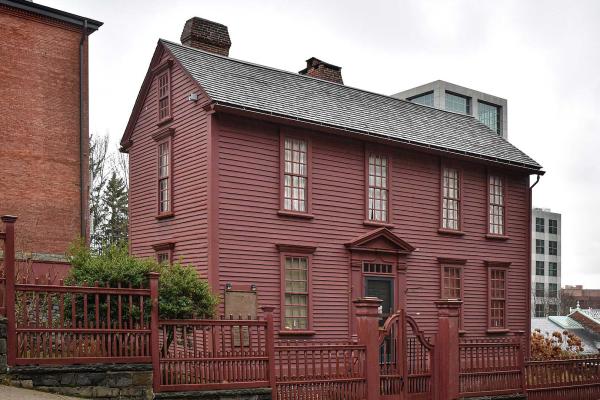
Former home to Declaration of Independence signer Stephen Hopkins

Battlefield | National Park
Greensboro, NC

One of the final battles of the Southern Campaign, the Battle of Guilford Courthouse cemented the British path to final defeat at the Battle of Yorktown.

Historic Site
Charleston, SC

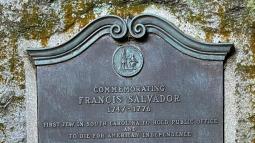
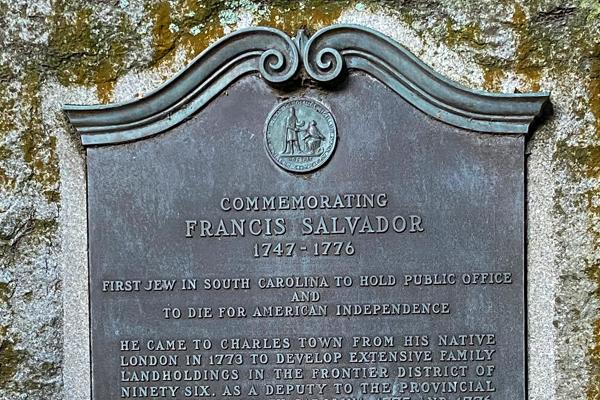
Francis Salvador, the first Jewish person to die in the Revolutionary War, was a London-born pioneer who moved to South Carolina in 1773. A vocal supporter of independence, he became the first Jewish person to hold political office in the state. Known as the "Southern Paul Revere," Salvador warned of attacks during the war but tragically died in an ambush in 1776 at just 29 years old, leaving behind a legacy of courage and commitment to freedom.

Historic Site |
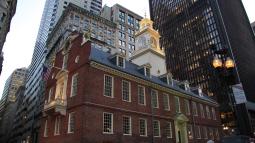
Boston, MA

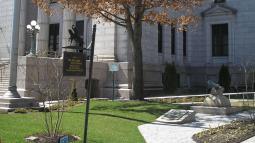
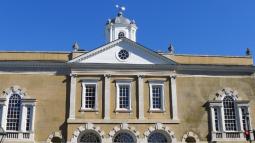
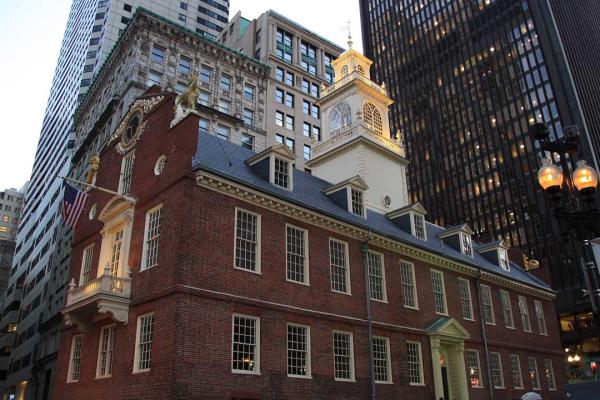
One of the oldest public buildings in the United States, the Old State House was the seat of government in Massachusetts leading up to the Revolution and after the consolidation of the States. Infamously, the Boston Massacre happened just beyond its steps.

Historic Site |
Lexington, MA

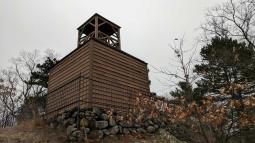
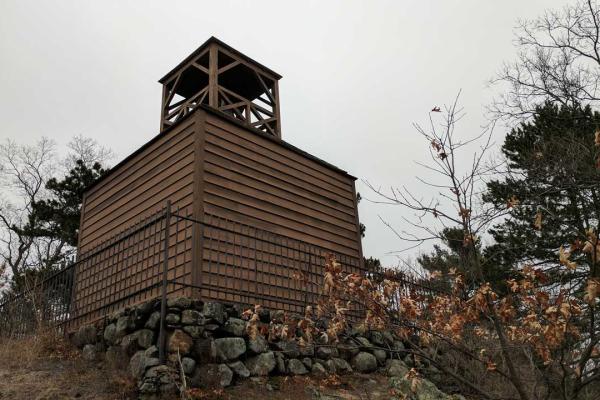
The sound of liberty rang from this bell in the early morning of April 19, 1775, to call forth the Lexington militia. Today, a reconstructed belfry stands as a reminder of the militia's bravery and determination at the Battle of Lexington and Concord.

Historic Site |
Middletown, RI

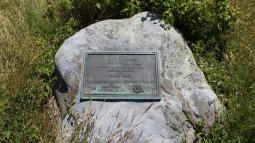
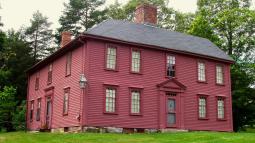
Site of a daring and successful attempt to capture a British general in 1777.

Battlefield | State/County Park
Stony Point, NY

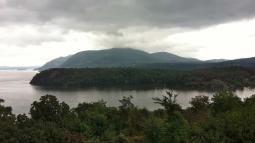
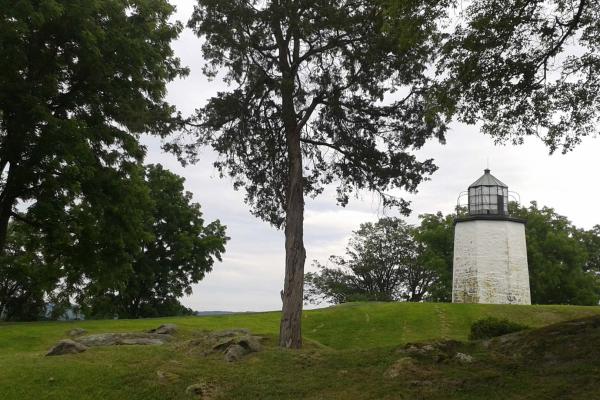
Now a state park in New York, Stony Point once served as British defensive position along the Hudson River during the New York campaign. Thanks to cunning actions of "Mad" Anthony Wayne, British forces were swiftly pushed from their defenses.