Trail Sites
Liberty Trail Historic Sites
Discover the myriad of sites across The Liberty Trail where significant cultural and Revolutionary history unfolded. From military ruins to meticulously restored mansions, immerse yourself in the footsteps of our nation’s history-makers.

States of Interest:

There are no results matching your search. Please try again.

Filter By:
States of Interest

Liberty Trail History Makers

The Revolutionary War was a war unlike any other — one of ideas and ideals, that shaped “the course of human events. Explore the history and personalities from this pivotal time in American history.
Biography

The commander-in-chief of British forces in North America, Howe is now known for his failure to quell the revolution in the colonies during its early years and return loyalty to the British crown.

Biography

A career soldier loyal to the Crown, Donald MacDonald fought at Culloden before crossing the Atlantic to rally Scottish Highlanders for Britain during the American Revolution. His effort was cut short when he was captured after the Battle of Moore’s Creek Bridge and held by Patriot forces for more than a year.

Biography

Drury Harris, a free Black man, served as a private in the 3rd South Carolina Regiment during the American Revolution, fighting in key battles like Savannah, Charleston, and Cowpens, where he was wounded; after the war, he settled in South Carolina, married, and was later granted a pension, living until 1834.

Biography

A former slave who fought heroically at Bunker Hill, Poor served throughout the Revolutionary War and earned recognition for his bravery.

We invite you to visit the preserved locations along the Liberty Trail and to immerse yourself in the extraordinary events that determined the fate of a nation.
National Park | Battlefield
Yorktown, VA

Yorktown was George Washington's decisive victory over General Lord Charles Cornwallis. Learn about the last major land battle of the American Revolutionary War.

Battlefield |
Virgnia Beach, VA

The Battle of the Capes occurred around the mouth of Chesapeake Bay in 1781. The naval battle occurred between the French and the British navies. Even though the battle lasted two hours, it played a significant role in the Siege of Yorktown's success, ultimately leading to the United States' independence.

Battlefield | Historic Site
Charleston, SC

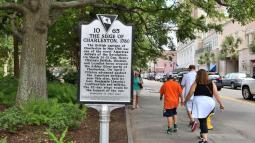
As part of their Southern Campaign, the British set their sights on taking the vital port of Charleston.

Battlefield
Trenton, NJ

Renowned for Gen. George Washington's daring crossing of the Delaware River on a frigid Christmas night, Trenton marked the start of the Ten Crucial Days—a series of bold victories that reignited hope in the Revolutionary cause.

Historic Site |
Norfolk, VA

The Hampton Roads Naval Museum is one of ten U.S. Navy-run museums in the country. It highlights Virginia's naval history from the American Revolution to the present.

Battlefield | State/County Park
Trenton, NJ

Also known as the Battle of Assunpink Creek, Washington thwarted Cornwallis yet again, just south of the town of Trenton where they had fought only days prior.

Battlefield | National Park
Ninety Six, SC

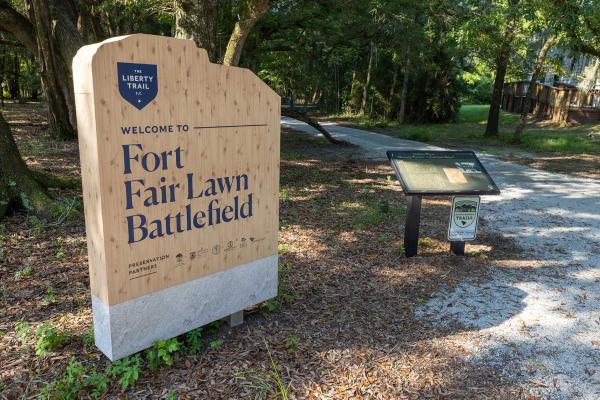
The site of the 1775 Battle of Williamson's Fort and a critical outpost for the British after they captured Charleston in 1780, the colonial town of Ninety Six was also the setting of a 28-day siege in 1781. Here, Nathanael Greene’s Patriots attacked the heart of Loyalist commander John Cruger’s defenses — the Star Fort.

State/County Park | Historic Site
Hewitt, NJ

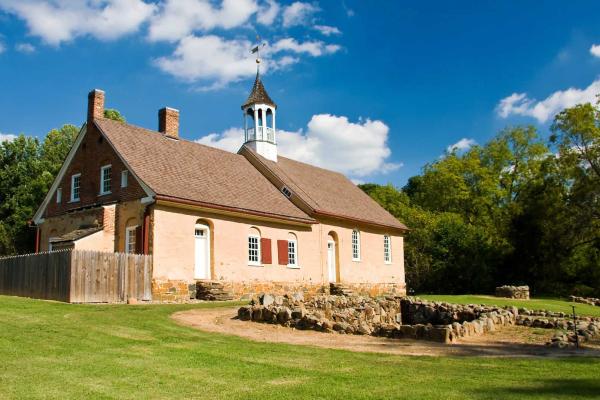
Owned and operated by German immigrants, this site once housed one of the largest ironworks in the colonies that supplied the Continental Army. Started in 1766, it was in operation for over a century.

Historic Site | Battlefield
Spartanburg, SC

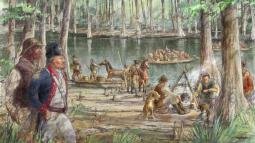
When Jane Black Thomas overheard Loyalists plotting a surprise attack on her son's militia camp, she rode nearly 60 miles through dangerous territory to warn him. Her daring ride gave Colonel John Thomas Jr. and his Spartan Regiment time to prepare an ambush that repelled the attackers — fueling Patriot momentum toward the war-changing Battle of King's Mountain just three months later.

Battlefield | Historic Site
Moncks Corner, SC

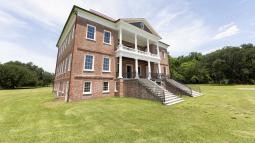
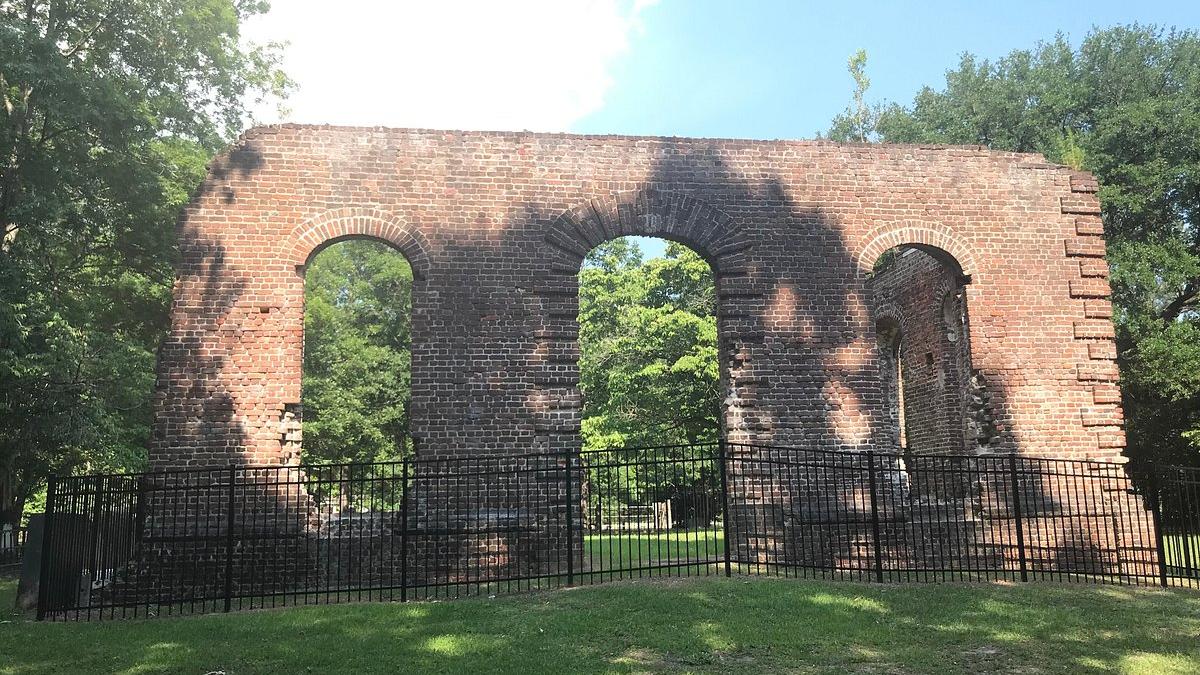
During the British occupation of Charleston in 1781, these grounds were part of a British outpost to supply ammunition and provisions to patrolling British troops.

State/County Park | Historic House
Johnstown, NY

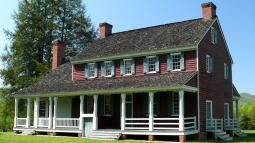
The Johnson Hall State Historic Site was the home of Sir William Johnson, the British Superintendent of Indian Affairs in the Province of New York and a Major General who fought in King George’s War and the French and Indian War.

Historic Site | Fort/Outpost
St. Johnsville, NY

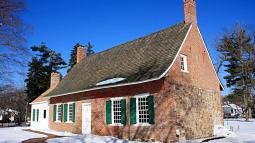
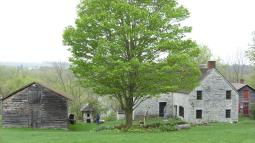
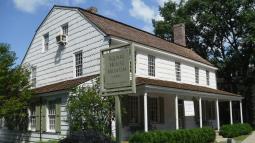
Built in 1750, Fort Klock is one of the Mohawk Valley's best-preserved fortified homes, serving as a refuge for local families during both the French and Indian War and the American Revolution.