There are no results matching your search. Please try again.
- parking
- accessible_parking
- wheelchair_accessible
- restrooms
- wifi
- restrooms
- wheelchair_accessible
- parking
- accessible_parking
- wheelchair_accessible
- restrooms
- parking
- accessible_parking
- wheelchair_accessible
- restrooms
- parking
- accessible_parking
- wheelchair_accessible
- pet_friendly
- parking
- accessible_parking
- wheelchair_accessible
- pet_friendly
- parking
- accessible_parking
- wheelchair_accessible
- restrooms
- wifi
- parking
- accessible_parking
- wheelchair_accessible
- restrooms
- wifi
- parking
- accessible_parking
- wheelchair_accessible
- parking
- accessible_parking
- restrooms
- pet_friendly
- parking
- accessible_parking
- wheelchair_accessible
- restrooms
- parking
- accessible_parking
- wheelchair_accessible
- restrooms
- wifi
- parking
- accessible_parking
- wheelchair_accessible
- restrooms
- wifi
- parking
- restrooms
- wheelchair_accessible
Liberty Trail History Makers
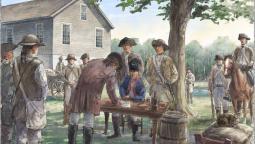
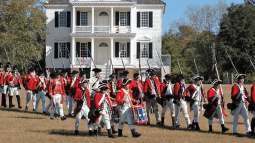
The Revolutionary War was a war unlike any other — one of ideas and ideals, that shaped “the course of human events. Explore the history and personalities from this pivotal time in American history.In 1779, after a stalemate in the north, Cornwallis went south as second in command to Sir Henry Clinton. Clinton captured Charleston in May 1780. Cornwallis pressed on to defeat General Horatio Gates at Camden, South Carolina, on August 16, 1780.
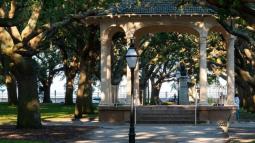
Charles Pinckney was born in Charleston, South Carolina on October 26, 1757. His father bore the same name and was a wealthy lawyer and planter.
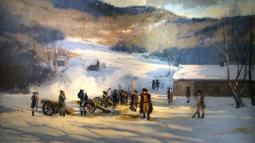
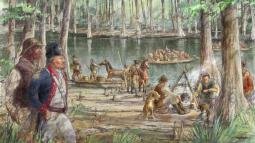
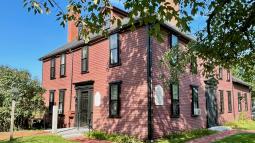
John Glover, a skilled fisherman and merchant from Marblehead, Massachusetts, played a crucial role in the American Revolution as the commander of the 14th Continental Regiment, known for their amphibious expertise, notably evacuating Washington's army at Long Island and famously crossing the Delaware River to Trenton.
Colonel Samuel Griffin, a Virginia lawyer and officer in the Continental Army, played a key role in the 1776 campaign, leading militia units in New Jersey and engaging the Hessians near Mount Holly. Stricken by illness during critical battles, he later served as mayor of Williamsburg and a U.S. congressman after the war.