The Liberty Trail
- parking
- accessible_parking
- wheelchair_accessible
- restrooms
- wifi



- restrooms
- wheelchair_accessible
- parking
- accessible_parking
- wheelchair_accessible
- restrooms


- parking
- accessible_parking
- wheelchair_accessible
- restrooms
- parking
- accessible_parking
- wheelchair_accessible
- pet_friendly


- wifi
- parking
- restrooms
- wheelchair_accessible

- parking
- accessible_parking
- wheelchair_accessible
- pet_friendly


- parking
- accessible_parking
- wheelchair_accessible
- restrooms
- wifi

- parking
- restrooms
- pet_friendly

- parking
- accessible_parking
- wheelchair_accessible
- restrooms
- wifi


- parking
- accessible_parking
- wheelchair_accessible


- parking
- restrooms
- wheelchair_accessible




- parking
- accessible_parking
- restrooms
- pet_friendly
- parking
- accessible_parking
- wheelchair_accessible
- restrooms

- parking
- accessible_parking
- wheelchair_accessible
- restrooms
- wifi
- parking
- accessible_parking
- wheelchair_accessible
- restrooms
- wifi
- parking
- wheelchair_accessible
- restrooms
- pet_friendly



- parking
- restrooms
- wheelchair_accessible































- parking
- accessible_parking
- restrooms
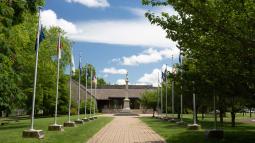

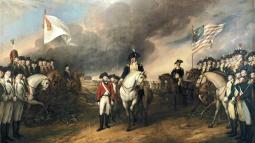
Explore the many guided tours of The Liberty Trail
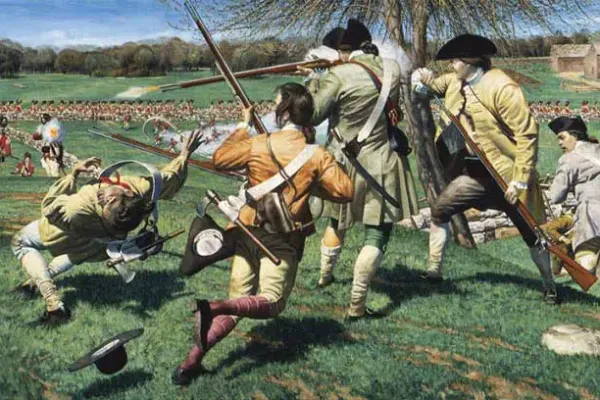
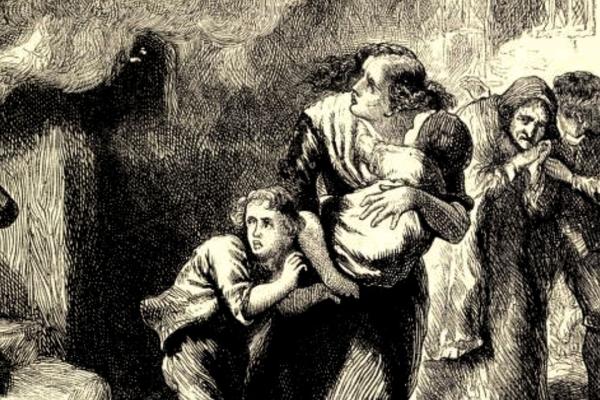
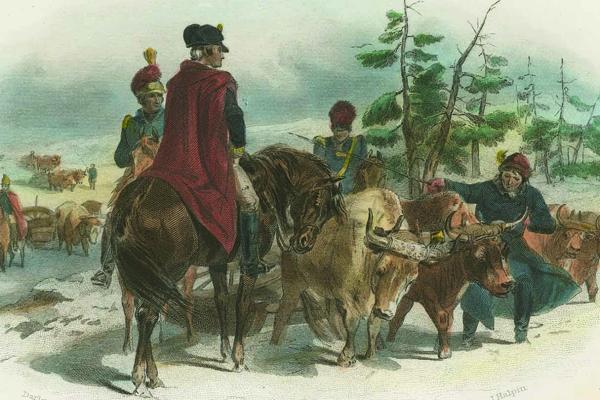
This Day on the Liberty Trail
Uncovering History
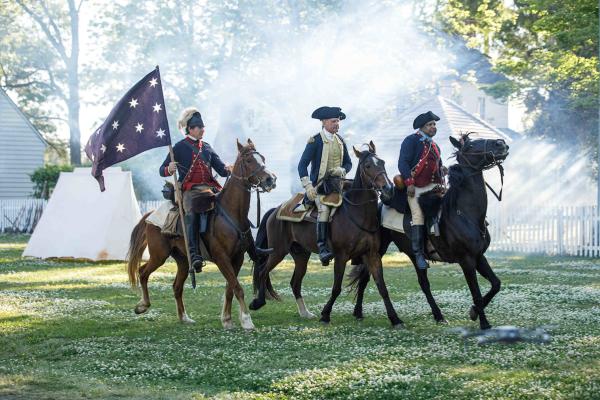
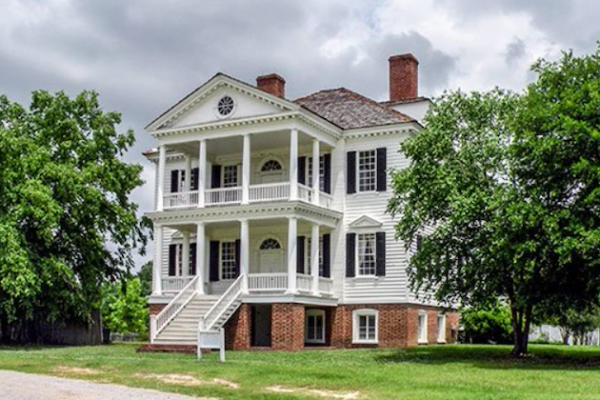
We invite you to visit the preserved locations along the Liberty Trail and to immerse
yourself in the extraordinary events that determined the fate of a nation.


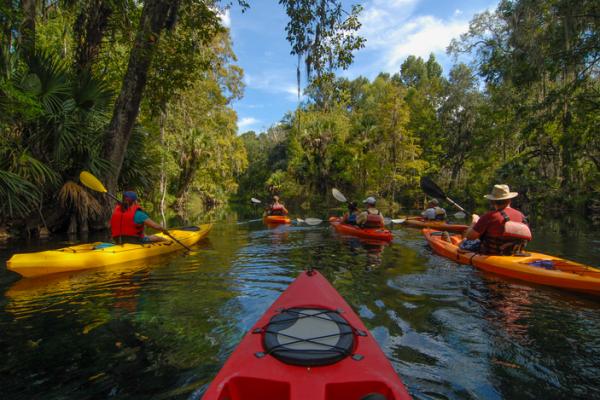
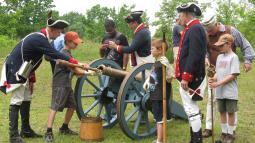
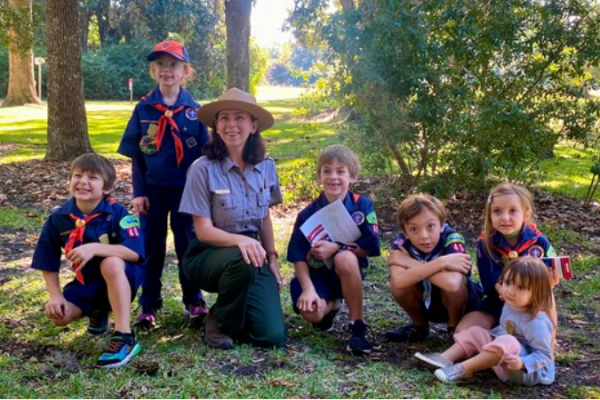
Family Friendly Adventures
Discover a part of our nation’s history at historic landmarks and events.


Liberty Trail History Makers
The Revolutionary War was a war unlike any other — one of ideas and ideals, that shaped “the course of human events. Explore the history and personalities from this pivotal time in American history.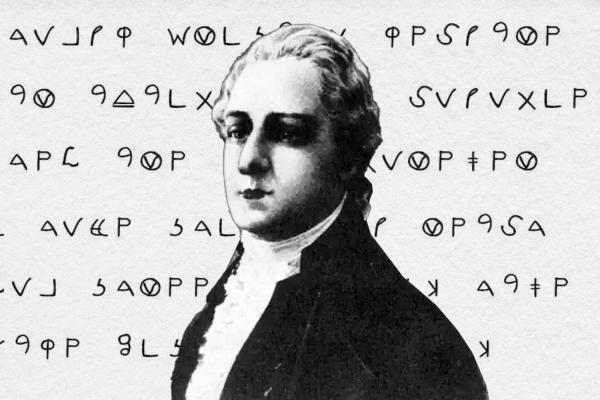
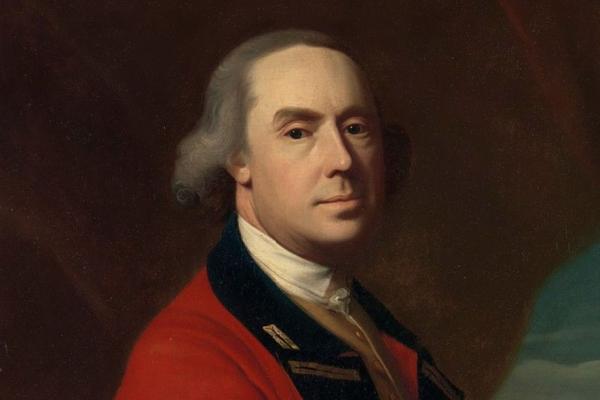
Dr. Benjamin Church, the first Surgeon General of the Continental Army, was a secret British spy whose treason was exposed in 1775, leading to his exile and mysterious disappearance at sea.
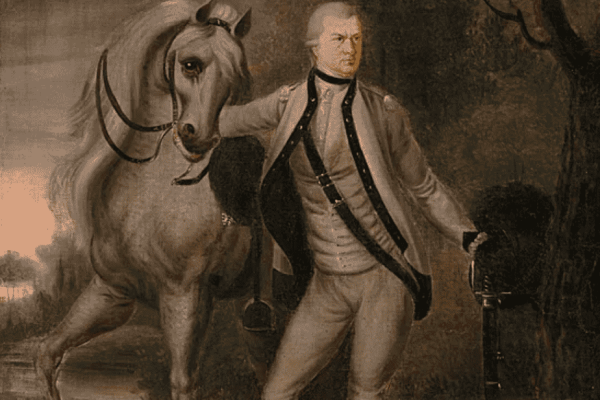
A Huguenot hailing from South Carolina, Horry was one of Marion's most trusted confidants during his campaigns against the British
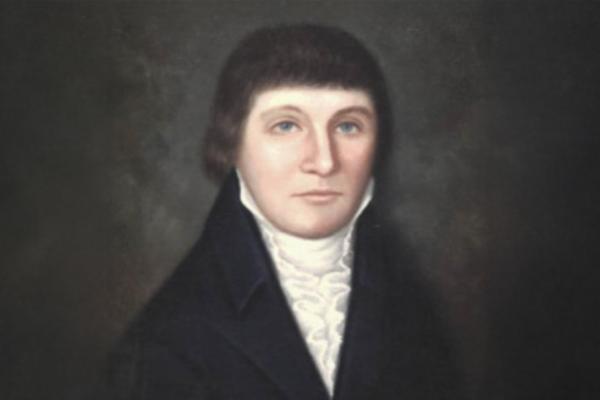
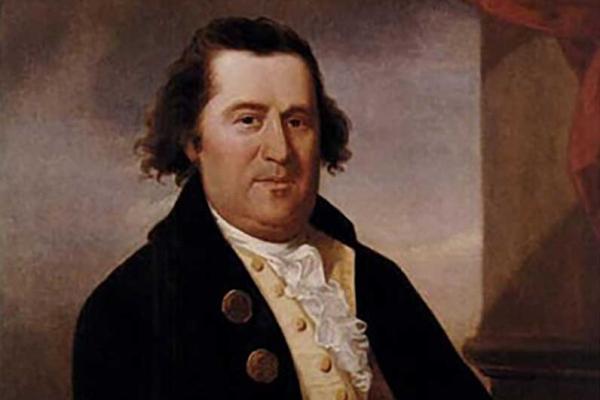
Once a lawyer and surveyor who fought for the royal governor at Alamance, Richard Caswell reinvented himself as a leading Patriot of the American Revolution. After commanding the decisive victory at Moore’s Creek Bridge, he rose to govern North Carolina and later served again despite suffering defeat with Gates’s army at Camden.
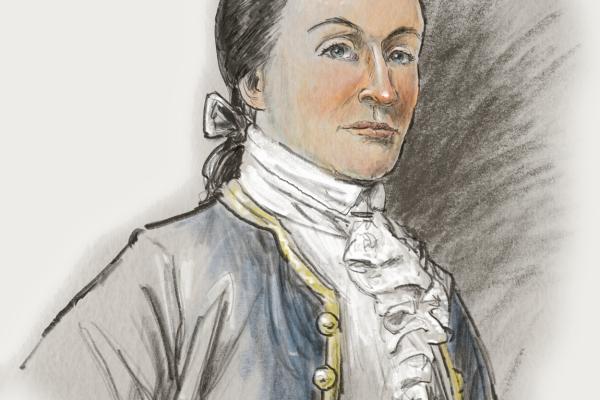
Though his Quaker faith precluded him from taking up arms, Lushington made the decision to join the Patriot cause and fight against the British during the American Revolution. Largely an outsider, joining the army may have been a means for Lushington to gain further acceptance within Charleston's social elite.