The Liberty Trail
- parking
- accessible_parking
- wheelchair_accessible
- restrooms
- wifi










- restrooms
- wheelchair_accessible


- parking
- accessible_parking
- wheelchair_accessible
- restrooms






- parking
- accessible_parking
- wheelchair_accessible
- restrooms


- parking
- accessible_parking
- wheelchair_accessible
- pet_friendly


- wifi
- parking
- restrooms
- wheelchair_accessible




- parking
- accessible_parking
- wheelchair_accessible
- pet_friendly


- parking
- accessible_parking
- wheelchair_accessible
- restrooms
- wifi

- parking
- restrooms
- pet_friendly

- parking
- accessible_parking
- wheelchair_accessible
- restrooms
- wifi







- parking
- accessible_parking
- wheelchair_accessible



- parking
- restrooms
- wheelchair_accessible







- parking
- accessible_parking
- restrooms
- pet_friendly

- parking
- accessible_parking
- wheelchair_accessible
- restrooms




- parking
- accessible_parking
- wheelchair_accessible
- restrooms
- wifi
- parking
- accessible_parking
- wheelchair_accessible
- restrooms
- wifi

- parking
- wheelchair_accessible
- restrooms
- pet_friendly








- parking
- restrooms
- wheelchair_accessible











































- parking
- accessible_parking
- restrooms


Explore the many guided tours of The Liberty Trail
This Day on the Liberty Trail

Uncovering History
We invite you to visit the preserved locations along the Liberty Trail and to immerse
yourself in the extraordinary events that determined the fate of a nation.
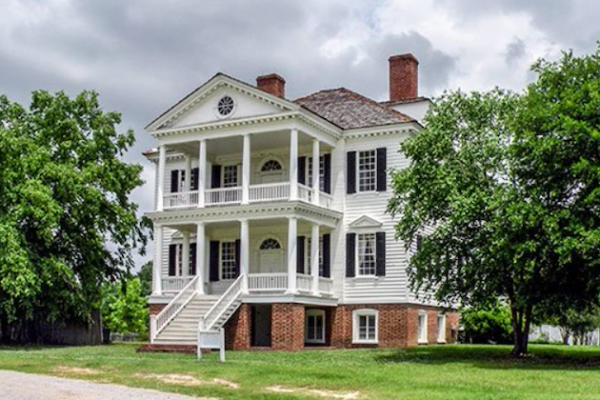
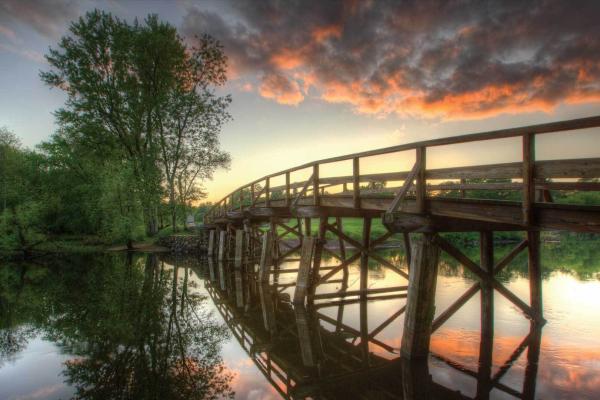

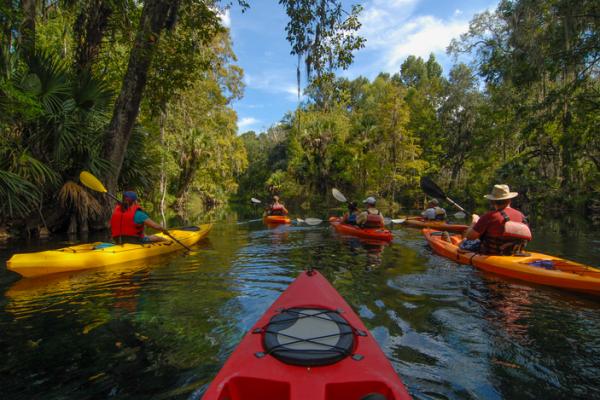
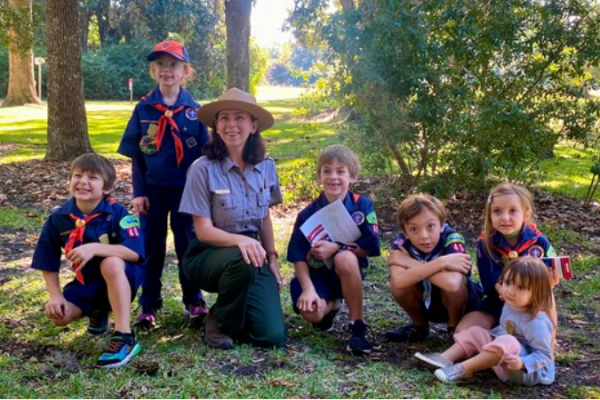
Family Friendly Adventures
Discover a part of our nation’s history at historic landmarks and events.


Liberty Trail History Makers
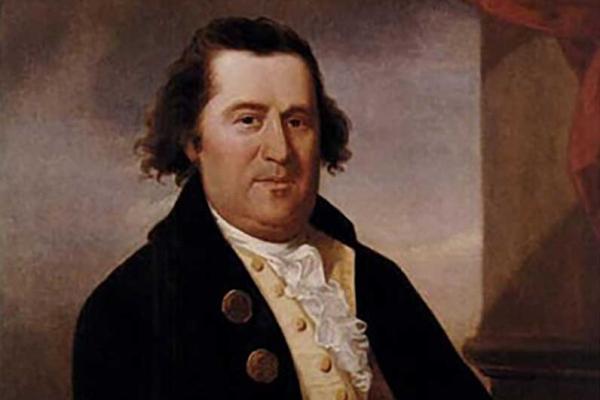
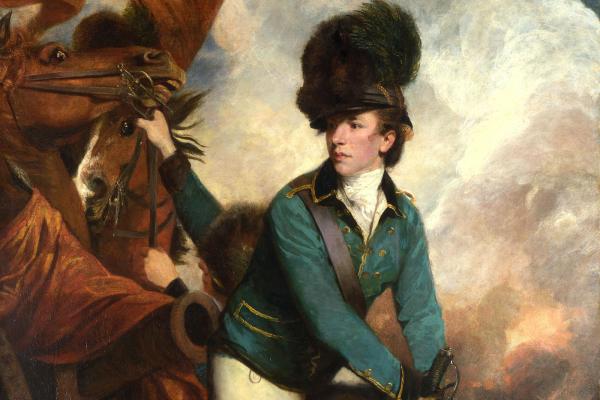
The Revolutionary War was a war unlike any other — one of ideas and ideals, that shaped “the course of human events. Explore the history and personalities from this pivotal time in American history.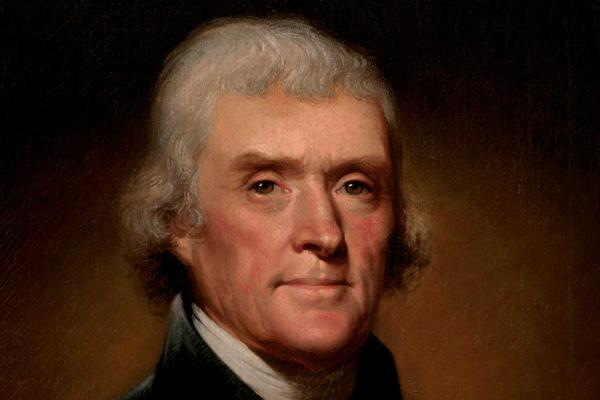
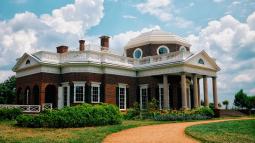
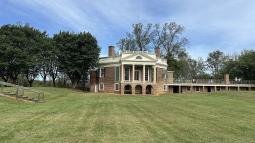
Thomas Jefferson, the principal author of the Declaration of Independence and the third president of the United States, was a figure whose political philosophy helped define the early American republic. A statesman, diplomat, and advocate for education and republicanism, he left a complex legacy that continues to shape debates about democracy, freedom, and national identity.
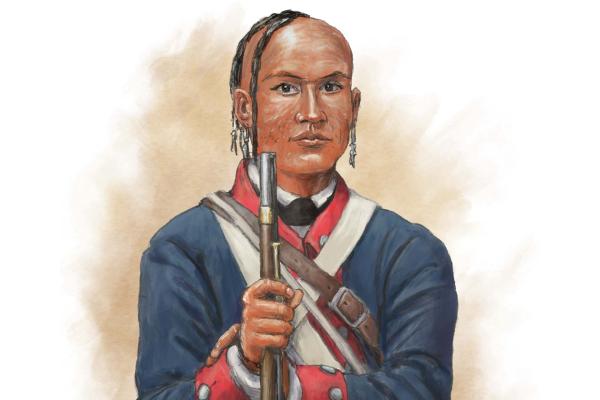
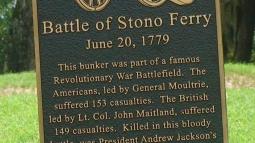
Peter Harris, a Catawba Indian who survived a devastating smallpox epidemic as a child, served bravely in the Continental Army during the American Revolution, fighting in key battles like Stono Ferry and Rocky Mount; despite his contributions, he later petitioned South Carolina for a pension, poignantly describing himself as "one of the lingering embers of an almost extinguished race," and was granted $60 a year just before his death in 1823.
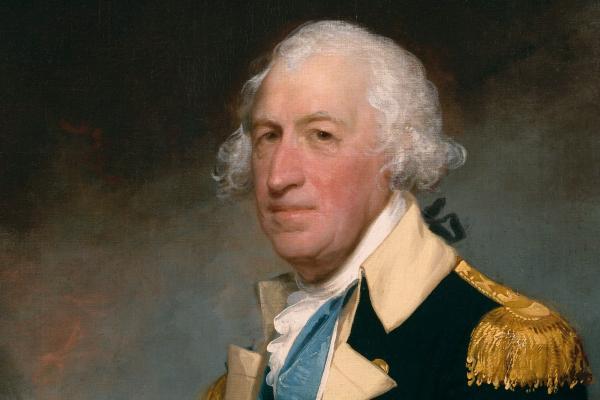
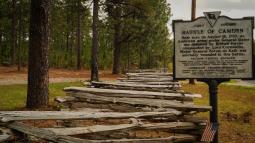
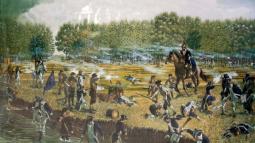
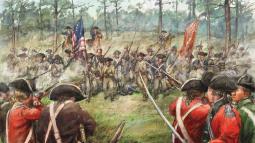
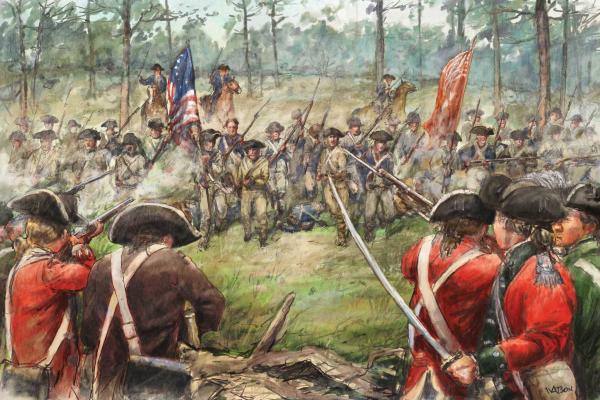
At the Battle of Camden, British General Lord Cornwallis routed Gates’s army and captured nearly 1,000 men, including their supplies, baggage, and artillery. There was no organized retreat, and Gates rode near 170 miles north in three days to flee. It destroyed his reputation and his new southern army.
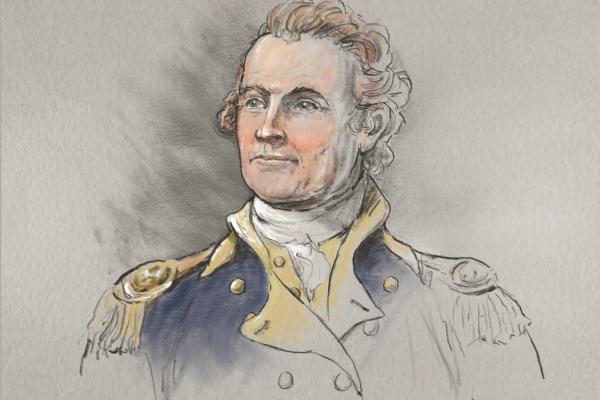
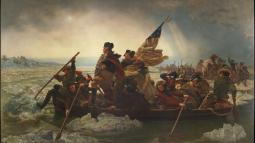
John Glover, a skilled fisherman and merchant from Marblehead, Massachusetts, played a crucial role in the American Revolution as the commander of the 14th Continental Regiment, known for their amphibious expertise, notably evacuating Washington's army at Long Island and famously crossing the Delaware River to Trenton.