The Liberty Trail
- parking
- accessible_parking
- wheelchair_accessible
- restrooms
- wifi

- restrooms
- wheelchair_accessible
- parking
- accessible_parking
- wheelchair_accessible
- restrooms

- parking
- accessible_parking
- wheelchair_accessible
- restrooms
- parking
- accessible_parking
- wheelchair_accessible
- pet_friendly

- wifi
- parking
- restrooms
- wheelchair_accessible

- parking
- accessible_parking
- wheelchair_accessible
- pet_friendly
- parking
- accessible_parking
- wheelchair_accessible
- restrooms
- wifi
- parking
- restrooms
- pet_friendly

- parking
- accessible_parking
- wheelchair_accessible
- restrooms
- wifi

- parking
- accessible_parking
- wheelchair_accessible


- parking
- restrooms
- wheelchair_accessible


- parking
- accessible_parking
- restrooms
- pet_friendly
- parking
- accessible_parking
- wheelchair_accessible
- restrooms
- parking
- accessible_parking
- wheelchair_accessible
- restrooms
- wifi
- parking
- accessible_parking
- wheelchair_accessible
- restrooms
- wifi
- parking
- wheelchair_accessible
- restrooms
- pet_friendly

- parking
- restrooms
- wheelchair_accessible























- parking
- accessible_parking
- restrooms
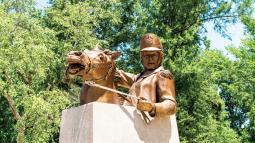

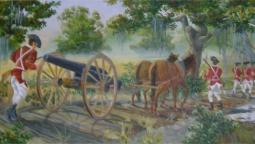
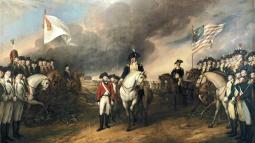
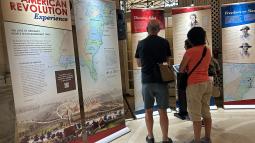
Explore the many guided tours of The Liberty Trail
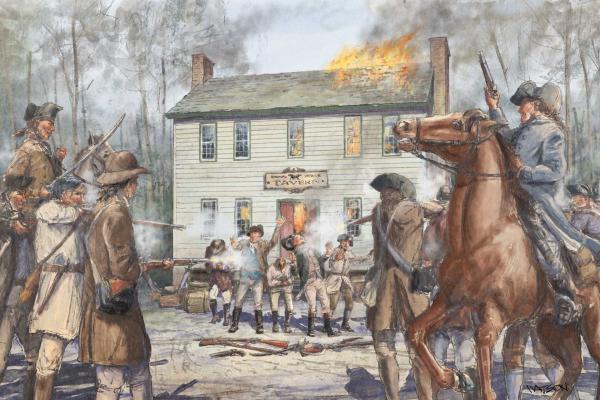
This Day on the Liberty Trail
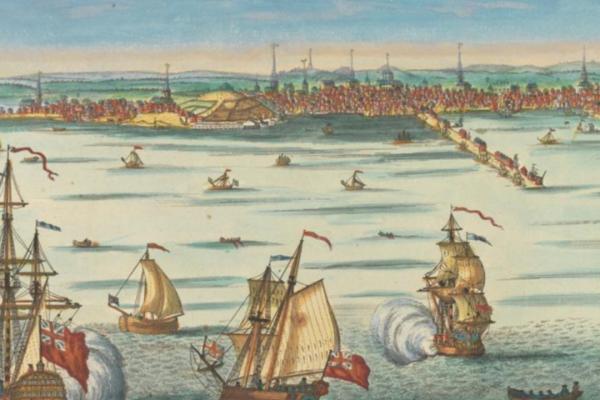
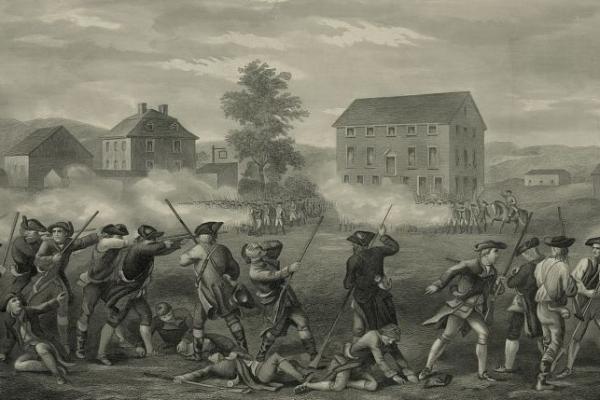
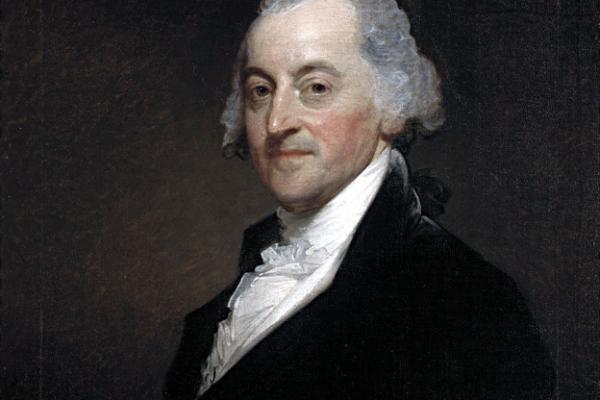
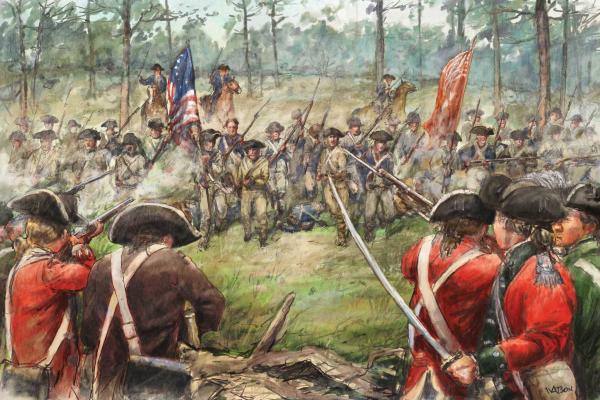
Uncovering History
We invite you to visit the preserved locations along the Liberty Trail and to immerse
yourself in the extraordinary events that determined the fate of a nation.
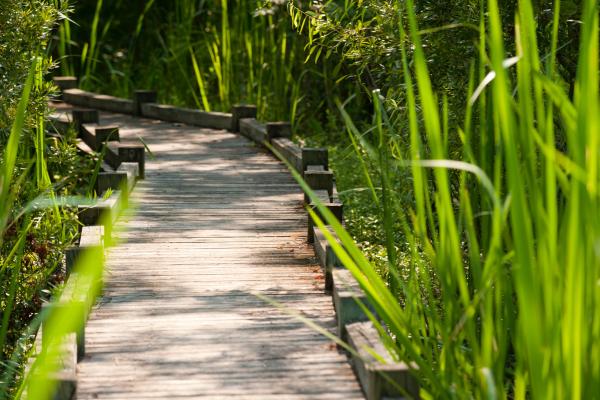
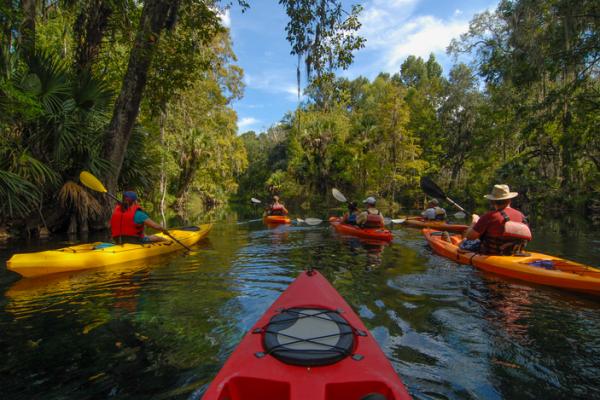
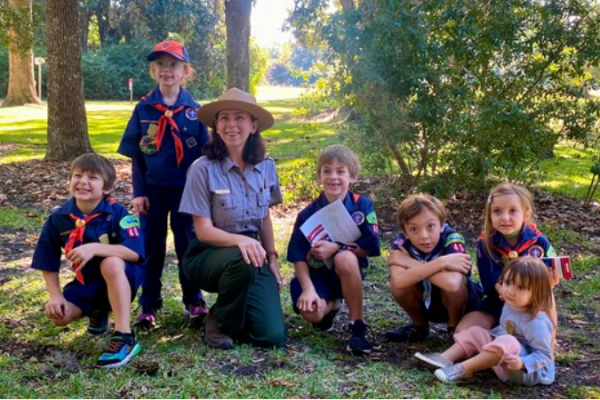
Family Friendly Adventures
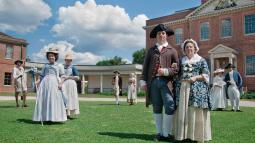
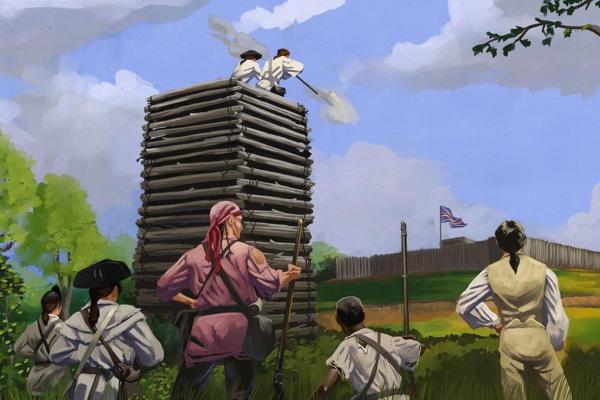
Discover a part of our nation’s history at historic landmarks and events.
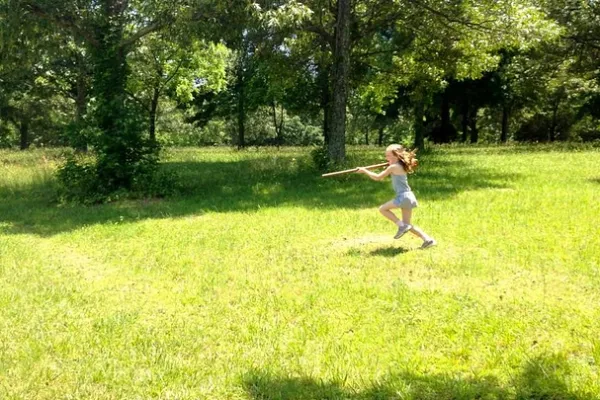
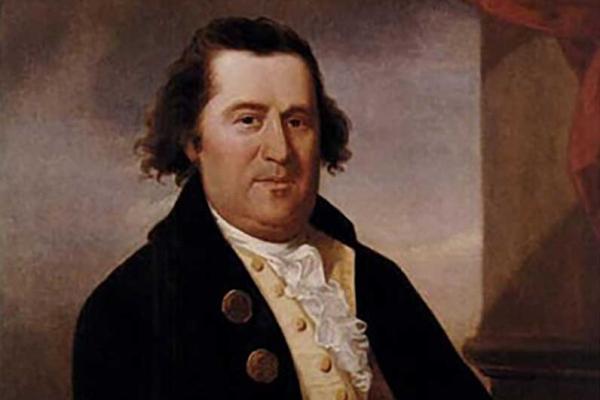
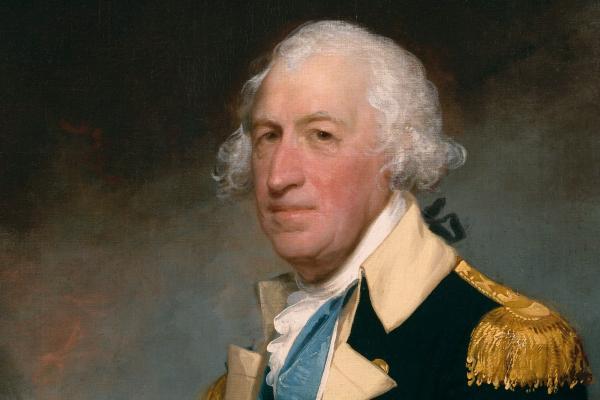
Liberty Trail History Makers
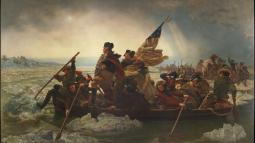
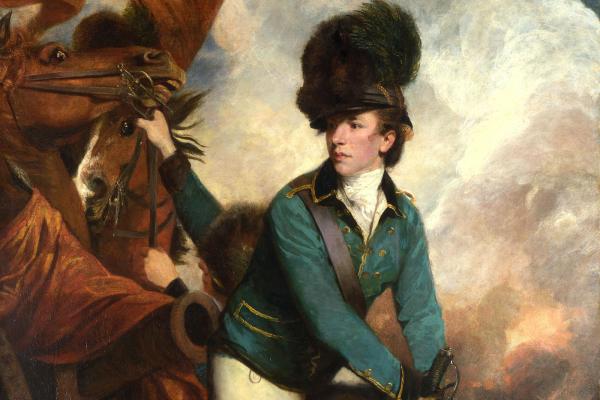
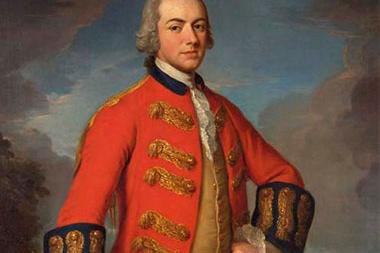
The Revolutionary War was a war unlike any other — one of ideas and ideals, that shaped “the course of human events. Explore the history and personalities from this pivotal time in American history.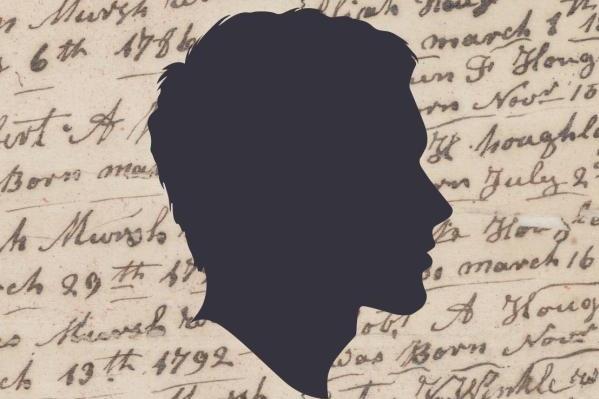
Robert Mursh, a Pamunkey Indian and Continental Army soldier, fought in key Revolutionary War battles and later became a Christian pastor in South Carolina, with his service documented in his 1820 pension application.
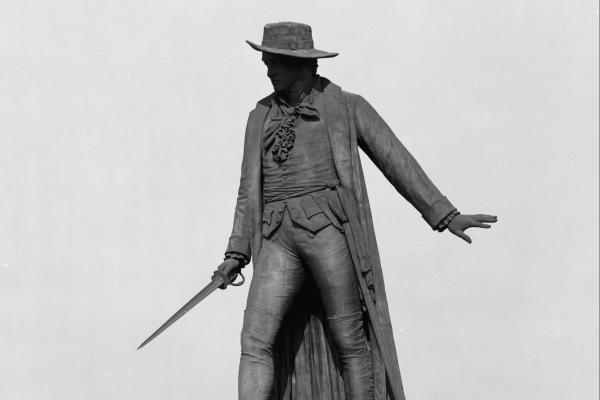
William Prescott led colonial forces at the Battle of Bunker Hill, where his strategic defense and command helped inflict heavy British casualties, despite ultimately being forced to retreat.
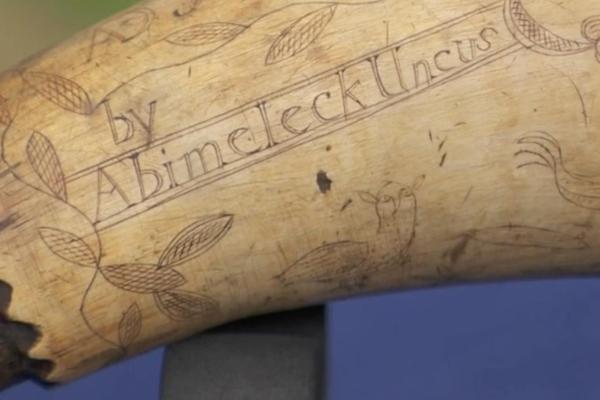
Abimeleck Uncus, a Mohegan Native American soldier in the Continental Army, served during the American Revolution, leaving behind a carved powder horn that commemorates his service at the Siege of Boston in 1775.
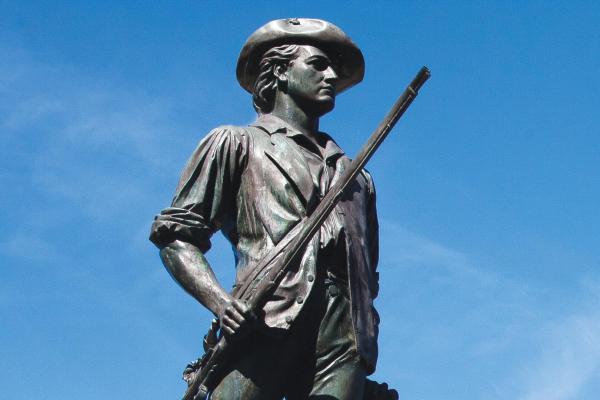
Captain Isaac Davis, a Massachusetts Minuteman leader, was the first American officer killed in the Revolutionary War at the Battle of Concord on April 19, 1775.