The Liberty Trail
- parking
- accessible_parking
- wheelchair_accessible
- restrooms
- wifi


- restrooms
- wheelchair_accessible
- parking
- accessible_parking
- wheelchair_accessible
- restrooms


- parking
- accessible_parking
- wheelchair_accessible
- restrooms
- parking
- accessible_parking
- wheelchair_accessible
- pet_friendly

- wifi
- parking
- restrooms
- wheelchair_accessible

- parking
- accessible_parking
- wheelchair_accessible
- pet_friendly

- parking
- accessible_parking
- wheelchair_accessible
- restrooms
- wifi
- parking
- restrooms
- pet_friendly

- parking
- accessible_parking
- wheelchair_accessible
- restrooms
- wifi
- parking
- accessible_parking
- wheelchair_accessible

- parking
- restrooms
- wheelchair_accessible



- parking
- accessible_parking
- restrooms
- pet_friendly
- parking
- accessible_parking
- wheelchair_accessible
- restrooms
- parking
- accessible_parking
- wheelchair_accessible
- restrooms
- wifi
- parking
- accessible_parking
- wheelchair_accessible
- restrooms
- wifi
- parking
- wheelchair_accessible
- restrooms
- pet_friendly

- parking
- restrooms
- wheelchair_accessible


















- parking
- accessible_parking
- restrooms
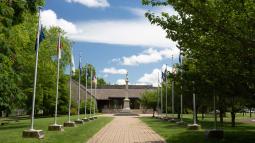
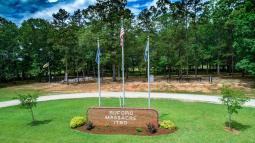
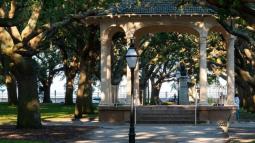
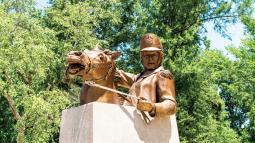

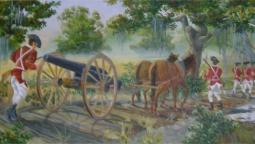
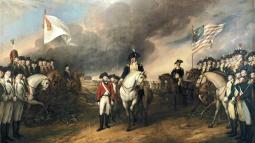
Explore the many guided tours of The Liberty Trail
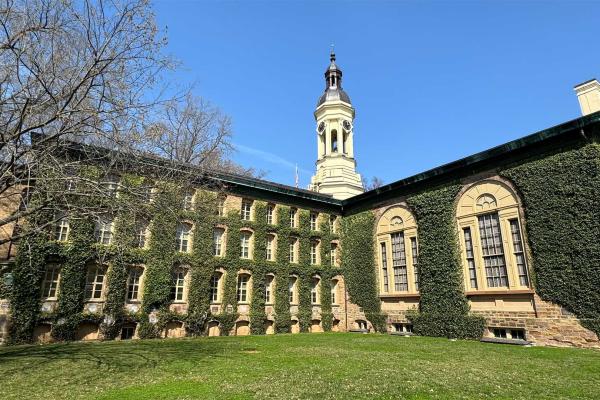
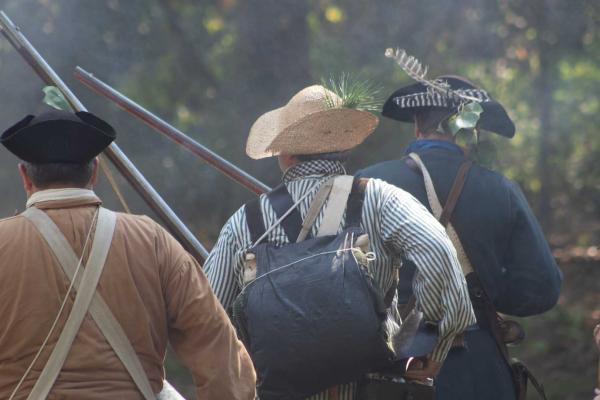
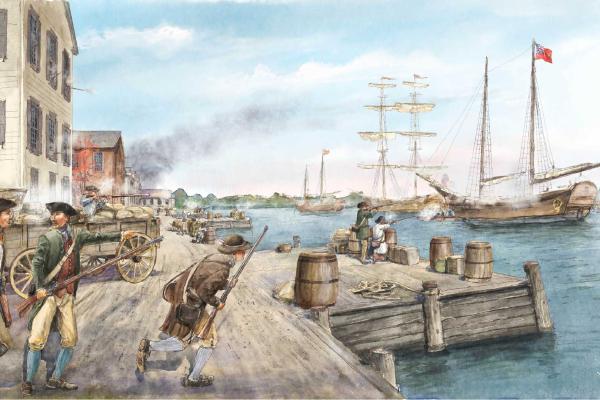
This Day on the Liberty Trail
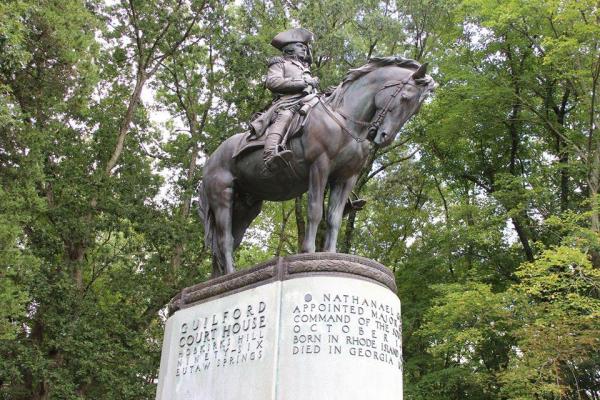
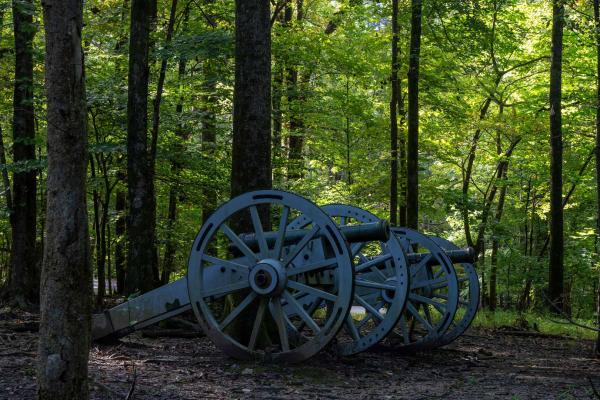
Uncovering History
We invite you to visit the preserved locations along the Liberty Trail and to immerse
yourself in the extraordinary events that determined the fate of a nation.
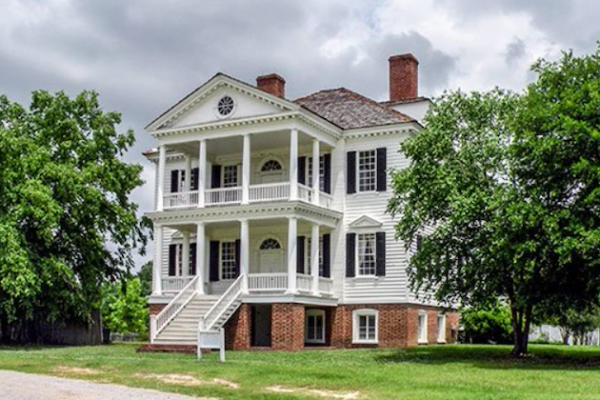
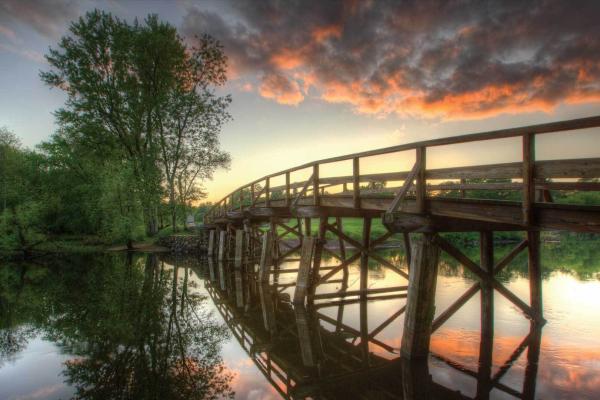
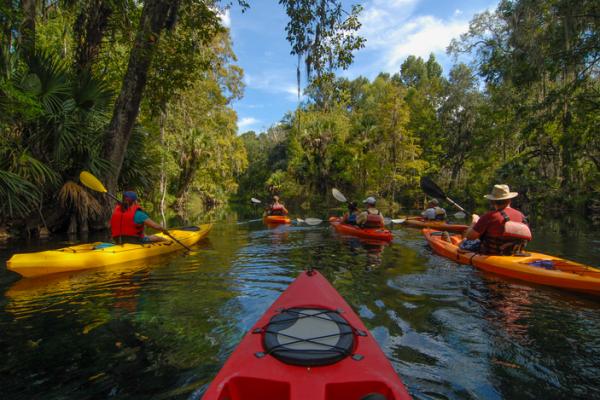
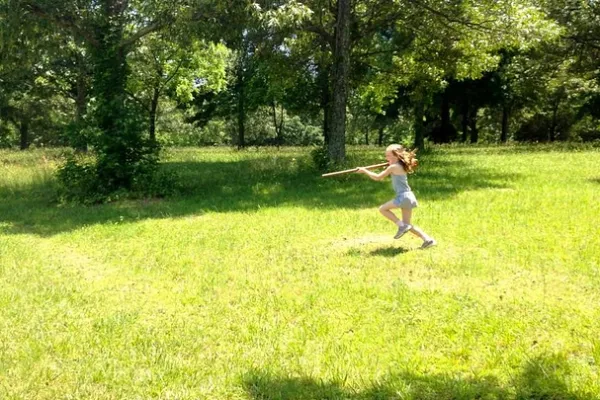
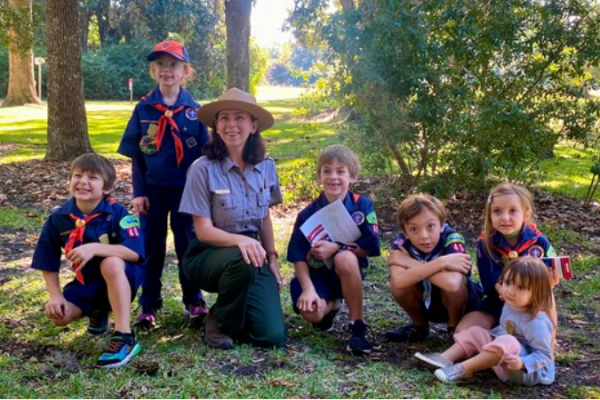
Family Friendly Adventures
Discover a part of our nation’s history at historic landmarks and events.
Liberty Trail History Makers
The Revolutionary War was a war unlike any other — one of ideas and ideals, that shaped “the course of human events. Explore the history and personalities from this pivotal time in American history.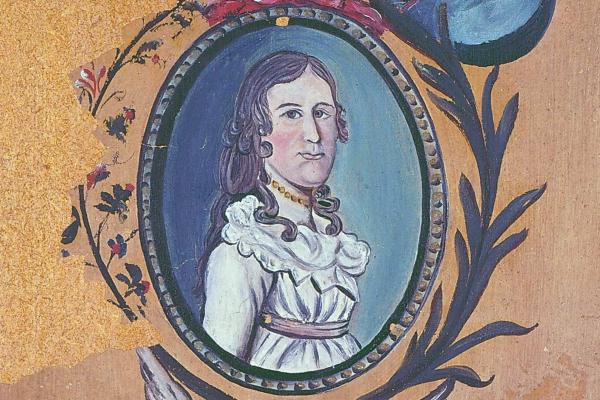
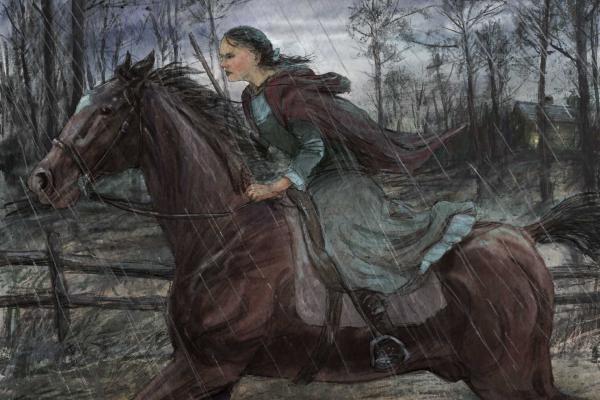
Disguised as a man, Sampson served in the Continental Army during the Revolutionary War, enduring injuries and maintaining her secret identity until 1783, and later became a public figure advocating for veterans' pensions.
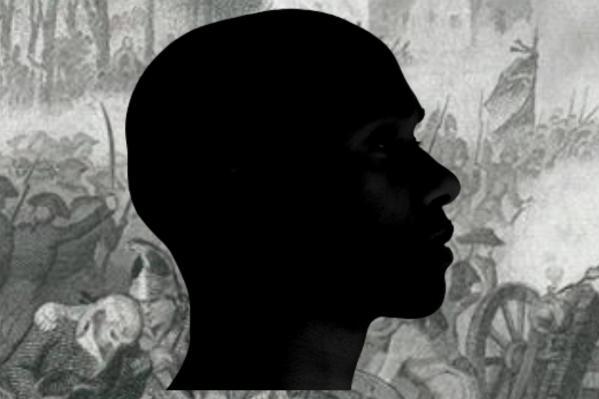
Tony Small, a formerly enslaved man, saved British soldier Lord Edward FitzGerald after the Battle of Eutaw Springs in 1781. Grateful, FitzGerald freed Small, who became his assistant and followed him to Ireland. They remained close until FitzGerald's death in 1798, after which Small settled near London.
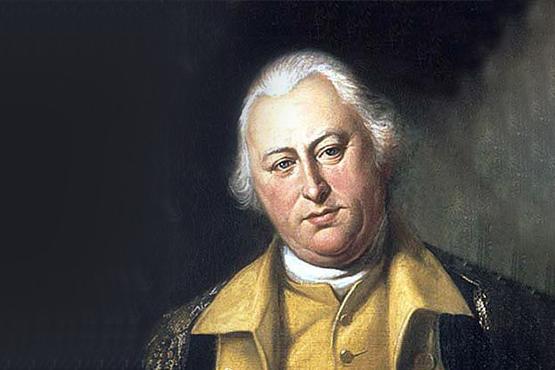
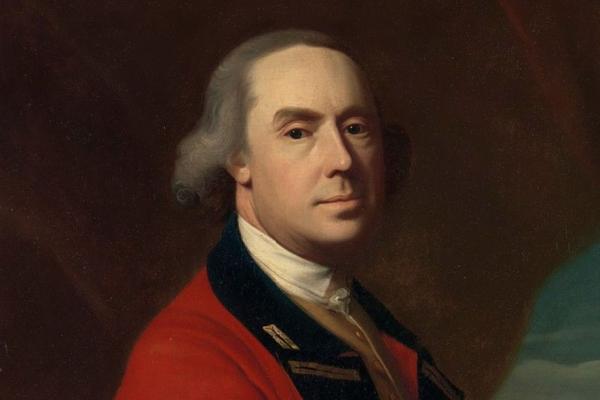
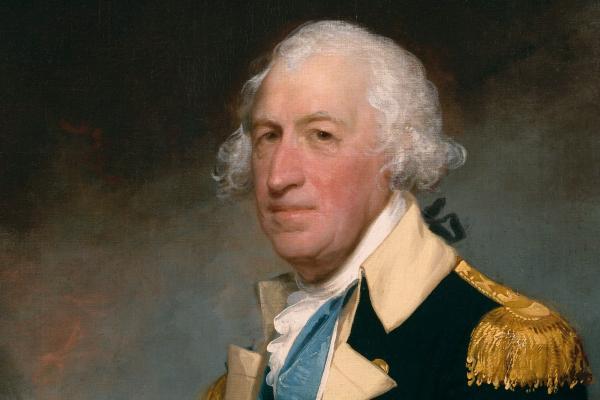
When British forces besieged Charleston, Lincoln was forced to surrender over 5,000 men. Denied honors of war in surrender, Lincoln was paroled and returned to Washington’s army. After the Battle of Yorktown, Lincoln accepted the surrender from the British, allowing him to have revenge for his defeat in Charleston.
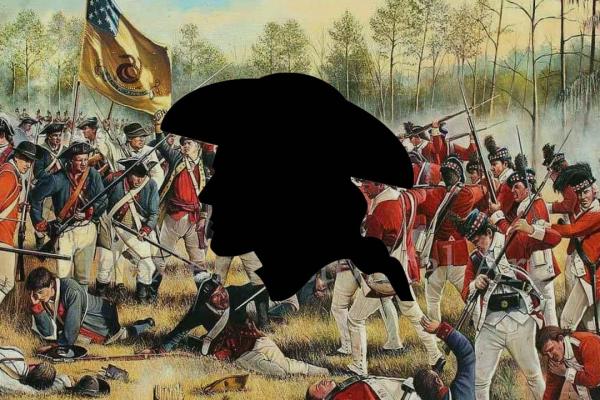
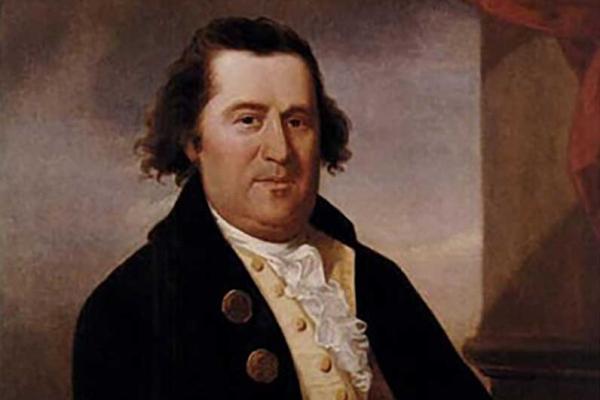
Son of prominent leader John Baptista Ashe, John Ashe emerged as a leading Patriot in North Carolina, turning from crown loyalist to Revolutionary commander after colonial unrest and rising to brigadier general by 1776. Though defeated at Brier Creek and later captured when British forces overran Wilmington, Ashe died a prisoner of war in 1781 after contracting smallpox.