The Liberty Trail
- parking
- accessible_parking
- wheelchair_accessible
- restrooms
- wifi

- restrooms
- wheelchair_accessible
- parking
- accessible_parking
- wheelchair_accessible
- restrooms

- parking
- accessible_parking
- wheelchair_accessible
- restrooms
- parking
- accessible_parking
- wheelchair_accessible
- pet_friendly

- wifi
- parking
- restrooms
- wheelchair_accessible

- parking
- accessible_parking
- wheelchair_accessible
- pet_friendly
- parking
- accessible_parking
- wheelchair_accessible
- restrooms
- wifi
- parking
- restrooms
- pet_friendly

- parking
- accessible_parking
- wheelchair_accessible
- restrooms
- wifi
- parking
- accessible_parking
- wheelchair_accessible


- parking
- restrooms
- wheelchair_accessible



- parking
- accessible_parking
- restrooms
- pet_friendly
- parking
- accessible_parking
- wheelchair_accessible
- restrooms
- parking
- accessible_parking
- wheelchair_accessible
- restrooms
- wifi
- parking
- accessible_parking
- wheelchair_accessible
- restrooms
- wifi
- parking
- wheelchair_accessible
- restrooms
- pet_friendly

- parking
- restrooms
- wheelchair_accessible


- parking
- accessible_parking
- restrooms
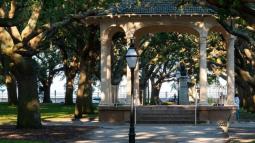
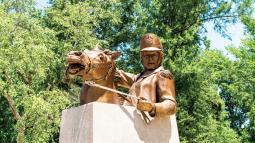

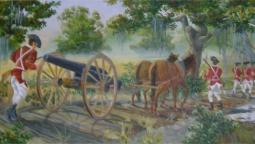
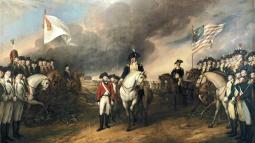
Explore the many guided tours of The Liberty Trail
This Day on the Liberty Trail
Uncovering History
We invite you to visit the preserved locations along the Liberty Trail and to immerse
yourself in the extraordinary events that determined the fate of a nation.
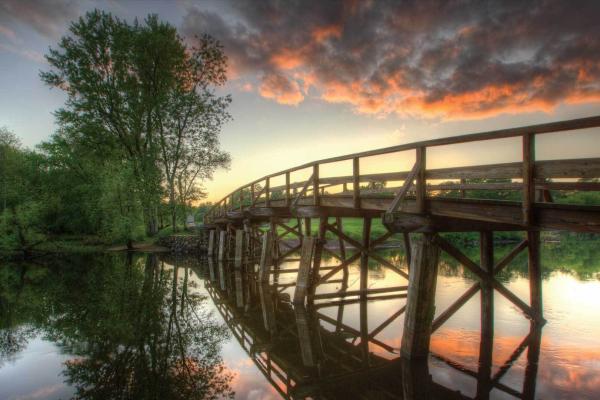
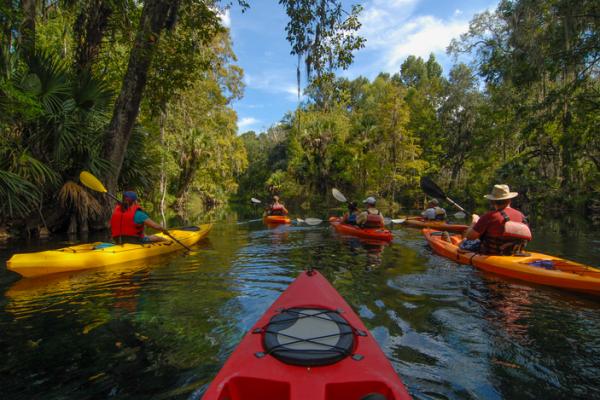
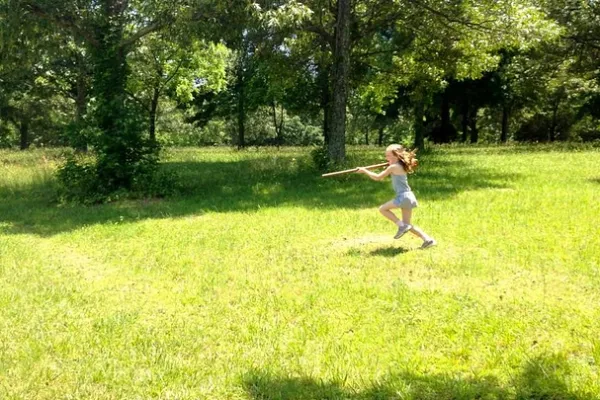
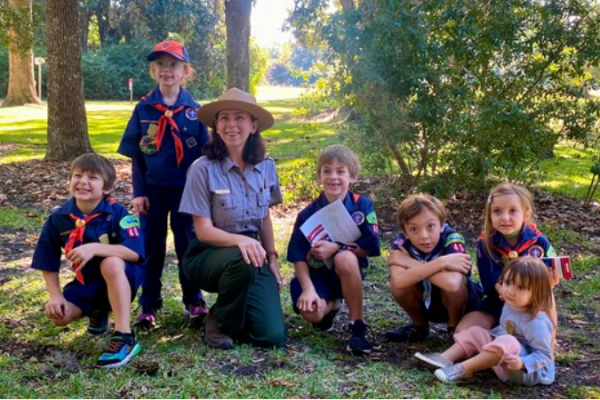
Family Friendly Adventures
Discover a part of our nation’s history at historic landmarks and events.
Liberty Trail History Makers
The Revolutionary War was a war unlike any other — one of ideas and ideals, that shaped “the course of human events. Explore the history and personalities from this pivotal time in American history.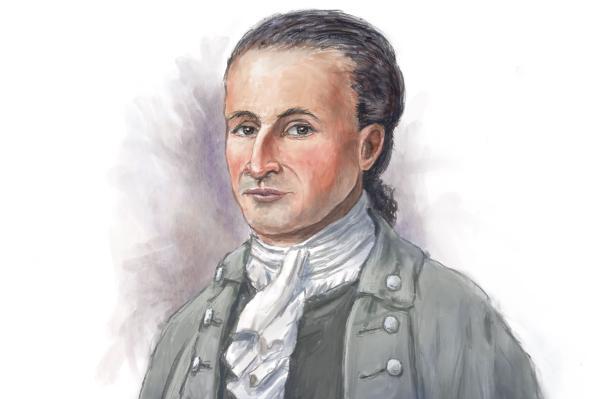
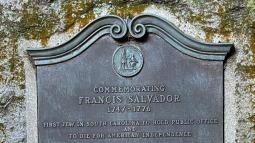
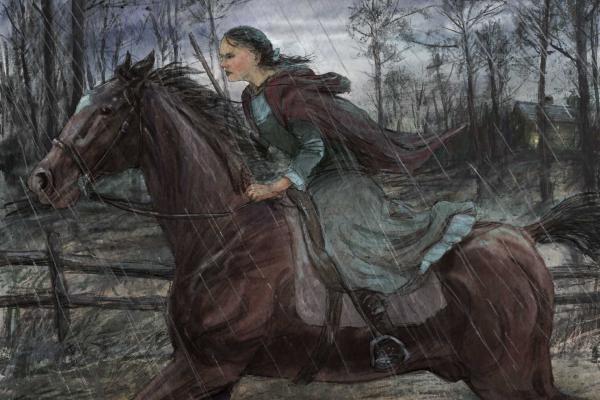
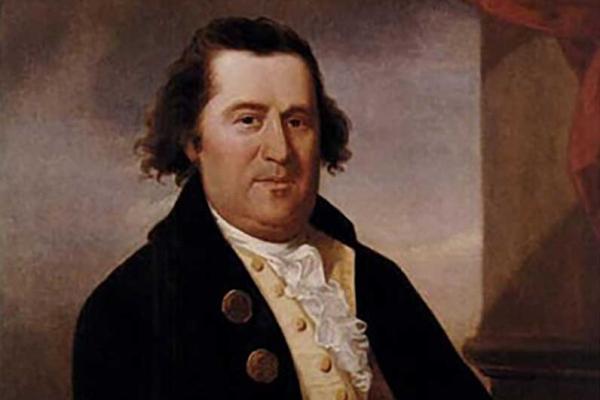
Salvador earned the nickname "Southern Paul Revere" when he rode over 30 miles to warn militia units in the backcountry of South Carolina of an Indian attack.
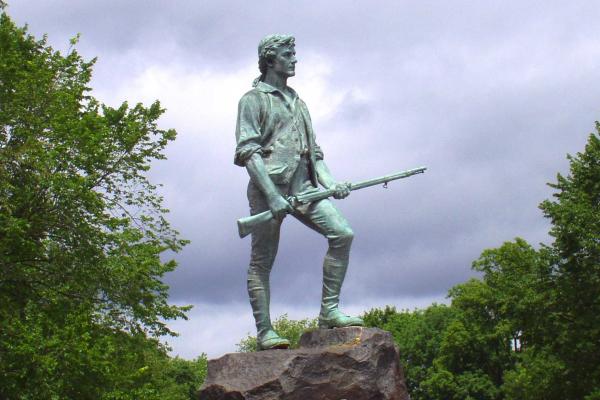
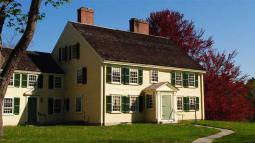
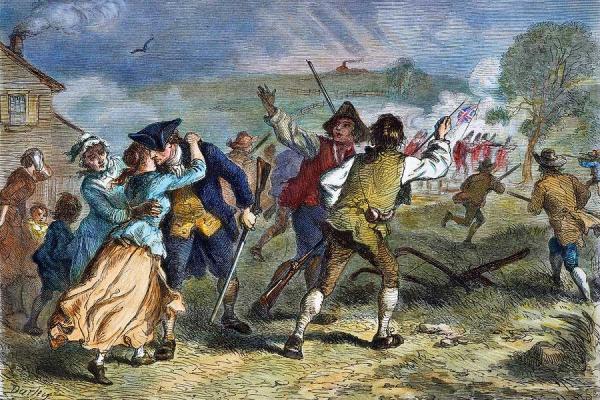
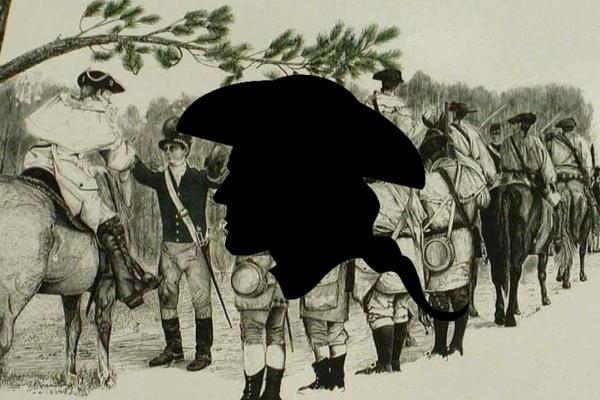
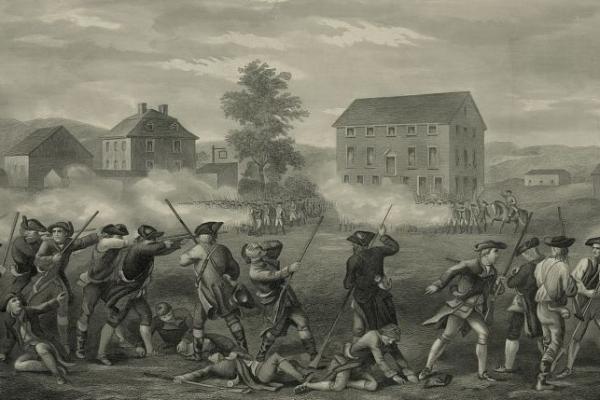
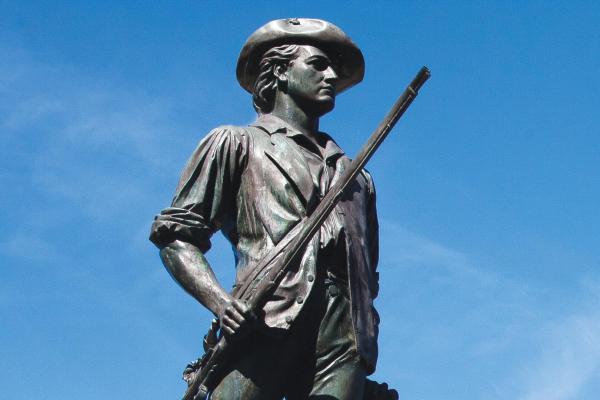
A militia captain from Lexington, Parker played a pivotal role in the first battle of the American Revolution at Lexington Green in April 1775, where he led his men against British forces.
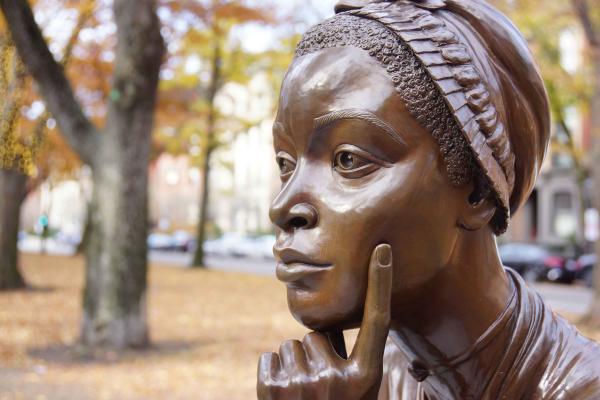
Phillis Wheatley, an enslaved woman from Massachusetts, became a celebrated poet, publishing a book in 1773, corresponding with prominent figures like George Washington, and demonstrating the literary talent of African Americans before dying in poverty at 31.
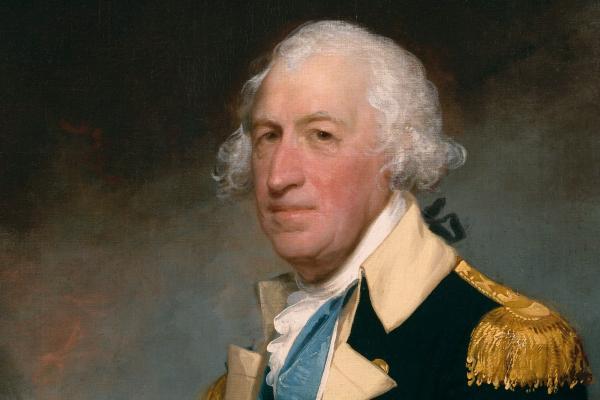
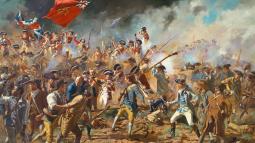
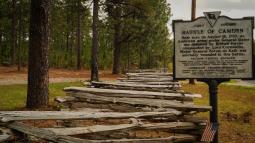
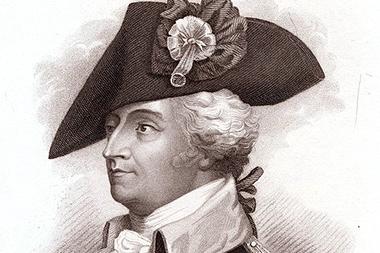
At the Battle of Camden, British General Lord Cornwallis routed Gates’s army and captured nearly 1,000 men, including their supplies, baggage, and artillery. There was no organized retreat, and Gates rode near 170 miles north in three days to flee. It destroyed his reputation and his new southern army.