The Liberty Trail
- parking
- accessible_parking
- wheelchair_accessible
- restrooms
- wifi


- restrooms
- wheelchair_accessible
- parking
- accessible_parking
- wheelchair_accessible
- restrooms

- parking
- accessible_parking
- wheelchair_accessible
- restrooms
- parking
- accessible_parking
- wheelchair_accessible
- pet_friendly

- wifi
- parking
- restrooms
- wheelchair_accessible

- parking
- accessible_parking
- wheelchair_accessible
- pet_friendly
- parking
- accessible_parking
- wheelchair_accessible
- restrooms
- wifi
- parking
- restrooms
- pet_friendly

- parking
- accessible_parking
- wheelchair_accessible
- restrooms
- wifi

- parking
- accessible_parking
- wheelchair_accessible


- parking
- restrooms
- wheelchair_accessible


- parking
- accessible_parking
- restrooms
- pet_friendly
- parking
- accessible_parking
- wheelchair_accessible
- restrooms
- parking
- accessible_parking
- wheelchair_accessible
- restrooms
- wifi
- parking
- accessible_parking
- wheelchair_accessible
- restrooms
- wifi
- parking
- wheelchair_accessible
- restrooms
- pet_friendly


- parking
- restrooms
- wheelchair_accessible
























- parking
- accessible_parking
- restrooms
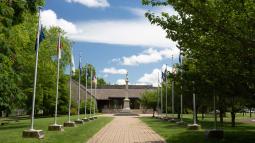
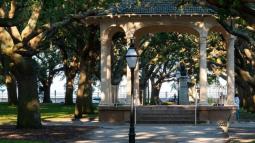
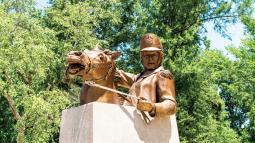

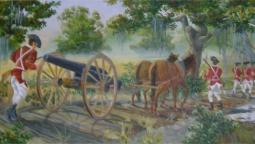
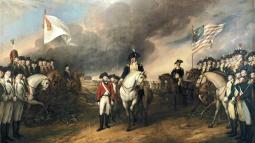
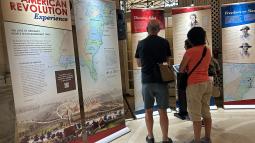
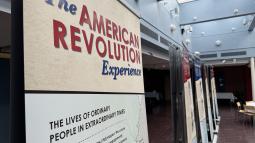
Explore the many guided tours of The Liberty Trail
This Day on the Liberty Trail
Uncovering History
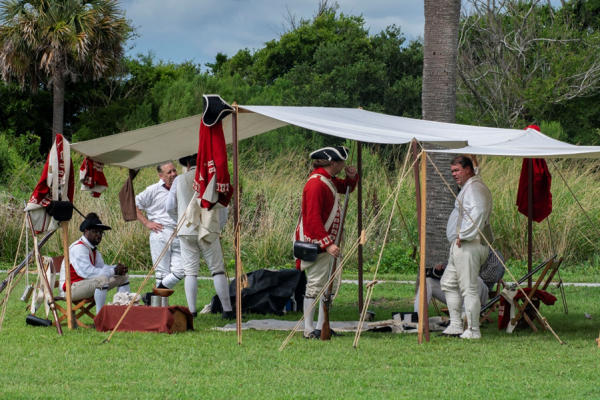
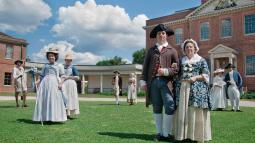
We invite you to visit the preserved locations along the Liberty Trail and to immerse
yourself in the extraordinary events that determined the fate of a nation.
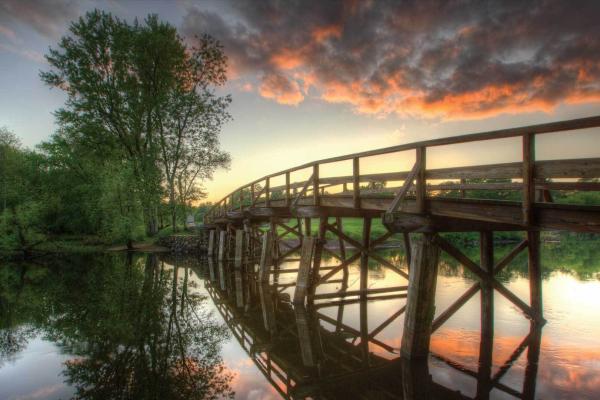
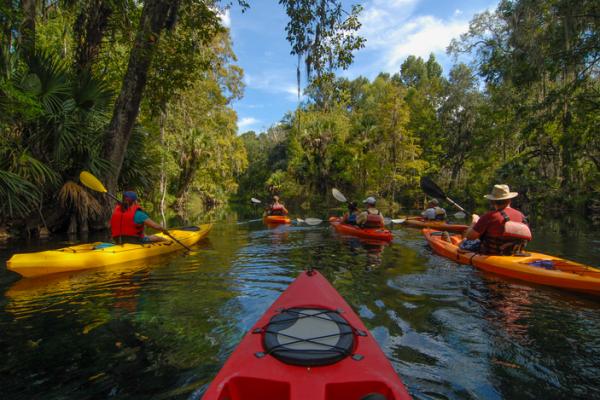
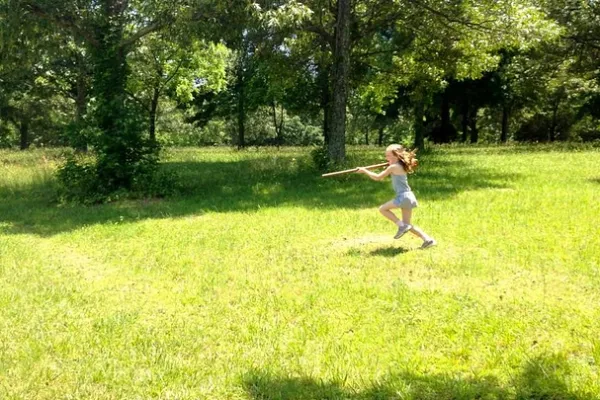
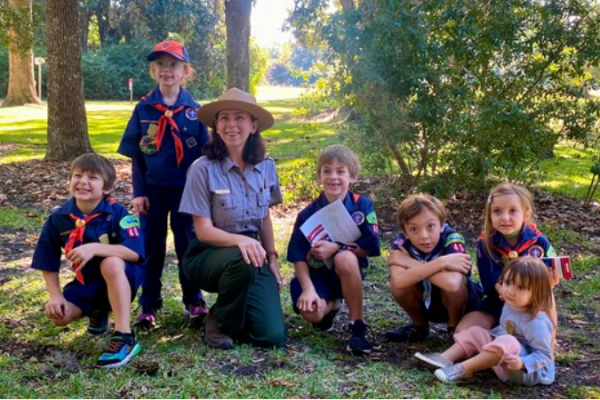
Family Friendly Adventures
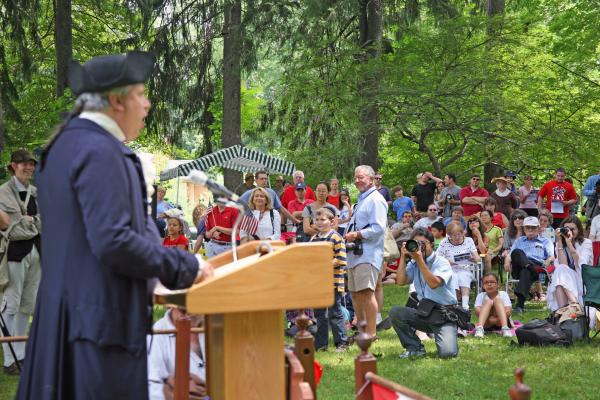
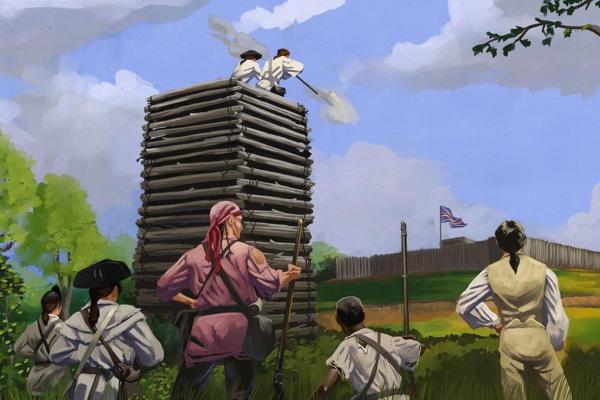
Discover a part of our nation’s history at historic landmarks and events.
Liberty Trail History Makers
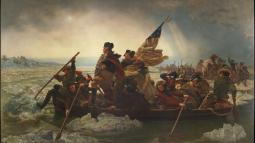
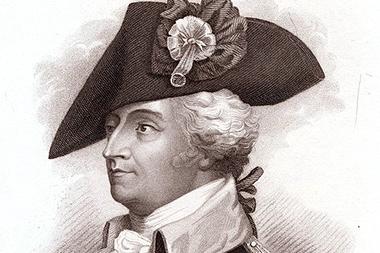
The Revolutionary War was a war unlike any other — one of ideas and ideals, that shaped “the course of human events. Explore the history and personalities from this pivotal time in American history.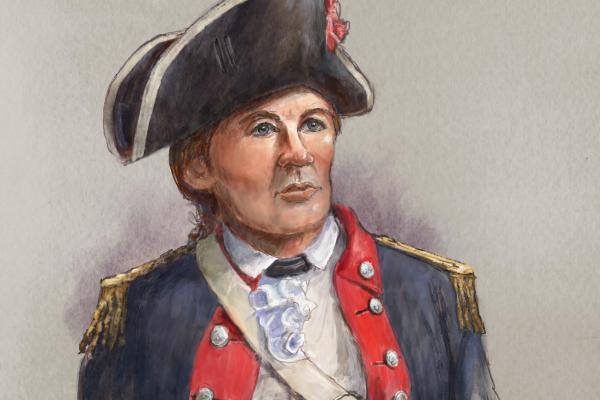
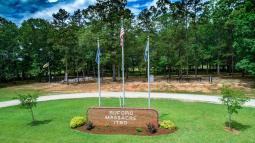
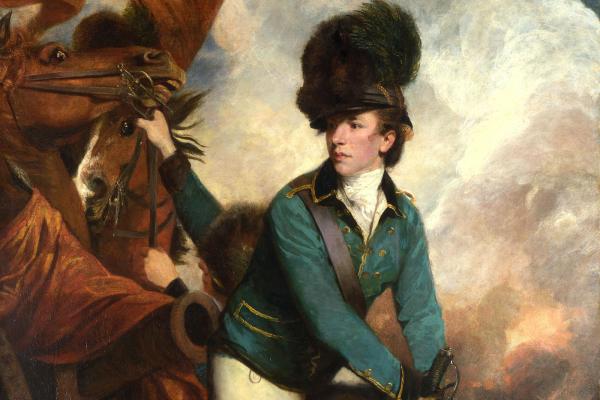
Commander of a Virginia unit during the American Revolution, Abraham Buford saw his troops massacred by Banastre Tarleton and his British Legion at the Battle of Waxhaws in South Carolina.
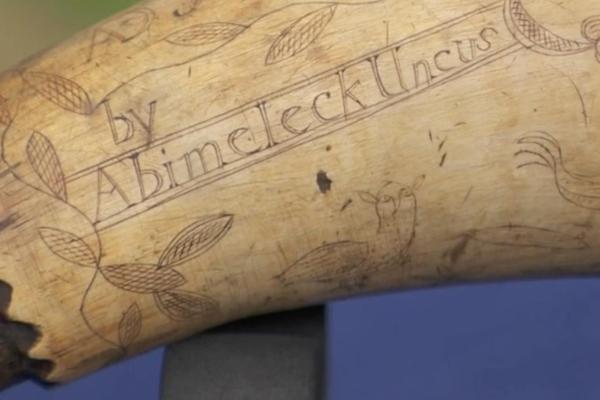
Abimeleck Uncus, a Mohegan Native American soldier in the Continental Army, served during the American Revolution, leaving behind a carved powder horn that commemorates his service at the Siege of Boston in 1775.
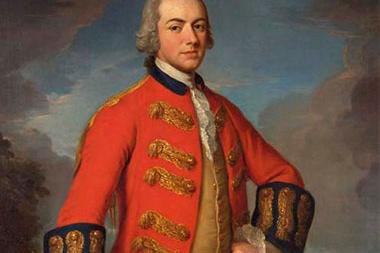
Despite the prominent role Cornwallis played in the Revolution, Henry Clinton was blamed for the loss of the American colonies following the surrender at Yorktown.
Son of prominent leader John Baptista Ashe, John Ashe emerged as a leading Patriot in North Carolina, turning from crown loyalist to Revolutionary commander after colonial unrest and rising to brigadier general by 1776. Though defeated at Brier Creek and later captured when British forces overran Wilmington, Ashe died a prisoner of war in 1781 after contracting smallpox.