The Liberty Trail
- parking
- accessible_parking
- wheelchair_accessible
- restrooms
- wifi


- restrooms
- wheelchair_accessible
- parking
- accessible_parking
- wheelchair_accessible
- restrooms


- parking
- accessible_parking
- wheelchair_accessible
- restrooms
- parking
- accessible_parking
- wheelchair_accessible
- pet_friendly


- wifi
- parking
- restrooms
- wheelchair_accessible



- parking
- accessible_parking
- wheelchair_accessible
- pet_friendly


- parking
- accessible_parking
- wheelchair_accessible
- restrooms
- wifi
- parking
- restrooms
- pet_friendly

- parking
- accessible_parking
- wheelchair_accessible
- restrooms
- wifi

- parking
- accessible_parking
- wheelchair_accessible


- parking
- restrooms
- wheelchair_accessible




- parking
- accessible_parking
- restrooms
- pet_friendly
- parking
- accessible_parking
- wheelchair_accessible
- restrooms

- parking
- accessible_parking
- wheelchair_accessible
- restrooms
- wifi
- parking
- accessible_parking
- wheelchair_accessible
- restrooms
- wifi
- parking
- wheelchair_accessible
- restrooms
- pet_friendly


- parking
- restrooms
- wheelchair_accessible






























- parking
- accessible_parking
- restrooms
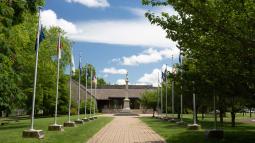
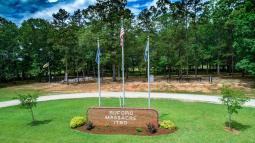
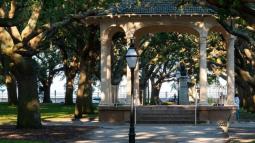
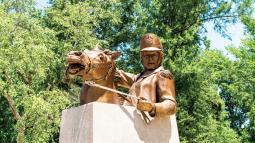

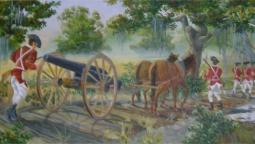
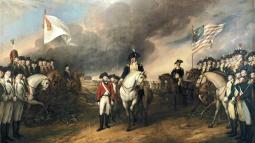
Explore the many guided tours of The Liberty Trail
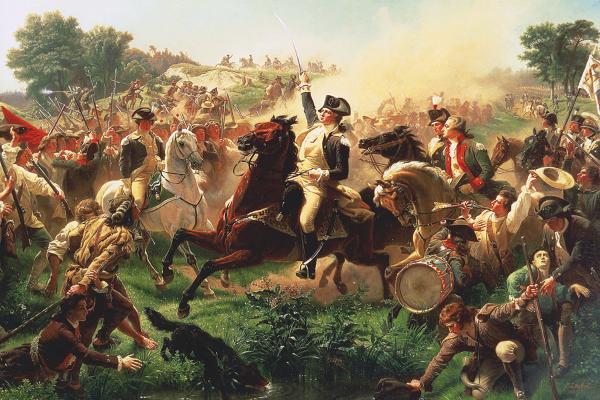
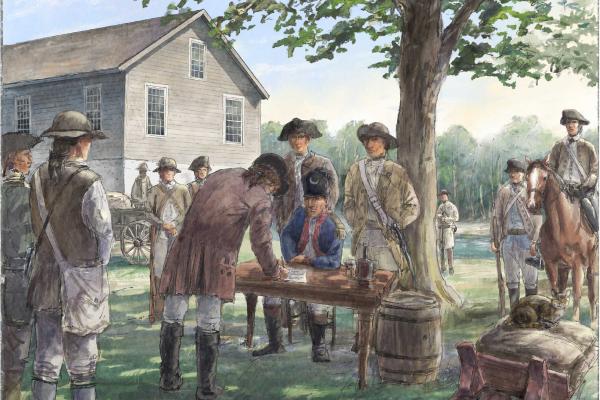
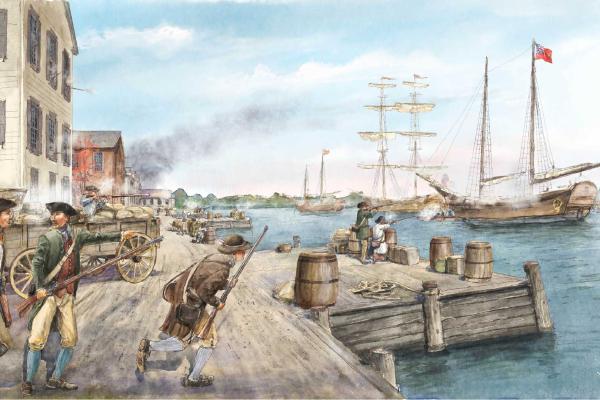
This Day on the Liberty Trail
Uncovering History
We invite you to visit the preserved locations along the Liberty Trail and to immerse
yourself in the extraordinary events that determined the fate of a nation.
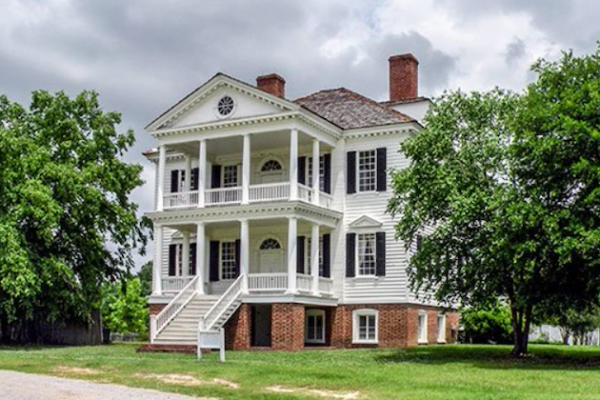
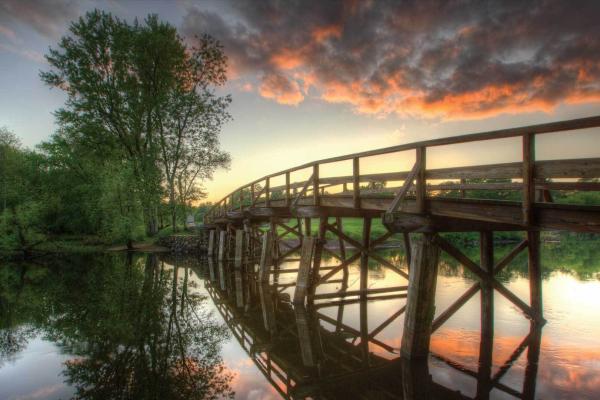
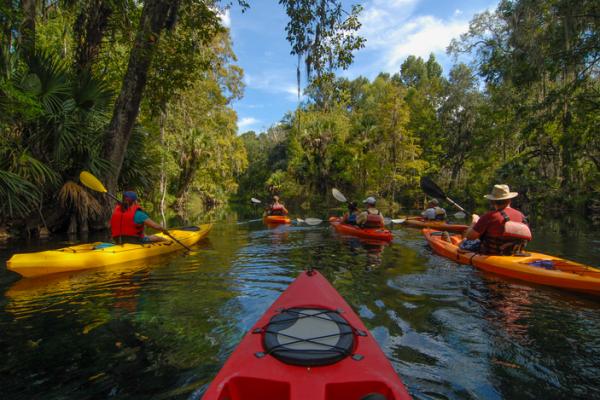
Family Friendly Adventures
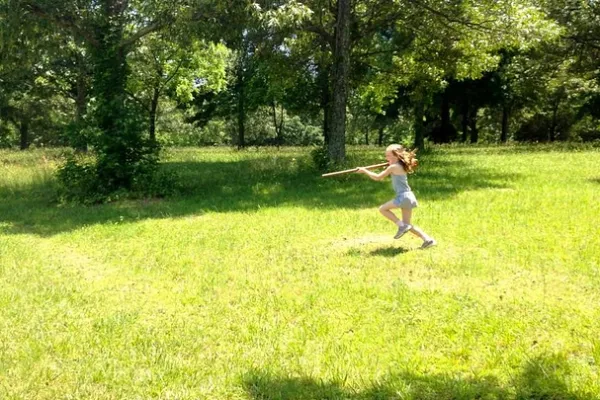
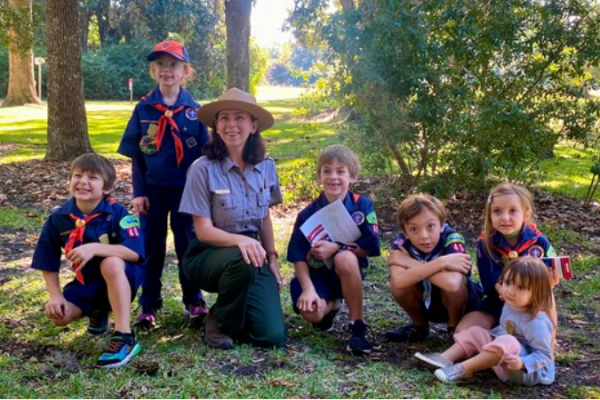
Discover a part of our nation’s history at historic landmarks and events.

Liberty Trail History Makers
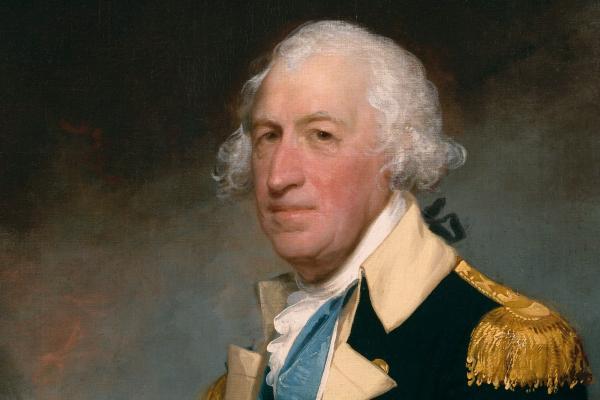
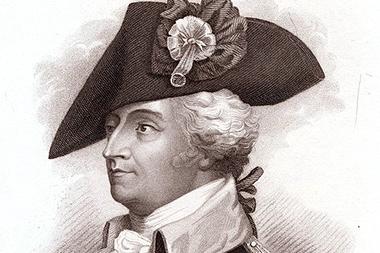
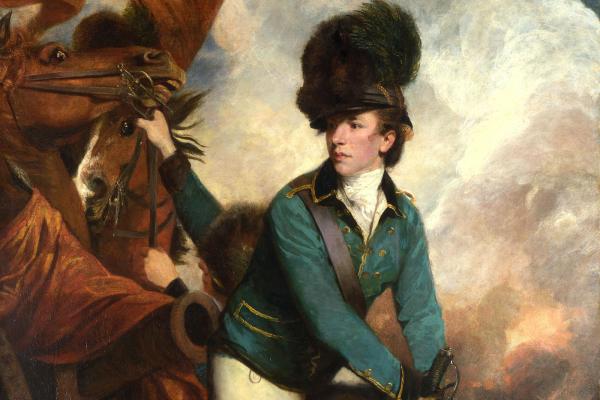
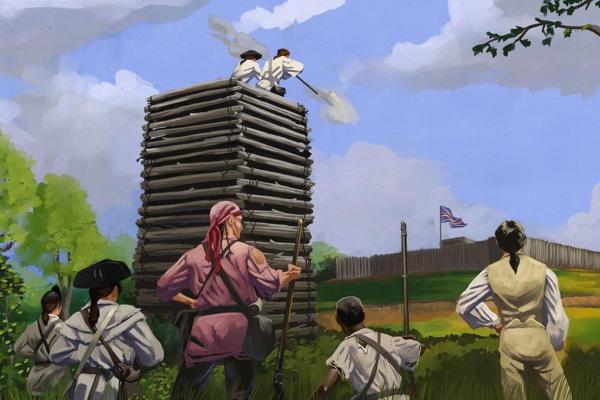
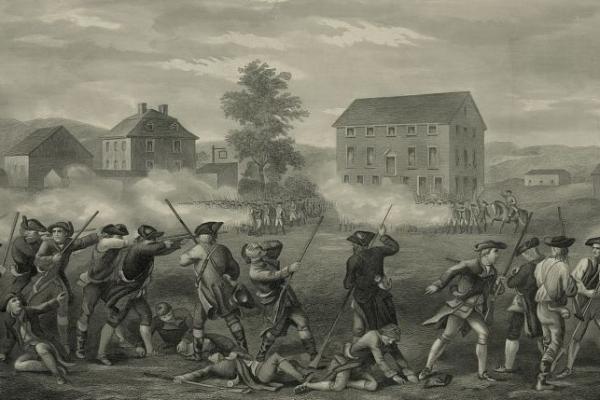
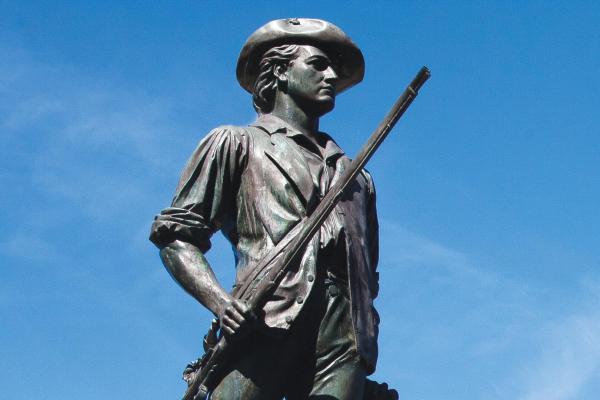
The Revolutionary War was a war unlike any other — one of ideas and ideals, that shaped “the course of human events. Explore the history and personalities from this pivotal time in American history.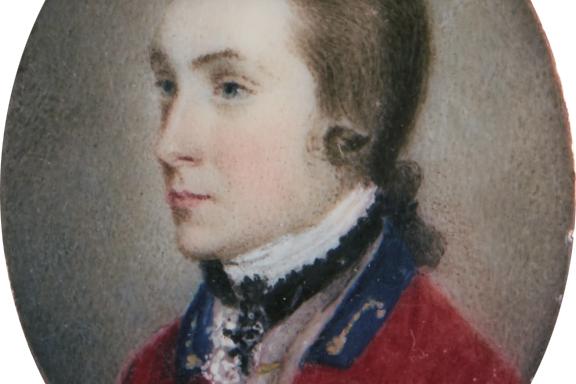
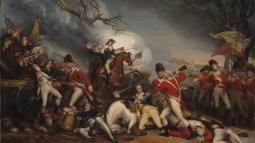
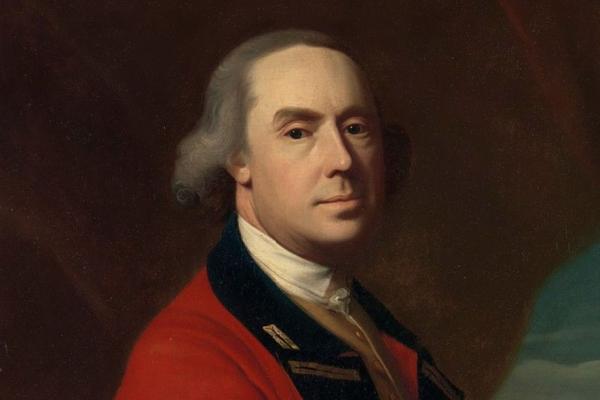
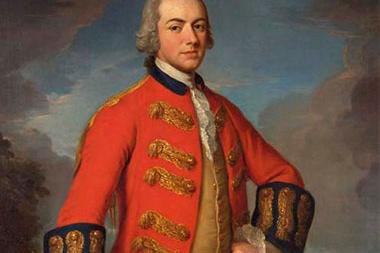
Born into Scottish nobility, William Leslie pursued a military career with the British Army, confident in his superiority over the American rebels. However, his life was cut short at the Battle of Princeton, where, despite his disdain for the revolutionaries, he was honored in death by none other than General George Washington and his old friend, Benjamin Rush.
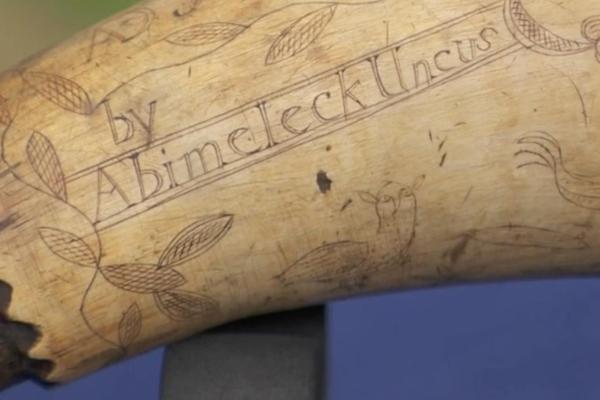
Abimeleck Uncus, a Mohegan Native American soldier in the Continental Army, served during the American Revolution, leaving behind a carved powder horn that commemorates his service at the Siege of Boston in 1775.
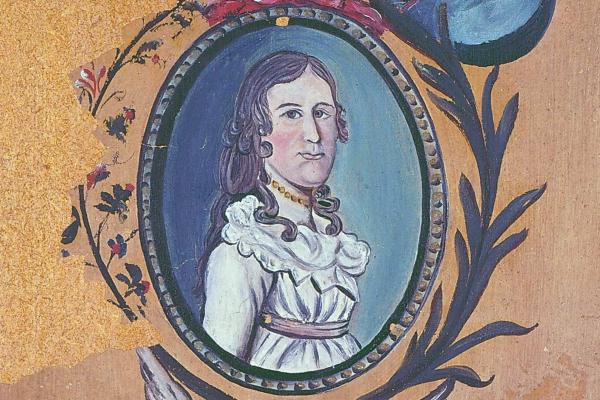
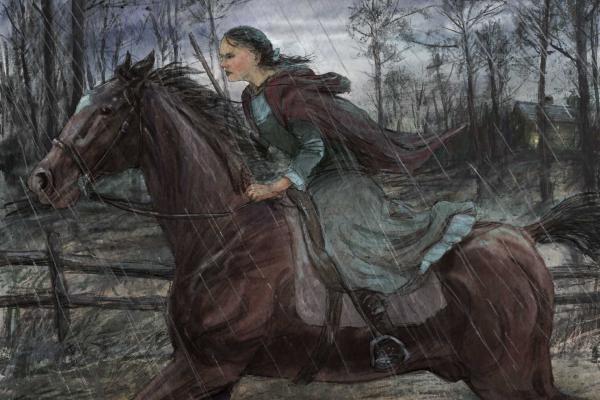
Disguised as a man, Sampson served in the Continental Army during the Revolutionary War, enduring injuries and maintaining her secret identity until 1783, and later became a public figure advocating for veterans' pensions.
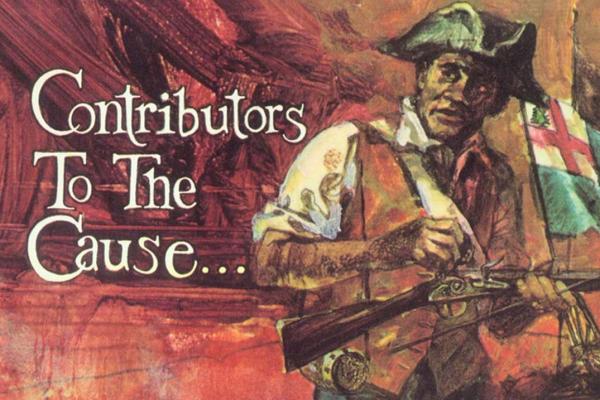
A former slave who fought heroically at Bunker Hill, Poor served throughout the Revolutionary War and earned recognition for his bravery.