
The Liberty Trail
- parking
- accessible_parking
- wheelchair_accessible
- restrooms
- wifi







- restrooms
- wheelchair_accessible

- parking
- accessible_parking
- wheelchair_accessible
- restrooms



- parking
- accessible_parking
- wheelchair_accessible
- restrooms


- parking
- accessible_parking
- wheelchair_accessible
- pet_friendly


- wifi
- parking
- restrooms
- wheelchair_accessible




- parking
- accessible_parking
- wheelchair_accessible
- pet_friendly




- parking
- accessible_parking
- wheelchair_accessible
- restrooms
- wifi

- parking
- restrooms
- pet_friendly

- parking
- accessible_parking
- wheelchair_accessible
- restrooms
- wifi






- parking
- accessible_parking
- wheelchair_accessible



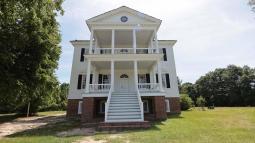
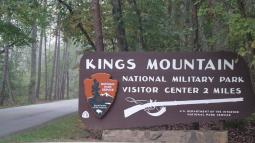
- parking
- restrooms
- wheelchair_accessible
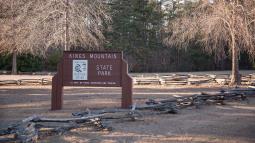
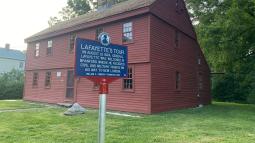





- parking
- accessible_parking
- restrooms
- pet_friendly

- parking
- accessible_parking
- wheelchair_accessible
- restrooms



- parking
- accessible_parking
- wheelchair_accessible
- restrooms
- wifi
- parking
- accessible_parking
- wheelchair_accessible
- restrooms
- wifi

- parking
- wheelchair_accessible
- restrooms
- pet_friendly







- parking
- restrooms
- wheelchair_accessible



































- parking
- accessible_parking
- restrooms
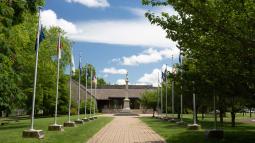

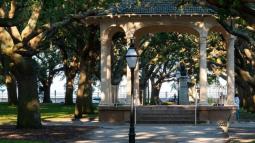
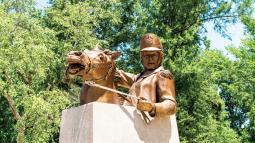

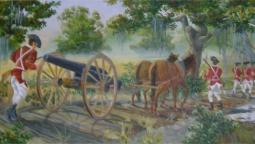
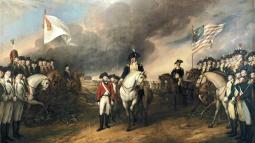
Explore the many guided tours of The Liberty Trail
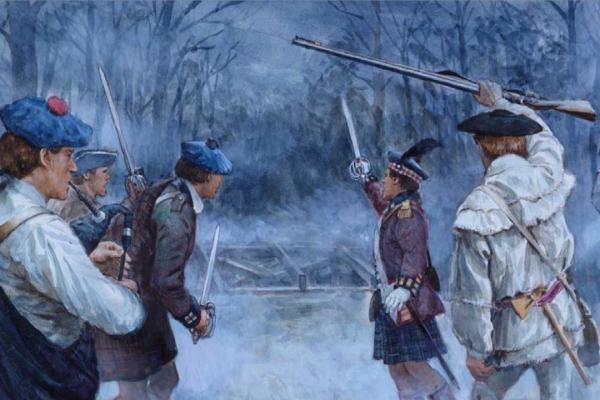
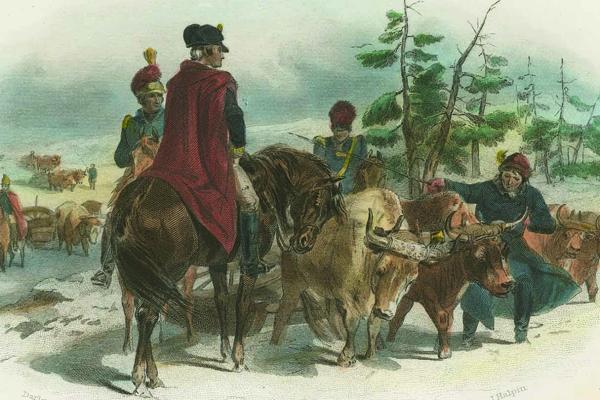

This Day on the Liberty Trail
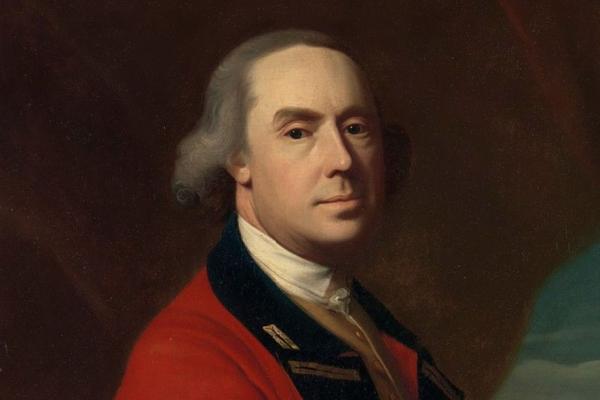
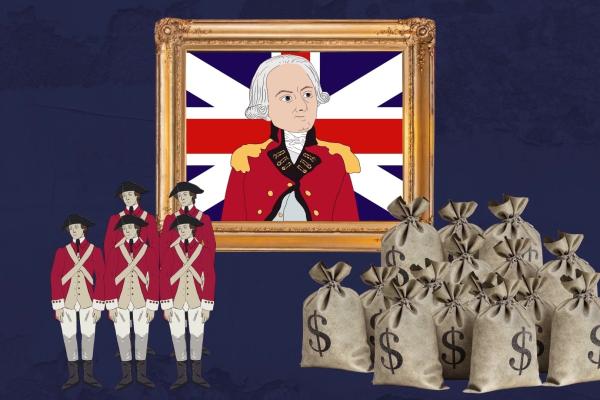

Uncovering History
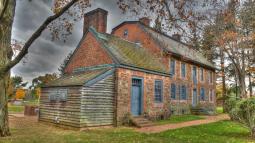
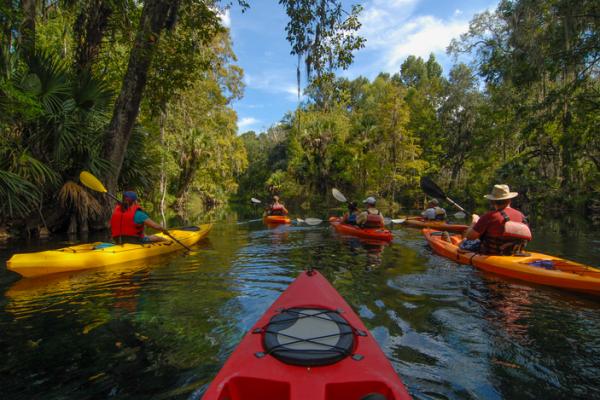
We invite you to visit the preserved locations along the Liberty Trail and to immerse
yourself in the extraordinary events that determined the fate of a nation.
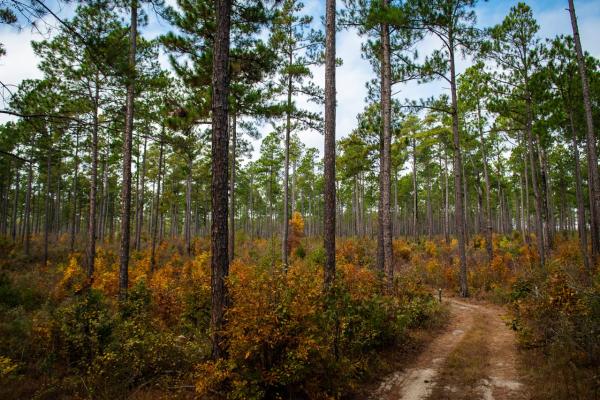
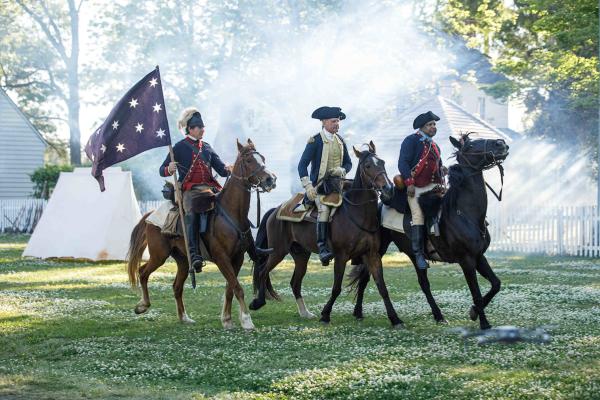
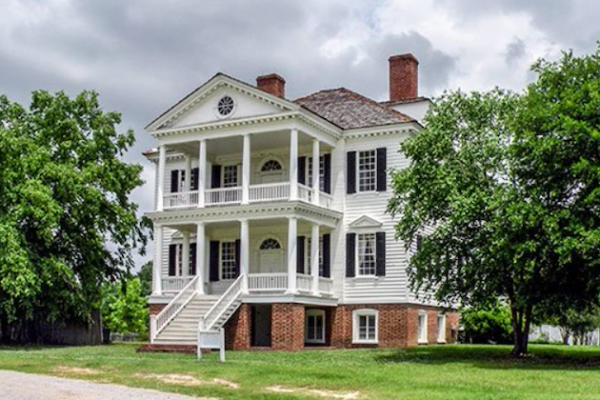


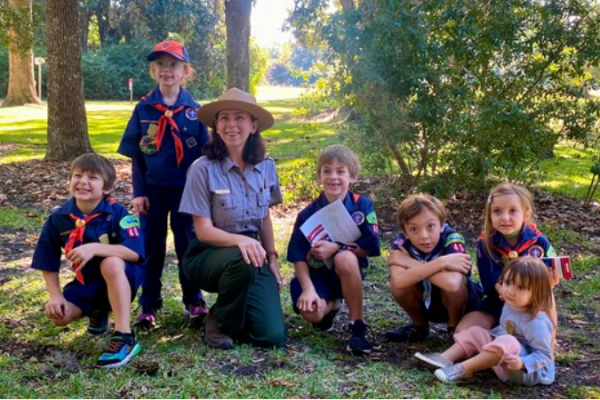
Family Friendly Adventures
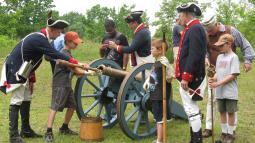
Discover a part of our nation’s history at historic landmarks and events.


Liberty Trail History Makers
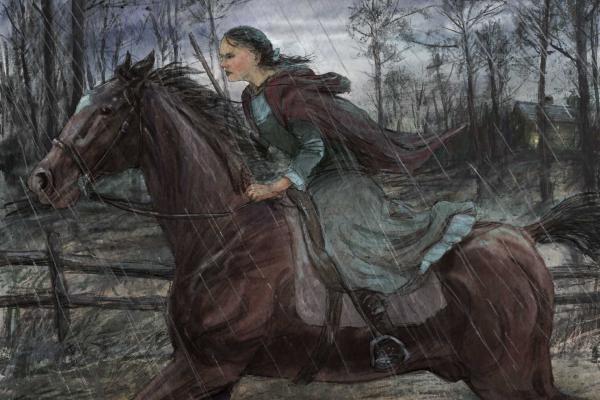
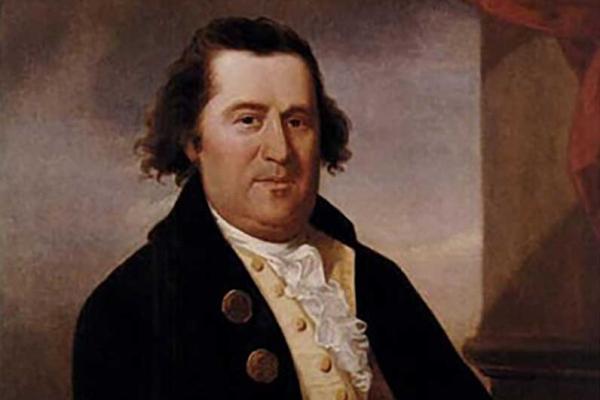
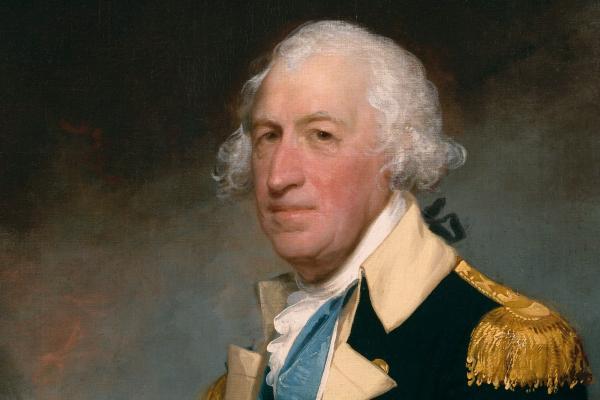
The Revolutionary War was a war unlike any other — one of ideas and ideals, that shaped “the course of human events. Explore the history and personalities from this pivotal time in American history.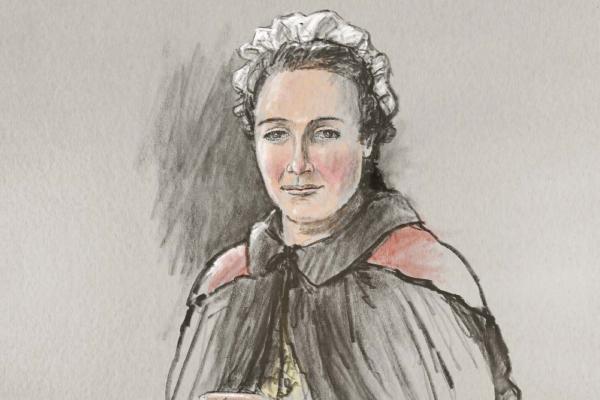
Lucy Flucker Knox defied her family to marry Henry Knox and supported him through the Revolution, balancing life as a military wife and mother. Her story highlights women's overlooked role in early American history.

Colonel Henry Rugeley was a prominent South Carolina Tory who earned a commission in the British army after the siege of Charleston in 1780.
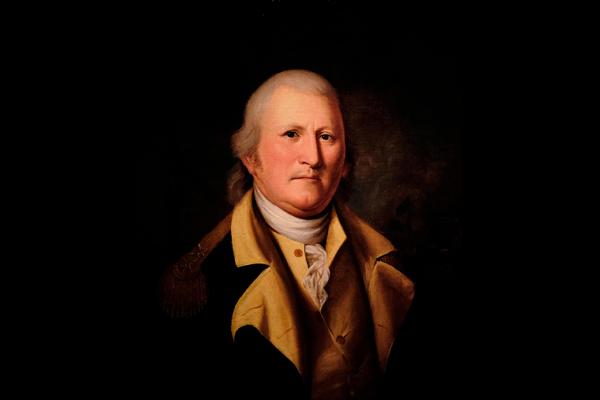
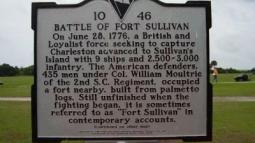
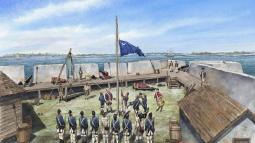
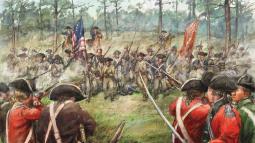
On June 28, 1776, the British attacked Sullivan’s Island. Against impossible odds and outnumbered 2,200 British troops to 435 soldiers within the fort, Moultrie successfully prevented land and sea invasions of Charleston. The British retreated to New York and would not return to South Carolina until 1780.
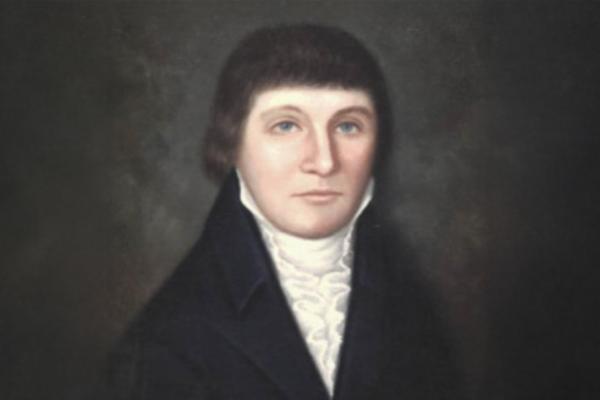
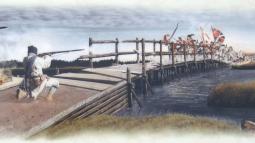
Once a lawyer and surveyor who fought for the royal governor at Alamance, Richard Caswell reinvented himself as a leading Patriot of the American Revolution. After commanding the decisive victory at Moore’s Creek Bridge, he rose to govern North Carolina and later served again despite suffering defeat with Gates’s army at Camden.