The Liberty Trail
- parking
- accessible_parking
- wheelchair_accessible
- restrooms
- wifi
- restrooms
- wheelchair_accessible
- parking
- accessible_parking
- wheelchair_accessible
- restrooms

- parking
- accessible_parking
- wheelchair_accessible
- restrooms
- parking
- accessible_parking
- wheelchair_accessible
- pet_friendly
- wifi
- parking
- restrooms
- wheelchair_accessible

- parking
- accessible_parking
- wheelchair_accessible
- pet_friendly
- parking
- accessible_parking
- wheelchair_accessible
- restrooms
- wifi
- parking
- restrooms
- pet_friendly

- parking
- accessible_parking
- wheelchair_accessible
- restrooms
- wifi
- parking
- accessible_parking
- wheelchair_accessible

- parking
- restrooms
- wheelchair_accessible


- parking
- accessible_parking
- restrooms
- pet_friendly
- parking
- accessible_parking
- wheelchair_accessible
- restrooms
- parking
- accessible_parking
- wheelchair_accessible
- restrooms
- wifi
- parking
- accessible_parking
- wheelchair_accessible
- restrooms
- wifi
- parking
- wheelchair_accessible
- restrooms
- pet_friendly

- parking
- restrooms
- wheelchair_accessible
























- parking
- accessible_parking
- restrooms
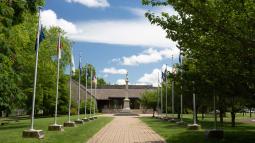
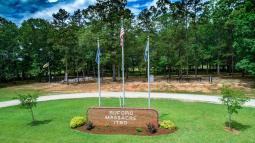
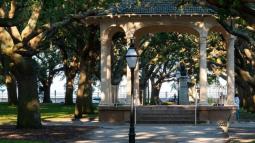
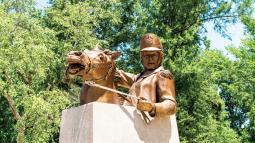
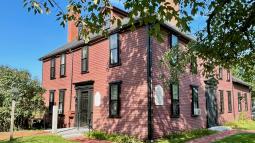
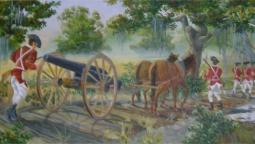
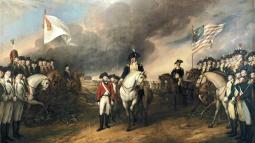
Explore the many guided tours of The Liberty Trail
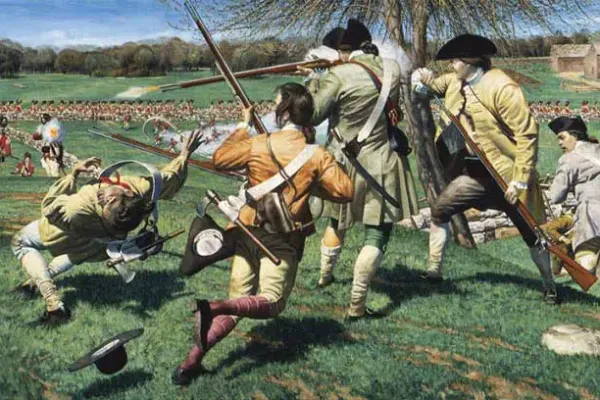
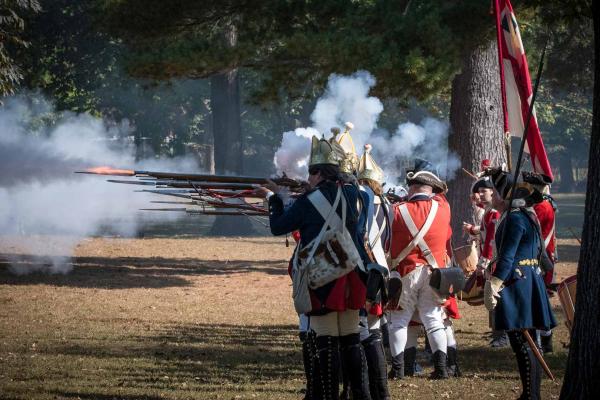
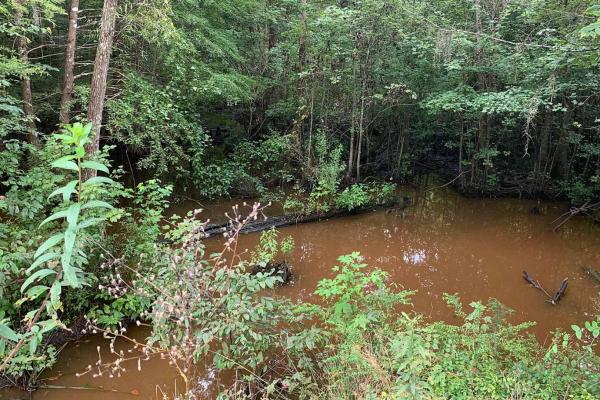
This Day on the Liberty Trail
Uncovering History
We invite you to visit the preserved locations along the Liberty Trail and to immerse
yourself in the extraordinary events that determined the fate of a nation.
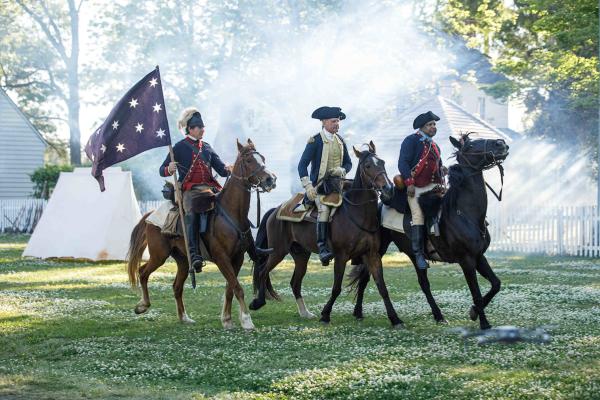
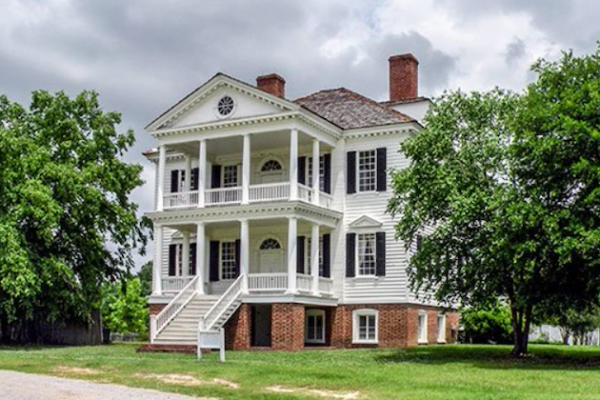
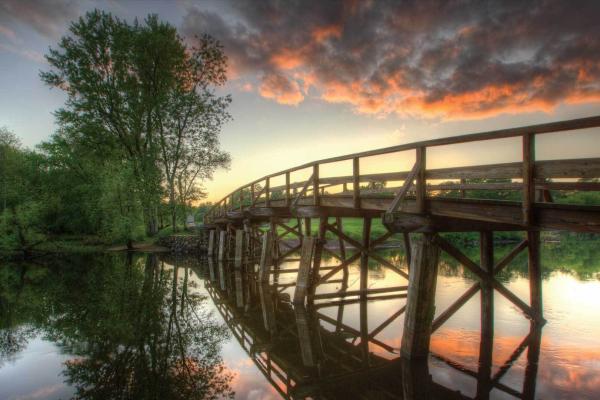

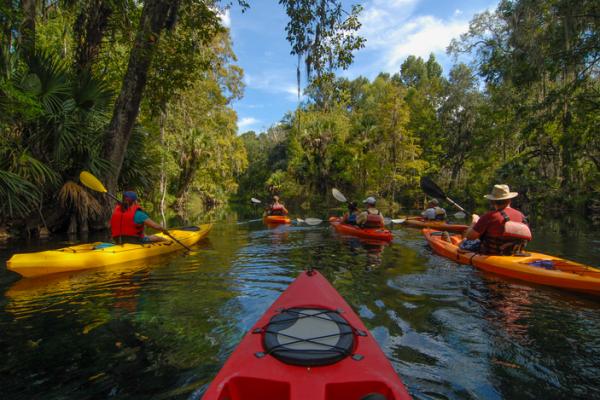
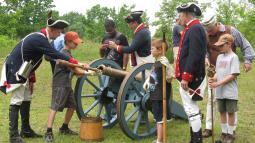
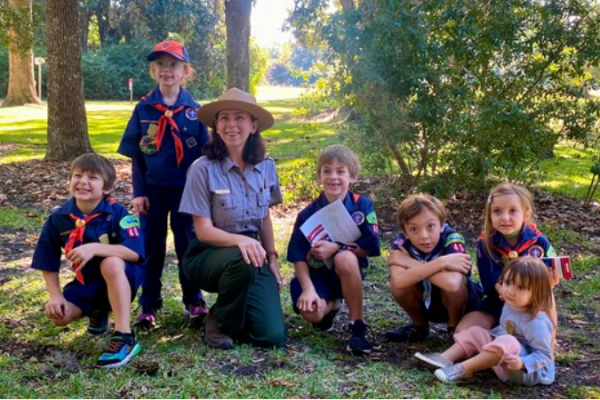
Family Friendly Adventures
Discover a part of our nation’s history at historic landmarks and events.

Liberty Trail History Makers
The Revolutionary War was a war unlike any other — one of ideas and ideals, that shaped “the course of human events. Explore the history and personalities from this pivotal time in American history.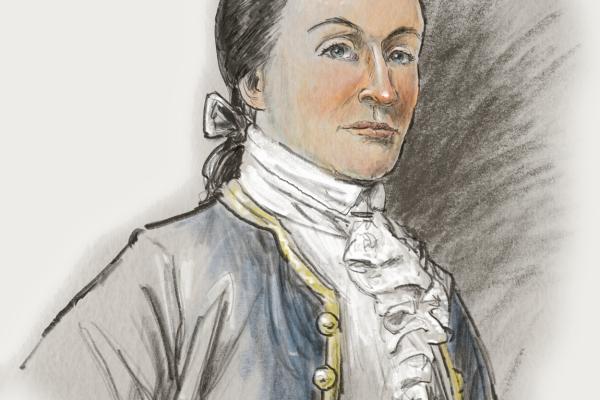
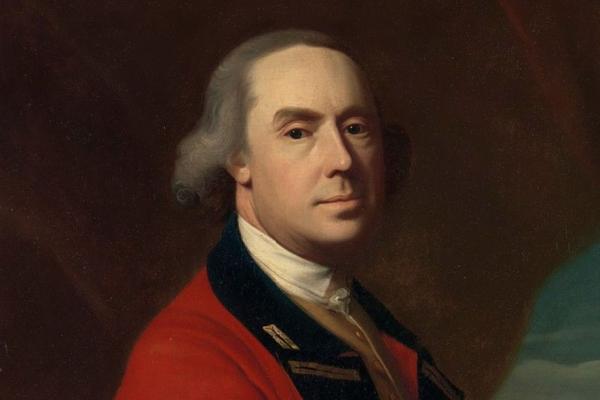
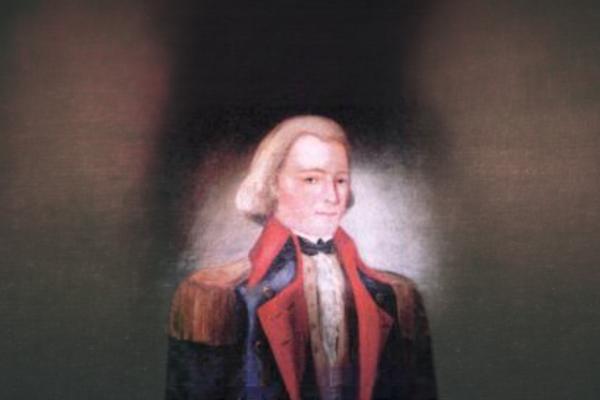
Though his Quaker faith precluded him from taking up arms, Lushington made the decision to join the Patriot cause and fight against the British during the American Revolution. Largely an outsider, joining the army may have been a means for Lushington to gain further acceptance within Charleston's social elite.
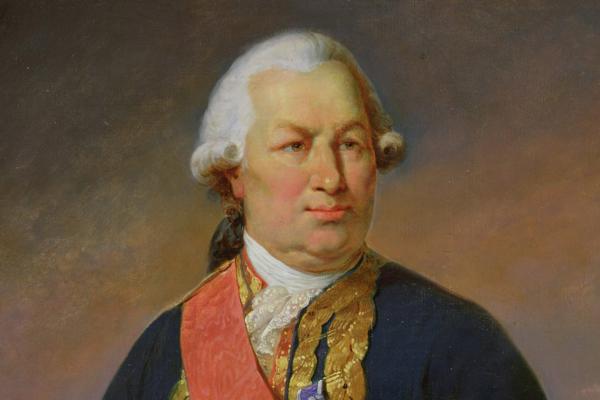
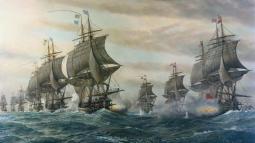
In the final years of the Revolution, the Comte de Grasse aided the American cause through the disruption of the British Navy's supply lines.
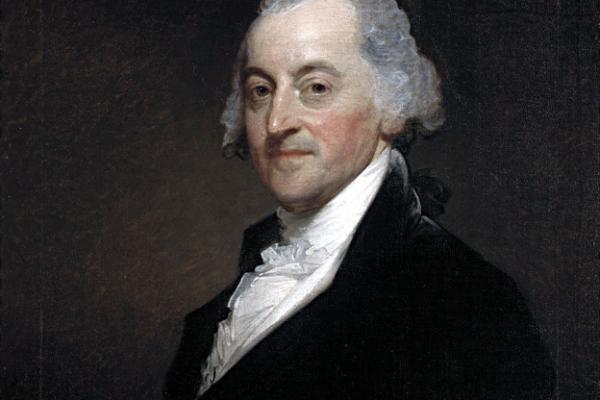
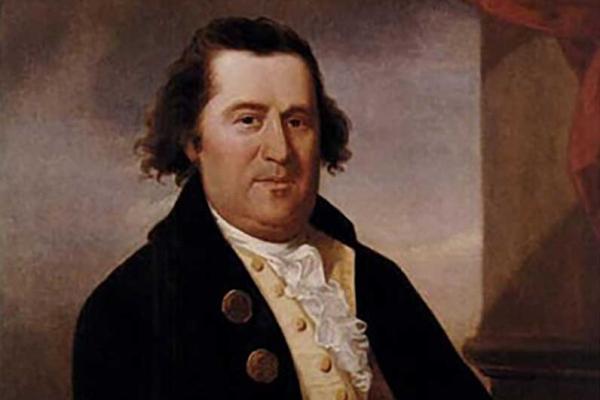
Colonel Samuel Griffin, a Virginia lawyer and officer in the Continental Army, played a key role in the 1776 campaign, leading militia units in New Jersey and engaging the Hessians near Mount Holly. Stricken by illness during critical battles, he later served as mayor of Williamsburg and a U.S. congressman after the war.
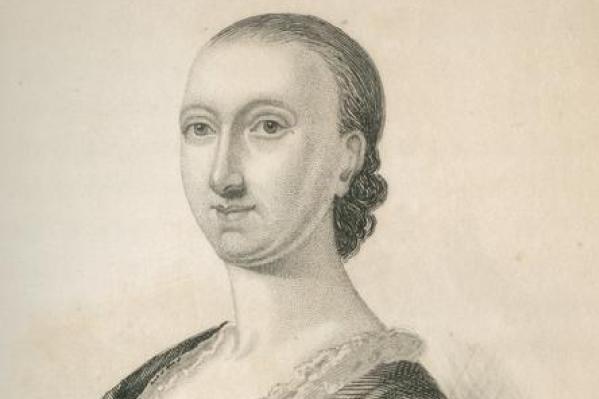
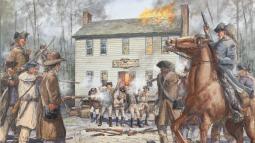
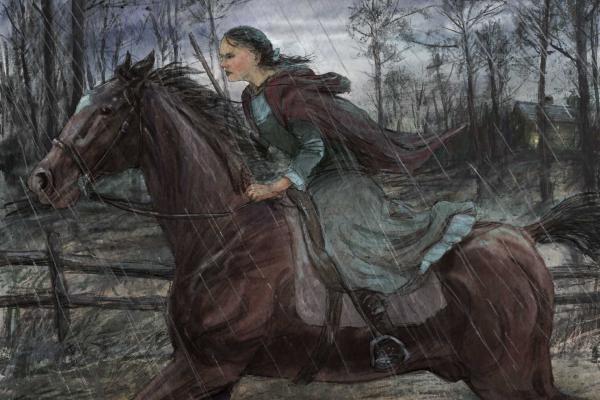
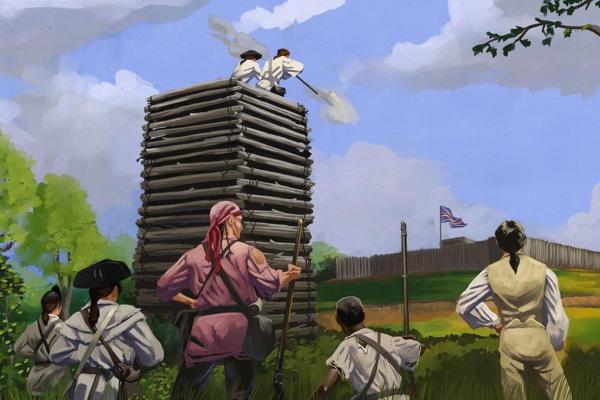
Rebecca Brewton Motte supported the Patriot cause by allowing her plantation to be used in a siege, even offering a bow to set her house on fire, which led to the British surrender at Fort Motte.