The Liberty Trail
- parking
- accessible_parking
- wheelchair_accessible
- restrooms
- wifi

- restrooms
- wheelchair_accessible
- parking
- accessible_parking
- wheelchair_accessible
- restrooms

- parking
- accessible_parking
- wheelchair_accessible
- restrooms
- parking
- accessible_parking
- wheelchair_accessible
- pet_friendly
- wifi
- parking
- restrooms
- wheelchair_accessible

- parking
- accessible_parking
- wheelchair_accessible
- pet_friendly
- parking
- accessible_parking
- wheelchair_accessible
- restrooms
- wifi
- parking
- restrooms
- pet_friendly

- parking
- accessible_parking
- wheelchair_accessible
- restrooms
- wifi

- parking
- accessible_parking
- wheelchair_accessible

- parking
- restrooms
- wheelchair_accessible

- parking
- accessible_parking
- restrooms
- pet_friendly
- parking
- accessible_parking
- wheelchair_accessible
- restrooms
- parking
- accessible_parking
- wheelchair_accessible
- restrooms
- wifi
- parking
- accessible_parking
- wheelchair_accessible
- restrooms
- wifi
- parking
- wheelchair_accessible
- restrooms
- pet_friendly

- parking
- restrooms
- wheelchair_accessible





















- parking
- accessible_parking
- restrooms
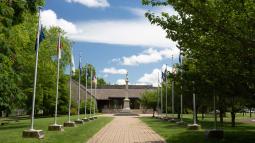
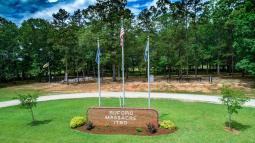
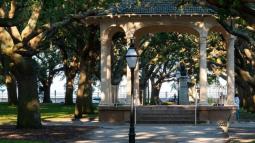
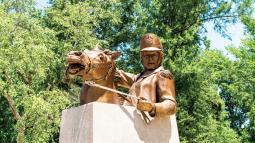
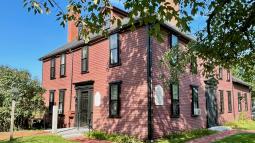
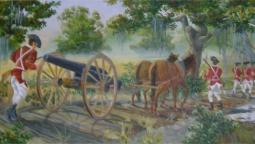
Explore the many guided tours of The Liberty Trail
This Day on the Liberty Trail
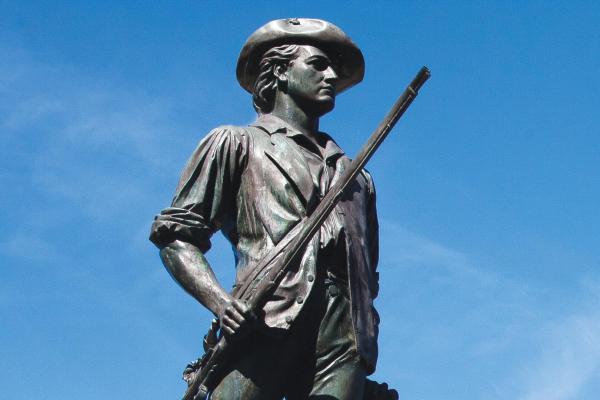
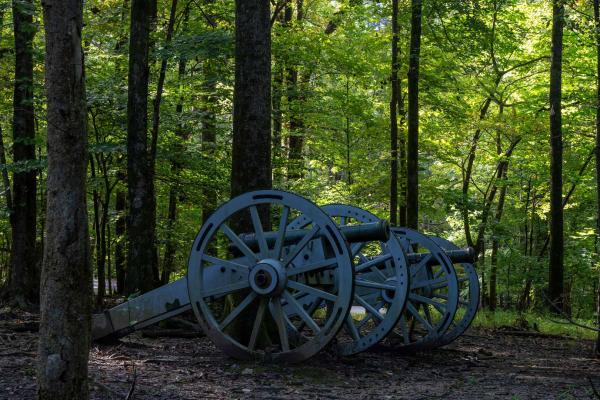

Uncovering History
We invite you to visit the preserved locations along the Liberty Trail and to immerse
yourself in the extraordinary events that determined the fate of a nation.
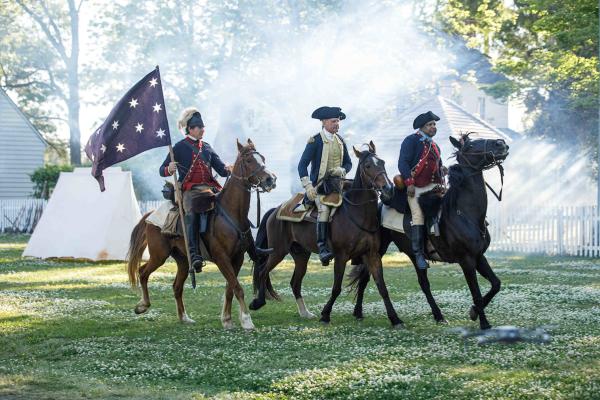
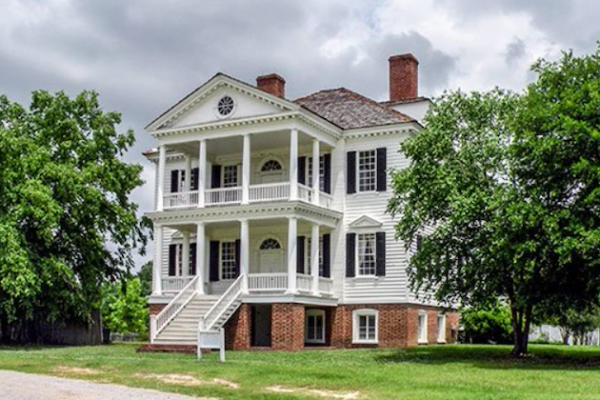
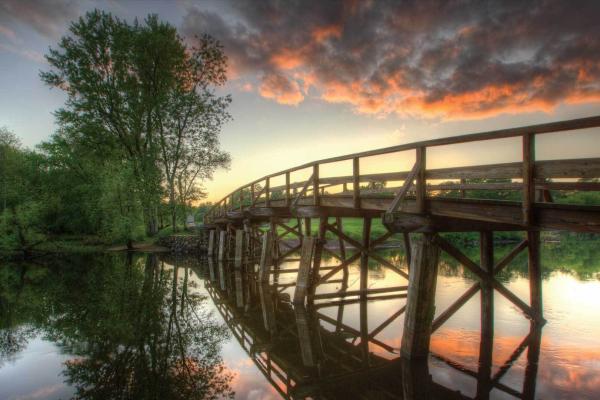
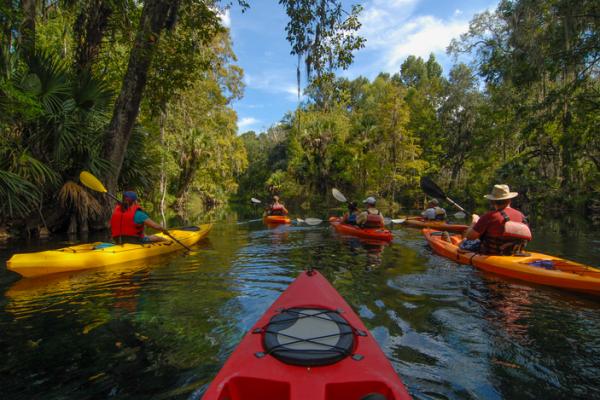
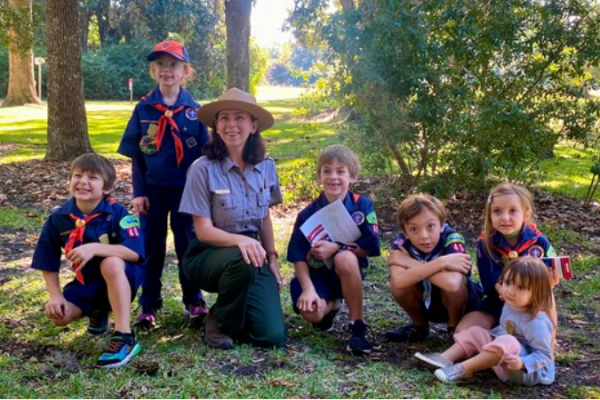
Family Friendly Adventures
Discover a part of our nation’s history at historic landmarks and events.

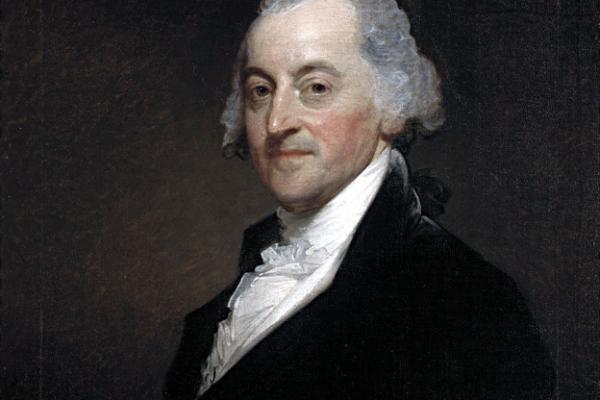
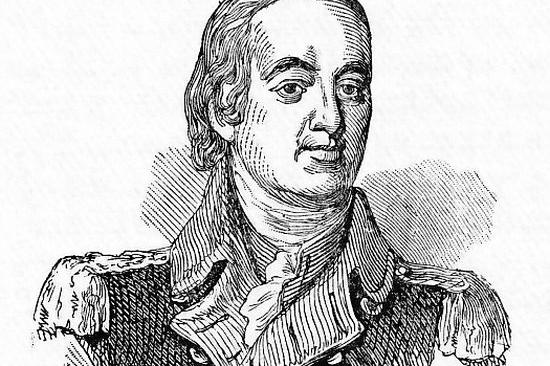
Liberty Trail History Makers
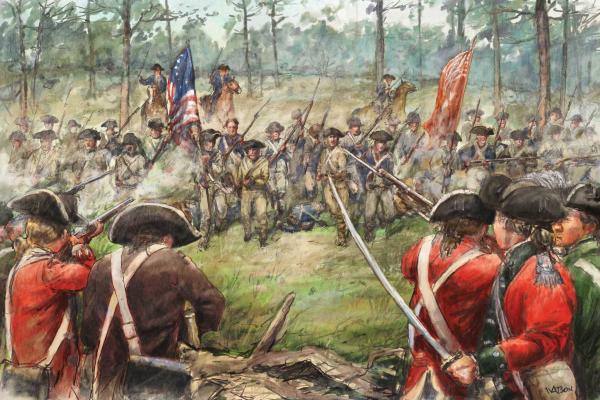
The Revolutionary War was a war unlike any other — one of ideas and ideals, that shaped “the course of human events. Explore the history and personalities from this pivotal time in American history.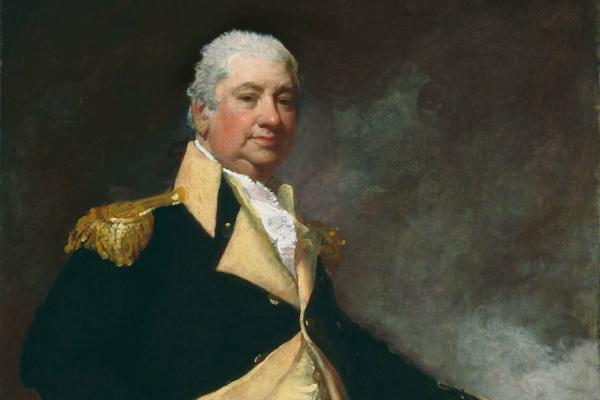
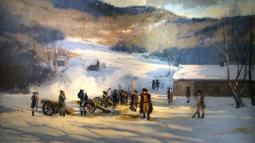
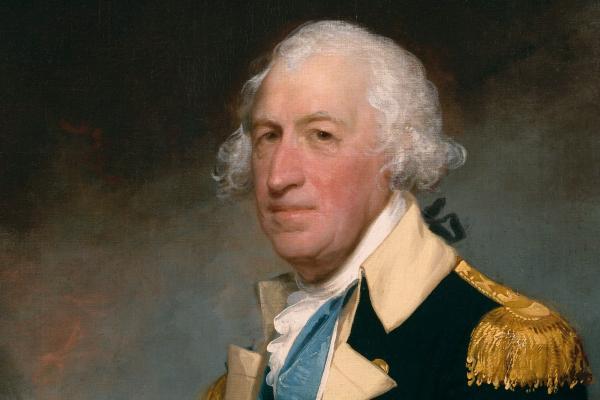
A self-educated bookseller and artillery expert, Knox led artillery efforts that forced the British to evacuate Boston and later serving as a trusted officer under General Washington and the first U.S. Secretary of War.
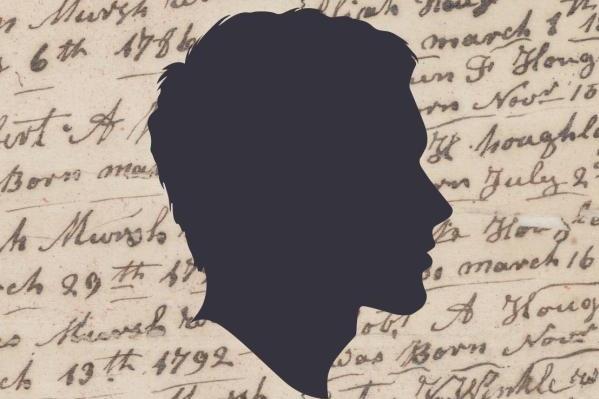
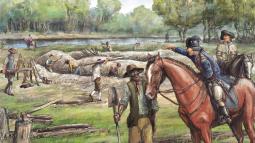
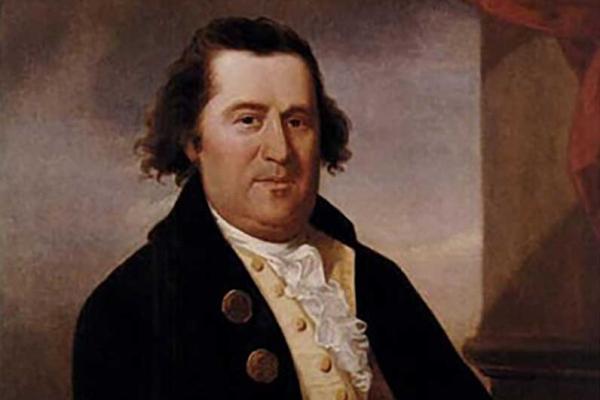
Robert Mursh, a Pamunkey Indian and Continental Army soldier, fought in key Revolutionary War battles and later became a Christian pastor in South Carolina, with his service documented in his 1820 pension application.

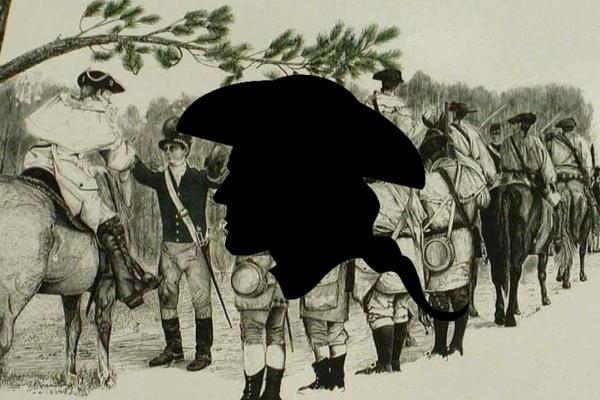
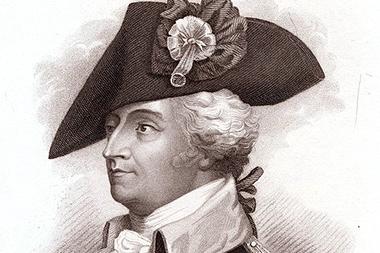
A former Revolutionary War captain, he led Shays' Rebellion in protest of economic hardships and oppressive taxation, which ultimately exposed the weaknesses of the Articles of Confederation and influenced the ratification of the U.S. Constitution.
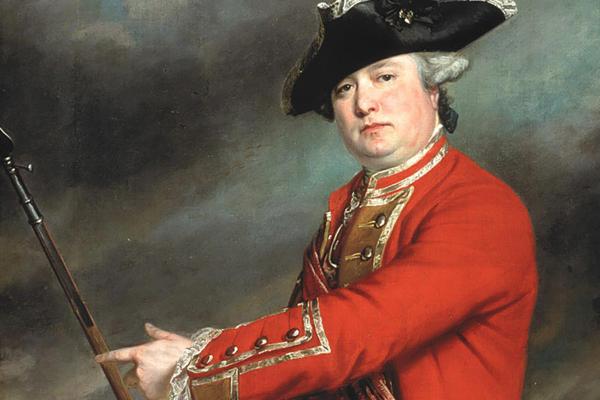
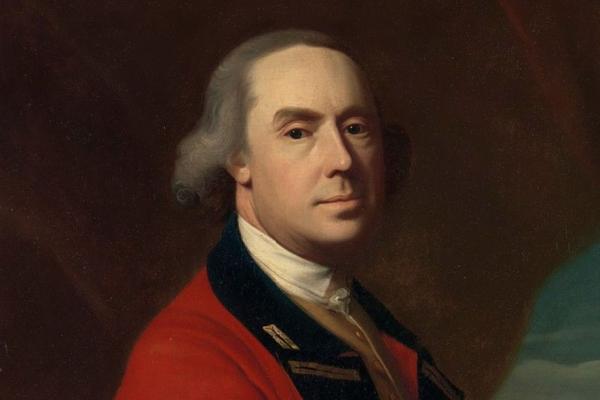
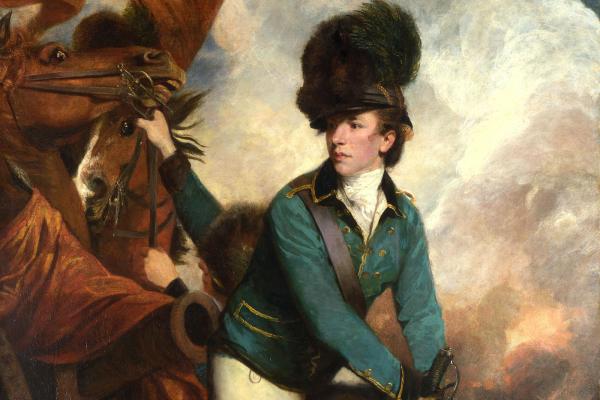
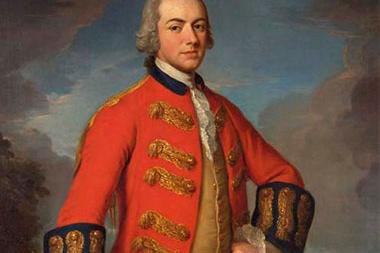
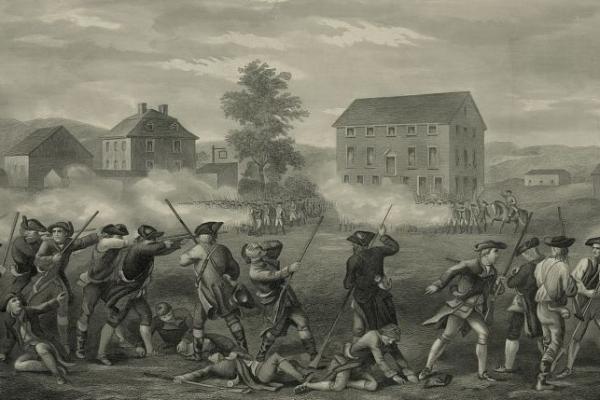
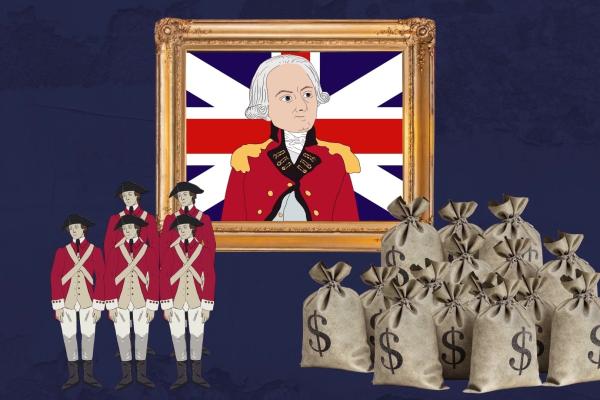
A British officer who led the troops during the April 1775 march to Lexington and Concord, Smith is remembered for commanding the British forces in the opening battles of the American Revolution, facing both praise and criticism for his actions.