The Liberty Trail
- parking
- accessible_parking
- wheelchair_accessible
- restrooms
- wifi
- restrooms
- wheelchair_accessible
- parking
- accessible_parking
- wheelchair_accessible
- restrooms

- parking
- accessible_parking
- wheelchair_accessible
- restrooms
- parking
- accessible_parking
- wheelchair_accessible
- pet_friendly
- wifi
- parking
- restrooms
- wheelchair_accessible
- parking
- accessible_parking
- wheelchair_accessible
- pet_friendly
- parking
- accessible_parking
- wheelchair_accessible
- restrooms
- wifi
- parking
- restrooms
- pet_friendly

- parking
- accessible_parking
- wheelchair_accessible
- restrooms
- wifi
- parking
- accessible_parking
- wheelchair_accessible

- parking
- restrooms
- wheelchair_accessible

- parking
- accessible_parking
- restrooms
- pet_friendly
- parking
- accessible_parking
- wheelchair_accessible
- restrooms
- parking
- accessible_parking
- wheelchair_accessible
- restrooms
- wifi
- parking
- accessible_parking
- wheelchair_accessible
- restrooms
- wifi
- parking
- wheelchair_accessible
- restrooms
- pet_friendly
- parking
- restrooms
- wheelchair_accessible

- parking
- accessible_parking
- restrooms
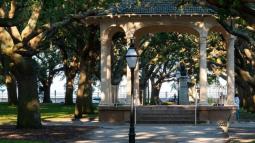
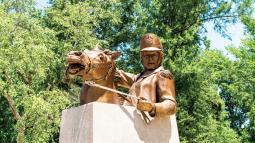
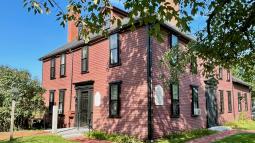
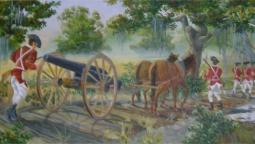
Explore the many guided tours of The Liberty Trail
This Day on the Liberty Trail
Uncovering History
We invite you to visit the preserved locations along the Liberty Trail and to immerse
yourself in the extraordinary events that determined the fate of a nation.
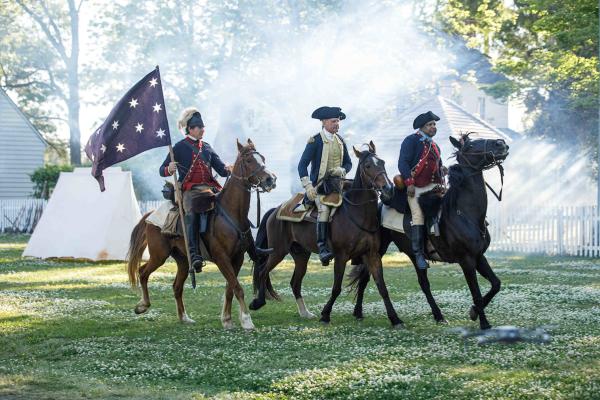
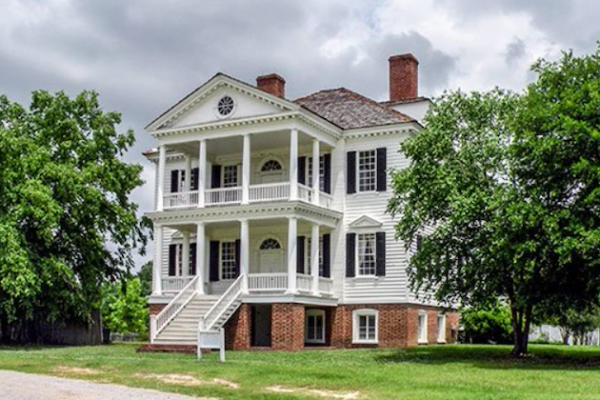
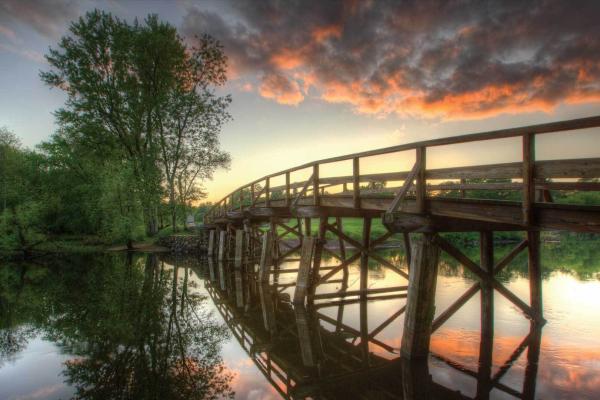
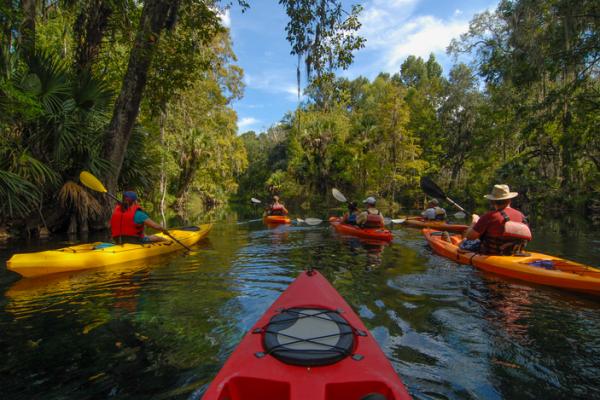
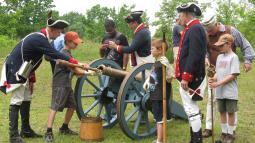
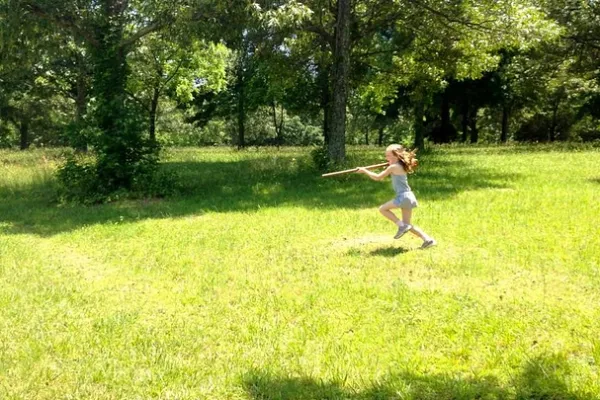
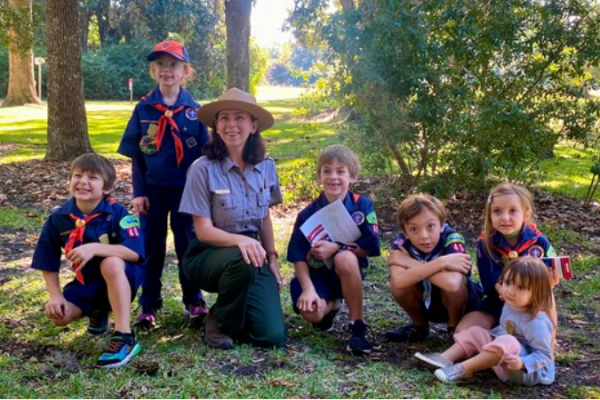
Family Friendly Adventures
Discover a part of our nation’s history at historic landmarks and events.
Liberty Trail History Makers
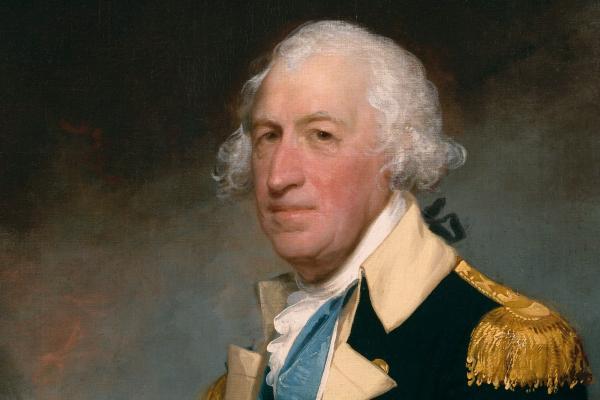
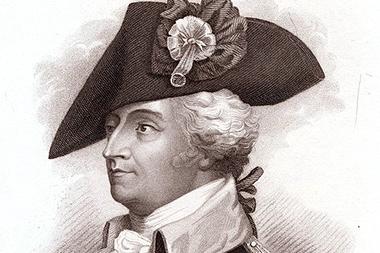
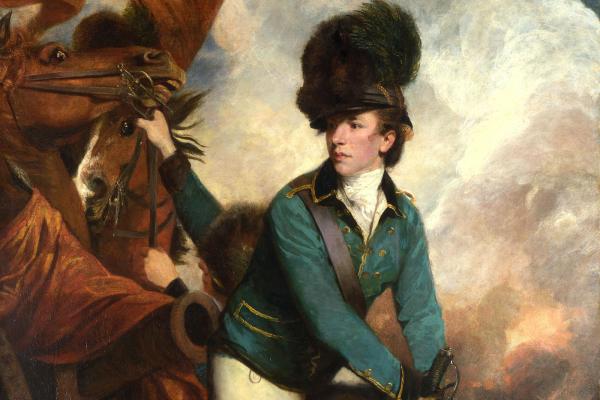
The Revolutionary War was a war unlike any other — one of ideas and ideals, that shaped “the course of human events. Explore the history and personalities from this pivotal time in American history.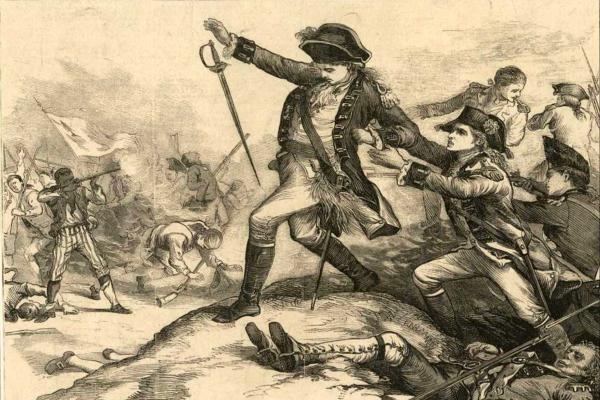
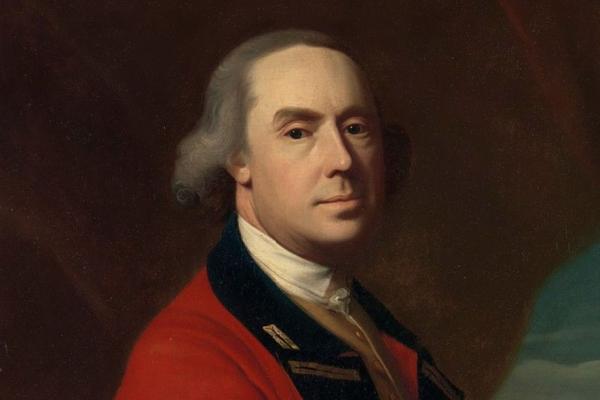
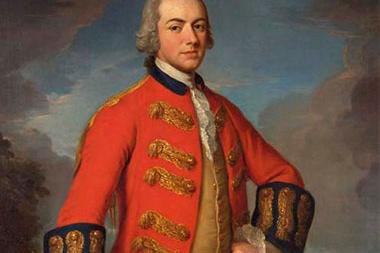
A British officer, Pitcairn led troops at Lexington and Concord, then commanded a reserve force at Bunker Hill. He was wounded multiple times during the battle and died later from his injuries.
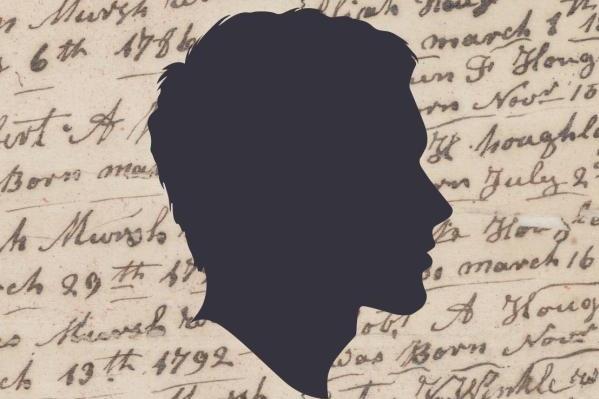
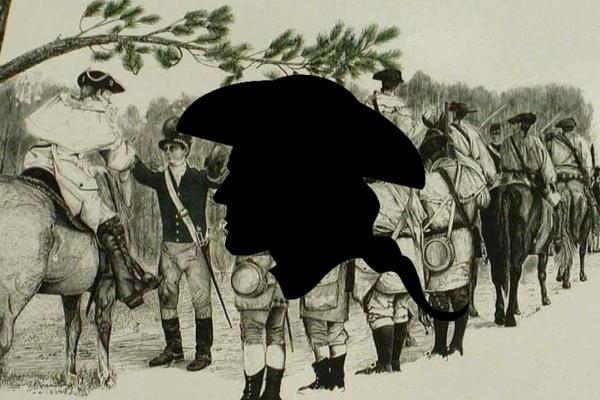
Robert Mursh, a Pamunkey Indian and Continental Army soldier, fought in key Revolutionary War battles and later became a Christian pastor in South Carolina, with his service documented in his 1820 pension application.
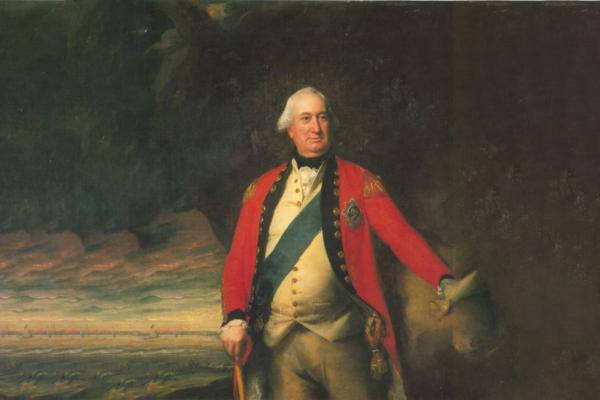
In 1779, after a stalemate in the north, Cornwallis went south as second in command to Sir Henry Clinton. Clinton captured Charleston in May 1780. Cornwallis pressed on to defeat General Horatio Gates at Camden, South Carolina, on August 16, 1780.
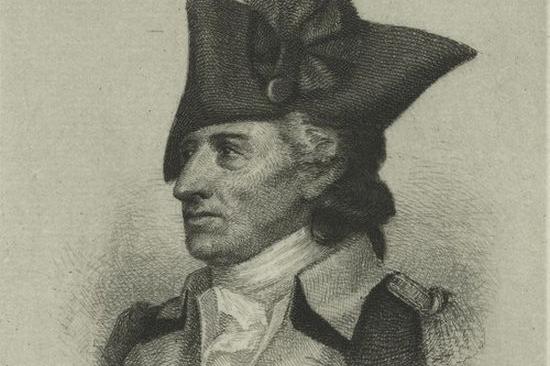
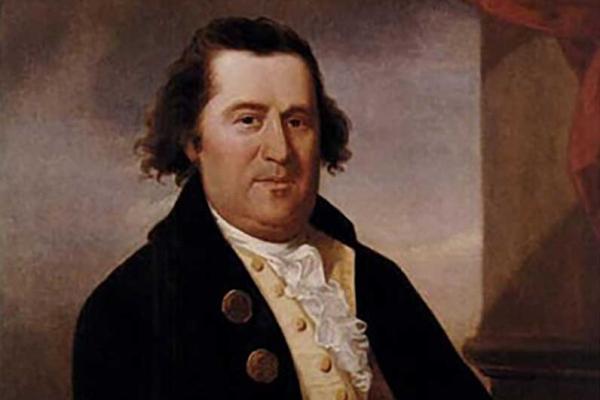
George Weedon, a Virginia officer in the French and Indian War and the American Revolution, played pivotal roles at Trenton and Yorktown. Known for his leadership and his tavern as a revolutionary meeting spot, he remained influential in post-war Virginia until his death in 1793.