
The Liberty Trail

- parking
- accessible_parking
- wheelchair_accessible
- restrooms
- wifi





- restrooms
- wheelchair_accessible

- parking
- accessible_parking
- wheelchair_accessible
- restrooms




- parking
- accessible_parking
- wheelchair_accessible
- restrooms

- parking
- accessible_parking
- wheelchair_accessible
- pet_friendly



- wifi
- parking
- restrooms
- wheelchair_accessible




- parking
- accessible_parking
- wheelchair_accessible
- pet_friendly




- parking
- accessible_parking
- wheelchair_accessible
- restrooms
- wifi

- parking
- restrooms
- pet_friendly

- parking
- accessible_parking
- wheelchair_accessible
- restrooms
- wifi



- parking
- accessible_parking
- wheelchair_accessible


- parking
- restrooms
- wheelchair_accessible





- parking
- accessible_parking
- restrooms
- pet_friendly

- parking
- accessible_parking
- wheelchair_accessible
- restrooms




- parking
- accessible_parking
- wheelchair_accessible
- restrooms
- wifi
- parking
- accessible_parking
- wheelchair_accessible
- restrooms
- wifi

- parking
- wheelchair_accessible
- restrooms
- pet_friendly





- parking
- restrooms
- wheelchair_accessible










































- parking
- accessible_parking
- restrooms
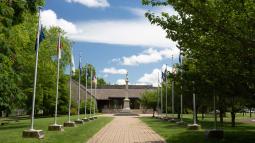



Explore the many guided tours of The Liberty Trail
This Day on the Liberty Trail
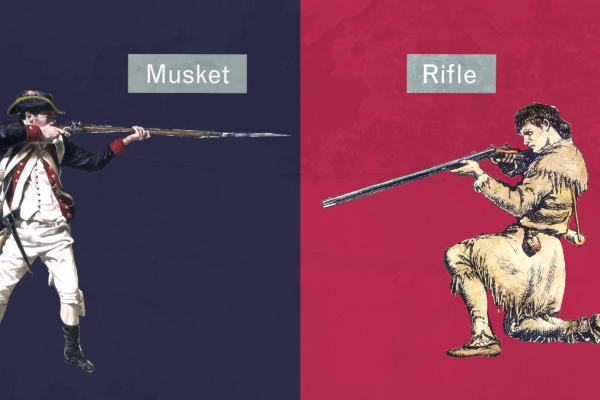
Uncovering History
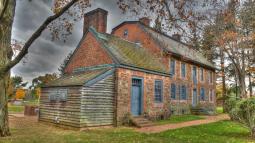
We invite you to visit the preserved locations along the Liberty Trail and to immerse
yourself in the extraordinary events that determined the fate of a nation.

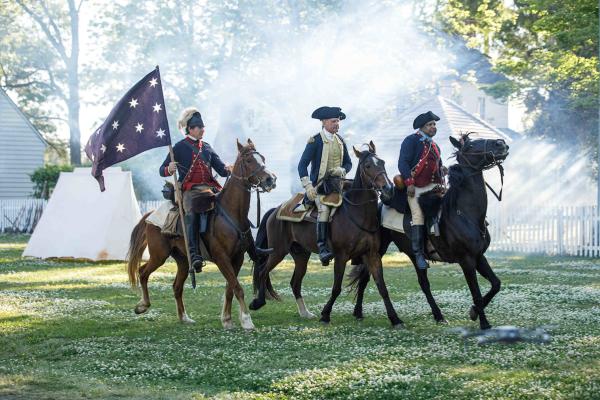
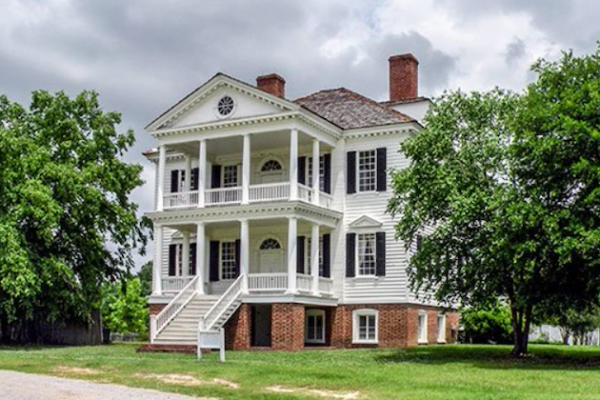



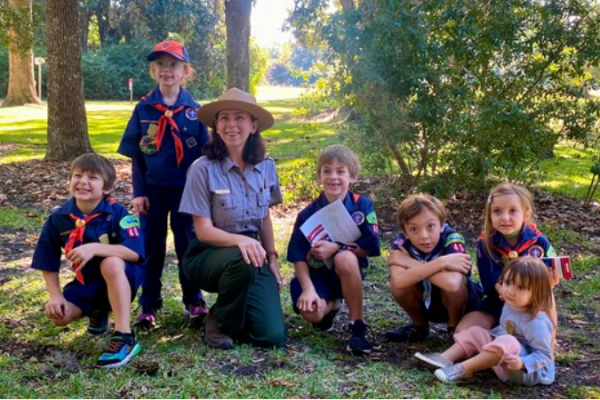
Family Friendly Adventures
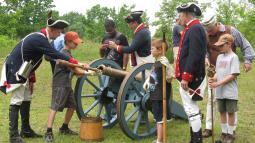
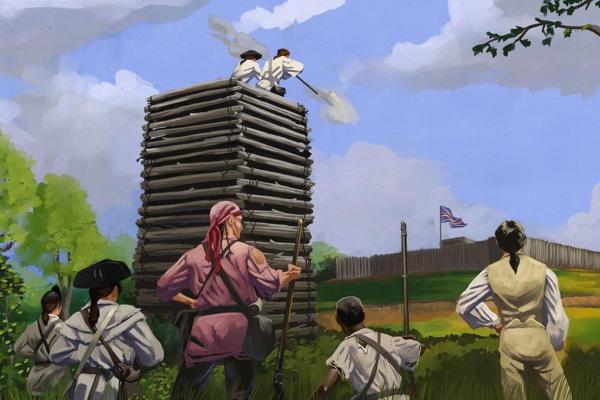
Discover a part of our nation’s history at historic landmarks and events.


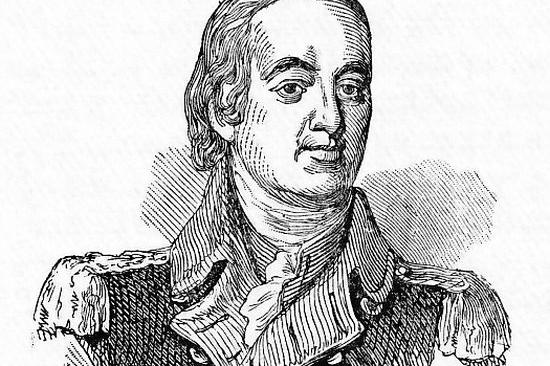
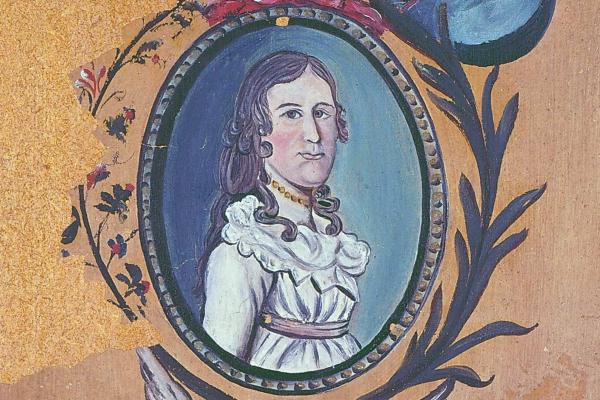
Liberty Trail History Makers
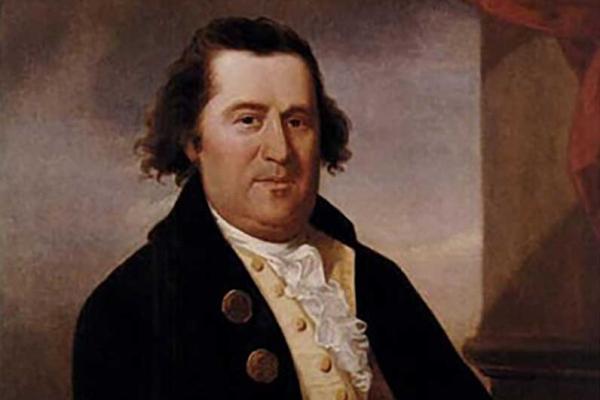
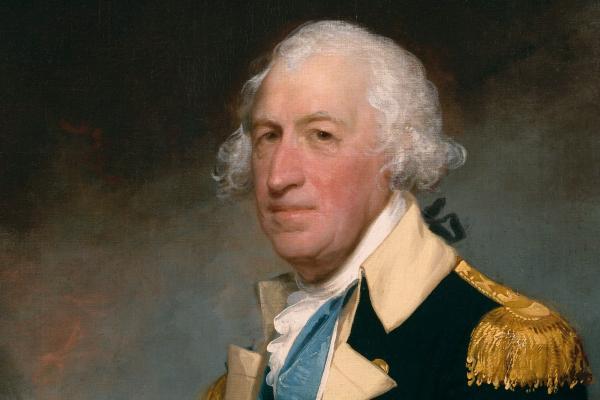
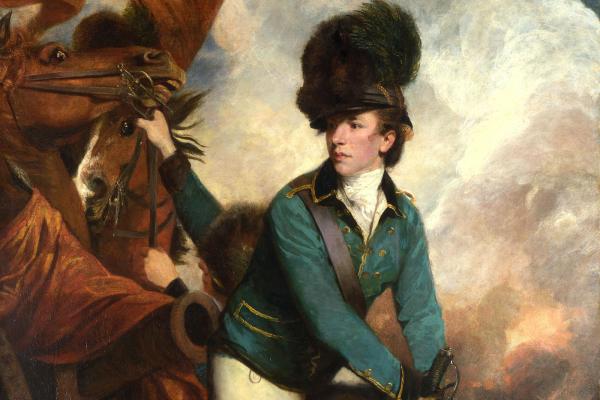
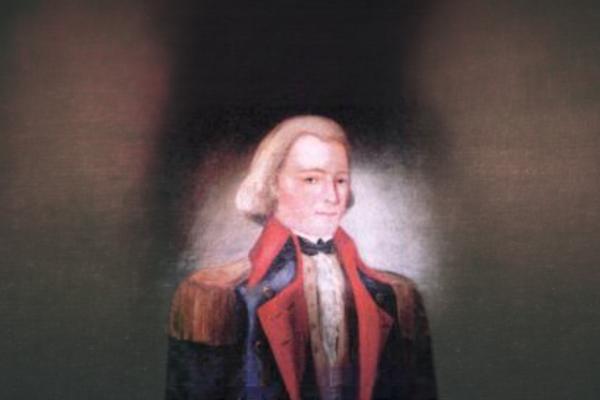
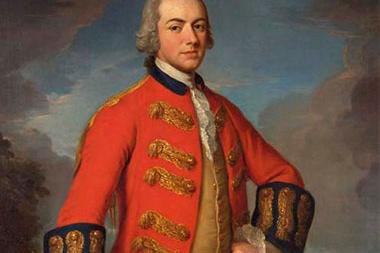
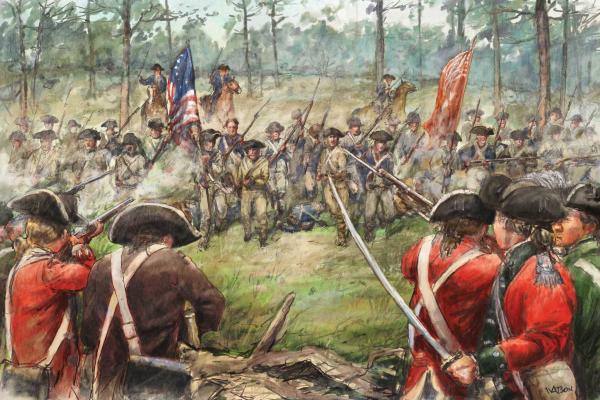
The Revolutionary War was a war unlike any other — one of ideas and ideals, that shaped “the course of human events. Explore the history and personalities from this pivotal time in American history.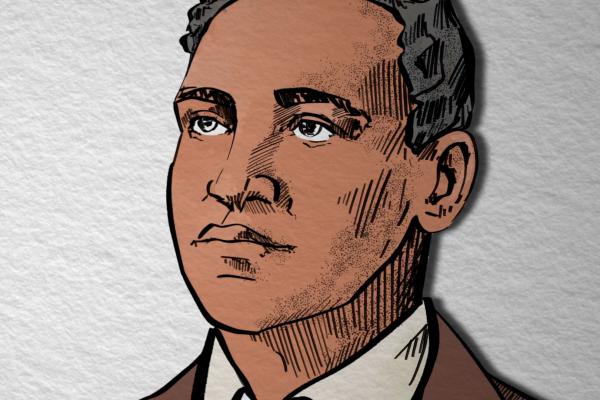
Regarded as the first martyr of the American Revolution, Crispus Attucks was the first to fall in the Boston Massacre on March 5, 1770. Of African and Native American descent, he became a powerful symbol of the fight for liberty, later embraced by abolitionists as a hero of both American independence and the struggle for equality.
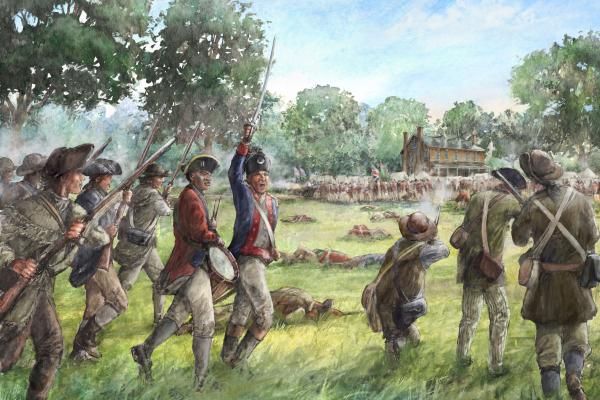
Jim Capers, a free African American who courageously served as a Drum Major during the American Revolution, survived brutal battles and close-quarters combat, including being severely wounded at Eutaw Springs. Capers spent his final years in Alabama, where his extraordinary contributions to the fight for independence went largely uncelebrated before his death at the age of 111 in 1853.
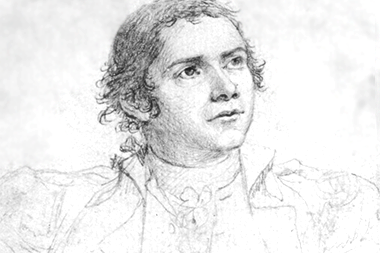
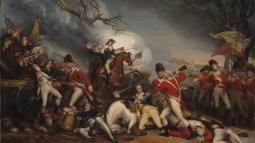
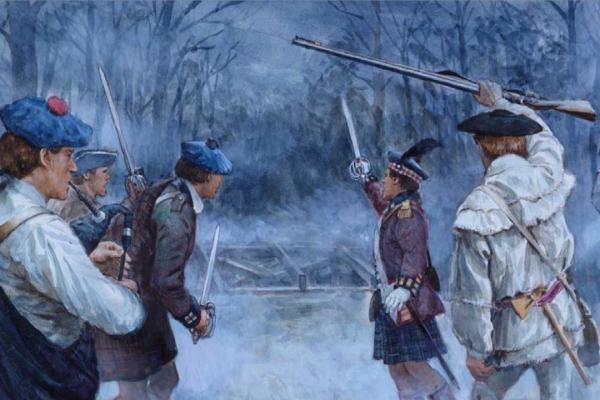
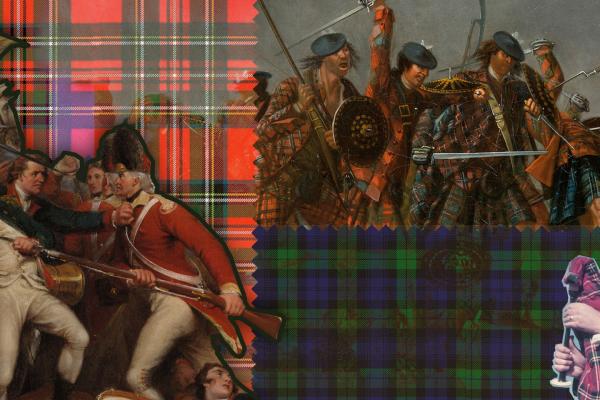
A Scottish exile turned American Patriot, Hugh Mercer rose from a fugitive of the Battle of Culloden to a trusted officer under George Washington. Mortally wounded while rallying his men at Princeton, his sacrifice became a symbol of American perseverance in the Revolution.
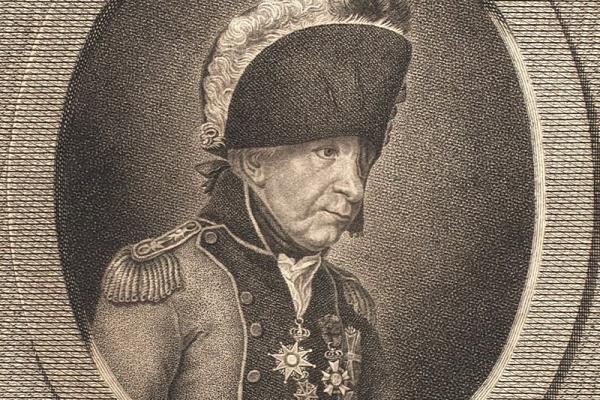
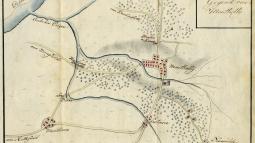
Johann Ewald, a Hessian captain, served in several significant Revolutionary War battles, including White Plains, Bound Brook, and the failed attack on Fort Mercer. He later fought at Yorktown, where he surrendered with the British forces. His detailed wartime diary and maps provide invaluable insights into his experiences in America.