The Liberty Trail
- parking
- accessible_parking
- wheelchair_accessible
- restrooms
- wifi





- restrooms
- wheelchair_accessible
- parking
- accessible_parking
- wheelchair_accessible
- restrooms


- parking
- accessible_parking
- wheelchair_accessible
- restrooms
- parking
- accessible_parking
- wheelchair_accessible
- pet_friendly



- wifi
- parking
- restrooms
- wheelchair_accessible



- parking
- accessible_parking
- wheelchair_accessible
- pet_friendly


- parking
- accessible_parking
- wheelchair_accessible
- restrooms
- wifi

- parking
- restrooms
- pet_friendly

- parking
- accessible_parking
- wheelchair_accessible
- restrooms
- wifi


- parking
- accessible_parking
- wheelchair_accessible


- parking
- restrooms
- wheelchair_accessible



- parking
- accessible_parking
- restrooms
- pet_friendly

- parking
- accessible_parking
- wheelchair_accessible
- restrooms

- parking
- accessible_parking
- wheelchair_accessible
- restrooms
- wifi
- parking
- accessible_parking
- wheelchair_accessible
- restrooms
- wifi

- parking
- wheelchair_accessible
- restrooms
- pet_friendly



- parking
- restrooms
- wheelchair_accessible


































- parking
- accessible_parking
- restrooms
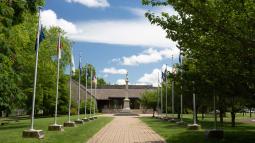
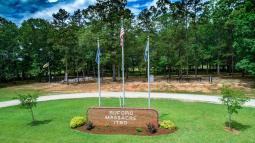

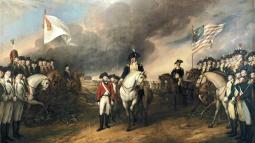
Explore the many guided tours of The Liberty Trail
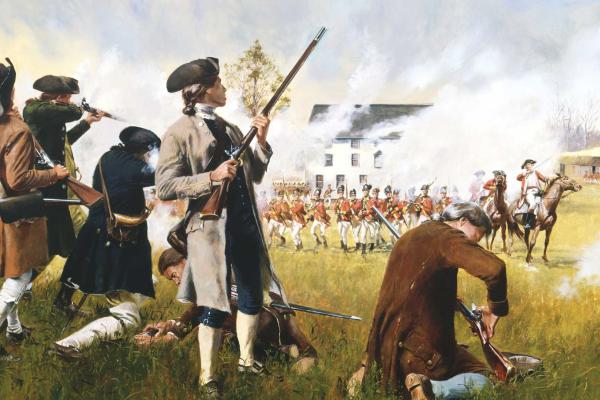
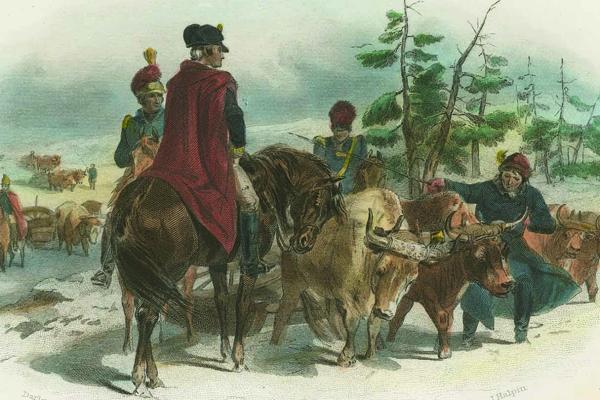

This Day on the Liberty Trail
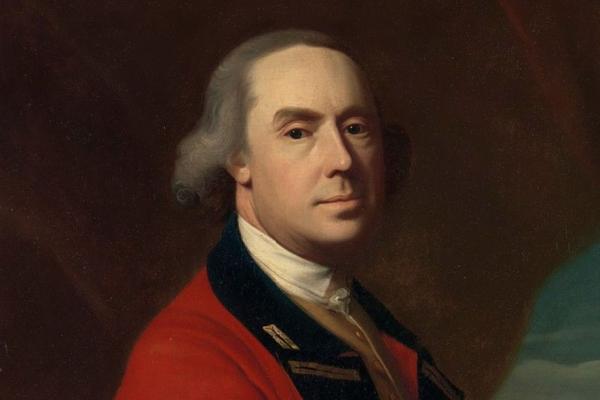
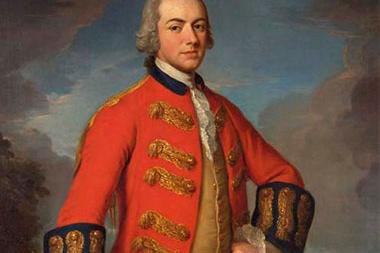
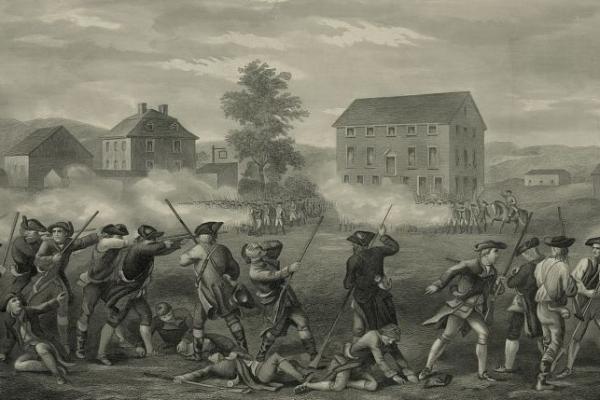
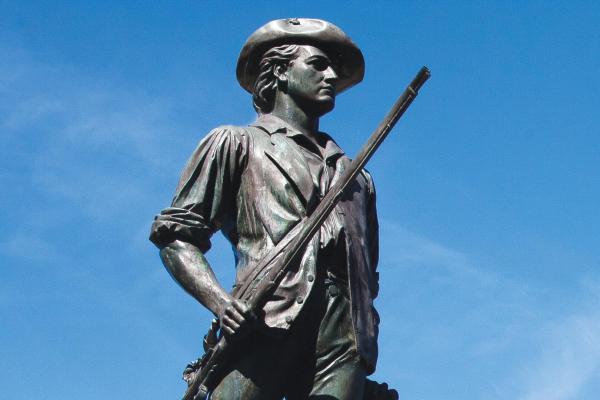
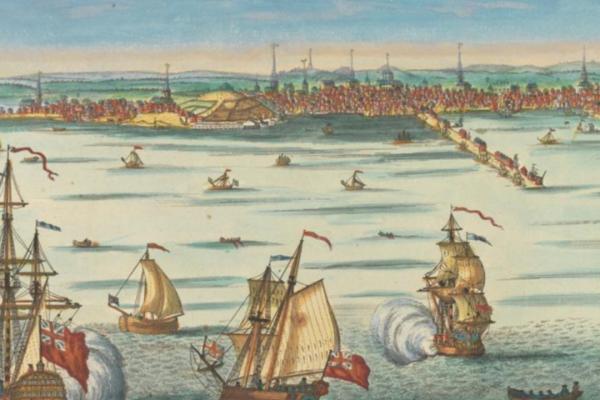
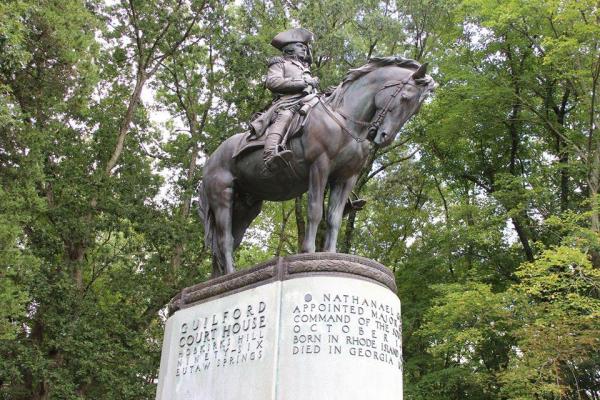
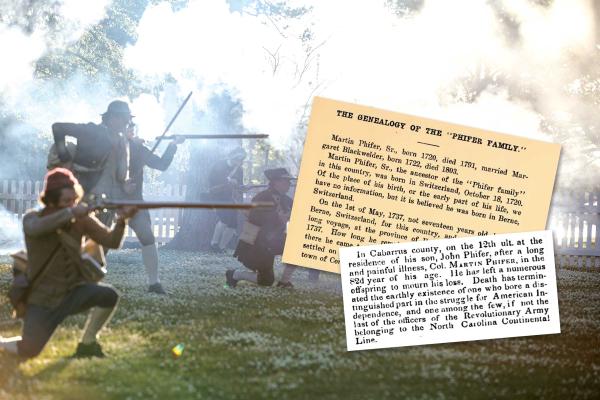
Uncovering History
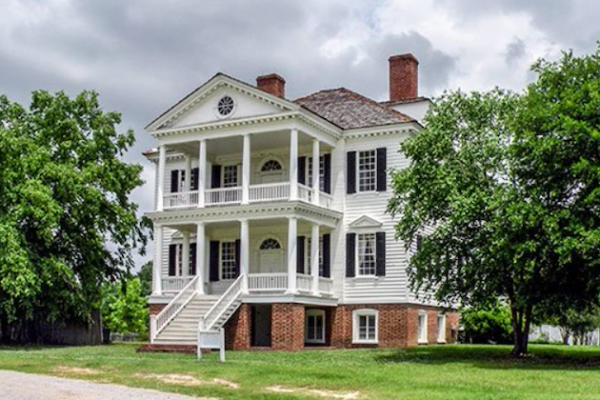
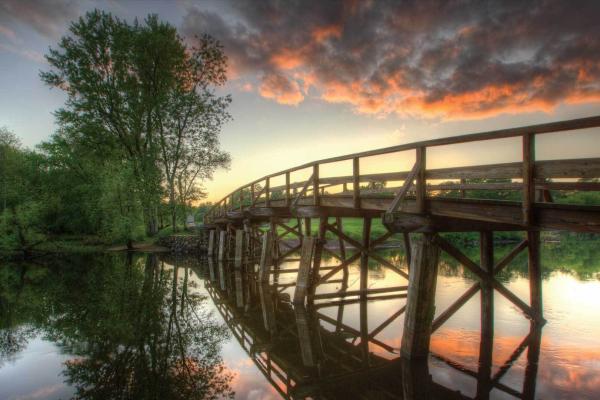
We invite you to visit the preserved locations along the Liberty Trail and to immerse
yourself in the extraordinary events that determined the fate of a nation.

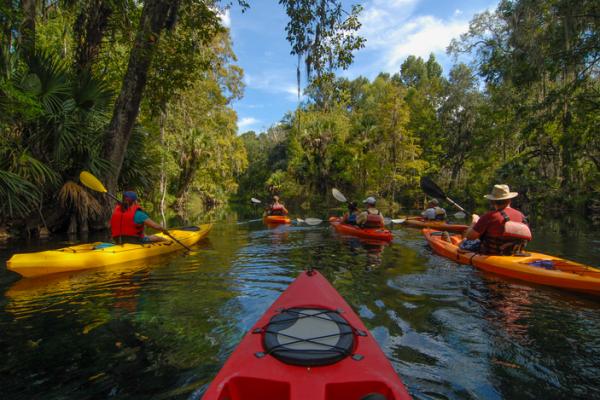
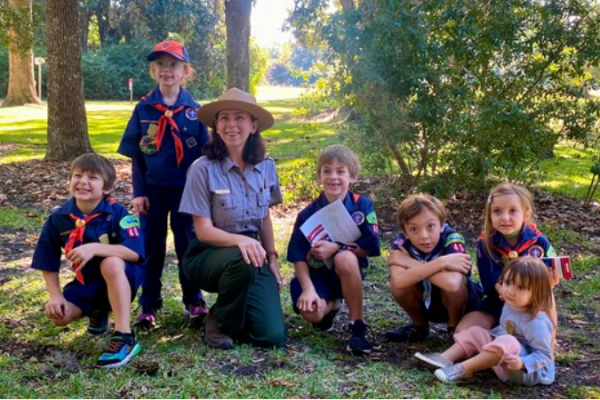
Family Friendly Adventures
Discover a part of our nation’s history at historic landmarks and events.

Liberty Trail History Makers
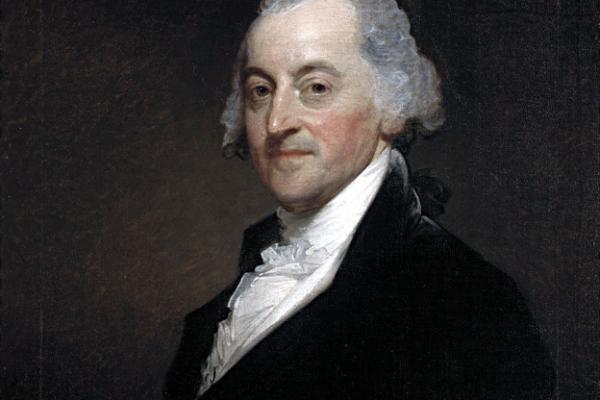
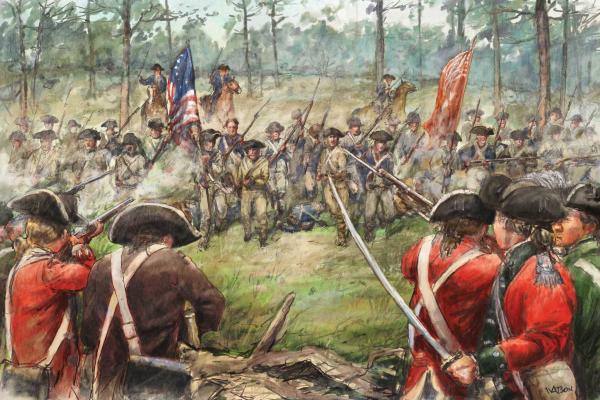
The Revolutionary War was a war unlike any other — one of ideas and ideals, that shaped “the course of human events. Explore the history and personalities from this pivotal time in American history.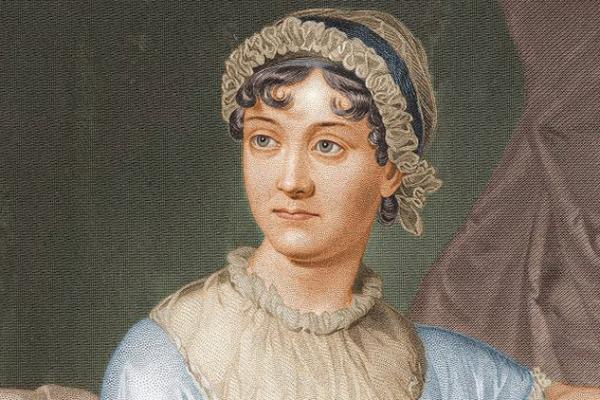
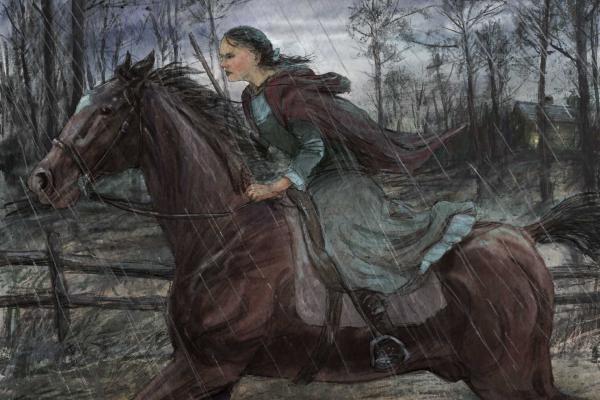
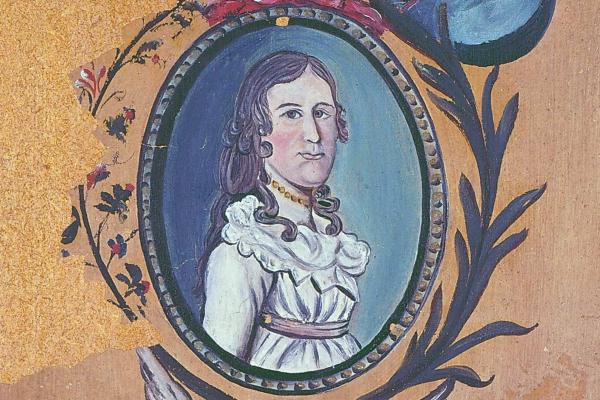
Sarah Bradlee Fulton, a patriotic activist and member of the Daughters of Liberty, played a key role in the Boston Tea Party, nursed soldiers at the Battle of Bunker Hill, delivered important messages to George Washington, and supported the Continental Army throughout the Revolution.
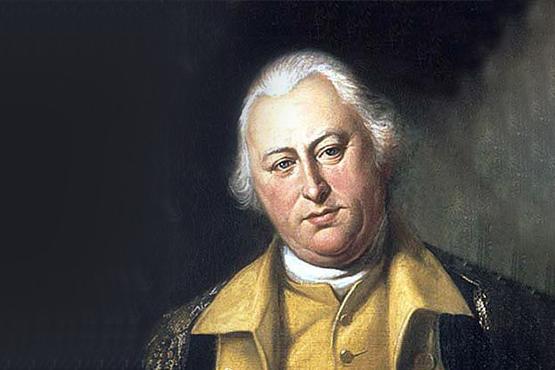
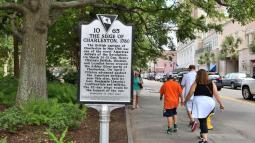
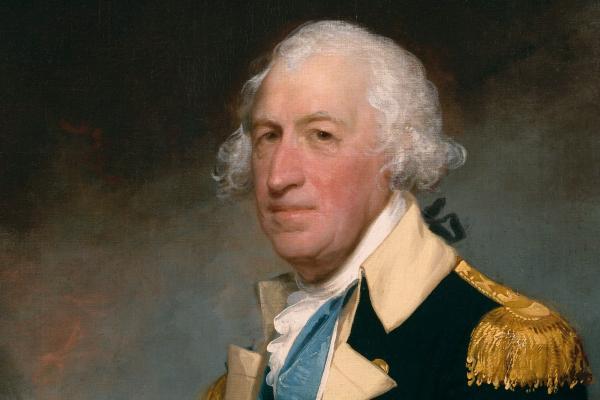
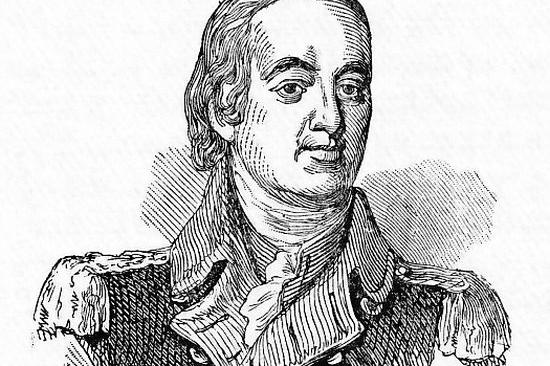
When British forces besieged Charleston, Lincoln was forced to surrender over 5,000 men. Denied honors of war in surrender, Lincoln was paroled and returned to Washington’s army. After the Battle of Yorktown, Lincoln accepted the surrender from the British, allowing him to have revenge for his defeat in Charleston.
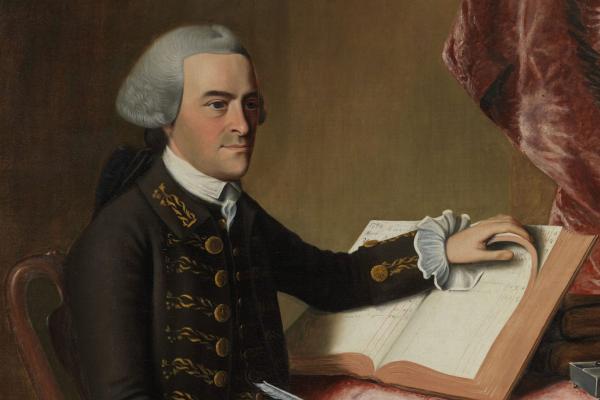
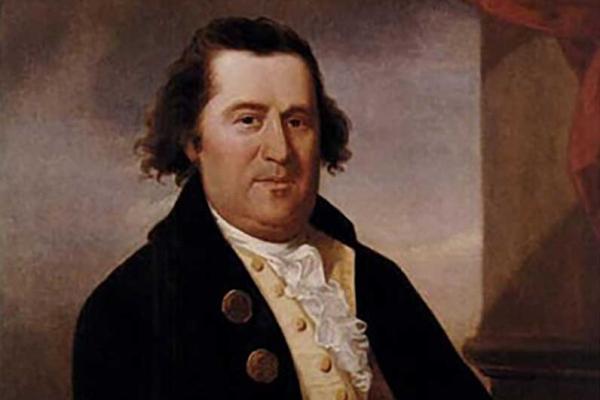
A wealthy merchant and political leader from Massachusetts, Hancock was a key figure in the American Revolution, serving as president of the Second Continental Congress, signing the Declaration of Independence, and later serving as governor of Massachusetts.
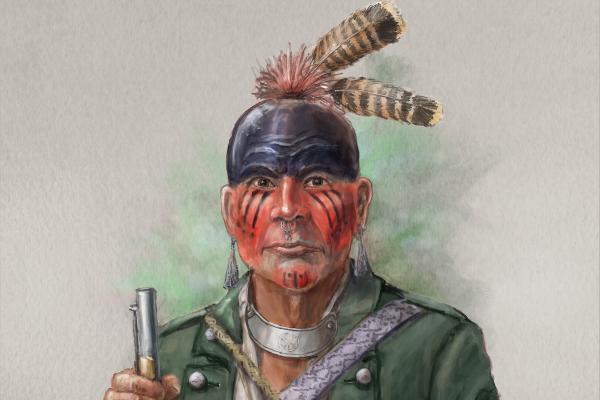
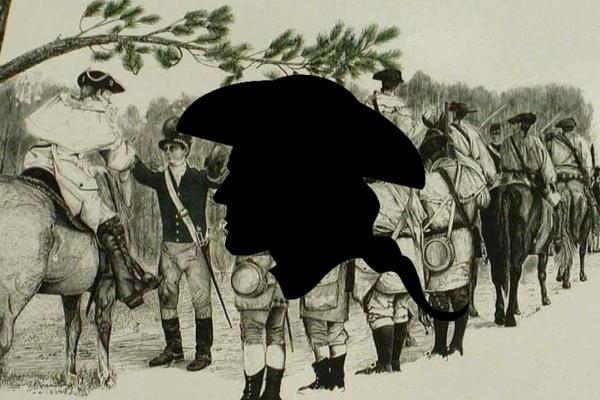
Catawba leader General New River, born around 1740, allied with the Patriots during the Revolutionary War, leading Catawba warriors in key southern battles. Despite their service, the Catawba lost much of their ancestral land, and New River continued advocating for his people's rights until his death in 1804.