The Liberty Trail
- parking
- accessible_parking
- wheelchair_accessible
- restrooms
- wifi



- restrooms
- wheelchair_accessible
- parking
- accessible_parking
- wheelchair_accessible
- restrooms


- parking
- accessible_parking
- wheelchair_accessible
- restrooms


- parking
- accessible_parking
- wheelchair_accessible
- pet_friendly

- wifi
- parking
- restrooms
- wheelchair_accessible



- parking
- accessible_parking
- wheelchair_accessible
- pet_friendly

- parking
- accessible_parking
- wheelchair_accessible
- restrooms
- wifi
- parking
- restrooms
- pet_friendly

- parking
- accessible_parking
- wheelchair_accessible
- restrooms
- wifi


- parking
- accessible_parking
- wheelchair_accessible


- parking
- restrooms
- wheelchair_accessible



- parking
- accessible_parking
- restrooms
- pet_friendly
- parking
- accessible_parking
- wheelchair_accessible
- restrooms
- parking
- accessible_parking
- wheelchair_accessible
- restrooms
- wifi
- parking
- accessible_parking
- wheelchair_accessible
- restrooms
- wifi
- parking
- wheelchair_accessible
- restrooms
- pet_friendly



- parking
- restrooms
- wheelchair_accessible



































- parking
- accessible_parking
- restrooms
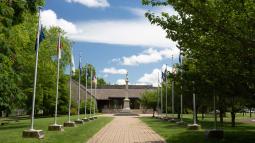
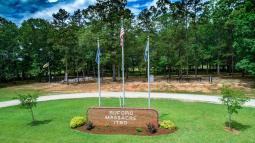
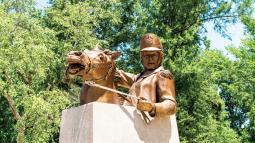

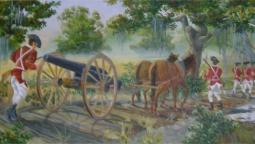
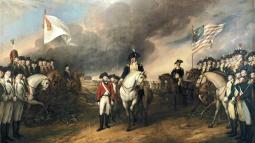
Explore the many guided tours of The Liberty Trail
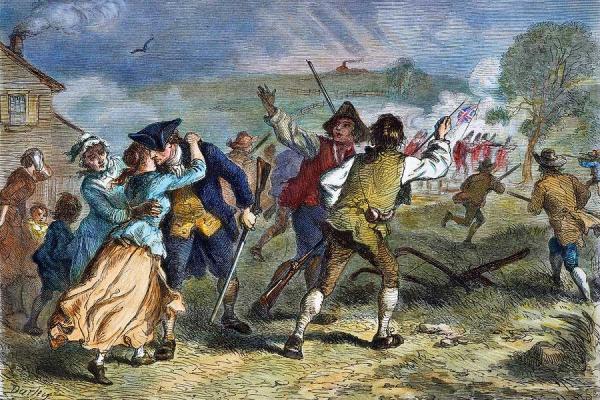
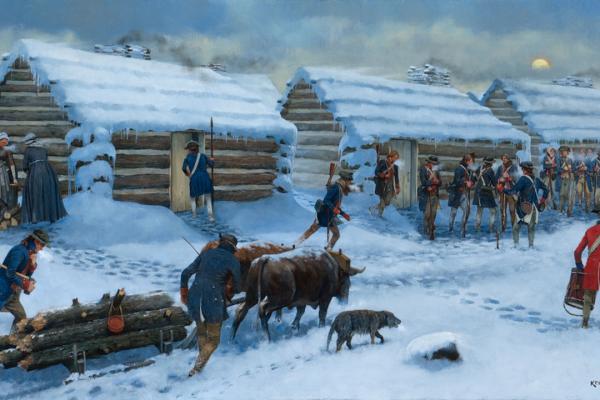
This Day on the Liberty Trail

Uncovering History
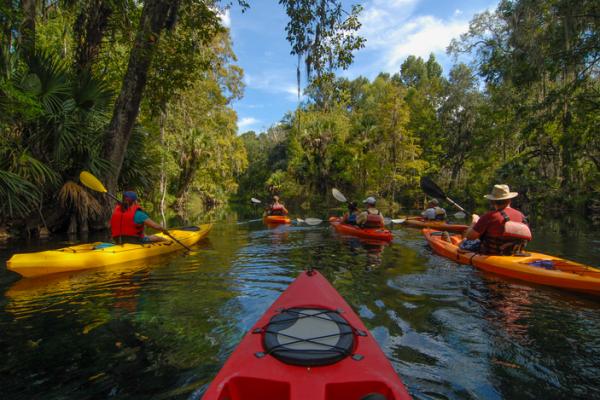
We invite you to visit the preserved locations along the Liberty Trail and to immerse
yourself in the extraordinary events that determined the fate of a nation.


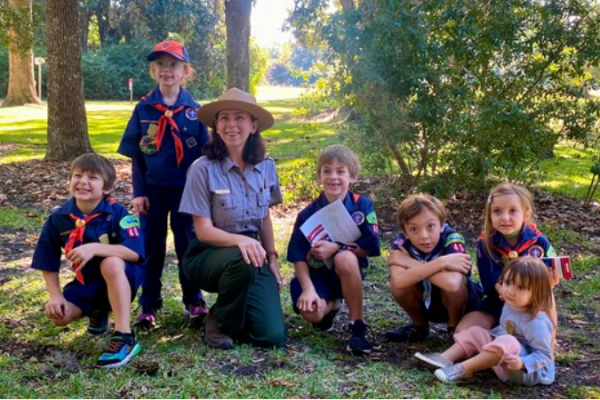
Family Friendly Adventures
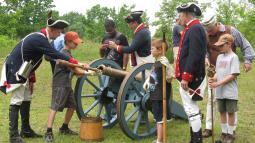
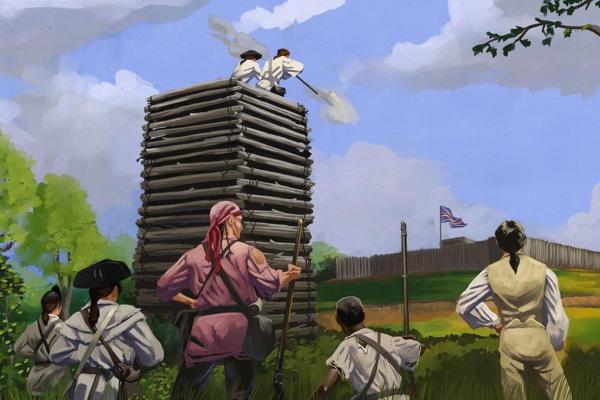
Discover a part of our nation’s history at historic landmarks and events.


Liberty Trail History Makers
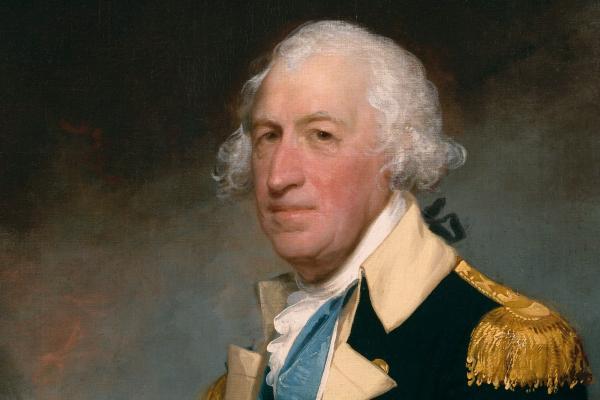
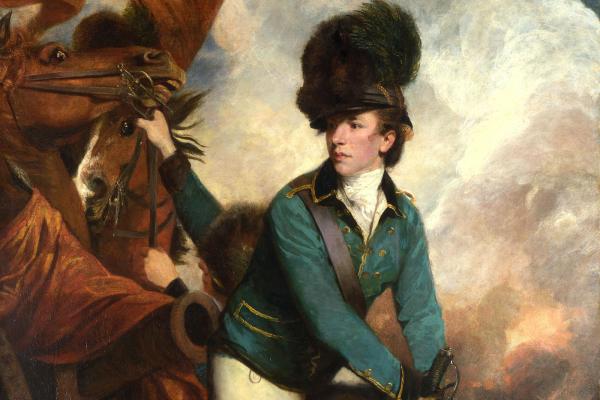
The Revolutionary War was a war unlike any other — one of ideas and ideals, that shaped “the course of human events. Explore the history and personalities from this pivotal time in American history.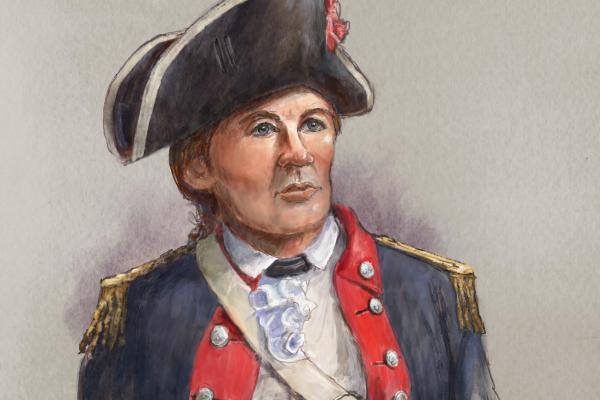
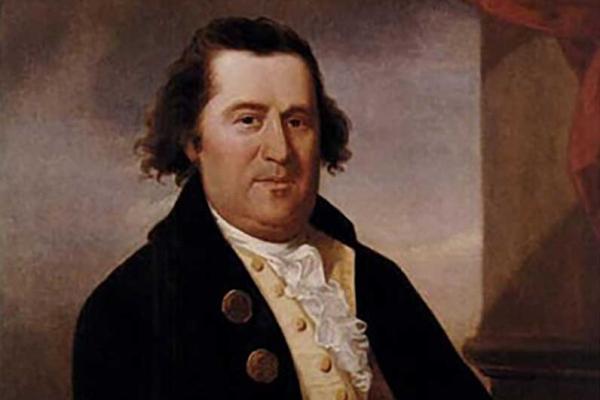
Commander of a Virginia unit during the American Revolution, Abraham Buford saw his troops massacred by Banastre Tarleton and his British Legion at the Battle of Waxhaws in South Carolina.
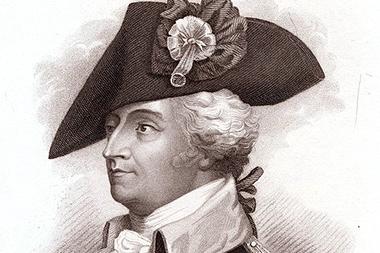
Anthony Wayne, dubbed "Mad Anthony," was a bold Revolutionary War general, key in victories like Stony Point and Fallen Timbers. His fiery reputation earned him his nickname. He died in 1796 in Presque Isle, Pennsylvania.
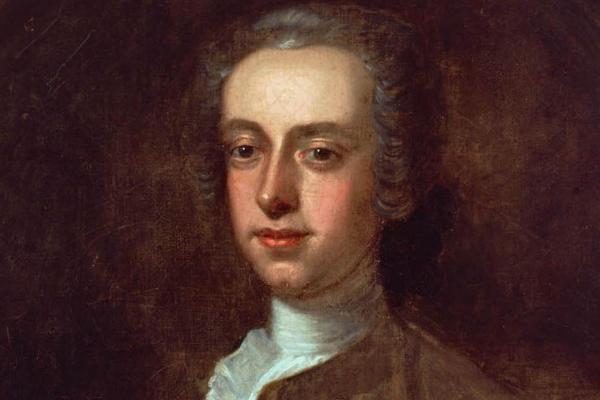
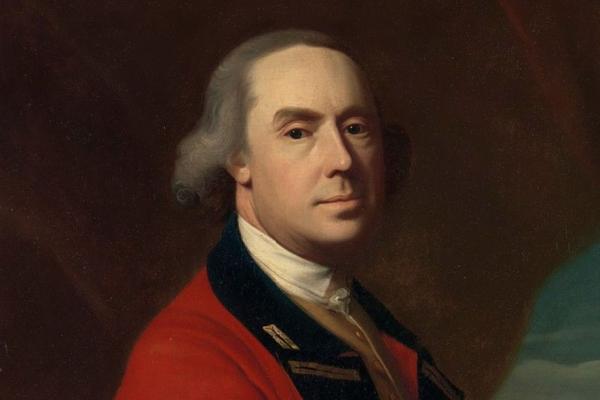
A Loyalist and Massachusetts governor, Hutchinson supported British policies that fueled colonial unrest, such as the Stamp and Tea Acts, leading to events like the Boston Massacre and Boston Tea Party.
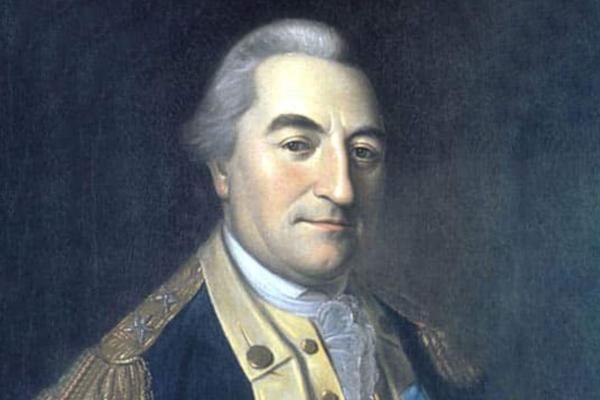
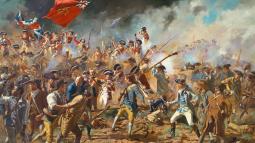
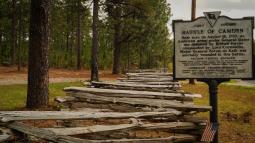
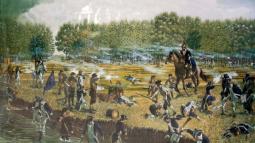
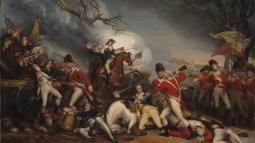
During the Battle of Camden, when the American line collapsed, de Kalb and his infantry remained on the field. De Kalb led a counterattack in an attempt to stem the tide but the British swarmed around the American. As Gates’s army retreated, de Kalb fell and was taken to Camden where he died in 3 days.