The Liberty Trail
- parking
- accessible_parking
- wheelchair_accessible
- restrooms
- wifi

- restrooms
- wheelchair_accessible
- parking
- accessible_parking
- wheelchair_accessible
- restrooms

- parking
- accessible_parking
- wheelchair_accessible
- restrooms
- parking
- accessible_parking
- wheelchair_accessible
- pet_friendly


- wifi
- parking
- restrooms
- wheelchair_accessible

- parking
- accessible_parking
- wheelchair_accessible
- pet_friendly
- parking
- accessible_parking
- wheelchair_accessible
- restrooms
- wifi
- parking
- restrooms
- pet_friendly

- parking
- accessible_parking
- wheelchair_accessible
- restrooms
- wifi

- parking
- accessible_parking
- wheelchair_accessible

- parking
- restrooms
- wheelchair_accessible


- parking
- accessible_parking
- restrooms
- pet_friendly
- parking
- accessible_parking
- wheelchair_accessible
- restrooms
- parking
- accessible_parking
- wheelchair_accessible
- restrooms
- wifi
- parking
- accessible_parking
- wheelchair_accessible
- restrooms
- wifi
- parking
- wheelchair_accessible
- restrooms
- pet_friendly


- parking
- restrooms
- wheelchair_accessible

























- parking
- accessible_parking
- restrooms
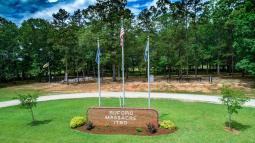

Explore the many guided tours of The Liberty Trail
This Day on the Liberty Trail
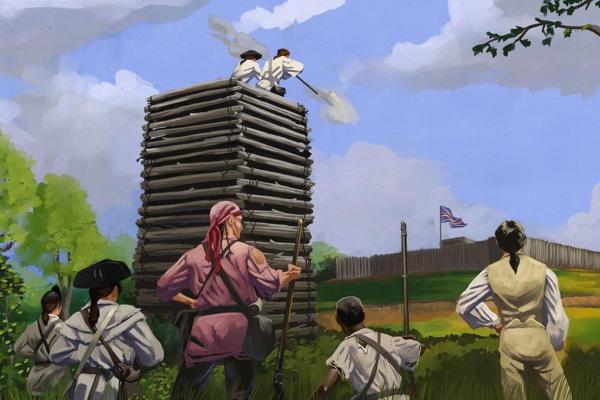
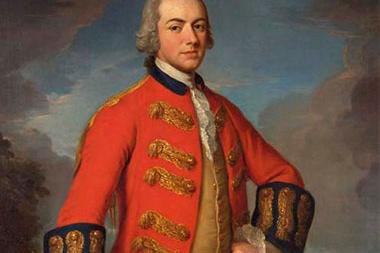
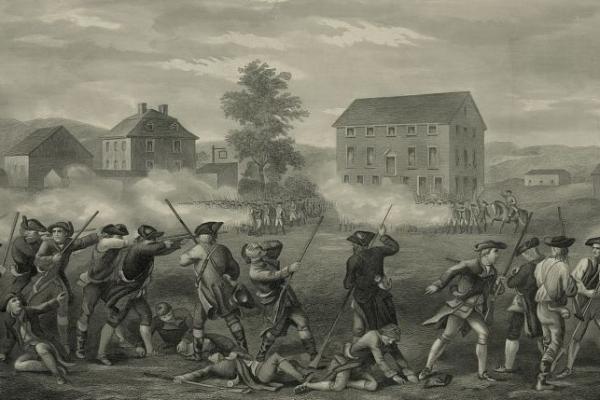
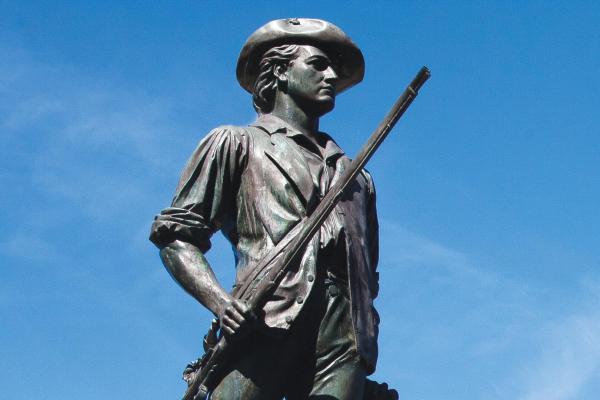
Uncovering History
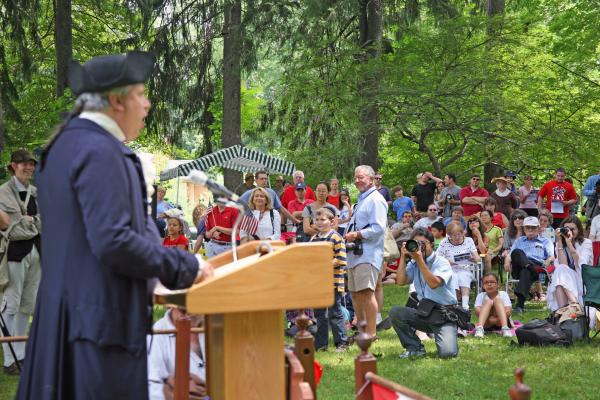
We invite you to visit the preserved locations along the Liberty Trail and to immerse
yourself in the extraordinary events that determined the fate of a nation.
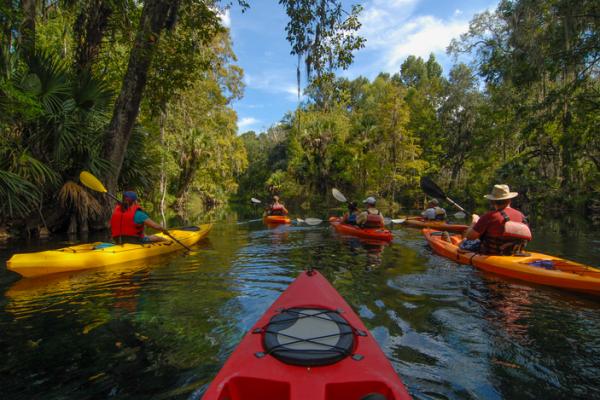
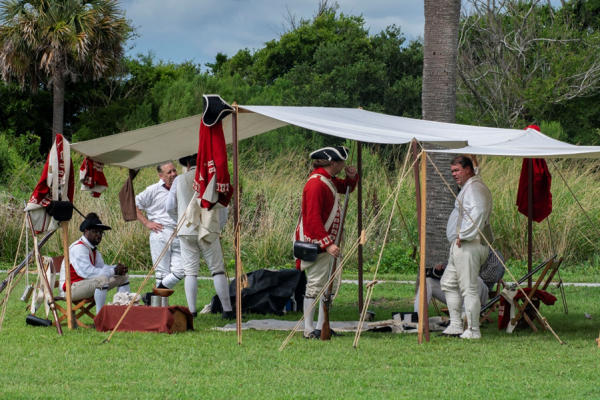
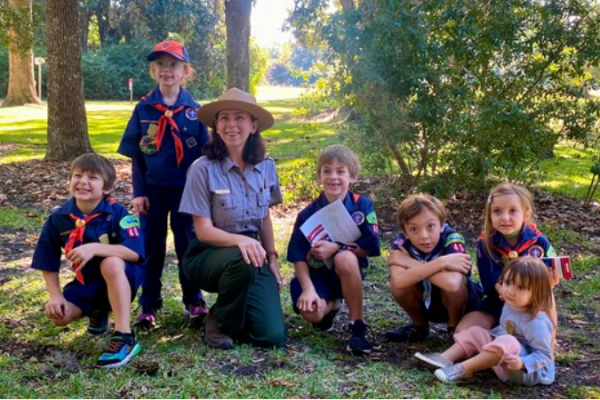
Family Friendly Adventures
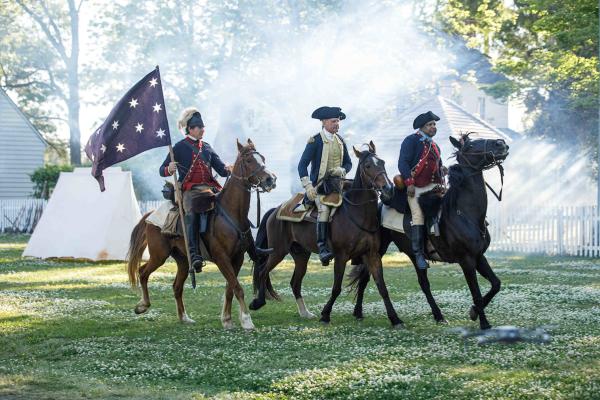
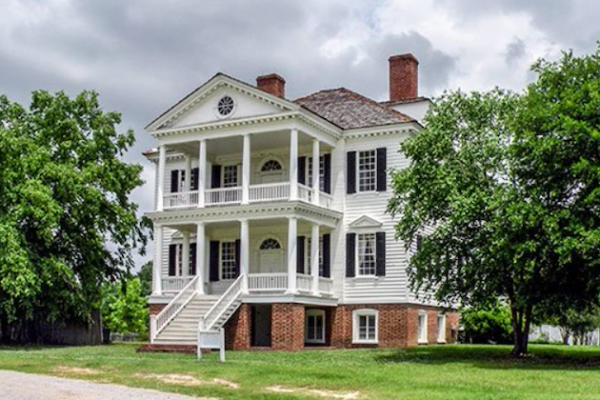
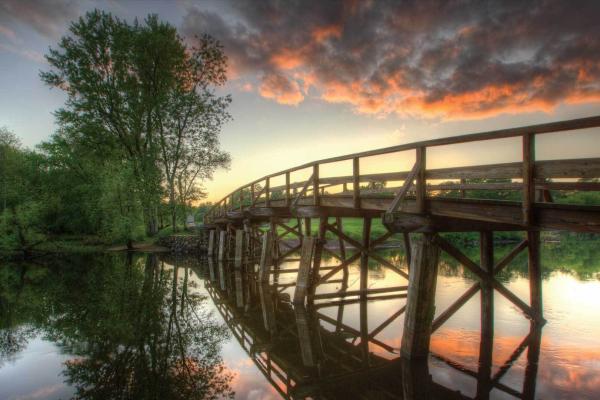
Discover a part of our nation’s history at historic landmarks and events.

Liberty Trail History Makers
The Revolutionary War was a war unlike any other — one of ideas and ideals, that shaped “the course of human events. Explore the history and personalities from this pivotal time in American history.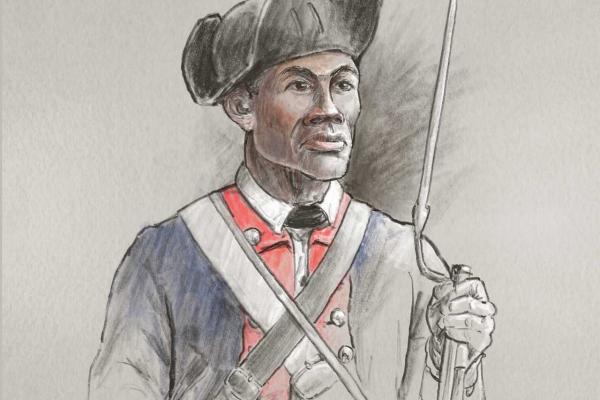
Thomas Carney was an African American soldier who fought in the Continental Army during the Revolutionary War.
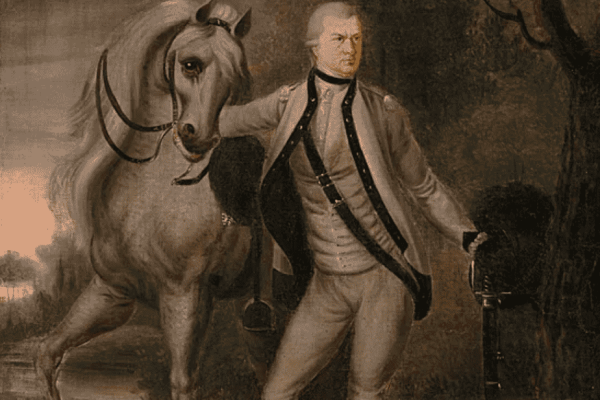
A Huguenot hailing from South Carolina, Horry was one of Marion's most trusted confidants during his campaigns against the British
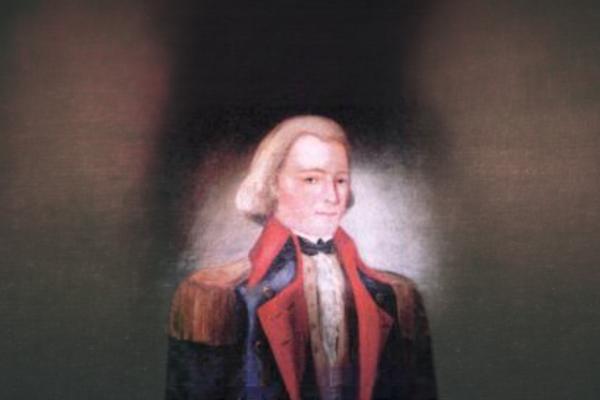
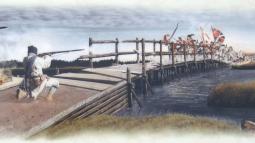
James Moore rose from a respected militia officer to a key Revolutionary leader, helping organize North Carolina’s resistance and contributing to the American victory at Battle of Moores Creek Bridge. Promoted to brigadier general, he died in 1777 remembered as one of the state’s most distinguished soldiers of the Revolution.
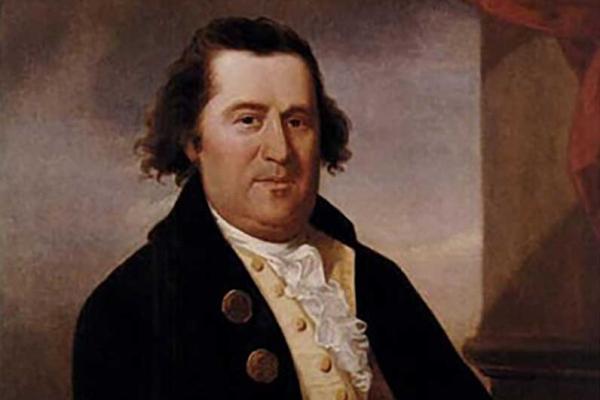
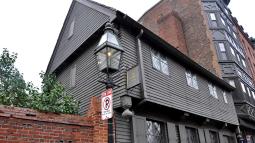
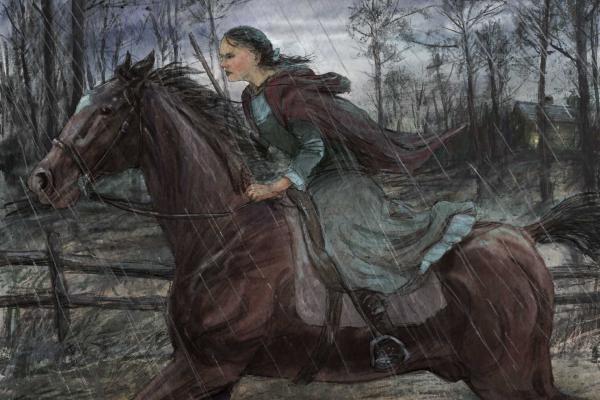
Overshadowed by Paul Revere famous midnight ride, Dawes also rode through the night on April 18, 1775, warning of the British march to Concord. He escaped capture and later served in the Revolutionary War.