The Liberty Trail

- parking
- accessible_parking
- wheelchair_accessible
- restrooms
- wifi









- restrooms
- wheelchair_accessible

- parking
- accessible_parking
- wheelchair_accessible
- restrooms






- parking
- accessible_parking
- wheelchair_accessible
- restrooms


- parking
- accessible_parking
- wheelchair_accessible
- pet_friendly



- wifi
- parking
- restrooms
- wheelchair_accessible




- parking
- accessible_parking
- wheelchair_accessible
- pet_friendly




- parking
- accessible_parking
- wheelchair_accessible
- restrooms
- wifi

- parking
- restrooms
- pet_friendly

- parking
- accessible_parking
- wheelchair_accessible
- restrooms
- wifi







- parking
- accessible_parking
- wheelchair_accessible


- parking
- restrooms
- wheelchair_accessible






- parking
- accessible_parking
- restrooms
- pet_friendly

- parking
- accessible_parking
- wheelchair_accessible
- restrooms




- parking
- accessible_parking
- wheelchair_accessible
- restrooms
- wifi
- parking
- accessible_parking
- wheelchair_accessible
- restrooms
- wifi

- parking
- wheelchair_accessible
- restrooms
- pet_friendly








- parking
- restrooms
- wheelchair_accessible












































- parking
- accessible_parking
- restrooms


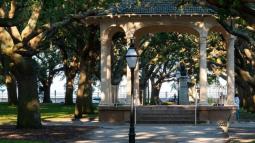

Explore the many guided tours of The Liberty Trail
This Day on the Liberty Trail
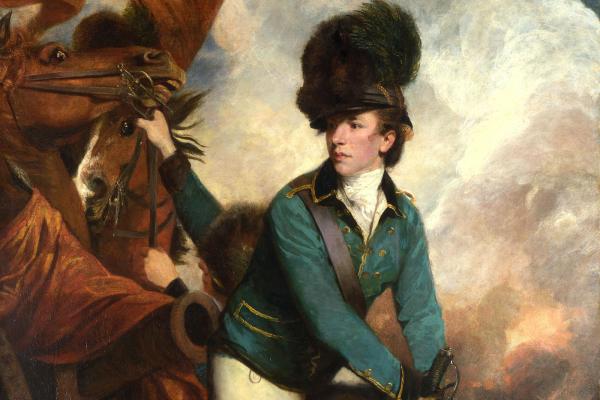
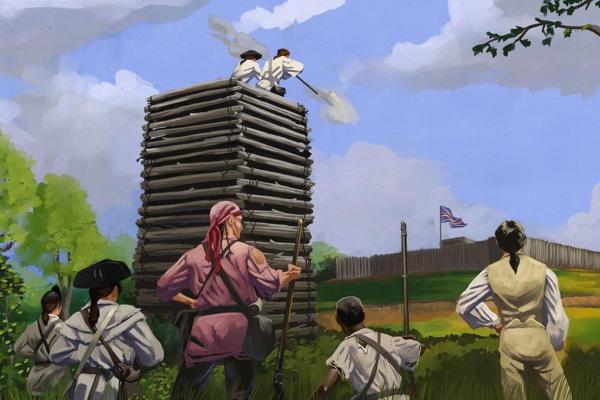
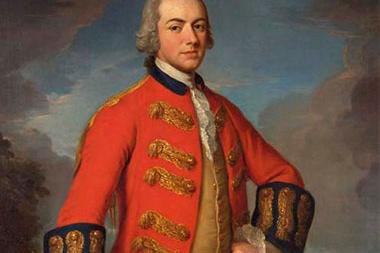
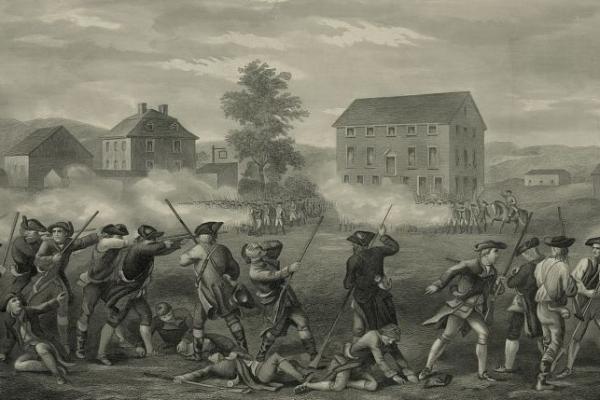

Uncovering History
We invite you to visit the preserved locations along the Liberty Trail and to immerse
yourself in the extraordinary events that determined the fate of a nation.
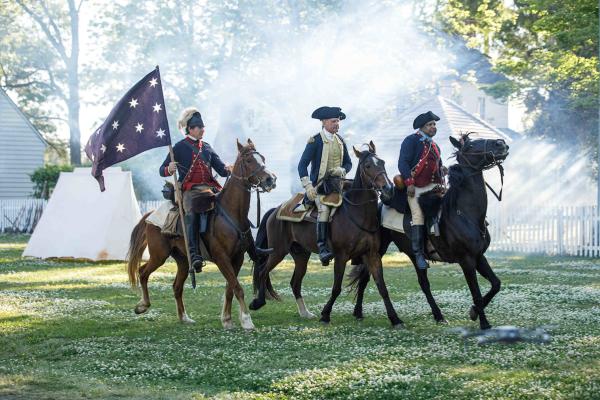
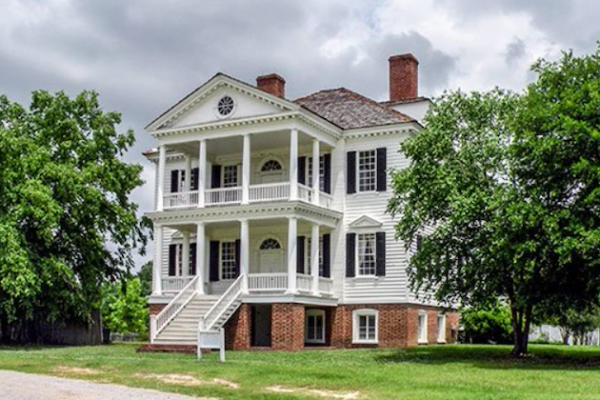
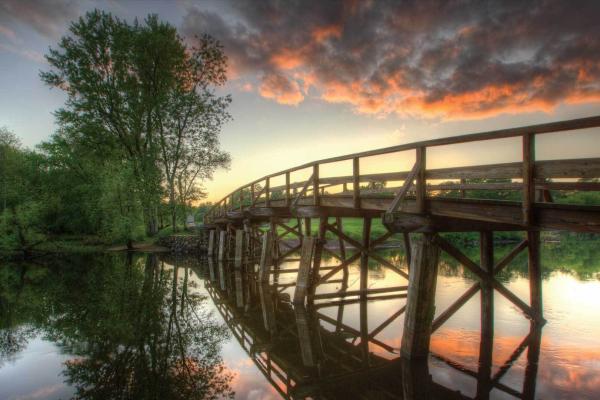

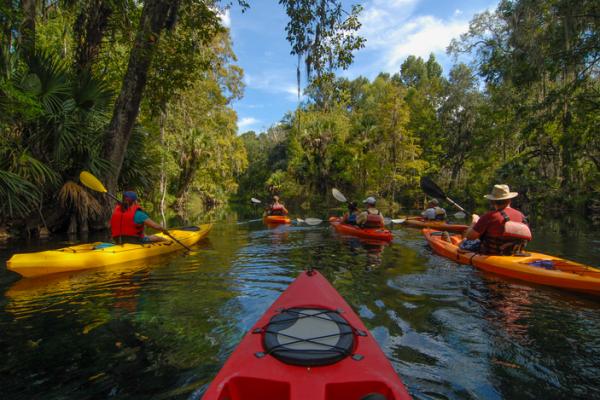
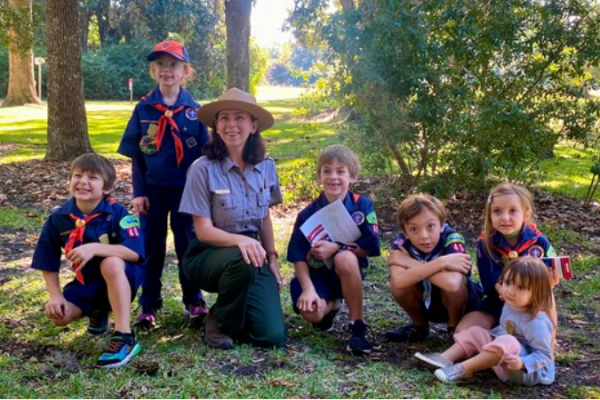
Family Friendly Adventures
Discover a part of our nation’s history at historic landmarks and events.


Liberty Trail History Makers
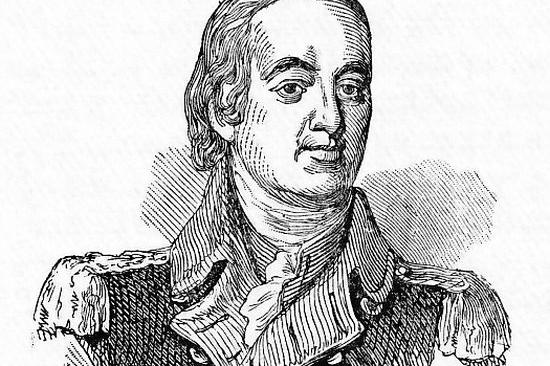
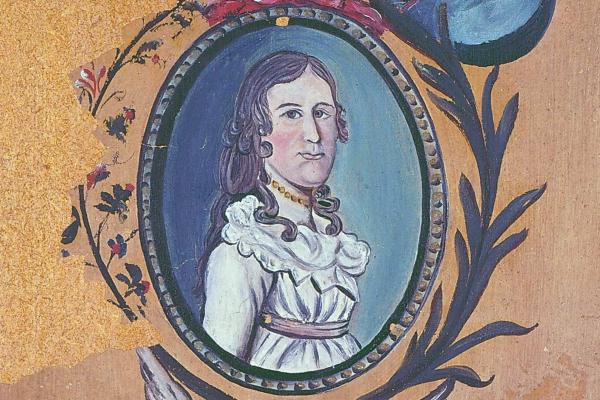
The Revolutionary War was a war unlike any other — one of ideas and ideals, that shaped “the course of human events. Explore the history and personalities from this pivotal time in American history.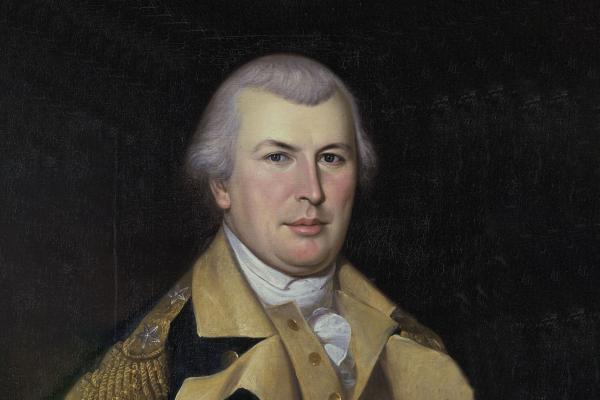
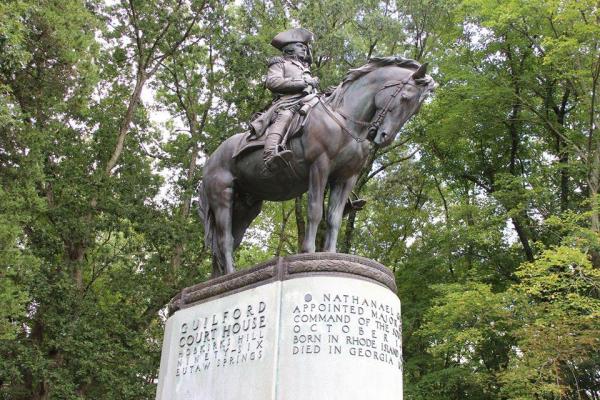
Soon after Greene took command of the southern theater, the tide of war began to turn in favor of the Patriots. Greene and his men turned south to reconquer the South Carolina backcountry. Throughout 1781, Greene steadily drove the British back to Charleston, which they abandoned the following December.
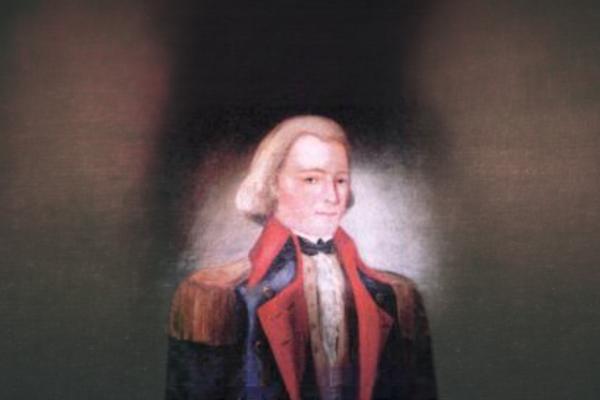
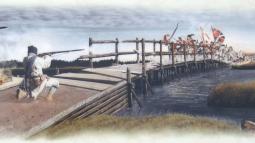
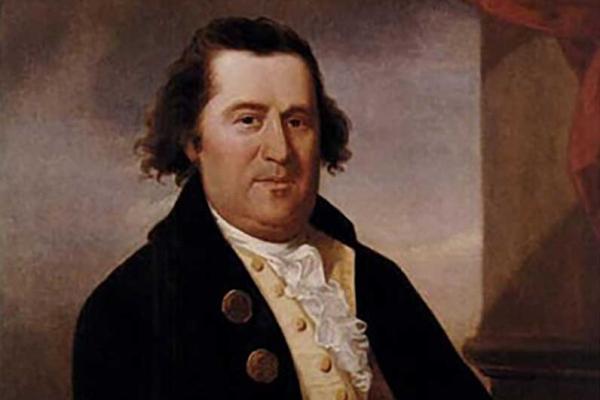
James Moore rose from a respected militia officer to a key Revolutionary leader, helping organize North Carolina’s resistance and contributing to the American victory at Battle of Moores Creek Bridge. Promoted to brigadier general, he died in 1777 remembered as one of the state’s most distinguished soldiers of the Revolution.
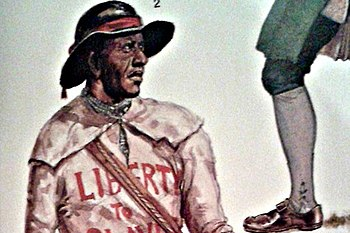
Colonel Tye, an escaped slave from New Jersey, became a feared Black Loyalist leader during the Revolutionary War. Leading the Black Brigade, he raided Patriot forces until a fatal wound in 1780. His legacy reflects the fight for freedom beyond American independence.
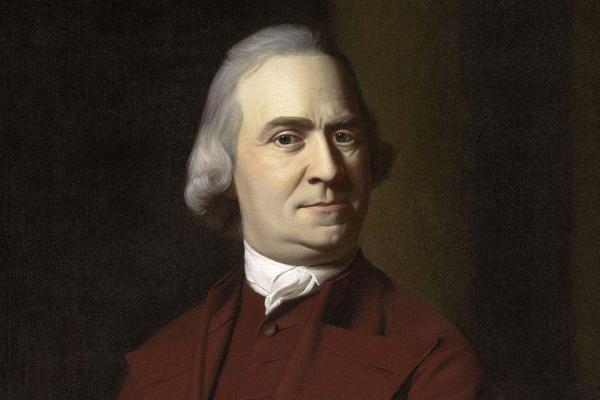
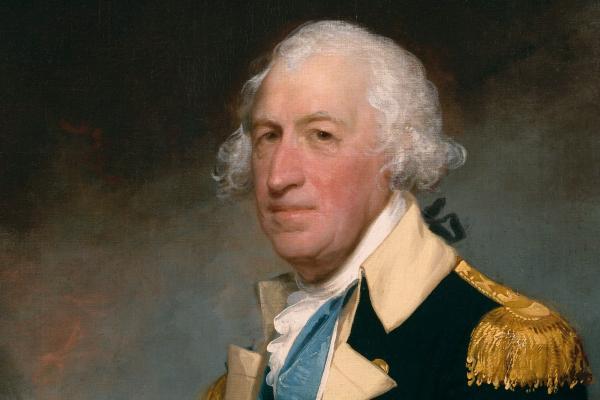
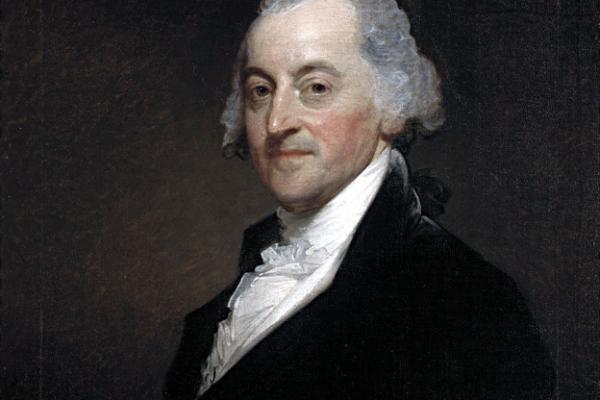
A passionate advocate for liberty, Adams rallied resistance to British rule, organized protests like the Boston Tea Party, and championed colonial rights. He later signed the Declaration of Independence and served as Massachusetts’ governor.