The Liberty Trail
- parking
- accessible_parking
- wheelchair_accessible
- restrooms
- wifi



- restrooms
- wheelchair_accessible

- parking
- accessible_parking
- wheelchair_accessible
- restrooms


- parking
- accessible_parking
- wheelchair_accessible
- restrooms
- parking
- accessible_parking
- wheelchair_accessible
- pet_friendly

- wifi
- parking
- restrooms
- wheelchair_accessible


- parking
- accessible_parking
- wheelchair_accessible
- pet_friendly

- parking
- accessible_parking
- wheelchair_accessible
- restrooms
- wifi
- parking
- restrooms
- pet_friendly

- parking
- accessible_parking
- wheelchair_accessible
- restrooms
- wifi

- parking
- accessible_parking
- wheelchair_accessible


- parking
- restrooms
- wheelchair_accessible




- parking
- accessible_parking
- restrooms
- pet_friendly
- parking
- accessible_parking
- wheelchair_accessible
- restrooms
- parking
- accessible_parking
- wheelchair_accessible
- restrooms
- wifi
- parking
- accessible_parking
- wheelchair_accessible
- restrooms
- wifi
- parking
- wheelchair_accessible
- restrooms
- pet_friendly


- parking
- restrooms
- wheelchair_accessible































- parking
- accessible_parking
- restrooms
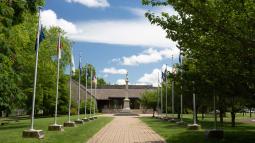
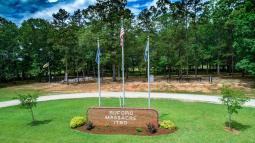

Explore the many guided tours of The Liberty Trail
This Day on the Liberty Trail
Uncovering History
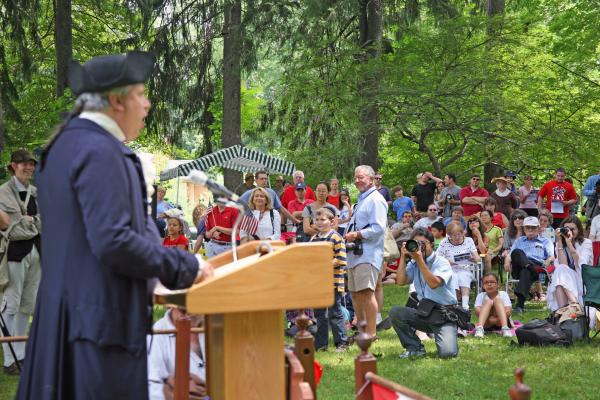
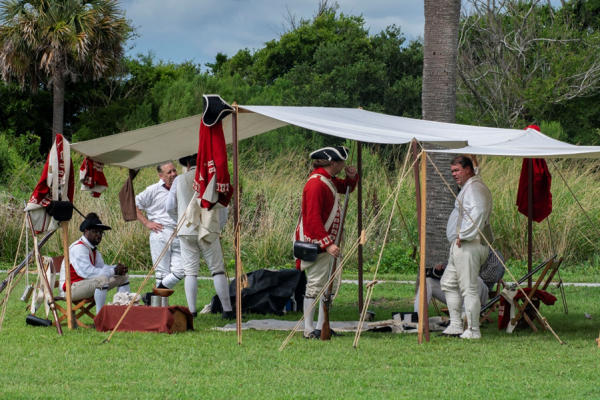
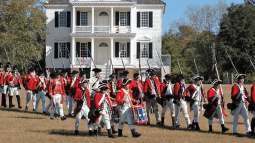
We invite you to visit the preserved locations along the Liberty Trail and to immerse
yourself in the extraordinary events that determined the fate of a nation.
Family Friendly Adventures
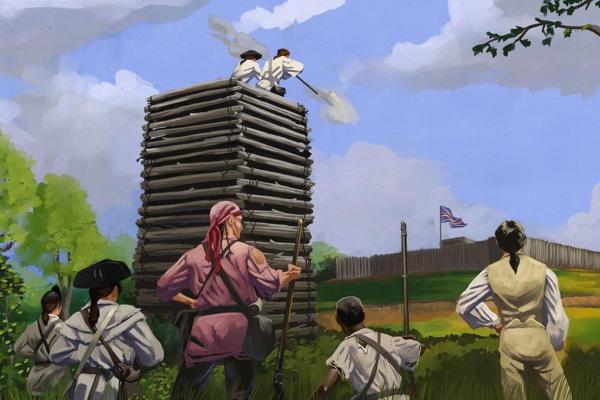
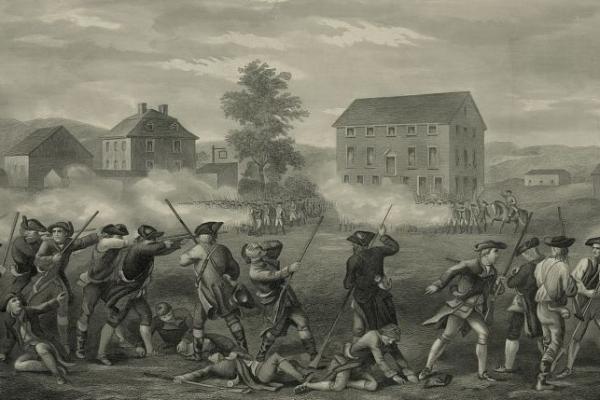
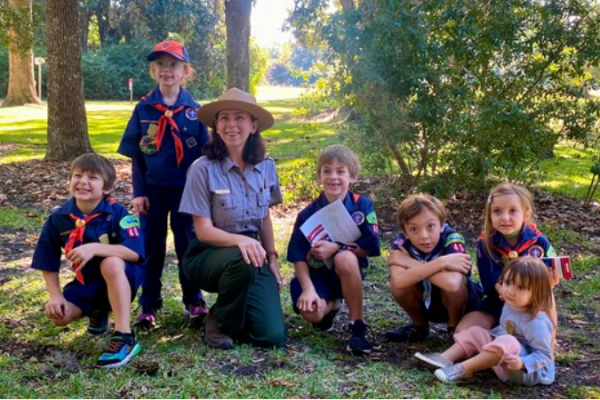
Discover a part of our nation’s history at historic landmarks and events.
Liberty Trail History Makers
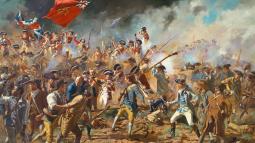
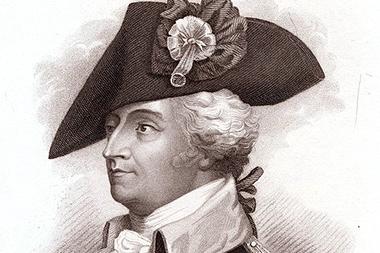
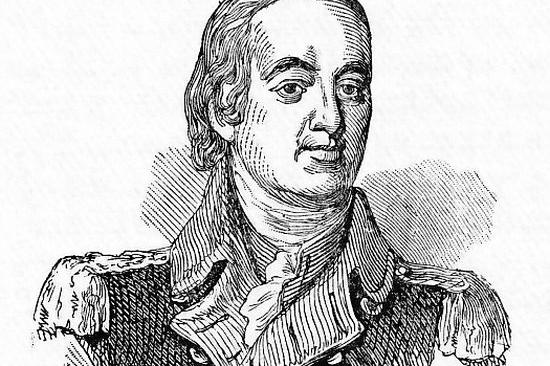
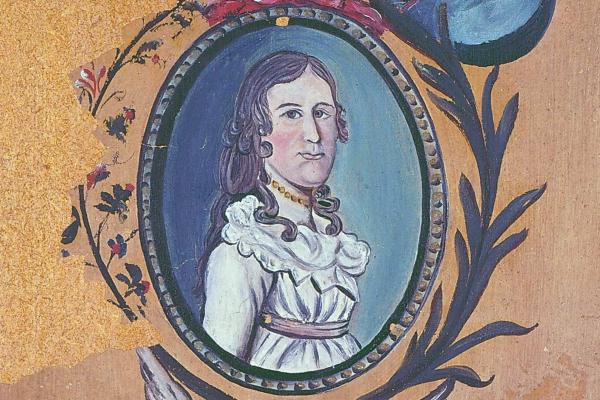
The Revolutionary War was a war unlike any other — one of ideas and ideals, that shaped “the course of human events. Explore the history and personalities from this pivotal time in American history.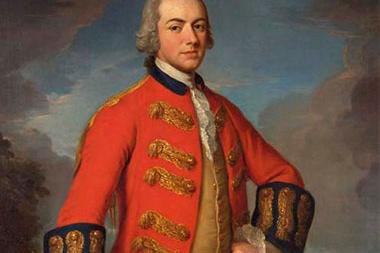
Despite the prominent role Cornwallis played in the Revolution, Henry Clinton was blamed for the loss of the American colonies following the surrender at Yorktown.
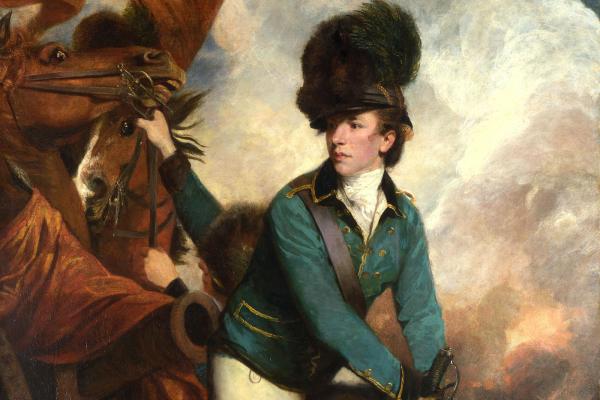
Tarleton, active in the Southern Campaign, came to be known as the ‘butcher’ after Continental soldiers accused his dragoons of disregarding a Patriot surrender by attacking the Americans after they laid down their arms at the Battle of Waxhaws.
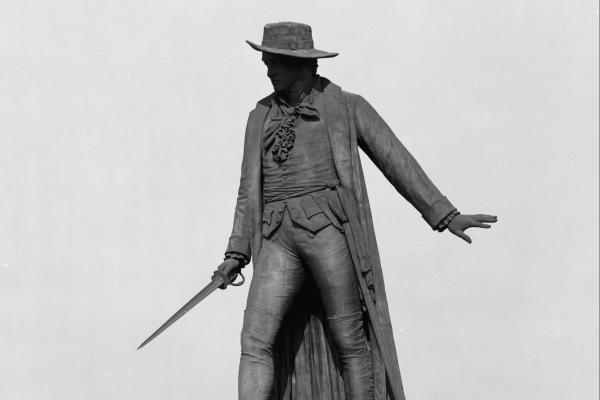
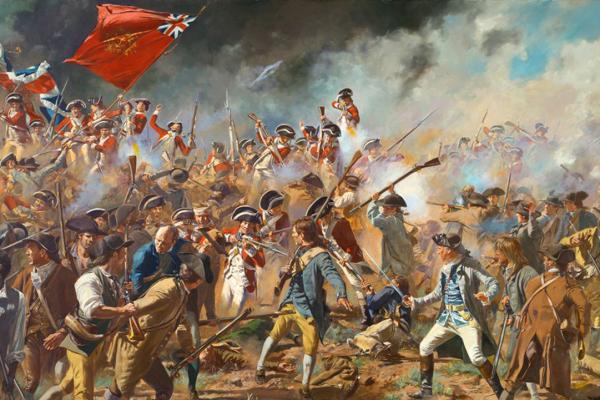
William Prescott led colonial forces at the Battle of Bunker Hill, where his strategic defense and command helped inflict heavy British casualties, despite ultimately being forced to retreat.
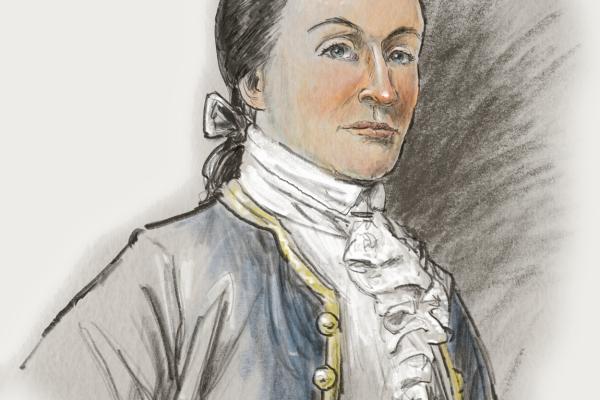
Though his Quaker faith precluded him from taking up arms, Lushington made the decision to join the Patriot cause and fight against the British during the American Revolution. Largely an outsider, joining the army may have been a means for Lushington to gain further acceptance within Charleston's social elite.