The Liberty Trail
- parking
- accessible_parking
- wheelchair_accessible
- restrooms
- wifi



- restrooms
- wheelchair_accessible

- parking
- accessible_parking
- wheelchair_accessible
- restrooms


- parking
- accessible_parking
- wheelchair_accessible
- restrooms

- parking
- accessible_parking
- wheelchair_accessible
- pet_friendly


- wifi
- parking
- restrooms
- wheelchair_accessible



- parking
- accessible_parking
- wheelchair_accessible
- pet_friendly


- parking
- accessible_parking
- wheelchair_accessible
- restrooms
- wifi

- parking
- restrooms
- pet_friendly

- parking
- accessible_parking
- wheelchair_accessible
- restrooms
- wifi

- parking
- accessible_parking
- wheelchair_accessible


- parking
- restrooms
- wheelchair_accessible






- parking
- accessible_parking
- restrooms
- pet_friendly
- parking
- accessible_parking
- wheelchair_accessible
- restrooms


- parking
- accessible_parking
- wheelchair_accessible
- restrooms
- wifi
- parking
- accessible_parking
- wheelchair_accessible
- restrooms
- wifi

- parking
- wheelchair_accessible
- restrooms
- pet_friendly




- parking
- restrooms
- wheelchair_accessible



































- parking
- accessible_parking
- restrooms
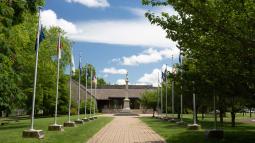


Explore the many guided tours of The Liberty Trail
This Day on the Liberty Trail
Uncovering History
We invite you to visit the preserved locations along the Liberty Trail and to immerse
yourself in the extraordinary events that determined the fate of a nation.


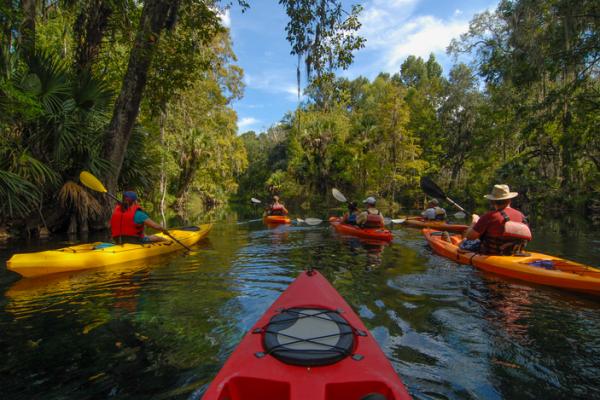
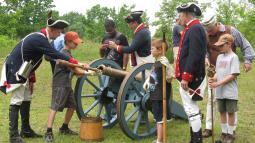
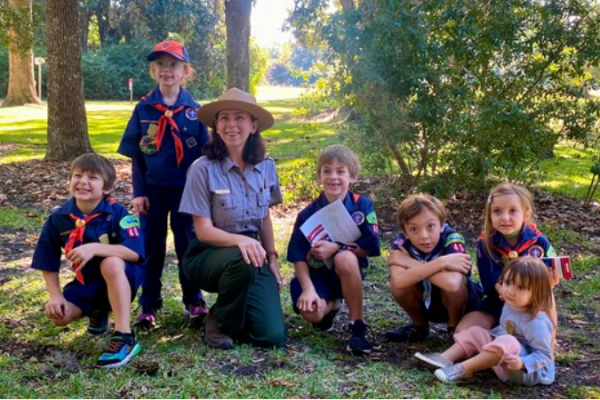
Family Friendly Adventures
Discover a part of our nation’s history at historic landmarks and events.

Liberty Trail History Makers
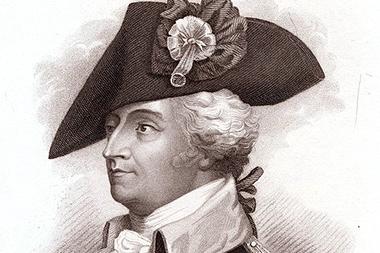
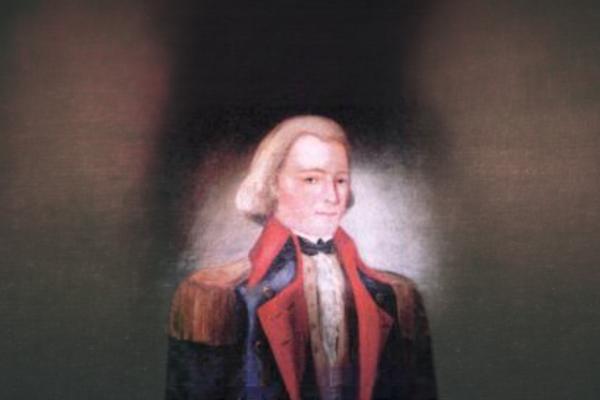
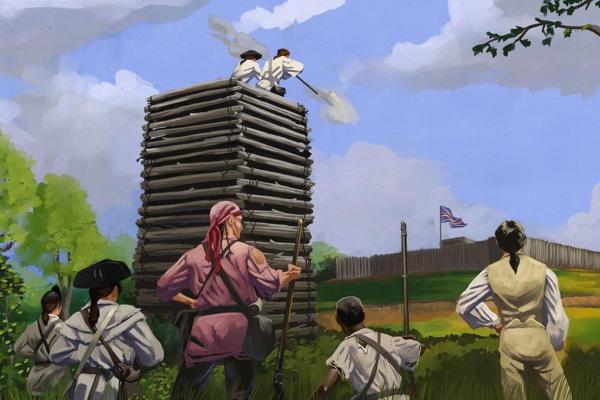
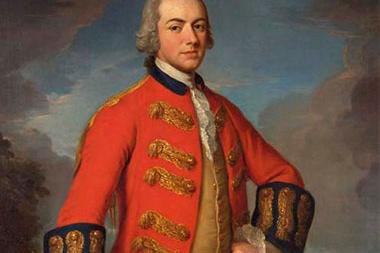
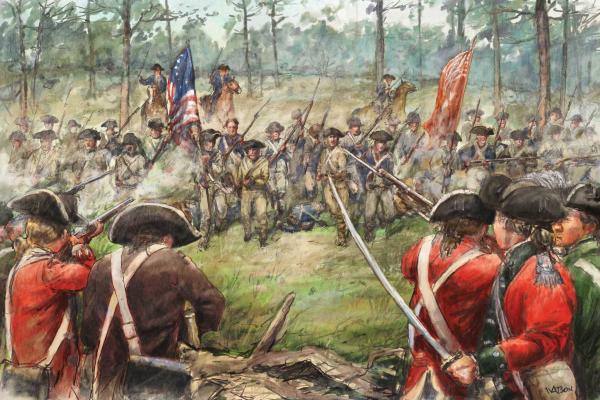
The Revolutionary War was a war unlike any other — one of ideas and ideals, that shaped “the course of human events. Explore the history and personalities from this pivotal time in American history.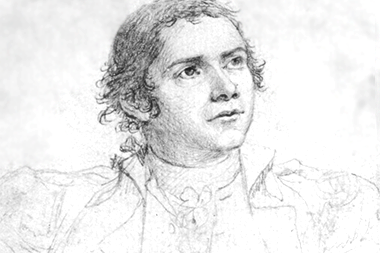
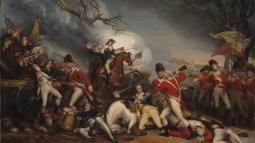
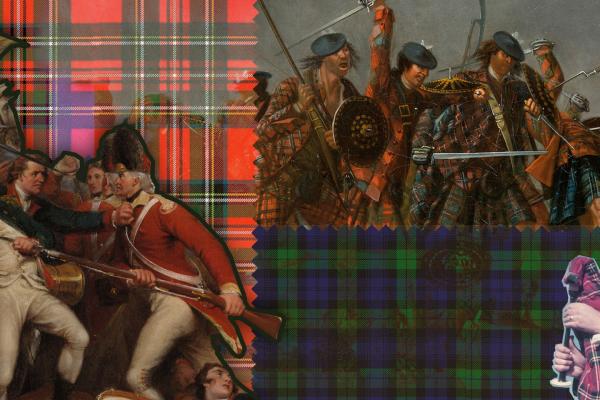
A Scottish exile turned American Patriot, Hugh Mercer rose from a fugitive of the Battle of Culloden to a trusted officer under George Washington. Mortally wounded while rallying his men at Princeton, his sacrifice became a symbol of American perseverance in the Revolution.
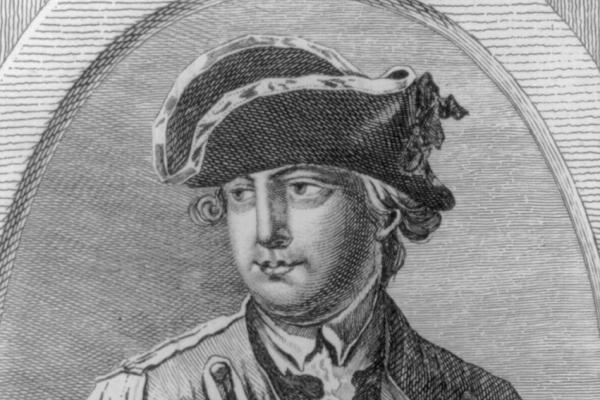
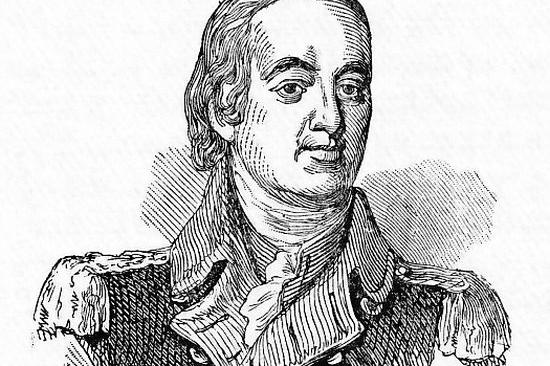
Charles Lee (February 6, 1732 - October 2, 1782) was a Major General in the American Revolutionary War. He was second-in-command to General George Washington, though he was known for his efforts to undermine General Washington. In 1780, Lee formally resigned from the Continental Army and retired to Philadelphia.
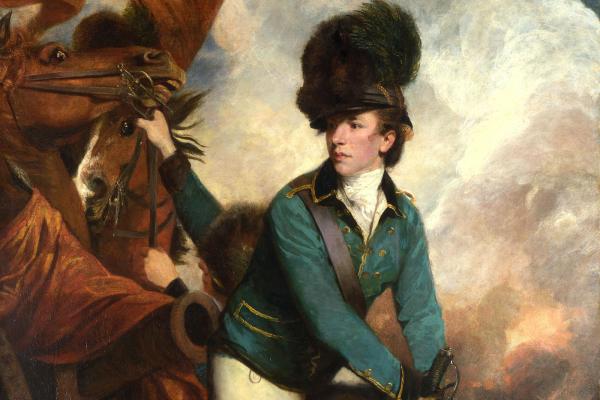
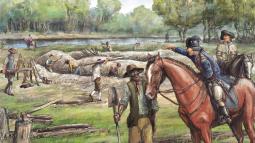
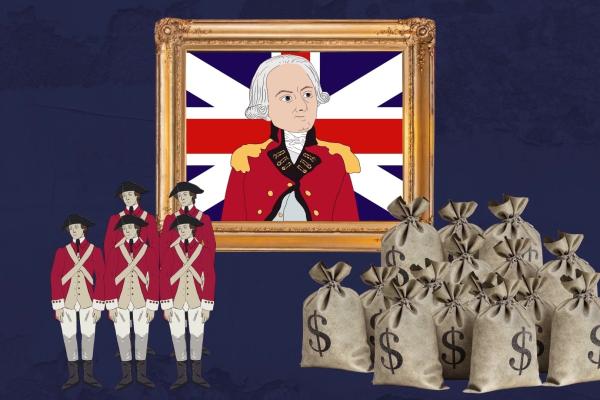
Tarleton, active in the Southern Campaign, came to be known as the ‘butcher’ after Continental soldiers accused his dragoons of disregarding a Patriot surrender by attacking the Americans after they laid down their arms at the Battle of Waxhaws.
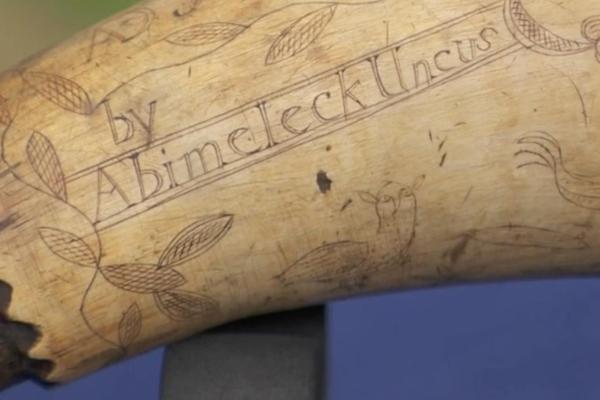
Abimeleck Uncus, a Mohegan Native American soldier in the Continental Army, served during the American Revolution, leaving behind a carved powder horn that commemorates his service at the Siege of Boston in 1775.