The Liberty Trail
- parking
- accessible_parking
- wheelchair_accessible
- restrooms
- wifi
- restrooms
- wheelchair_accessible
- parking
- accessible_parking
- wheelchair_accessible
- restrooms

- parking
- accessible_parking
- wheelchair_accessible
- restrooms
- parking
- accessible_parking
- wheelchair_accessible
- pet_friendly
- wifi
- parking
- restrooms
- wheelchair_accessible

- parking
- accessible_parking
- wheelchair_accessible
- pet_friendly
- parking
- accessible_parking
- wheelchair_accessible
- restrooms
- wifi
- parking
- restrooms
- pet_friendly

- parking
- accessible_parking
- wheelchair_accessible
- restrooms
- wifi
- parking
- accessible_parking
- wheelchair_accessible

- parking
- restrooms
- wheelchair_accessible


- parking
- accessible_parking
- restrooms
- pet_friendly
- parking
- accessible_parking
- wheelchair_accessible
- restrooms
- parking
- accessible_parking
- wheelchair_accessible
- restrooms
- wifi
- parking
- accessible_parking
- wheelchair_accessible
- restrooms
- wifi
- parking
- wheelchair_accessible
- restrooms
- pet_friendly

- parking
- restrooms
- wheelchair_accessible


- parking
- accessible_parking
- restrooms
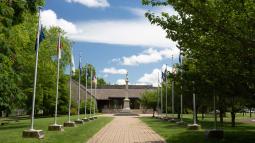
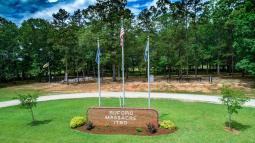
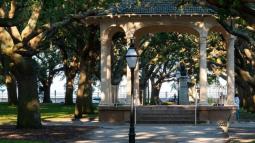
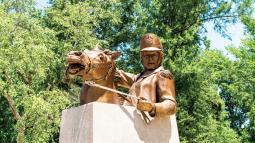
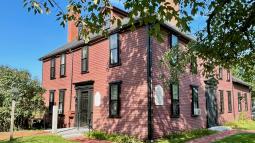
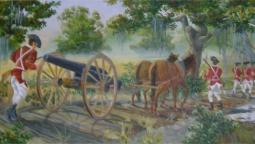
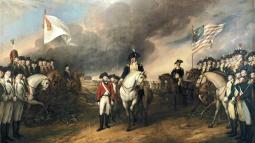
Explore the many guided tours of The Liberty Trail
This Day on the Liberty Trail
Uncovering History
We invite you to visit the preserved locations along the Liberty Trail and to immerse
yourself in the extraordinary events that determined the fate of a nation.
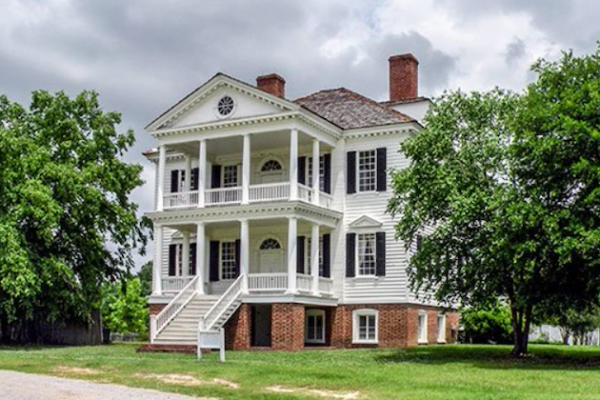
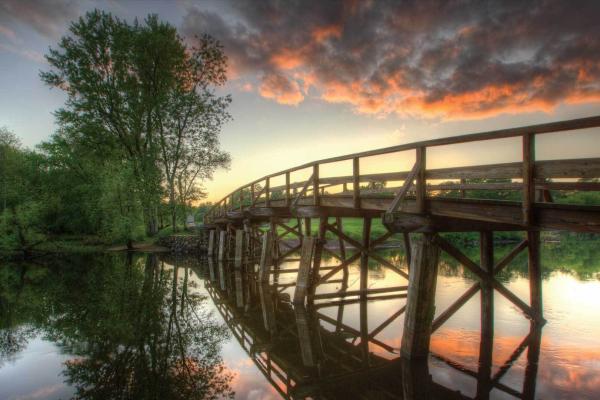
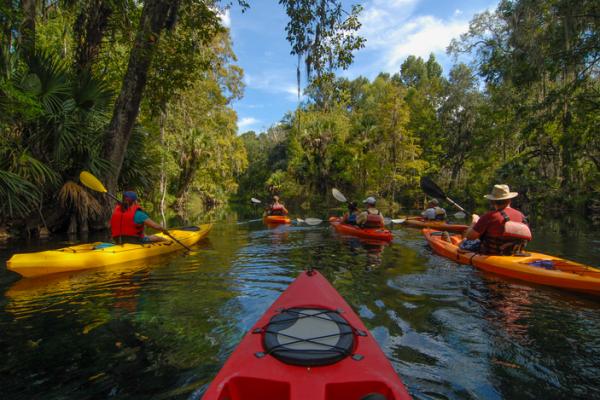
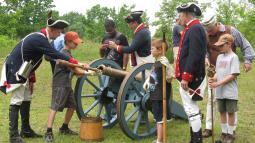
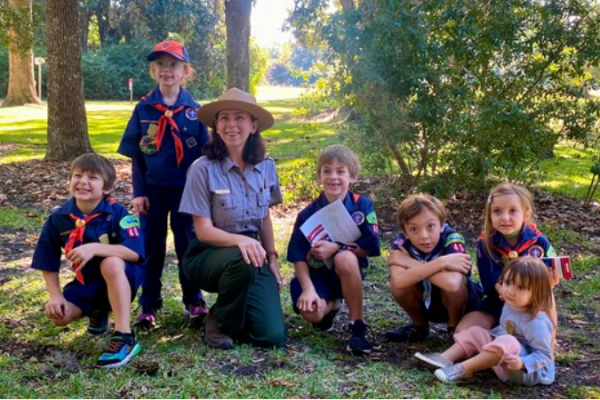
Family Friendly Adventures
Discover a part of our nation’s history at historic landmarks and events.

Liberty Trail History Makers
The Revolutionary War was a war unlike any other — one of ideas and ideals, that shaped “the course of human events. Explore the history and personalities from this pivotal time in American history.
John Broddy, an enslaved aide to Colonel William Campbell during the American Revolution, fought alongside Campbell at Kings Mountain and was later emancipated in 1793 for his loyal service, living the remainder of his life in Virginia until his death in 1859.
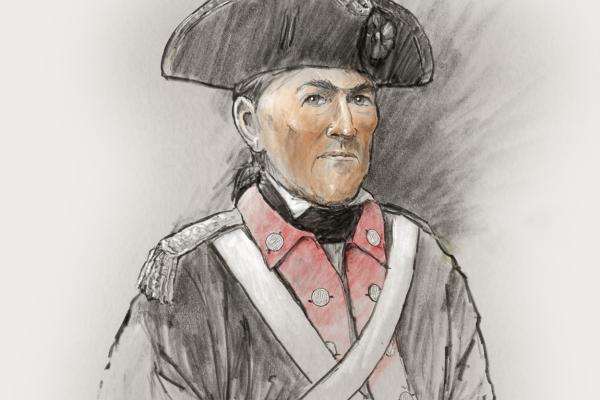
Robert Kirkwood served at major battles of the Revolution, including Monmouth, Camden, and Cowpens, where Kirkwood led his Delawareans to play a decisive role in Daniel Morgan’s victory. Kirkwood went on to lead his men at Guilford Courthouse, Hobkirk Hill, Ninety-Six, and Eutaw Springs.

Colonel Henry Rugeley was a prominent South Carolina Tory who earned a commission in the British army after the siege of Charleston in 1780.
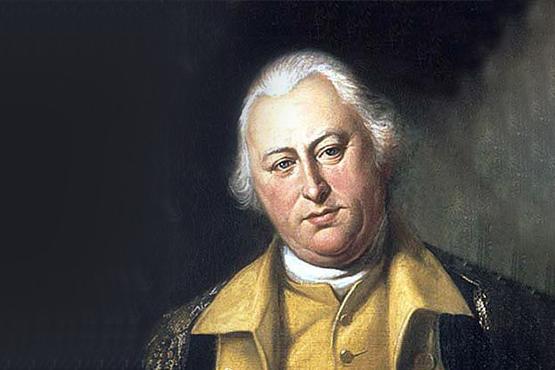
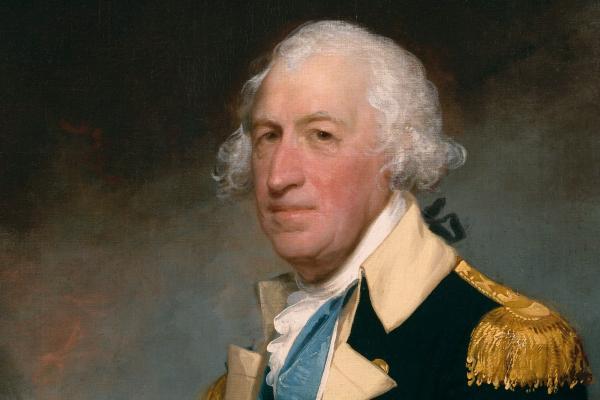
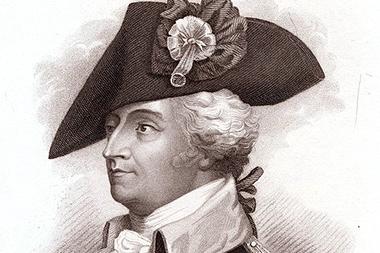
When British forces besieged Charleston, Lincoln was forced to surrender over 5,000 men. Denied honors of war in surrender, Lincoln was paroled and returned to Washington’s army. After the Battle of Yorktown, Lincoln accepted the surrender from the British, allowing him to have revenge for his defeat in Charleston.