The Liberty Trail
- parking
- accessible_parking
- wheelchair_accessible
- restrooms
- wifi





- restrooms
- wheelchair_accessible
- parking
- accessible_parking
- wheelchair_accessible
- restrooms



- parking
- accessible_parking
- wheelchair_accessible
- restrooms

- parking
- accessible_parking
- wheelchair_accessible
- pet_friendly


- wifi
- parking
- restrooms
- wheelchair_accessible



- parking
- accessible_parking
- wheelchair_accessible
- pet_friendly


- parking
- accessible_parking
- wheelchair_accessible
- restrooms
- wifi
- parking
- restrooms
- pet_friendly

- parking
- accessible_parking
- wheelchair_accessible
- restrooms
- wifi



- parking
- accessible_parking
- wheelchair_accessible


- parking
- restrooms
- wheelchair_accessible





- parking
- accessible_parking
- restrooms
- pet_friendly

- parking
- accessible_parking
- wheelchair_accessible
- restrooms



- parking
- accessible_parking
- wheelchair_accessible
- restrooms
- wifi
- parking
- accessible_parking
- wheelchair_accessible
- restrooms
- wifi

- parking
- wheelchair_accessible
- restrooms
- pet_friendly




- parking
- restrooms
- wheelchair_accessible



































- parking
- accessible_parking
- restrooms
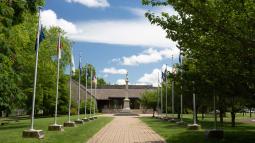

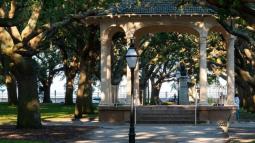
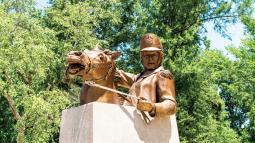

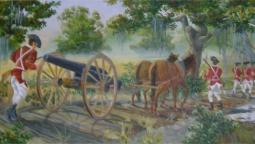
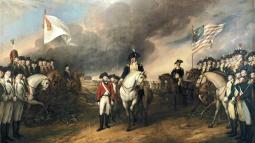
Explore the many guided tours of The Liberty Trail
This Day on the Liberty Trail
Uncovering History
We invite you to visit the preserved locations along the Liberty Trail and to immerse
yourself in the extraordinary events that determined the fate of a nation.
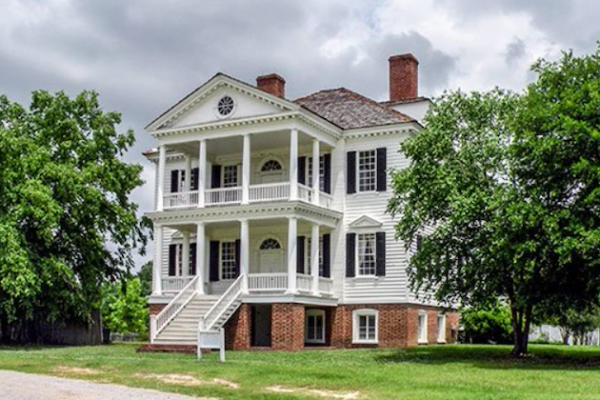
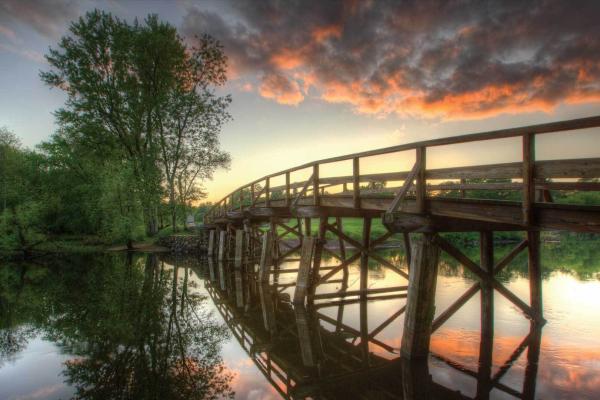
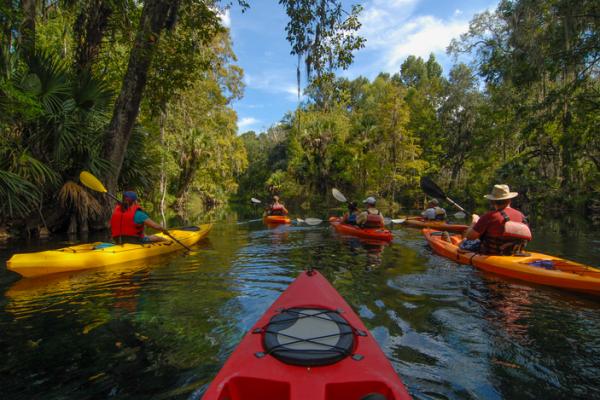
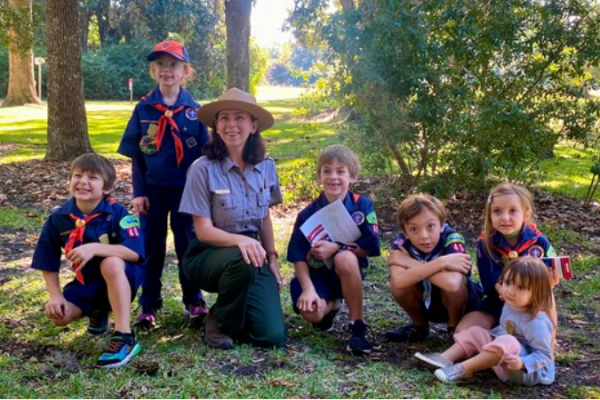
Family Friendly Adventures
Discover a part of our nation’s history at historic landmarks and events.


Liberty Trail History Makers
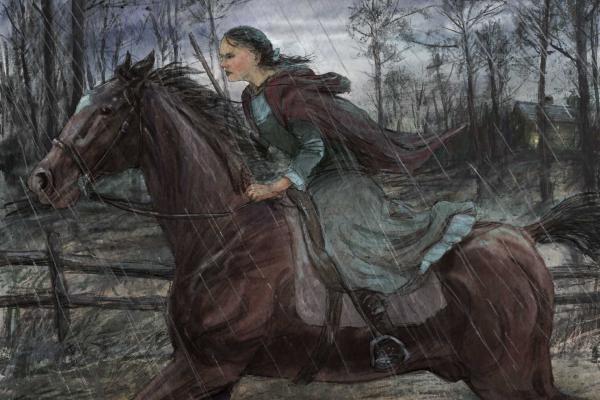
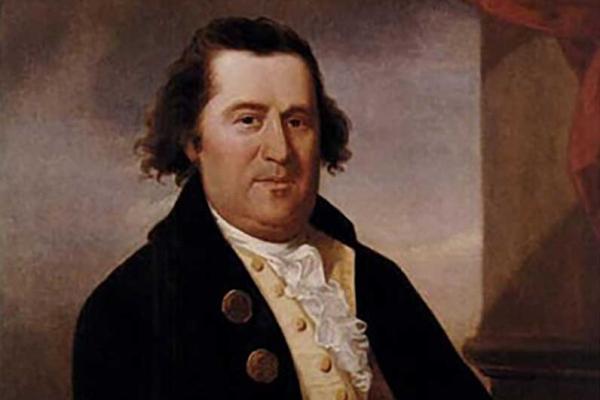
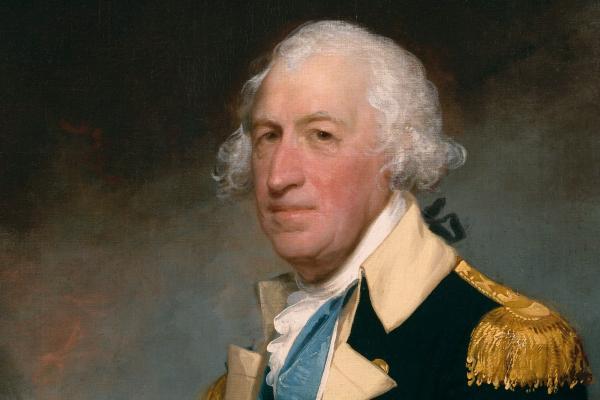
The Revolutionary War was a war unlike any other — one of ideas and ideals, that shaped “the course of human events. Explore the history and personalities from this pivotal time in American history.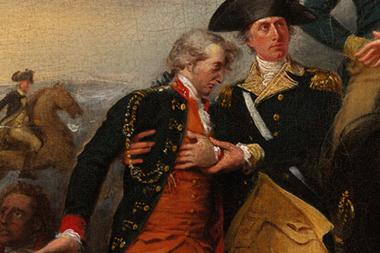
Johann Gottlieb Rall, a veteran German officer, commanded the Hessian garrison at Trenton despite concerns about its vulnerability. On December 26, 1776, Washington's surprise attack led to Rall’s mortal wounding and the capture of his troops.
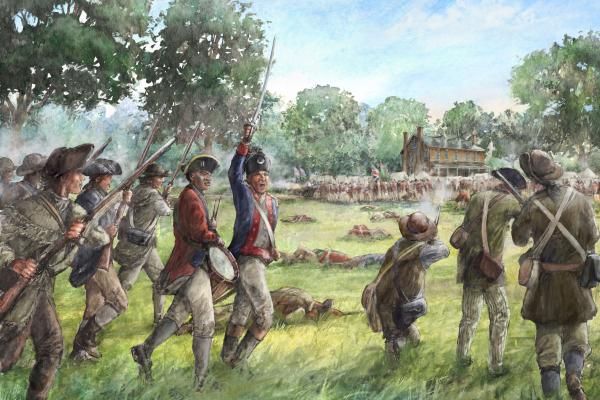
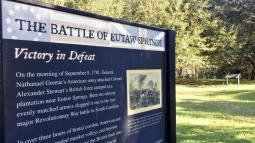
Jim Capers, a free African American who courageously served as a Drum Major during the American Revolution, survived brutal battles and close-quarters combat, including being severely wounded at Eutaw Springs. Capers spent his final years in Alabama, where his extraordinary contributions to the fight for independence went largely uncelebrated before his death at the age of 111 in 1853.
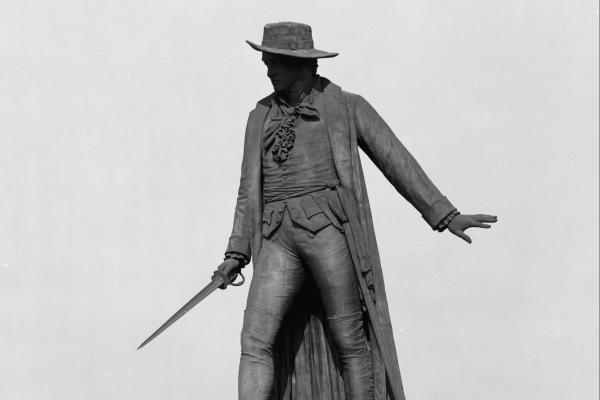
William Prescott led colonial forces at the Battle of Bunker Hill, where his strategic defense and command helped inflict heavy British casualties, despite ultimately being forced to retreat.
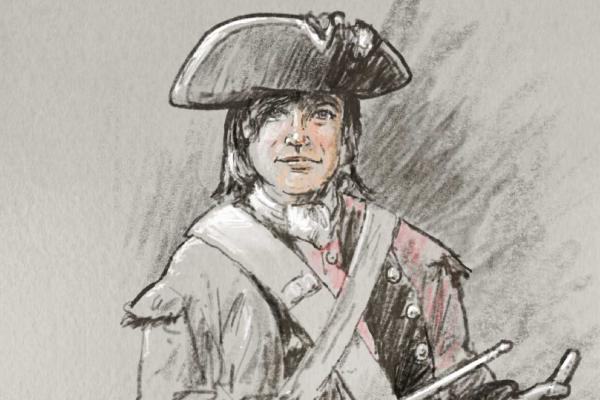
While serving as a drummer in the Revolutionary War, young Stephen Tainter witnessed Burgoyne’s surrender and the failed Newport siege.