The Liberty Trail

- parking
- accessible_parking
- wheelchair_accessible
- restrooms
- wifi




- restrooms
- wheelchair_accessible

- parking
- accessible_parking
- wheelchair_accessible
- restrooms



- parking
- accessible_parking
- wheelchair_accessible
- restrooms

- parking
- accessible_parking
- wheelchair_accessible
- pet_friendly



- wifi
- parking
- restrooms
- wheelchair_accessible




- parking
- accessible_parking
- wheelchair_accessible
- pet_friendly


- parking
- accessible_parking
- wheelchair_accessible
- restrooms
- wifi

- parking
- restrooms
- pet_friendly

- parking
- accessible_parking
- wheelchair_accessible
- restrooms
- wifi



- parking
- accessible_parking
- wheelchair_accessible


- parking
- restrooms
- wheelchair_accessible





- parking
- accessible_parking
- restrooms
- pet_friendly

- parking
- accessible_parking
- wheelchair_accessible
- restrooms


- parking
- accessible_parking
- wheelchair_accessible
- restrooms
- wifi
- parking
- accessible_parking
- wheelchair_accessible
- restrooms
- wifi

- parking
- wheelchair_accessible
- restrooms
- pet_friendly





- parking
- restrooms
- wheelchair_accessible

































- parking
- accessible_parking
- restrooms
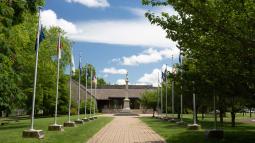

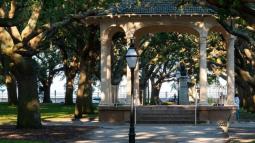
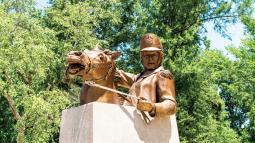

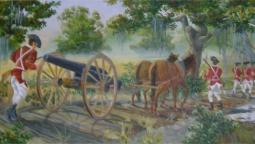
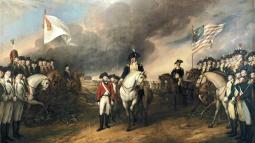
Explore the many guided tours of The Liberty Trail
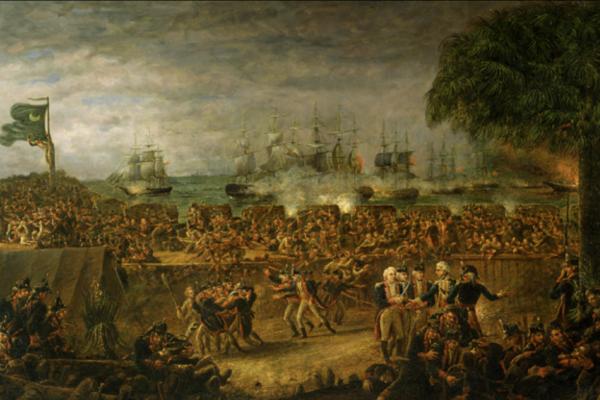
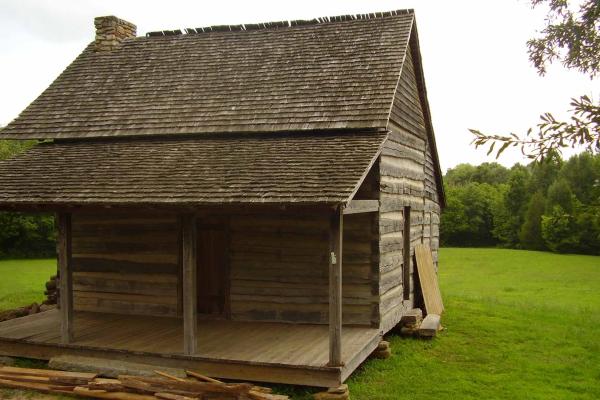
This Day on the Liberty Trail
Uncovering History
We invite you to visit the preserved locations along the Liberty Trail and to immerse
yourself in the extraordinary events that determined the fate of a nation.


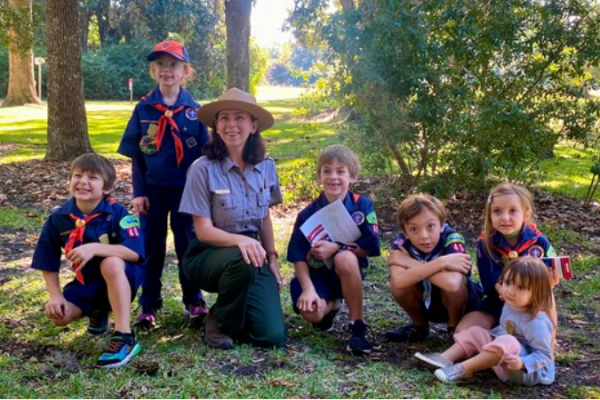
Family Friendly Adventures
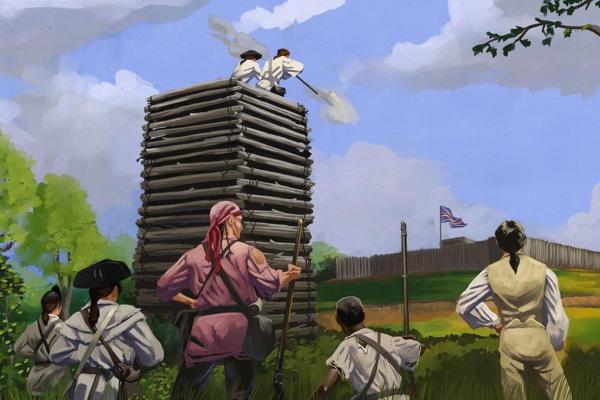
Discover a part of our nation’s history at historic landmarks and events.

Liberty Trail History Makers
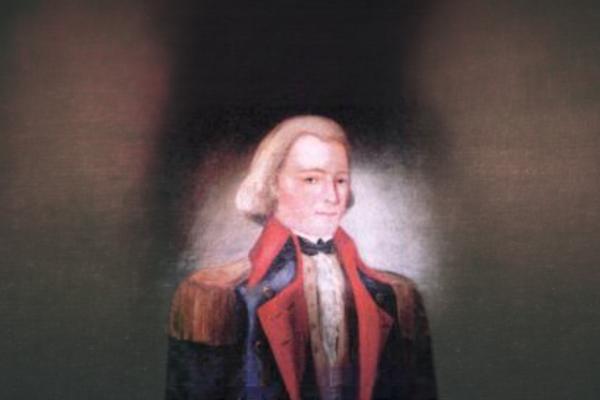
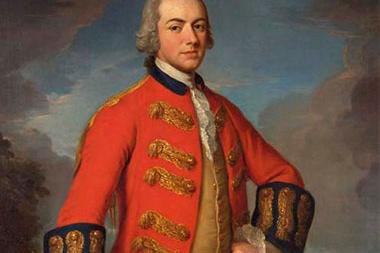
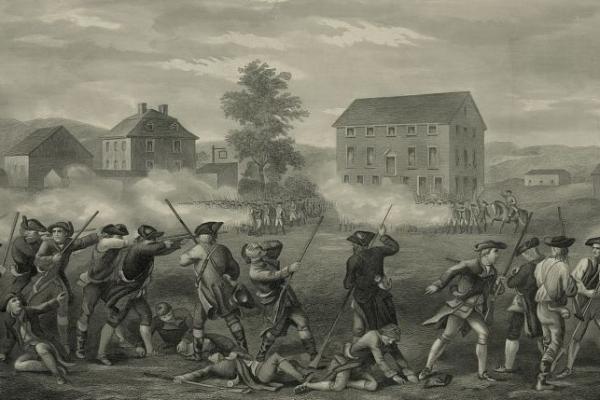
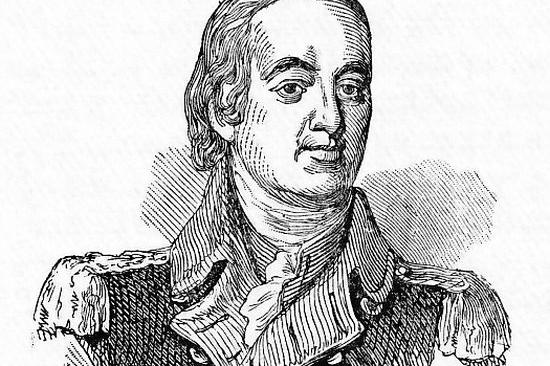
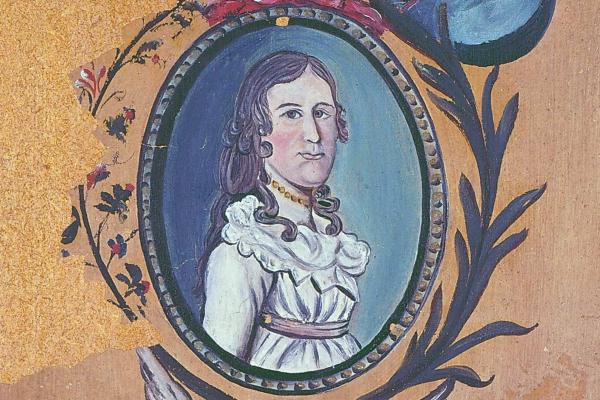
The Revolutionary War was a war unlike any other — one of ideas and ideals, that shaped “the course of human events. Explore the history and personalities from this pivotal time in American history.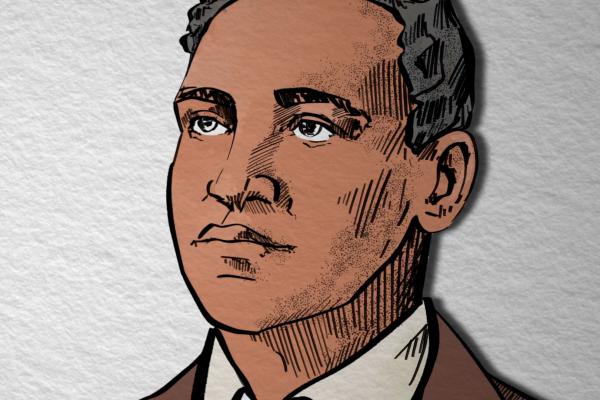
Regarded as the first martyr of the American Revolution, Crispus Attucks was the first to fall in the Boston Massacre on March 5, 1770. Of African and Native American descent, he became a powerful symbol of the fight for liberty, later embraced by abolitionists as a hero of both American independence and the struggle for equality.
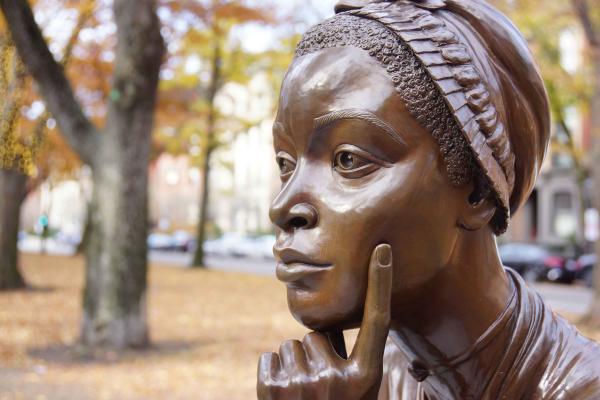
Phillis Wheatley, an enslaved woman from Massachusetts, became a celebrated poet, publishing a book in 1773, corresponding with prominent figures like George Washington, and demonstrating the literary talent of African Americans before dying in poverty at 31.
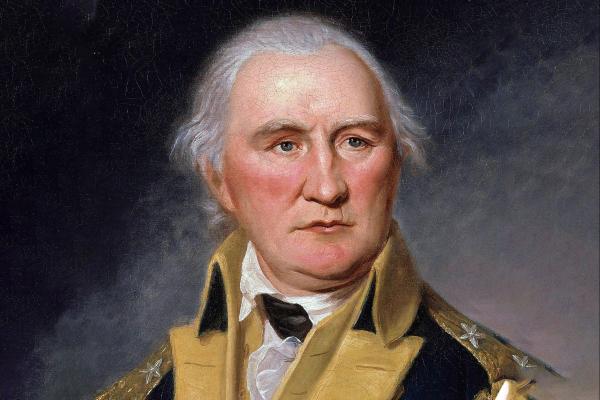
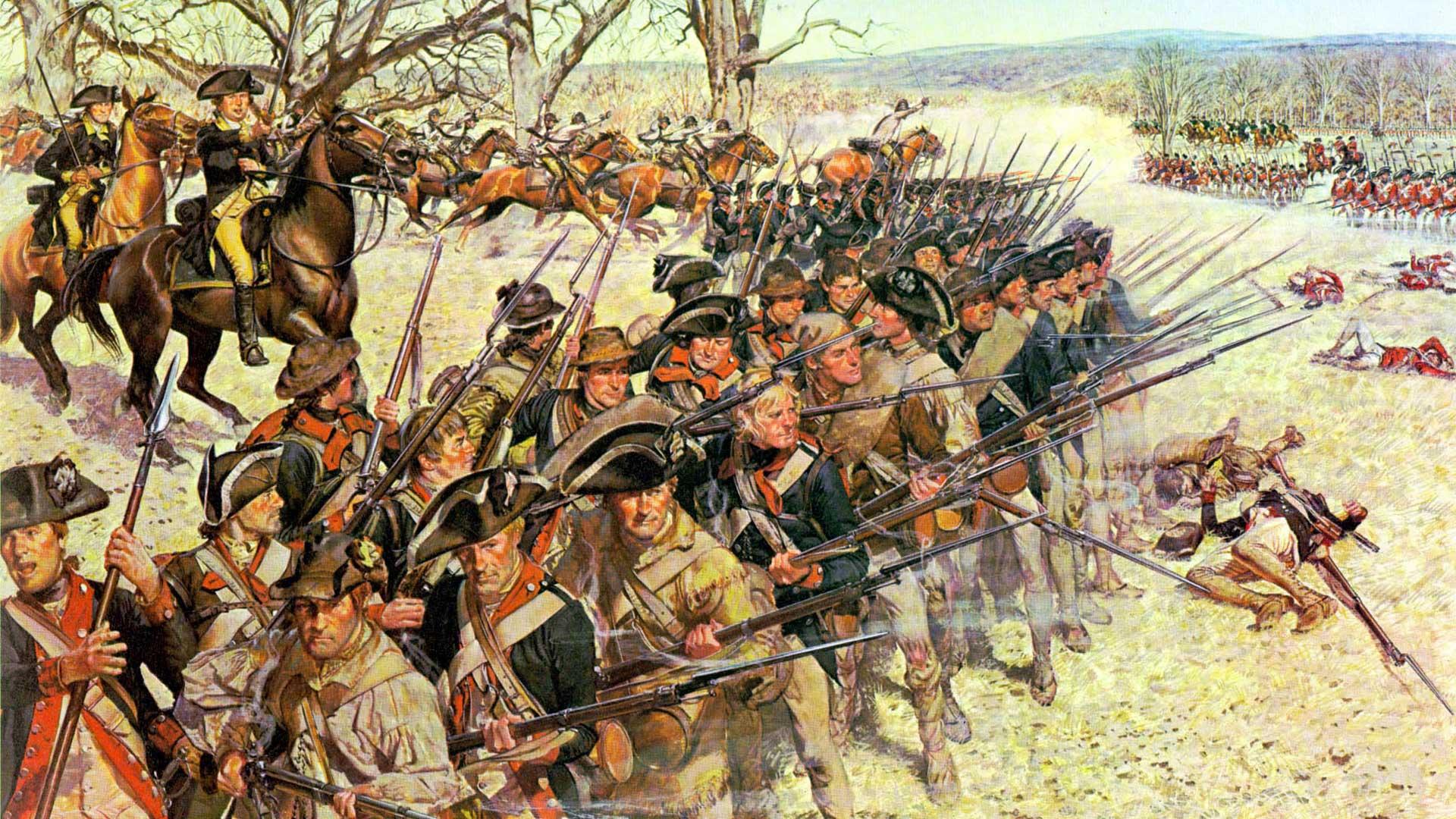
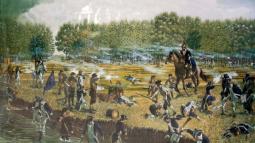
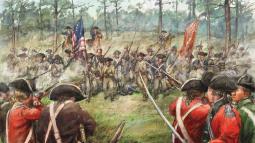
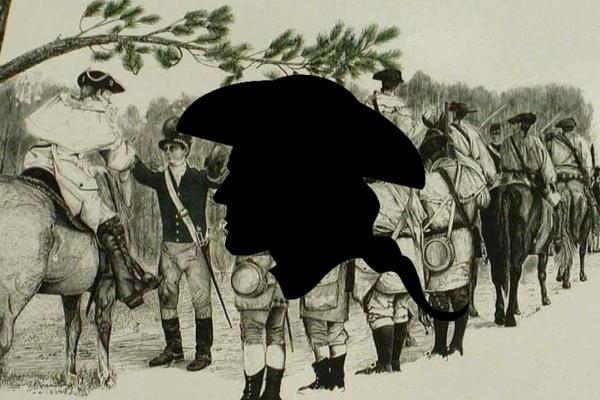
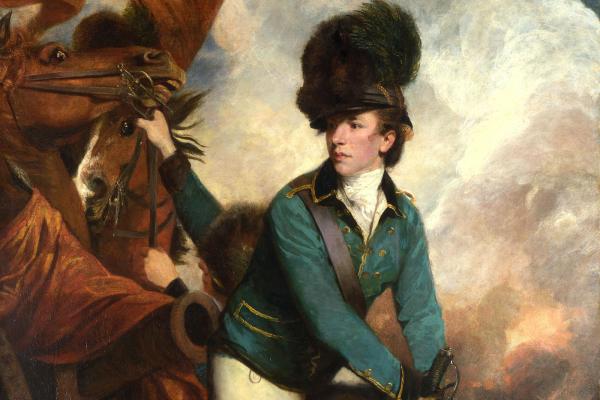
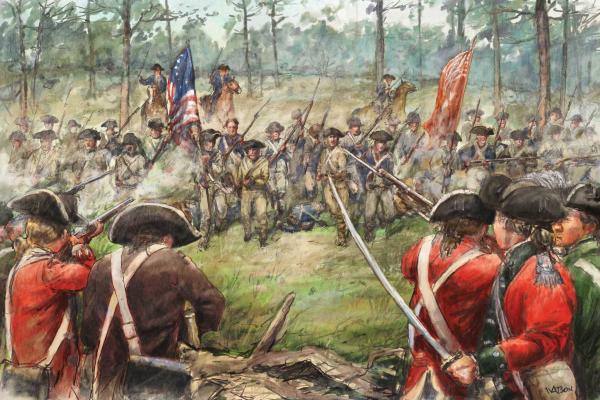
Morgan’s main adversary was British Lieutenant Colonel Banastre Tarleton. Tarleton and Morgan’s forces faced each other at Cowpens in South Carolina on January 17, 1781. Morgan emerged victorious and secured his reputation as a skilled military tactician.
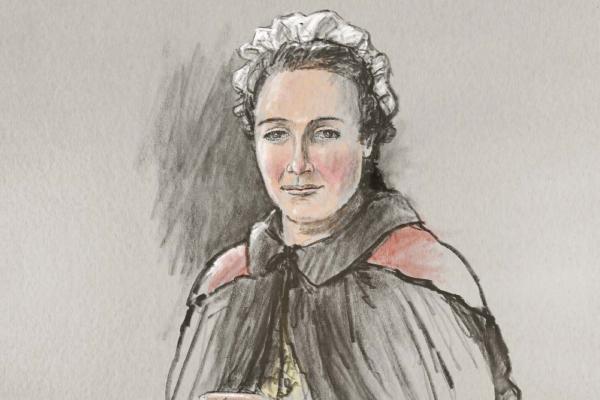
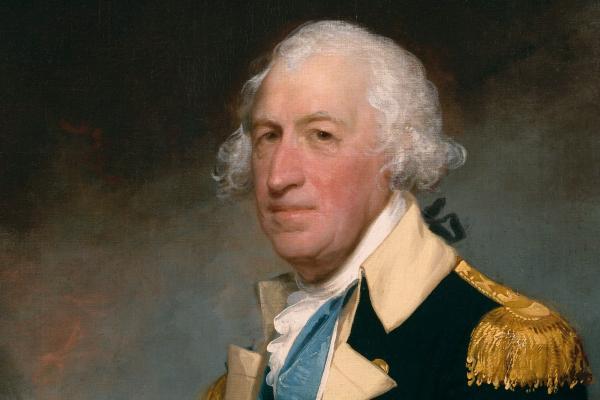
Lucy Flucker Knox defied her family to marry Henry Knox and supported him through the Revolution, balancing life as a military wife and mother. Her story highlights women's overlooked role in early American history.